| Base Fabric |
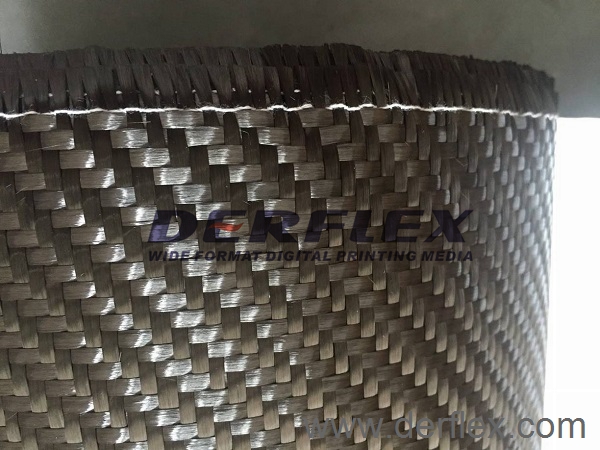
Woven E-glass or project-selected fiberglass cloth; plain, twill, satin or selected construction. |
Controls drape, thickness, dimensional stability, strength and the visual texture of the coated surface. |
| Coating Structure |
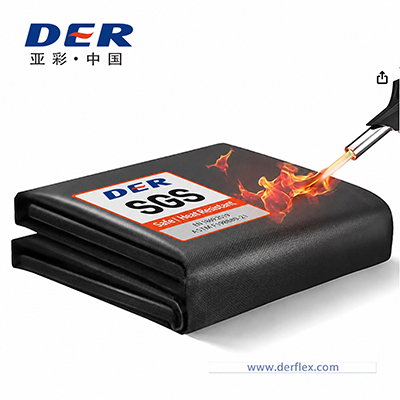
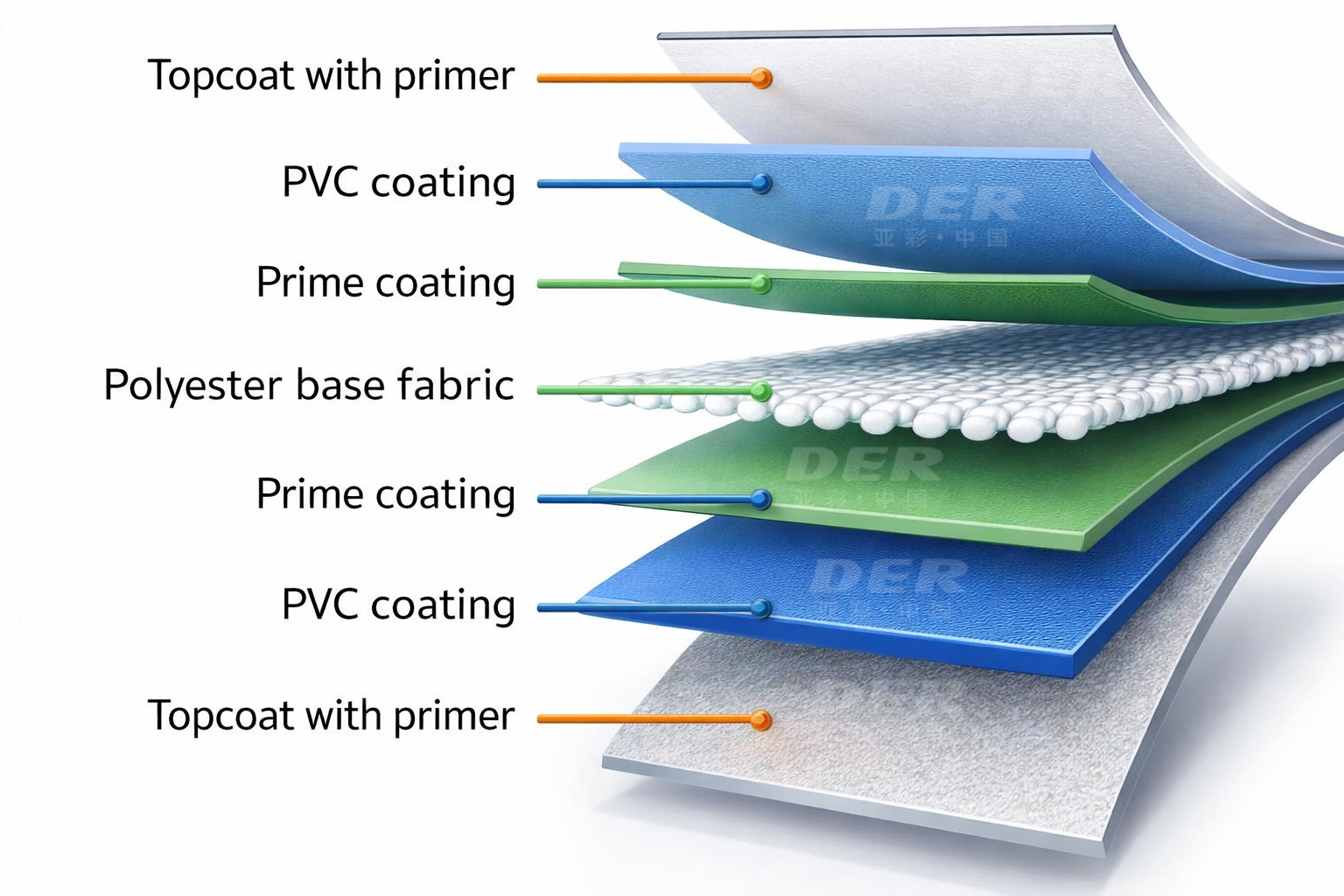
Silicone rubber on one side or both sides; standard or flame-retardant formulation direction. |
Changes surface protection, cleanability, flexibility, cost and exposure from each side. |
| Total Weight |
Common project range approximately 260–2000 g/m². |
Light grades support drape and handling; heavier grades may better suit repeated-use covers and abrasion-prone assemblies. |
| Thickness |
Approximately 0.25–3.0 mm depending on base cloth and coating amount. |
Influences stiffness, seam design, packing volume, cut-part handling and finished-product durability. |
| Roll Width |
Common directions include 1000, 1200 and 1500 mm; other widths may be reviewed. |
Correct width can reduce cutting waste, seam count and conversion cost. |
| Temperature Direction |
Selected silicone-coated grades are often used around continuous temperatures up to about 260°C; confirm by formulation and test. |
The silicone surface and fiberglass base do not have identical limits. Contact, duration, airflow and mechanical stress also affect suitability. |
| Color & Surface |
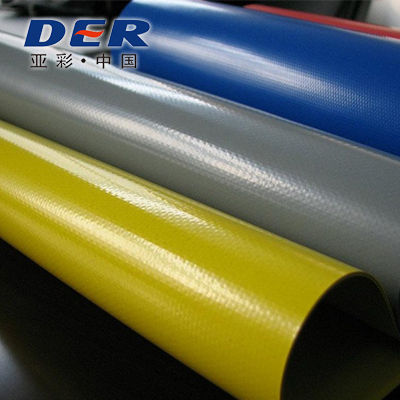
Red, grey, black, white, yellow and project-based color direction; smooth, matte or textured feel. |
Supports product identification, brand programs, visibility and application-specific handling. |
| Processing |
Cutting, sewing, punching, grommeting, wrapping, die-cutting and selected backing or lamination review. |
The material must be evaluated in the same conversion route used for the finished product. |
| Supply Format |
Bulk rolls, slit rolls, cut pieces or OEM-oriented converted material subject to specification. |
Allows distributors and fabricators to align purchasing format with stock, labor and production planning. |