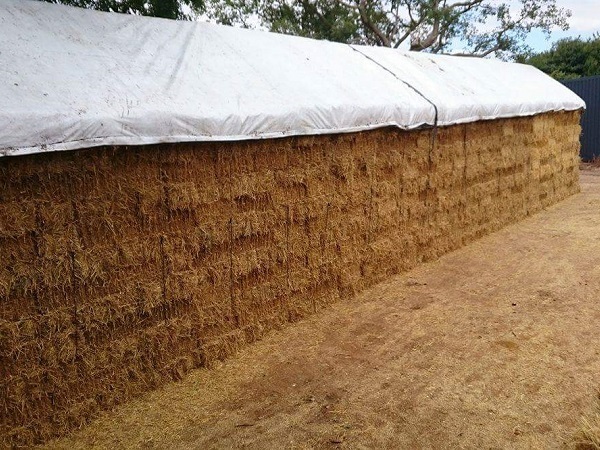
Hay & Bale Covers
Top covers for hay bales, straw stacks, alfalfa storage and feed yards exposed to rain and direct sunlight.



Outdoor hay storage needs more than a basic sheet. DERFLEX helps farms, ranches, agricultural distributors and OEM cover brands specify hay tarps that shed rain, reduce UV exposure, resist wind stress and remain practical for seasonal handling.
From round bale rows to square bale stacks and private-label farm tarp programs, this guide explains material selection, sizing, installation and buying details for more reliable hay protection.
Hay is harvested, dried and stored as feed, so the storage cover must help keep the stack dry while avoiding unnecessary heat buildup and trapped moisture. A tarp that is too weak can tear in wind; a tarp that is too small can leave exposed shoulders; a tarp that is sealed too tightly may hold condensation against the bale surface.
DERFLEX hay tarp solutions focus on the full storage system: durable cover material, proper side drop, reinforced fixing points, UV-stabilized surface options and practical fabrication details for repeated farm use.
A hay tarp should be selected according to climate, bale type, storage duration, stack shape and fixing method—not only by price or length.
The tarp should direct rain and snowmelt away from the stack. PVC coated and laminated structures can be specified for strong waterproof performance and welded seam fabrication.
Long sun exposure can weaken many low-cost covers. UV-resistant formulas and reflective color choices help support outdoor hay storage in high-sun regions.
Hay stacks are large wind-catching surfaces. Reinforced hems, webbing, rope edge, welded corners and suitable eyelet spacing reduce stress concentration.
Top-only hay tarps usually need enough drop to cover the stack shoulders while still allowing practical anchoring and airflow according to the site.
Farm tarps are dragged, folded, retensioned and stored. Choose a weight and construction that matches the people, equipment and installation routine on site.
For distributors and OEM brands, consistent color, GSM, packaging, roll width, label design and quality documentation matter across repeat orders.
These DERFLEX image areas show how agricultural tarp materials can be used for hay cover, farm shelter and crop protection programs.
Top covers for hay bales, straw stacks, alfalfa storage and feed yards exposed to rain and direct sunlight.
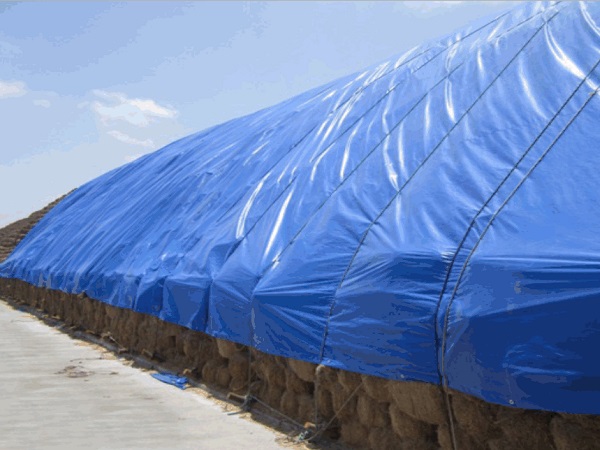
Heavy duty blue, green, white, silver or custom-color tarp options for seasonal agricultural storage.
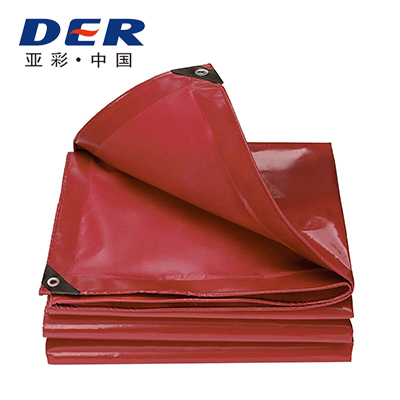
Reinforced hems, eyelets, welded panels and custom fabrication details for distribution and OEM cover programs.
Different storage plans need different material structures. DERFLEX supports roll goods, panels and finished tarps according to project requirements.
Recommended for repeated use, custom welding, stronger edge construction and medium-to-heavy duty outdoor farm storage.
Suitable for economical seasonal coverage, short-to-mid term use and broader farm supply programs where budget and quick deployment matter.
The final specification should be confirmed according to actual bale size, climate, wind exposure, installation method, order volume and expected use cycle.
| Buyer Requirement | Material Direction | Useful Options | Typical Buyer |
|---|---|---|---|
| Repeated outdoor hay storage in sun, rain and wind | PVC coated polyester tarpaulin, medium-to-heavy duty grade | 650–900gsm direction, UV-resistant surface, reinforced hems, webbing, eyelets, welded seams | Ranches, farms, contractors, agricultural distributors |
| Economical seasonal hay and straw coverage | Reinforced PE agricultural tarpaulin | UV-stabilized film, rope edge, reinforced corners, common farm colors, carton or bale packaging | Farm supply stores, wholesalers, seasonal users |
| Private-label hay tarp product line | PVC or PE specification matched to target market level | Custom size, label, color, carton design, barcode, pallet plan and repeat-order documentation | Importers, regional brands, online and offline distributors |
| High-wind or long stack protection | Stronger base fabric with reinforced fixing system | Closer eyelet spacing, webbing loops, pipe pocket, rope edge, extra corner reinforcement | Commercial hay storage yards and open-field storage sites |
Correct sizing is a critical part of hay tarp performance. A tarp should cover the top and shoulders of the stack and still leave enough material for anchoring. The stack profile should also shed water instead of creating pockets.
Simple planning formula: tarp width = stack width + two side drops + anchoring allowance. Tarp length = stack length + front/back allowance for tying, settling and wind conditions.
Good material can fail early if installation is poor. These practical steps help reduce water entry, UV aging, tearing and handling damage.
Use a raised, drained or firm base where possible. Avoid long-term contact between the bottom bales and standing water.
Create a rounded or sloped top so rain can run off. A flat surface can hold water and increase tarp stress.
Make sure the tarp extends beyond the top edge of the hay. Exposed shoulders are a common point for moisture entry.
Secure each side with balanced force. Over-tightening one corner can damage grommets, hems or bale edges.
Use ropes, straps, anchors, weights, webbing loops or pipe pockets according to tarp size and wind exposure.
White or silver outward-facing surfaces may help reduce heat buildup compared with darker exposed surfaces.
Check tie-down tension, corners, water pockets and abrasion points after heavy wind or rainfall.
When the tarp is removed, clean and dry it before folding to reduce mildew risk and surface damage.
The right hay protection system depends on storage duration, climate and the value of the feed being protected.
| System | Suitable Use | Advantages | Important Notes |
|---|---|---|---|
| Top-only hay tarp | Short-to-mid term outdoor storage, round bale rows, square bale stacks | Protects top and shoulders from rain, snow and UV exposure; relatively fast to install | Needs correct width, side drop and anchoring; exposed sides may still need airflow and inspection |
| Hay tarp with side curtain direction | Wind-driven rain regions, long stack storage and higher-value feed | Adds vertical protection where side exposure is a concern | Ventilation and fixing method should be planned carefully to avoid trapped moisture |
| Custom finished cover program | Distributors, OEM brands and repeated farm supply sales | Custom size, color, packaging and edge details can match the target market | Requires confirmed specification and order quantity before production |
| Permanent shed or barn | Long-term storage where infrastructure investment is suitable | Strong protection from repeated weather exposure | Higher construction cost and less flexible than movable tarp systems |
Many hay tarp pages mainly show finished sizes. DERFLEX supports a more flexible B2B route: material structure selection, roll supply, cut panels, finished tarp production and OEM packaging for agricultural cover programs.
Clear project data helps DERFLEX recommend a practical specification instead of guessing by size alone.
These internal pages help buyers compare farm tarp materials, PVC tarpaulin structures, UV-resistant options and waterproof cover applications.
Send your bale type, stack size, expected storage season, climate, material preference, finish details and order quantity. DERFLEX will help match a practical tarp specification for rain, UV and outdoor farm protection.
Answers for buyers comparing hay cover materials, sizes, installation methods and custom agricultural tarp supply.
For repeated outdoor use, PVC coated polyester tarpaulin is often selected because it can combine waterproof protection, tear resistance, UV-resistant options and custom welded fabrication. Reinforced PE agricultural tarpaulin is also useful for economical seasonal coverage.
The top surface should shed rain effectively, but the storage system should also avoid trapping moisture. Proper stack shape, side drop, anchoring and ventilation are important. In some climates, side curtain or airflow planning may be needed.
The side drop depends on stack width, height, bale shape and wind conditions. As a practical rule, measure the real stack first and allow enough tarp to cover the shoulders while leaving room for anchoring. DERFLEX can produce custom sizes based on your stack data.
White and silver surfaces are often used to reflect sunlight and reduce heat buildup. Green, blue, black and custom colors can also be specified according to market preference, application and branding needs.
Yes. DERFLEX can support roll goods, cut panels and finished tarps with welded seams, reinforced hems, grommets, rope edge, webbing, pipe-pocket direction, labels and OEM packaging.
Yes. DERFLEX supplies PVC and PE agricultural tarp materials as roll goods for converters and fabricators, and can also discuss finished hay tarp supply for distributors and private-label programs.
Install with even tension, avoid sharp bale or frame contact, prevent water pockets, retighten after strong wind, clean with mild detergent and dry the tarp before storage. Small punctures or edge damage should be repaired early.