Jobsite & Temporary Roofing
Cover lumber, roofing materials, unfinished structures, work zones and equipment during weather-sensitive project phases.



 Industrial coated fabrics & custom tarp supply
DERFLEX supplies heavy duty poly tarp solutions for distributors, contractors, agriculture, outdoor storage, transportation support and project procurement where waterproof coverage, manageable weight and cost control need to stay in balance.
Specify the tarp by working conditions rather than by color alone. DERFLEX can discuss woven PE structure, laminated surface, finished size, UV treatment, reinforced perimeter, grommet layout, corner patches, branding and export packaging for custom and wholesale orders.

A heavy duty polyethylene tarp is usually built from woven polyethylene strips combined with a laminated or coated PE surface. The woven core carries tensile and tear loads, while the outer film creates a rain and moisture barrier and can be formulated for outdoor exposure.
The finished tarp matters as much as the base sheet. Edge reinforcement, grommet spacing, corner design, seam treatment and the way the tarp is tensioned in service can determine whether a cover performs reliably or fails early around the fastening points.
For commercial purchasing, “heavy duty” should therefore be translated into measurable requirements: thickness or weight, weave density, UV exposure, perimeter reinforcement, finished dimensions, fastening frequency and expected replacement cycle.
Creates the weather barrier and can be adjusted for color, UV direction and surface protection.
The internal weave distributes load and helps resist stretching and tearing during handling.
Rope, tape, folded hems or additional material can be used to strengthen high-stress edges.
Grommets, eyelets or selected attachment points are placed according to installation and wind-loading needs.
A useful heavy duty poly tarp specification connects material construction to the actual exposure conditions rather than relying on a single “heavy duty” label.
PE laminated surfaces are used to reduce rain and moisture penetration. Finished waterproof performance also depends on seams, punctures and installation details.
UV-treated options are suitable when the tarp will remain in direct sunlight for longer periods. Exposure intensity and climate should be confirmed during specification.
Weave density, yarn structure and overall thickness influence how the tarp responds to pulling, wind movement and concentrated fastening loads.
Compared with many heavier PVC vinyl tarps, PE covers are easier to move, fold, deploy and package, which can matter in temporary or seasonal programs.
Reinforced hems, rope edges and corner patches help distribute tie-down force and reduce localized damage around the perimeter.
Closer fastening intervals may support more stable installation, but grommet spacing should be designed around tarp size, wind conditions and attachment method.
Silver, white, black, green, blue and other colors can be selected for market positioning, visibility, light control or heat-reflection considerations.
For wholesale programs, repeatability in finished size, color, hardware spacing, packing and labeling can be as important as the performance of one sample.
The following ranges are useful discussion points for B2B quotation and sample development. Final values should be confirmed against application, climate, service cycle and target market.
| Specification Item | Common Heavy-Duty Direction | What the Buyer Should Confirm |
|---|---|---|
| Product Type | Heavy duty poly tarp / heavy duty polyethylene tarp / PE tarpaulin | Finished tarp, cut sheet or supply program. |
| Base Structure | Woven polyethylene with laminated or coated PE surface | Weave density, film quality and target duty level. |
| Thickness Reference | Approx. 12–20 mil market reference for heavy and super-heavy poly tarp categories | Use thickness together with weave, weight and reinforcement—not as the only quality indicator. |
| Weight Reference | Approx. 6–8 oz/yd2 examples are common in heavier retail/commercial poly grades | Final weight depends on construction and target price/performance level. |
| Weave / Fiber Direction | 14×14 or 16×16 mesh examples; heavier fiber structures may be selected | Ask for the actual construction used in the sample and bulk order. |
| Surface Performance | Waterproof PE surface; UV, mildew and weather-resistant options can be discussed | Outdoor duration, sun intensity, humidity and temperature cycle. |
| Finished Size | Standard or custom finished dimensions | Confirm whether the quoted size is cut size or finished size after hems and seams. |
| Edge Structure | Folded/reinforced hem, rope reinforcement, webbing or corner patches | Wind load, tie-down method, repeated handling and stress concentration. |
| Grommets / Eyelets | Approx. 18–24 in. spacing is a common market reference; custom spacing available for discussion | Hardware material, spacing tolerance and reinforcement around eyelets. |
| Colors | Blue, silver, white, green, black, brown, orange and custom-market colors subject to MOQ | Color consistency, face/back color, visibility and branding requirements. |
| OEM Options | Logo, label, insert, barcode, bundle, carton and pallet packing | Retail channel, destination-market labeling and shipment format. |
High-ranking tarp pages frequently organize products by thickness, weave, reinforcement and use case. DERFLEX applies the same buyer logic while adding custom specification and repeat-supply planning for B2B orders.
Suitable as a quotation starting point for construction protection, seasonal storage, general agriculture and temporary roof or equipment coverage.
Useful when buyers want a thicker poly category for repeated outdoor handling, larger covers or product lines positioned above standard heavy-duty grades.
Applicable when a buyer needs a thicker PE cover and wants to review puncture exposure, edge reinforcement and fastening requirements in detail.
Poly tarps are strongest as a procurement choice when waterproof protection, easy handling and controlled replacement cost are more important than maximum abrasion life.
Cover lumber, roofing materials, unfinished structures, work zones and equipment during weather-sensitive project phases.
Seasonal outdoor protection for farm supplies, machinery, ground areas, feed and temporary storage where lightweight handling is useful.
Protect pallets, machinery, firewood, furniture and other stored assets from rain, dust and direct weather exposure.
Use as temporary cargo shielding or vehicle/equipment cover where the tarp is secured correctly and the load does not create severe abrasion points.
Useful for temporary roof protection, field storage, disaster response and fast weather shielding when quick installation and compact packing matter.
Temporary shade, campsite shelter, ground protection, work enclosures and general-purpose outdoor coverage for commercial and recreational channels.
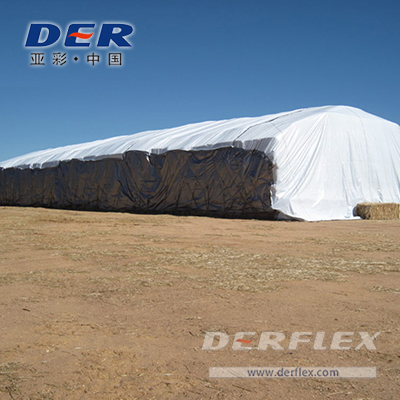
When a tarp is pulled too tightly over sharp corners, allowed to flap continuously in wind, or tied only at a few points, even a heavy sheet can fail early. For larger outdoor covers, the specification should include the anchoring method—not only the material thickness.
These questions reduce specification mismatch and help a supplier price the right structure instead of quoting a generic tarp that only matches the dimensions.
Construction material, hay, machinery, vehicle, roof, ground area, inventory or another asset? Surface shape and sharp edges affect reinforcement.
Days, months or repeated seasons? Longer exposure usually increases the importance of UV formulation, stable installation and maintenance.
Rain is only one factor. Wind whip, snow load, heat, freezing conditions and humidity can change the best tarp structure.
Rope, bungee, ratchet straps, hooks or frame attachment? The fastening method determines grommet spacing and edge load.
Confirm whether quoted dimensions are final finished dimensions after hemming and seam allowance.
Distributors should define grade naming, color range, barcode, cartons, bundle quantity and consistent repeat specifications.
If abrasion, repeated fastening or long outdoor service dominates the application, a heavier coated polyester tarp may be more economical over time.
DERFLEX can help buyers separate the jobs where PE is the practical choice from the jobs where a PVC-coated polyester tarp better matches the service demand.
You prioritize manageable weight, lower initial cost and versatile short-to-medium-term weather protection.
The cover will be handled repeatedly, exposed to more abrasion, welded into custom shapes or expected to remain in demanding service for longer periods.
DERFLEX approaches custom tarp purchasing as a repeatable specification process. That is useful for importers, distributors, contractors and brand owners who need the same construction across multiple shipments.
Confirm application, climate, exposure time, fastening and expected service cycle.
Select PE structure, thickness/weight direction, weave, color and UV requirement.
Define size, hems, rope edge, corner patches, grommets and spacing.
Check dimensions, handling, fastening details, color, packing and label presentation.
Confirm quantity split, cartons, pallets, shipping marks and repeat-order specification.
Commercial quality control should verify both the sheet construction and the finished details that carry load during use.
Check surface, weave, thickness/weight direction, color and visible defects against the approved sample.
Confirm finished-size tolerance after hems and seams, especially for fitted or repeat retail-size programs.
Inspect reinforced hems, corner patches, hardware position and spacing where fastening loads are concentrated.
Verify labels, barcodes, carton quantity, folded dimensions, shipping marks and pallet plan for wholesale orders.
The value for B2B buyers is not a stock-size shopping cart. It is the ability to turn a market requirement into a controlled specification and repeatable supply program.
DERFLEX can help compare PE poly tarp, PVC/vinyl tarp and other coated-fabric directions based on duty level instead of pushing one material into every use case.
Size, color, reinforcement, grommet spacing, corner structure, packaging and brand presentation can be defined around the buyer's channel and application.
For repeat orders, the focus shifts to consistent specification, market-ready packing and stable communication from sample approval through bulk production.
Use these six DERFLEX pages to compare heavier tarp structures, waterproofing, bulk supply and material selection before finalizing your purchase specification.
Short answers for importers, distributors, contractors and project buyers comparing polyethylene tarpaulin specifications.
A heavy duty poly tarp is generally made from woven polyethylene with a laminated or coated PE surface. The woven core supports tensile and tear performance, while the outer PE film provides weather and moisture protection.
Many market products use about 12 mil for heavy-duty grades and around 16–20 mil for higher-duty categories, but thickness should not be considered alone. Weave density, edge reinforcement, grommet design, UV exposure and installation method all influence actual service performance.
PE laminated tarps are designed to provide waterproof coverage. Finished performance still depends on seams, holes, punctures, tie-down damage and how water is allowed to drain from the installed tarp.
Custom finished dimensions, colors, reinforcement details, grommet spacing, packaging and OEM labeling can be discussed for project and bulk orders. Final availability depends on specification and order quantity.
Neither material is universally better. Poly tarp is typically lighter and more economical for temporary or seasonal protection. PVC/vinyl tarp is often more , suitable for repeated handling, abrasion, truck covers and longer-term industrial use.
Send finished sizes, quantities, target thickness or grade, application, outdoor exposure time, color, grommet spacing, reinforcement method, packaging, logo requirements and destination market. If you only have a sample, photos and a reference sample can also help define the target structure.
Send DERFLEX your size list, quantity, target grade, application, UV exposure, reinforcement, grommet spacing and packaging requirements. The team can help you define a practical quotation specification and compare PE with PVC/vinyl when the duty level requires it.