


 Factory-Oriented Synthetic Leather Supply
Synthetic Leather & Faux Leather Upholstery Material Supplier
DERFLEX supplies synthetic leather and faux leather upholstery material for furniture, hospitality seating, automotive interiors, marine upholstery, medical seating, wall panels, bags and OEM product programs.
Instead of offering one generic leather-look roll, DERFLEX helps buyers define the right surface chemistry, backing, thickness, grain, softness, color, roll packing and performance direction around the final product. The result is a more practical material path for manufacturers, importers, distributors and private-label upholstery brands.
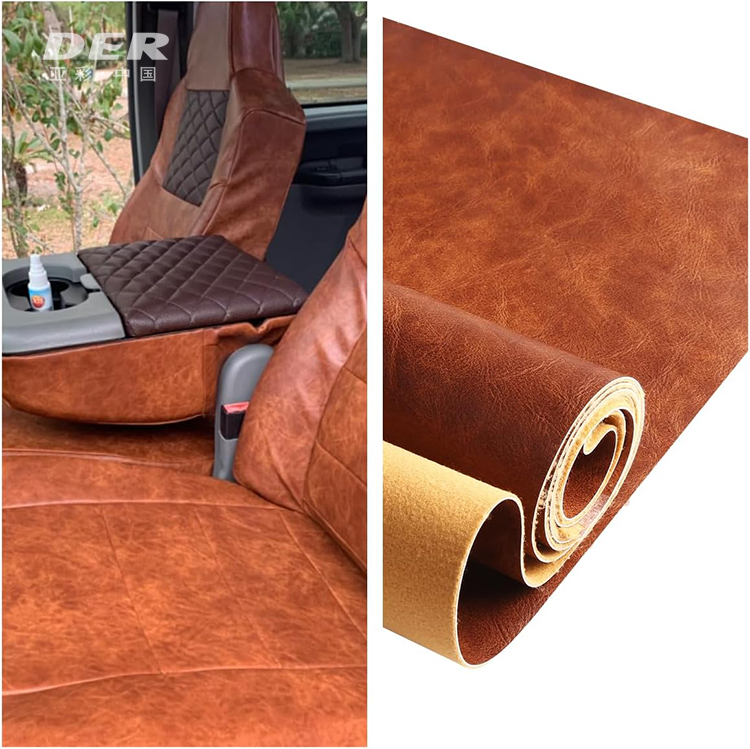
Why professional buyers search this keyword
Many sourcing teams start with “synthetic leather” or “faux leather upholstery material” because they need a leather-like surface that can be purchased in rolls, converted efficiently and repeated across production batches.
- Furniture buyers need appearance consistency and upholstery behavior.
- Hospitality projects need cleanability and replacement planning.
- Automotive and transport programs need controlled touch and color.
- OEM brands need custom surface identity and reliable repeat supply.
What Is Synthetic Leather Upholstery Material?
Synthetic leather upholstery material is an engineered leather-look material made by applying or laminating a polymer surface system onto a selected backing. In commercial language, it may be called faux leather, artificial leather, imitation leather, vinyl upholstery, PU leather, PVC leather, leatherette or synthetic upholstery leather.
For B2B purchasing, the name is only the starting point. A professional buyer also checks the surface layer, base cloth, total thickness, backing stability, grain definition, softness, color matching, cleanability, abrasion direction, humidity resistance, roll width, packing format and downstream processing behavior.
DERFLEX treats synthetic leather as a material system. This makes it easier to match one construction for sofa upholstery, another for automotive seat covers, another for restaurant booths, and another for bags or wall panels.
Faux Leather Material Directions for Upholstery and OEM Products
Top-ranking pages in this market focus on color, texture, easy care, indoor/outdoor use, wholesale supply and material types. This DERFLEX page goes deeper by connecting those buyer interests to manufacturing, specification and end-use selection.
PU Faux Leather
PU synthetic leather is often selected for sofas, cushions, bags, panels and interior products where a softer touch, refined grain and flexible handling are important. DERFLEX can discuss matte, semi-matte, smooth, pebbled, nubuck-like or custom embossed surfaces.
PVC Leather / Vinyl Upholstery
PVC leather and vinyl upholstery materials are commonly evaluated for contract seating, hospitality furniture, marine cushions, public seating and cost-controlled programs where easy cleaning, surface durability direction and broad color availability matter.
Silicone Leather Direction
Silicone leather can be considered for higher-visibility interiors, luxury upholstery, automotive seating and projects that ask for a more advanced surface story, lower odor direction, soft touch and enhanced cleanability pathway.
Embossed & Textured Leatherette
Grain pattern influences how the finished product is perceived. DERFLEX can discuss classic leather grain, lychee texture, smooth leather look, antique effect, carbon pattern, decorative embossing or brand-specific surface development.
Backing-Based Construction
Knitted, woven, nonwoven, polyester or microfiber-oriented backing directions affect stretching, drape, sewing, wrapping, quilting and upholstery behavior. Backing selection should be matched to the factory process and the finished product.
Custom Color & Roll Supply
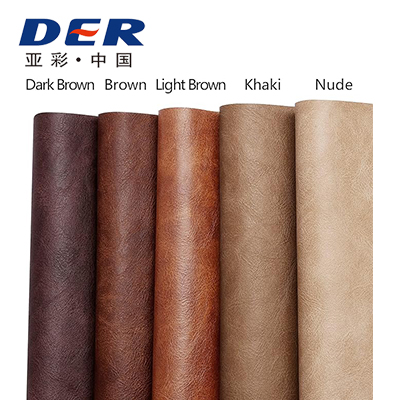
For brand collections and distributor programs, color consistency and roll-to-roll repeatability are often as important as initial sample appearance. DERFLEX supports sample matching, color direction, packing and long-term supply discussions.
Technical Details Buyers Should Confirm Before Ordering
A professional faux leather upholstery material supplier should help turn a visual sample into a clear purchasing specification.
| Specification Item | DERFLEX Supply Direction | Why It Matters for Buyers |
|---|---|---|
| Surface System | PU leather, PVC leather, silicone leather, hybrid faux leather or project-oriented coated surface. | Determines touch, cleanability, abrasion direction, cost logic and positioning. |
| Backing Options | Knitted fabric, woven fabric, polyester base, nonwoven, microfiber direction or custom support layer. | Affects seam behavior, dimensional stability, drape, stretching and upholstery fit. |
| Thickness & Weight | Customized according to furniture, automotive, hospitality, bag, panel or marine programs. | Influences hand feel, wrapping, perceived quality, sewing efficiency and product structure. |
| Embossing / Grain | Smooth, matte, pebbled, lychee, antique, leather grain, carbon, metallic direction or custom pattern. | Controls the visual identity of sofas, chairs, car seats, panels, bags and branded collections. |
| Color Matching | Standard shades, project shades, sample matching and repeat-order color direction. | Important for furniture lines, OEM programs, distributors and multi-batch production. |
| Performance Direction | Abrasion-aware, stain-resistant, anti-scratch, easy-clean, cold-flex, hydrolysis-aware, flame pathway or mildew-aware options depending on project needs. | Helps separate decorative material from seating material, marine material or commercial-use upholstery. |
| Conversion Compatibility | Cutting, sewing, wrapping, quilting, lamination, upholstery, panel covering and bag manufacturing support. | Reduces production adjustment, yield loss and approval delay at downstream factories. |
| Roll Packing | Bulk roll supply, label coordination, export packing, roll length planning and project documentation support. | Supports importers, distributors and OEM brands that need predictable warehouse and production handling. |
Where DERFLEX Faux Leather Upholstery Material Is Used
Different end uses require different synthetic leather structures. DERFLEX helps buyers select material by application, not only by color card.
Sofas, dining chairs, lounge chairs, recliners, headboards and home seating need a balanced combination of appearance, hand feel, seam behavior and repeatable production.
Restaurant booths, hotel furniture, bar seating, public waiting areas and commercial interiors often need easy cleaning, durable surface direction and replacement planning.
Seat covers, door panels, armrests, headrests, trims and transport seating require controlled touch, color stability, processing behavior and application-specific surface planning.
Boat cushions, yacht interiors, caravan upholstery and leisure seating may require water-resistance direction, mildew awareness, easy cleaning and proper sample testing.
Clinic chairs, massage tables, wellness beds and gym equipment usually focus on cleanability, surface consistency and practical maintenance in frequent-use environments.
Handbags, luggage, decorative panels, retail displays and private-label products require custom grain, color depth, fold behavior, backing and brand-specific surface identity.
How to Choose a Faux Leather Upholstery Material Supplier
Online fabric stores often make it easy to browse colors and textures. For commercial procurement, the decision goes further. Buyers need a supplier that can explain material construction, support sampling, control repeat-order quality, and recommend the right surface and backing for the real application.
Why Source Synthetic Leather from DERFLEX?
DERFLEX is positioned for B2B buyers who need more than a simple catalog material. We support synthetic leather sourcing with material family coverage, application-based recommendation and custom development for manufacturing programs.
Buyers can discuss PU leather, PVC leather, silicone leather, custom faux leather fabric, upholstery PU leather, automotive upholstery materials, decorative panel materials and OEM roll supply with one material-focused team.
This approach is especially useful for distributors, importers, furniture factories, upholstery suppliers, automotive interior teams, hospitality project buyers and product brands that need repeatable supply and controlled specifications.
From Inquiry to Bulk Roll Supply
A clear process helps reduce unnecessary sampling rounds and makes the quotation more accurate.
Send Application
Share product type, usage environment, target market, photos or existing sample reference.
Define Specification
Confirm surface type, backing, thickness, color, grain, finish and performance direction.
Review Samples
Check appearance, hand feel, cutting, sewing, upholstery behavior and internal testing needs.
Plan Supply
Discuss roll width, packing, labels, production schedule, delivery terms and repeat-order control.
Retail Fabric Selection vs Factory Material Supply
This comparison helps B2B buyers understand why a factory-oriented faux leather upholstery material page should go beyond color browsing.
Online Fabric Retailer
- Convenient color and texture browsing
- Useful for small projects and by-the-yard orders
- Limited custom structure control
- Less focus on OEM repeat production
Generic Wholesale Offer
- May provide attractive pricing or stocked options
- Often describes material in broad terms
- Specifications may not be application-specific
- Buyer must verify consistency and packing details
DERFLEX Supply Approach
- Material selection based on end use
- PU, PVC, silicone and custom directions
- Color, grain, backing and thickness discussion
- Bulk roll supply for B2B and OEM programs
Related DERFLEX Pages for Synthetic Leather Buyers
Use these related pages to compare material families, upholstery directions and adjacent OEM material options.
Need Custom Faux Leather Upholstery Material?
Send DERFLEX your application, current sample, target color, grain texture, thickness, backing type, quantity, packing requirement and performance expectations. We will help recommend a suitable synthetic leather material direction for sampling and bulk roll supply.
Questions About Synthetic Leather and Faux Leather Upholstery Material
Practical answers for importers, furniture factories, upholstery distributors, automotive interior suppliers and OEM buyers.
What is the difference between synthetic leather and faux leather?
In many sourcing conversations, synthetic leather and faux leather are used as overlapping terms. Both describe man-made leather-look materials. Synthetic leather is often used as a broader technical category, while faux leather is often used in upholstery, furniture and consumer product markets. The exact material may be PU, PVC, silicone, microfiber-based or another coated construction.
Is faux leather suitable for upholstery?
Yes, faux leather is widely used for sofas, chairs, headboards, restaurant booths, office seating, hotel furniture and wall panels. The correct grade should be selected according to abrasion, cleaning, hand feel, backing, humidity, flame pathway and actual use conditions.
Which is better for upholstery, PU leather or PVC leather?
PU leather is often chosen for softer hand feel and refined appearance, while PVC leather is often considered for easy cleaning, cost control and durable commercial-use direction. The better choice depends on product type, target market, budget and performance requirement.
Can DERFLEX customize faux leather color, grain and backing?
Yes. DERFLEX can discuss custom color, surface grain, embossing, gloss level, hand feel, thickness, backing, roll width, packing and project-specific performance direction according to the buyer’s sample or specification.
What information should I provide for a quotation?
Please provide application, target color, surface texture, desired thickness, backing type, roll width, order quantity, destination, performance requirements, photos or reference samples. This helps DERFLEX recommend a more suitable material structure and quotation path.
Can synthetic leather be used for automotive interiors?
Yes. Synthetic leather materials are commonly used for car seats, seat covers, door panels, armrests, headrests and trim components. Automotive projects should confirm appearance, hand feel, abrasion, temperature behavior, color stability and processing compatibility through samples and testing.
Does faux leather peel or crack?
Low-grade faux leather can peel or crack if the coating, backing, formulation or application choice is not suitable. Buyers should confirm the intended use, material family, finish quality, flexing behavior, cleaning method and environmental requirements before bulk approval.
Does DERFLEX support wholesale and OEM roll supply?
Yes. DERFLEX supports B2B roll supply for manufacturers, distributors, importers and OEM programs. Custom development, label discussion, export packing and repeat-order planning can be discussed according to project requirements.