


 Farm Cover Material Guide
Best Tarp for Agriculture and Farm Use
The practical choice is not one universal tarp. Farms need different cover structures for hay, silage, grain, soil preparation, machinery, greenhouse areas and livestock shelters. DERFLEX helps agricultural distributors, farms, contractors and OEM brands match PVC, PE, mesh or specialty tarpaulin materials to real field conditions.
Quick Selection Answer
For repeated outdoor farm use, start with the value of what you protect and the way the tarp will be handled.
- Heavy duty storage: PVC coated polyester tarpaulin with welded seams and reinforced edges.
- Seasonal crop cover: UV-stabilized PE agricultural tarp for economical coverage.
- Greenhouse and shade: mesh, translucent or specialty farm cover materials for airflow and light control.
- Bulk supply: roll goods, finished tarps, private-label packaging and repeated-size programs.
“Best” Means Fit for the Farm Task
A tarp that works well over a hay stack may not be the right choice for a greenhouse tunnel, compost pile, irrigation pond edge or grain trailer. A farm cover should be selected by moisture risk, UV exposure, wind load, handling frequency, fastening method and expected service period.
How to Choose a Farm Tarp Without Overbuying or Underprotecting
Many buyers search for the best tarp for agriculture because they have already seen thin covers fail: torn corners, loose grommets, water pooling, brittle plastic, mildew, crop contamination or difficult installation. A better procurement approach is to define the use first, then select the material.
DERFLEX supplies agricultural tarp material and finished farm covers for B2B buyers who need stable specifications, custom dimensions, export-ready packaging and repeatable production. The goal is to make the tarp easier to install, more suitable for local climate and more practical for repeated seasonal use.
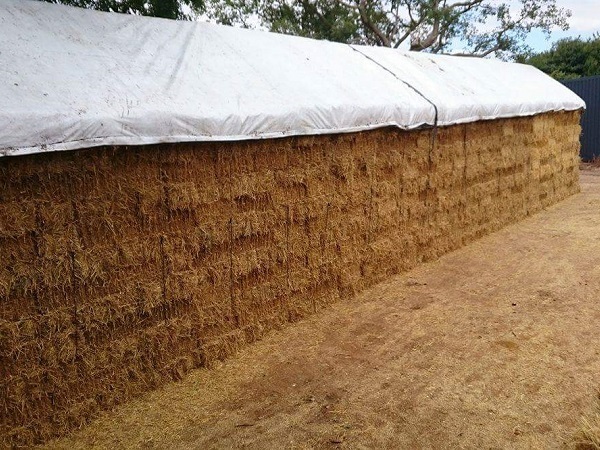
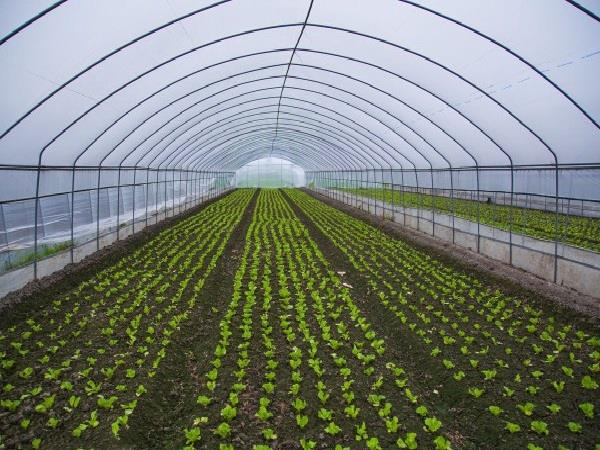 Greenhouse & Crop Area
Light, shade and airflow matter. DERFLEX can recommend mesh, translucent or coated cover options for nursery zones, vegetable beds and protected growing areas where ventilation and UV exposure must be balanced.
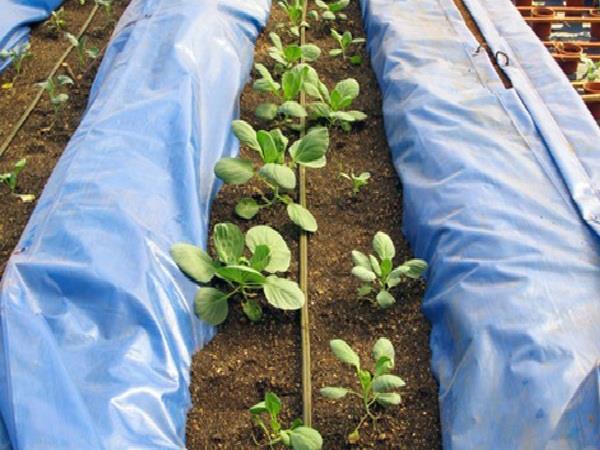 Field Crop Protection
For seasonal field work, PE or lighter PVC tarps help cover crop rows, harvested piles, fertilizer bags and temporary storage points. Custom width and color options make farm operations easier to organize.
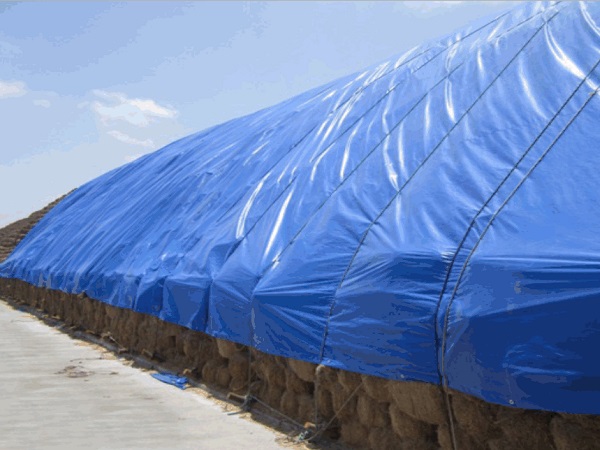 Waterproof Farm Cover
For rain and outdoor storage, waterproof PVC coated fabric with welded seams, reinforced hems and eyelets is suitable for hay, feed, machinery and farm materials that need repeatable protection.
Agricultural Tarpaulin Built Around Real Farm Exposure
DERFLEX agricultural tarp solutions are available for hay covers, silage sheets, crop piles, greenhouse areas, livestock shelters, pond lining, machinery storage and farm distribution programs. Buyers can choose PVC coated polyester fabric for demanding outdoor covers, PE agricultural tarpaulin for economical seasonal use, and other material directions when airflow, shade or light transmission is required.
Instead of only offering standard retail sizes, DERFLEX supports material roll supply, fabricated tarps, reinforced edges, eyelets, rope hems, webbing, welding, custom colors, printing, labels and packaging for agricultural distributors and OEM tarp brands.
Where Agriculture Tarps Need to Perform
Different farm uses create different stress points. A good tarp program considers water, sunlight, wind, abrasion, crop value and how often the cover is moved.
Hay, Straw & Feed Storage
Keep rain, dust and direct sunlight away from bale stacks, feed storage areas and temporary outdoor storage. Reinforced edges and secure tie-down points matter in windy areas.
Silage Bunkers & Pits
Large-format waterproof and UV-stabilized covers help reduce exposure to rain, sunlight and air. Custom sizing helps cover pits and trenches more efficiently.
Crop Piles & Harvest Handling
Use farm tarps to cover temporary crop piles, grains, vegetables, compost and field supplies during harvest, loading, drying or short-term storage.
Farm Equipment Covers
Machinery, trailers, pumps, irrigation components and tools may need stronger PVC coated covers with abrasion resistance and stable fastening.
Greenhouse & Shade Areas
Greenhouse covering, shade control, nursery protection and livestock shade may require translucent, mesh or shade-specific fabric rather than a fully opaque tarp.
Soil, Weed & Compost Uses
Farmers may use tarping for soil preparation, weed suppression, compost coverage and work-zone protection. Material selection should match contact with soil and repeated dragging.
Farm Tarp Material Guide by Use Case
This table gives a practical starting point for agricultural buyers. Final specifications should be confirmed according to climate, installation design, handling frequency and local regulations.
| Farm Use | Recommended Direction | Useful Options | Buyer Notes |
|---|---|---|---|
| Hay & straw bale cover | PVC coated polyester tarp or heavy-duty PE farm tarp | UV treatment, waterproof coating, reinforced hem, eyelets, rope edge, welded panels | Choose heavier structure when the tarp is reused, pulled often or exposed to strong wind. |
| Silage pit or bunker cover | UV-stabilized PE silage tarp or heavy-duty laminated agricultural tarp | Large width, black/white color direction, moisture resistance, custom roll length | Cover size, overlap and anchoring design are important for air and water control. |
| Farm machinery storage | Heavy-duty PVC coated polyester tarpaulin | 650–900gsm direction, abrasion resistance, webbing, rust-resistant eyelets, welded seams | Use stronger cover design around sharp equipment corners and repeated tie-down points. |
| Crop and grain temporary cover | Reinforced PE tarp or lighter PVC tarp depending on crop value | Color coding, UV stabilization, water resistance, reinforced edge | For temporary seasonal coverage, PE may be more economical; for repeated use, PVC can be considered. |
| Greenhouse, nursery and shade | Mesh, translucent or specialty greenhouse material | Light transmission, airflow, shade rate, anti-UV, easy fastening | Do not choose only by waterproofing; crop environment and ventilation are also important. |
| Farm distribution / OEM program | Roll goods, semi-finished panels or finished custom tarps | Custom GSM, color, width, size, packaging, label, barcode, private branding | Stable repeated specifications help importers, farm supply stores and agricultural brands build product lines. |
What Makes a Farm Tarp More Reliable Outdoors?
Agricultural covers fail most often at edges, corners, seams and tie-down points. DERFLEX can support specification planning before bulk orders.
Base Fabric Strength
High-strength polyester base fabric helps PVC tarps resist tearing, pulling and repeated handling around machinery, bale stacks and storage yards.
Coating & Waterproofing
The coating, lamination or surface treatment should match rain exposure, cleaning needs, mildew risk, cold flexibility and expected outdoor duration.
UV Stabilization
Open-field sunlight can age a tarp quickly. UV-stabilized material direction is important for hay yards, silage areas, greenhouses and outdoor machinery.
Seam Method
Hot-air welding, high-frequency welding or sewing should be selected according to material type and waterproof requirement.
Edge Reinforcement
Rope hems, webbing, reinforced corners, grommet spacing and extra patches reduce failure around tie-down points.
Packaging for Distribution
OEM packaging, labels, folded size, roll length and pallet plans help agricultural distributors sell and store farm tarp products more efficiently.
For Farms, Contractors, Importers and Agricultural Supply Brands
Retail tarp pages often focus on individual sizes. DERFLEX is structured for buyers who need application matching, repeatable production and custom supply.
Ordinary Retail Farm Tarp Buying
- Limited to available sizes and stock colors.
- Material grade is often selected by price or thickness only.
- Custom edge design, private label and bulk packaging may be limited.
- Specification repeatability can change with seasonal inventory.
- Less suitable for distributors building a long-term farm tarp product line.
DERFLEX Agricultural Tarp Program
- Material selection by farm use, climate, handling method and budget.
- PVC, PE, laminated, coated, mesh or specialty material direction available.
- Custom GSM, width, finished size, color, eyelets, hems, webbing and welding.
- Roll goods and finished tarp formats for converters, importers and OEM programs.
- Packaging, label and repeated-size programs for agricultural distribution channels.
Information to Prepare Before Requesting a Quote
The more specific your use case is, the easier it is to recommend a practical tarp structure and avoid unnecessary cost.
Define the protected item
Hay, silage, crops, greenhouse, machinery, livestock shelter, pond area or general farm storage.
Confirm exposure
Sunlight level, rainfall, wind, soil contact, abrasion, cold temperature, mildew risk and cleaning frequency.
Choose format
Roll material for converters, semi-finished panels, or finished tarps with eyelets, hems and reinforced corners.
Plan packaging
Bulk roll packing, folded finished tarps, private label, barcode, color coding or distributor carton design.
Farm Tarp Use Tips That Reduce Early Damage
Even a suitable material can fail early when installed incorrectly. These practical details help improve field performance.
Avoid Water Pooling
Install the tarp with slope where possible. Standing water adds weight and can stretch seams, eyelets and edge reinforcement.
Protect Sharp Corners
Cover equipment corners, bale edges or metal frames with padding before pulling the tarp tight.
Use Enough Tie-Down Points
Do not rely on a few grommets in windy areas. More fastening points spread load and reduce corner tearing.
Clean Before Storage
Remove mud, manure, crop residue and chemicals before folding or rolling the tarp for seasonal storage.
Dry Before Folding
Allow the tarp to dry when practical to reduce mildew risk, odor and surface staining during storage.
Repair Small Damage Early
Small punctures or edge cuts should be repaired before they expand under pulling, wind or repeated handling.
Helpful Internal Links for Agricultural Tarp Buyers
Use these pages to compare material structures, supply formats and performance options before confirming your specification.
Heavy duty PVC farm tarp direction for crop, hay, greenhouse, pond and equipment protection.
Application-focused farm cover guidance for hay, crops, livestock areas and machinery storage.
Economical waterproof farm tarp material for seasonal crop, soil, hay and silage coverage.
Material foundation for stronger waterproof covers, welded tarp products and industrial applications.
Compare roll material and finished tarp supply formats for fabricators and distributors.
Outdoor-grade tarp material direction for sunlight exposure, agriculture, trucks and industrial covers.
Build an Agriculture Tarp Program That Fits Your Market
Tell DERFLEX what you need to protect, where the tarp will be used, how it will be fastened and whether you need roll material, finished covers or private-label supply. Our team can help you choose a practical farm tarp specification for quotation.
Questions About Agriculture and Farm Tarps
These answers help farms, importers and agricultural supply brands choose tarp specifications more efficiently.
What is the best tarp for agriculture and farm use?
The suitable tarp depends on the application. PVC coated polyester tarpaulin is often used for repeated outdoor storage and machinery protection. PE agricultural tarp is often selected for economical seasonal crop, hay and silage coverage. Mesh, translucent or specialty materials may be better for greenhouse, shade and airflow control.
Is PVC or PE better for farm tarps?
PVC tarpaulin is usually selected when buyers need stronger tear resistance, better welding performance, reinforced fabrication and repeated outdoor use. PE tarpaulin is often more economical for seasonal or temporary agricultural coverage. The right choice depends on use period, crop value, handling and budget.
Can DERFLEX supply custom size farm tarps?
Yes. DERFLEX can support custom finished sizes, roll widths, reinforced edges, eyelets, webbing, rope hems, welding, colors, labels and packaging for farm tarp programs.
What GSM should I choose for a heavy duty agricultural tarp?
For demanding outdoor covers such as hay storage or machinery protection, buyers often evaluate heavier PVC coated polyester tarp directions. For temporary crop and feed covers, lighter PE or laminated structures may be enough. DERFLEX can recommend a GSM direction after reviewing the application and installation method.
Are agriculture tarps waterproof?
Many PVC and PE agricultural tarpaulins are designed for waterproof coverage. Final performance also depends on seam method, installation slope, edge construction, overlap and how the tarp is fastened in the field.
Can a farm tarp be used for silage?
Yes, farm tarps can be used for silage pits, bunkers and feed storage areas when the material is selected for moisture resistance, UV exposure, large-size coverage and proper anchoring.
Do you provide roll material or finished farm covers?
DERFLEX can supply roll goods for converters and fabricators, as well as finished agricultural tarps with customized fabrication details for farms, distributors and OEM tarp brands.
How do I request a farm tarp quotation?
Prepare the application, size, material preference, exposure environment, fastening method, quantity, packaging requirement and destination market. Then submit the information through the DERFLEX Request A Quote page.