


 Industrial Tarp Selection Guide
How to Choose the Right Tarp for Industrial, Trucking & Outdoor Protection
Choosing a tarp is not only about picking a size from a catalog. For B2B buyers, the right tarp must match the load, weather exposure, installation method, required service life, and fabric construction. DERFLEX helps importers, distributors, truck body builders, agricultural suppliers and project contractors specify PVC coated polyester tarps, heavy duty covers and custom tarpaulin solutions for real working conditions.
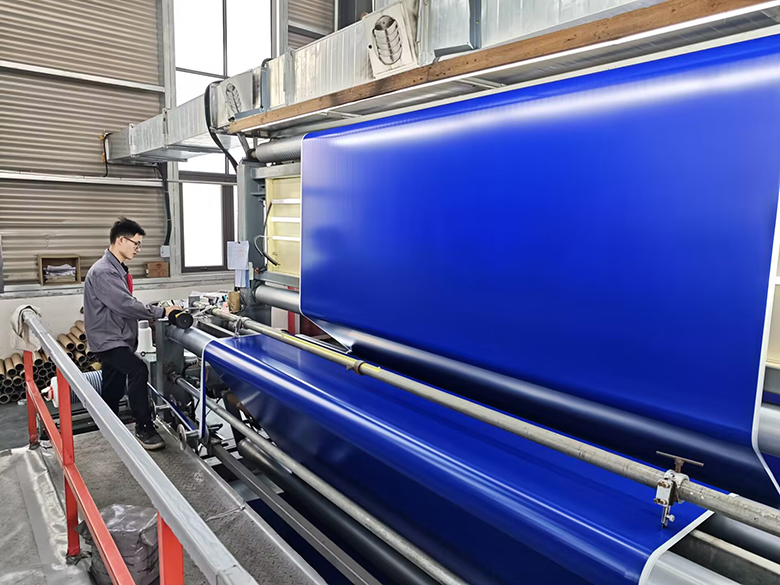
The right tarp is chosen by application first, material second
Many buyers begin by asking for a “waterproof tarp” or a “heavy duty tarp”, but these terms are only useful when connected to a specific use. A tarp for covering hay stacks does not need the same structure as a flatbed truck tarp, and a shade mesh tarp will not perform like a full waterproof PVC tarpaulin.
A practical selection process should begin with five questions: what will be covered, how long it will stay outdoors, how it will be fixed, whether airflow is needed, and what type of wear will occur during use.
For industrial purchasing, avoid choosing by price alone
Low-cost temporary covers may work for short exposure, but commercial users often need stronger tear resistance, UV stability, reinforced hems and accurate custom sizing. DERFLEX focuses on application-based selection so buyers can specify tarps that fit both performance and budget expectations.
- Define the working environment before confirming material.
- Choose finished size, not only cut size.
- Match eyelet spacing and webbing to wind load and tension points.
- Ask for OEM details early if you need private-label supply.
How to choose the right tarp in 8 practical steps
Use this framework when comparing tarp suppliers, confirming specifications, or preparing a request for quotation.
Define the job
Truck load protection, construction covering, agriculture storage, outdoor equipment protection and temporary roofing all require different tarp logic.
Check exposure time
A tarp used for one week has different requirements than a cover exposed to UV, rain, wind and temperature changes for months.
Select material
Choose PVC coated polyester, polyethylene, canvas or mesh according to waterproofing, strength, airflow, flexibility and maintenance needs.
Confirm weight
For industrial tarps, GSM, base fabric strength, coating thickness and tear resistance matter more than a simple “thick or thin” description.
Measure finished size
Allow overhang for securing, water runoff and tension. For custom tarps, provide final required size and attachment points clearly.
Choose reinforcement
Reinforced hems, welded edges, webbing, corner patches and eyelet spacing help reduce tearing at stress points.
Match fixing method
Ropes, bungee cords, straps, hooks, tracks and rolling systems need different grommet spacing and edge construction.
Plan supplier support
For repeat purchasing, choose a manufacturer that can support consistent color, fabric weight, packaging and OEM documentation.
Which tarp material should you choose?
The material determines waterproofing, breathability, handling weight, UV performance, tear resistance and how the tarp behaves under tension.
PVC Coated Polyester Tarp
For heavy duty and long-term commercial usePVC coated polyester is a strong choice for industrial tarps, truck covers, machinery covers and outdoor storage because it combines a woven polyester base fabric with a waterproof PVC coating.
PE / Poly Tarp
For short-term or budget-sensitive coveragePoly tarps are lightweight and convenient for temporary protection, general outdoor cover, short-term storage and emergency use. They are practical when frequent replacement is acceptable.
Canvas Tarp
For breathable protection where condensation mattersCanvas tarps are often selected when breathability and abrasion resistance are important. They may be suitable for tools, machinery or goods that should not be sealed under a non-breathable cover.
Mesh Tarp
For shade, airflow and debris controlMesh tarps are used when ventilation, partial shade or wind pass-through is needed. They are suitable for shade structures, privacy screens, dump truck mesh and agricultural shading.
Tarp selection by application
This table helps buyers translate real use conditions into a clearer tarp specification before requesting a quotation.
| Application | Recommended tarp direction | Key specification points | Buyer notes |
|---|---|---|---|
| Flatbed truck / trailer cargo | PVC coated polyester or heavy duty vinyl tarp | High tear strength, waterproof coating, welded hems, reinforced corners, webbing, rust-resistant eyelets | Measure load height and tie-down points. Consider truck tarpaulin structure for frequent road use. |
| Construction site covering | Heavy duty PVC tarp or reinforced poly tarp | Water resistance, UV resistance, abrasion resistance, optional flame-retardant treatment where required | Choose heavier construction when the tarp will touch scaffolding, steel, concrete or sharp edges. |
| Agriculture and hay protection | UV-stabilized waterproof tarpaulin | Outdoor durability, water runoff, wind fixing, large custom size, reinforced perimeter | For farming projects, see customized agriculture tarpaulin options. |
| Machinery and equipment storage | PVC coated tarp or breathable cover depending on condensation risk | Waterproofing, abrasion resistance, custom shape, zipper or Velcro options, logo printing | Provide equipment dimensions, exhaust/heat concern, access points and outdoor exposure duration. |
| Shade, privacy or ventilation | Mesh tarp or shade fabric | Shade rate, mesh density, airflow, edge reinforcement, color and installation method | Mesh is selected for airflow; it should not be specified when full waterproofing is required. |
| Tent, shelter and outdoor structure | PVC coated fabric or tent tarpaulin | Waterproof coating, UV resistance, tensile strength, flame-retardant option, weldability | For larger shelters, review tent tarpaulin material selection. |
DERFLEX helps buyers choose tarps for real working conditions
Instead of selling one generic tarp for every use, DERFLEX can discuss material structure, processing details and custom requirements according to the application.
Transport & logistics
Truck tarps, trailer covers, roll tarps and cargo covers need waterproof protection, edge strength and repeated folding performance.
Construction & infrastructure
Site tarps protect materials, scaffolding zones, temporary roofing areas and equipment from dust, rain, wind and sun exposure.
Agriculture & outdoor storage
Agricultural tarpaulins help cover hay, silage, machinery, grain, wood and farm supplies where large sizes and UV resistance matter.
Industrial equipment covers
Custom machinery covers can include shaped cutting, welded seams, reinforced corners and access openings for regular operation.
Temporary shelters & tents
PVC coated fabrics can support tents, temporary warehouses, awnings and large outdoor covers with custom color and width options.
OEM and private label supply
Importers and distributors can request custom logo printing, packaging, color matching, product labeling and repeat-order consistency.
How to measure and specify a custom tarp
A tarp that is too small leaves gaps; a tarp that is too large may flap, collect water or place stress on eyelets. For custom orders, DERFLEX recommends providing the final use size, preferred overhang, attachment system and any special edge detail.
- Measure the object or area: length, width, height and irregular shapes.
- Add useful overhang: enough for tie-down without creating excessive loose fabric.
- Confirm finished size: clarify whether the quotation is based on cut size or finished size.
- Mark stress points: corners, hooks, frame contact areas and lifting points may need extra patches.
- Select edge treatment: welded hem, sewn hem, reinforced webbing, rope-in-hem or pocket design.
- Choose accessories: grommets, D-rings, straps, Velcro, zipper, buckles or printing.
Recommended RFQ information
- Application: truck, construction, agriculture, equipment, shade, storage or shelter.
- Material preference: PVC coated polyester, PE, canvas, mesh or open to recommendation.
- Weight / thickness: target GSM, fabric thickness, base fabric requirement or sample reference.
- Finished size: length × width, tolerance and quantity per size.
- Edge details: hem width, webbing, eyelet spacing, corner reinforcement and seam method.
- Visual details: color, logo printing, label, packing and carton requirements.
- Destination: port, country, order quantity and expected shipment schedule.
Why choose DERFLEX for custom tarp projects?
DERFLEX is suitable for buyers who need factory-level material discussion, stable repeat supply and customization instead of only standard retail sizes.
When a standard retail tarp may be enough
- Short-term use with low weather exposure.
- Simple home, garden or temporary protection.
- No special size, color, logo or packaging requirement.
- Replacement cost is more important than long-term consistency.
- Small quantity and fast local purchase are the main priority.
Typical buying logic for this situation
A standard retail tarp is usually selected when the job is temporary, the size tolerance is not strict, and the buyer can accept limited material options. It is a practical choice for light-duty coverage, but it is not designed for repeated fleet use, industrial tension points or brand-controlled supply programs.
When DERFLEX manufacturing support is a better fit
- You need PVC coated polyester tarpaulin fabric or finished tarps in bulk.
- The tarp must match trucks, equipment, farms, tents or industrial projects.
- You require custom size, welded seams, reinforced edges or OEM packaging.
- Color, weight, coating, width and repeat-order consistency are important.
- You want supplier communication based on specification, samples and application details.
Continue your tarp material selection
These related pages help buyers compare industrial tarp options, PVC coated fabric structures and application-specific tarpaulin solutions.
Frequently asked questions about choosing the right tarp
These answers are written for importers, distributors, project buyers and industrial users preparing tarp specifications.
How do I choose the right tarp material?
Start with the application and exposure. PVC coated polyester is often selected for heavy duty waterproof industrial use, poly tarp for temporary general coverage, canvas for breathable protection, and mesh tarp for shade or airflow. The final choice should also consider size, fixing method, tear strength and expected service conditions.
What tarp is suitable for long-term outdoor use?
For long-term outdoor use, buyers usually need UV resistance, waterproof coating, reinforced hems and stronger base fabric. PVC coated polyester tarps are commonly specified for trucks, construction, outdoor storage and industrial covers where repeated use and exposure are expected.
Should I choose a heavier tarp?
A heavier tarp can provide better resistance to tearing and movement in demanding use, but it is also harder to handle. For industrial projects, GSM, base fabric strength, coating quality, reinforcement and installation method should be evaluated together rather than using weight alone.
How much overhang should a tarp have?
The overhang depends on the object shape and tie-down method. A practical tarp should cover the target area completely while leaving enough material for secure fixing and water runoff. For custom tarps, provide drawings or dimensions so the finished size can be confirmed before production.
What edge reinforcement should I request?
Common options include welded hems, sewn hems, reinforced webbing, corner patches, rope-in-hem, D-rings and eyelets. The right choice depends on wind load, fixing points, tarp weight and how frequently the tarp will be installed or removed.
Can DERFLEX make custom size tarps?
Yes. DERFLEX can discuss custom tarp requirements including fabric weight, color, finished size, welding, eyelets, webbing, reinforcement, printing, packaging and OEM supply details according to buyer specifications.
What information should I send for a tarp quotation?
Please provide the application, material preference, target size, quantity, color, reinforcement details, eyelet spacing, logo or packaging needs and destination port. Photos, drawings or a sample reference can help DERFLEX recommend a more accurate structure.
Need help choosing a tarp for your project?
Send DERFLEX your application, size, quantity, material preference and destination. Our team can help you compare tarp materials, confirm specification details and prepare a quotation for custom tarpaulin or PVC coated fabric supply.