


 Tarp Care & Material Selection Guide
How to Clean and Store a Tarp Properly
A practical guide for keeping PVC tarps, vinyl tarps, poly tarps and industrial covers ready for repeated outdoor use.
Cleaning and storage are not only household care steps. For distributors, contractors, fleet operators, agricultural users and tarp converters, correct tarp maintenance helps preserve waterproof performance, reduce avoidable damage and make each cover easier to reuse.
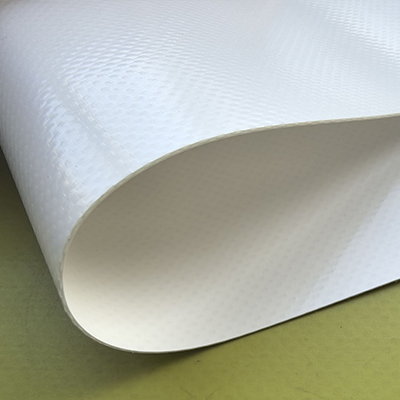
A tarp often fails early because of dirt, moisture, sharp folds and ignored small damage.
A good tarp material matters, but daily handling matters too. Mud, salt, chemicals, trapped water and rough storage can stress coatings, seams, hems and grommets long before the fabric reaches its normal use limit.
Protect Waterproofing
Rinsing away dirt and residue helps maintain the coated surface and reduces abrasion when the tarp is folded, rolled or pulled across cargo.
Prevent Damp Storage Problems
Even waterproof tarps can hold moisture around seams, hems, pockets and reinforced corners. Drying before storage reduces odor, mildew risk and coating stress.
Find Repairs Earlier
Cleaning gives users a chance to inspect punctures, loose eyelets, cracked folds, worn webbing and small tears before they become expensive failures.
Product Image Display: DERFLEX PVC Coated Tarp Material
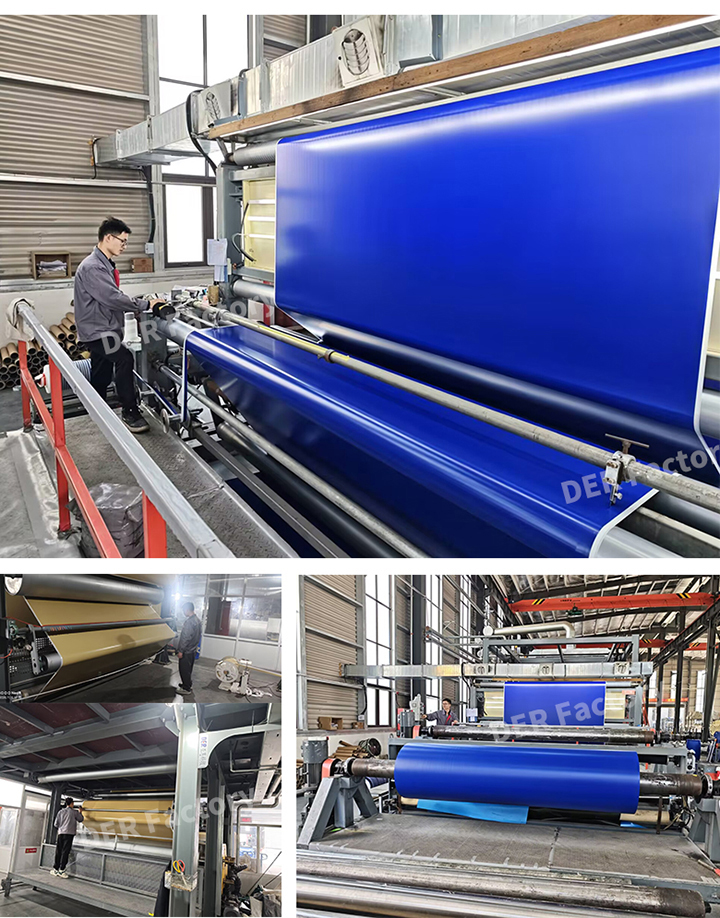
DERFLEX supplies PVC coated polyester tarpaulin fabric for truck covers, construction tarps, agricultural covers, equipment protection and OEM tarp programs. Smooth coated surfaces, reinforced base fabric and specification control support easier cleaning and practical reuse.
How to clean a tarp without damaging the coating, fibers or reinforced edges.
The safest method is simple: remove debris, wash gently, rinse fully and dry completely. The process below works for many PVC and vinyl tarp applications; always adjust for the actual material and contamination type.
Choose a smooth cleaning area
Lay the tarp flat on concrete, clean flooring, grass matting or another surface without nails, stones or sharp debris underneath.
Remove loose dirt first
Shake, sweep or gently brush away sand, leaves, gravel and dried mud before adding water. This prevents particles from scratching the coating.
Rinse before scrubbing
Use clean water from a hose or bucket to loosen dust, mud and salt. Avoid aggressive pressure that can stress seams and grommets.
Wash with mild soap
Use mild soap or pH-neutral cleaner with cool or lukewarm water. A soft sponge, microfiber mop or soft-bristle brush is suitable for most tarp surfaces.
Pay attention to hems and grommets
Dirt often collects around folded hems, webbing, D-rings, eyelets and reinforced corners. Clean these areas carefully without pulling hardware out of shape.
Rinse until residue is gone
Soap left on the surface can attract dust and may affect handling. Rinse both sides when the tarp has been exposed to mud, fertilizer, road spray or construction dust.
Air dry fully
Hang the tarp evenly or lay it flat in a ventilated area. Do not fold, roll, pack or stack it while damp, especially at seams or reinforced edges.
Inspect before storage
Check for cuts, cracked coating, loose stitching, damaged welds or failing grommets. Repair small issues before the tarp goes back into a vehicle, warehouse or seasonal storage.
Different tarp materials need different care habits.
A PVC truck tarp, a mesh windscreen and a breathable canvas cover may all be called “tarps,” but their cleaning and storage priorities are not the same.
- PVC and vinyl tarps: focus on coated-surface protection and dry storage.
- Mesh tarps: remove lodged debris and allow airflow during drying.
- Canvas tarps: avoid trapping moisture; airflow is important.
- Clear vinyl tarps: clean gently to reduce scratching and clouding.
| Tarp Type | Cleaning Method | Storage Advice | Typical Buyer Use |
|---|---|---|---|
| PVC / Vinyl Tarp | Mild soap, soft brush or sponge, full rinse. | Dry completely, roll or fold neatly, keep away from sharp tools and direct sunlight. | Truck covers, construction covers, industrial outdoor storage. |
| PE / Poly Tarp | Light rinse and soft wiping; avoid excessive pulling on eyelets. | Store dry and avoid crushing thin folded areas for long periods. | Temporary covers, seasonal protection, light outdoor use. |
| Mesh Tarp | Rinse through the mesh and remove trapped leaves, dust and grit. | Dry with airflow; avoid storing with wet organic debris trapped in the mesh. | Shade, wind relief, privacy, waste transport and airflow covers. |
| Canvas Tarp | Brush off dry dirt first; use mild cleaning as material treatment allows. | Store only when fully dry in a breathable environment. | Breathable equipment covers, industrial covers and utility use. |
| Clear Vinyl Tarp | Use a soft cloth or sponge; avoid abrasive pads and harsh chemicals. | Store clean, dry and protected from sharp creases or hard objects. | Patio enclosures, transparent curtains and visibility covers. |
How to store a tarp properly after cleaning.
Correct storage is a low-cost maintenance step. It protects the tarp from moisture, unnecessary UV exposure, rodents, chemical contact, sharp tools and avoidable creasing.
Small cleaning errors can shorten tarp service life.
The goal is to clean the tarp without stripping coatings, weakening seams or creating moisture traps.
- Do not use bleach, strong solvents, petroleum-based cleaners or abrasive pads unless the material supplier confirms compatibility.
- Do not use high-pressure washing on seams, hems, grommets or repaired areas.
- Do not machine wash heavy PVC or vinyl tarps.
- Do not pack a tarp while damp, even if the surface looks mostly dry.
- Do not drag coated tarps across concrete, gravel, steel corners or rough cargo edges.
- Do not over-tighten tie-downs, because concentrated stress can pull grommets and tear reinforced corners.
Cleaning frequency should match the way the tarp is used.
A tarp used once a month for dry storage does not need the same schedule as a truck tarp exposed daily to road spray, cargo dust and tie-down stress.
Truck & Trailer Tarps
Rinse road salt, dust and cargo residue regularly. Inspect grommets, D-rings, welded seams and edge webbing before long routes.
Construction Tarps
Remove concrete dust, metal debris and mud before storage. Use padding when the tarp touches scaffolding, steel or rough edges.
Agriculture Tarps
Clean organic residue and allow complete drying before seasonal storage. Avoid storing damp covers with hay, soil or crop debris attached.
Equipment Covers
Keep the underside clean when covering machinery. Trapped grit may scratch equipment and tarp coating during wind movement.
Warehouse & Yard Storage
Use racks or pallets for stored tarps. Keep covers away from forklifts, sharp tools and chemical drums.
OEM Tarp Programs
For repeat orders, specify cleaning-friendly surfaces, reinforced details and packaging that supports proper storage after delivery.
Better tarp care starts with the right material specification.
DERFLEX supports B2B buyers with PVC coated polyester fabric, tarp roll supply, cut panels and finished tarp directions. For a tarp that will be cleaned, folded, rolled, installed and reused repeatedly, the specification should consider more than color and price.
Depending on the project, DERFLEX can discuss GSM, base fabric, coating structure, surface finish, UV package, anti-mildew direction, cold flexibility, weldability, reinforcement design, eyelet spacing, packaging and OEM labeling.
| For easier cleaning | Smooth PVC coating, suitable surface finish, stain-resistant direction and simple rinse-down maintenance. |
|---|---|
| For repeated folding | Flexible coated structure, suitable GSM and cold-flexibility discussion for seasonal or outdoor use. |
| For tie-down stress | Reinforced hems, webbing, D-rings, grommets and corner patch design according to load and use frequency. |
| For outdoor storage | UV-resistant, waterproof, anti-mildew and abrasion-resistant material directions can be discussed by project. |
| For OEM supply | Roll goods, panels or finished tarps with custom size, color, logo, packaging and repeatable specifications. |
Continue reading related tarp material and application pages.
These internal resources help buyers move from maintenance questions to material selection, application matching and quotation preparation.
Questions about how to clean and store a tarp properly.
These answers are written for both end users and B2B buyers who manage larger tarp inventories.
What is the best way to clean a tarp?
Lay the tarp flat on a clean surface, remove loose debris, rinse with clean water, wash with mild soap using a soft sponge or brush, rinse fully and air dry completely before folding or rolling.
Can I use bleach or strong detergent on a tarp?
For most PVC, vinyl and coated tarps, harsh chemicals, bleach, petroleum-based cleaners and abrasive pads should be avoided unless the tarp supplier confirms compatibility. Mild soap is usually safer for routine cleaning.
Should I fold or roll a tarp for storage?
Both can work, but rolling is often better for heavier PVC or vinyl tarps because it helps reduce sharp crease lines. If folding is necessary, fold neatly and avoid tight compression.
Why must a tarp be dry before storage?
Moisture can stay trapped around hems, seams, pockets and reinforced corners. Storing a damp tarp may lead to odor, mildew, staining and coating stress.
How often should industrial tarps be cleaned?
Cleaning frequency depends on exposure. Truck tarps, construction tarps and agricultural covers may need more frequent rinsing and inspection than seasonal storage covers.
Can pressure washing damage a tarp?
High-pressure washing can damage seams, grommets, repaired areas and coated surfaces. Gentle rinsing is usually a safer routine method.
What should buyers check before ordering reusable tarps?
Check material structure, GSM, coating type, UV resistance, tear strength, weldability, edge reinforcement, eyelet spacing and whether the surface is practical to clean for the intended application.
Does DERFLEX supply tarp materials or finished tarps?
DERFLEX supports PVC coated tarp roll materials, panels and finished tarp directions for distributors, contractors, fabricators, fleet programs and OEM buyers.
Need a tarp material that is easier to clean, store and reuse?
Share your application, size, GSM direction, usage environment, surface finish and packaging requirements. DERFLEX can help discuss a practical PVC tarp material or OEM tarp supply direction for your market.