Fully Synthetic PU Leather
A polyurethane surface is applied to polyester, cotton, nonwoven, knit or microfiber backing. This construction can be animal-free when all layers and additives are confirmed accordingly.



 Synthetic Leather Material Guide
In a leather-look product, PU usually means polyurethane synthetic leather—not natural animal leather. But “PU material” is a broader term, and some PU-coated products may still contain a split-leather backing.
The accurate question is not simply “real or fake?” It is: what is the surface chemistry, what is the backing, and does the construction contain animal-derived material? This guide explains the difference and shows how to specify PU leather for commercial production.
PU is the abbreviation for polyurethane, a broad family of polymers used in many products. It can appear in flexible foam, rigid foam, coatings, adhesives, films, sealants and elastomeric parts. Therefore, a label that says only “PU material” does not automatically describe leather or a leather substitute.
When the material has a leather-like grain and is used for upholstery, bags, shoes, automotive trim or decorative panels, “PU” usually refers to polyurethane synthetic leather. The surface provides the color, grain and hand feel, while the backing influences stretch, sewing behavior, tear strength and dimensional stability.
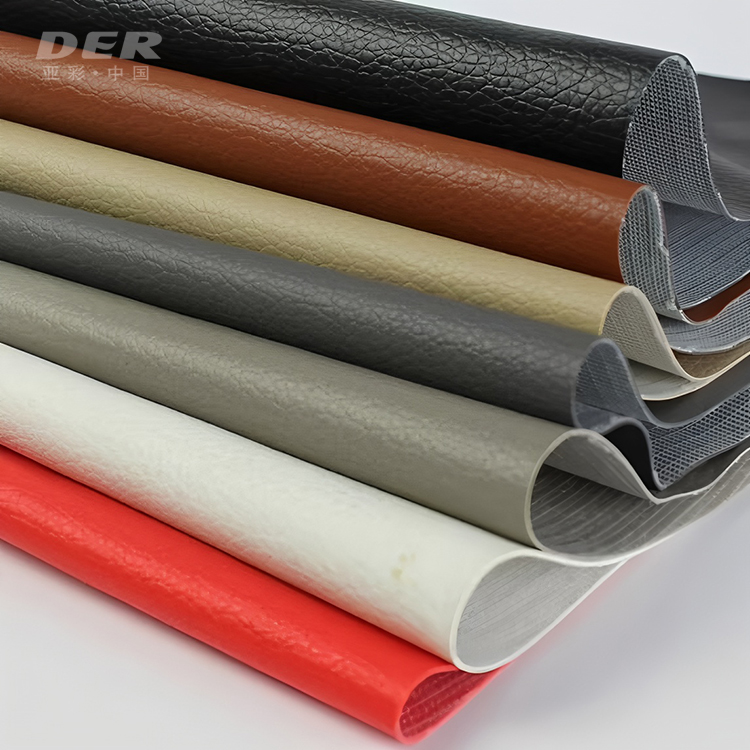
Two products can both be marketed as PU leather while using different backings, coating systems and animal-content profiles. Clear specification language prevents sourcing mistakes.
A polyurethane surface is applied to polyester, cotton, nonwoven, knit or microfiber backing. This construction can be animal-free when all layers and additives are confirmed accordingly.
A polyurethane film or finish is bonded to split animal hide. It contains real leather in the backing, so it should not be represented as fully synthetic or animal-free.
Leather fibers may be combined with binders and finished with a synthetic surface. The percentage and structure vary, making a supplier composition declaration important.
PU leather is best understood as a layered engineered textile rather than a single solid sheet of polyurethane.
The table below is a sourcing guide. Final performance varies with formulation, backing, thickness, finishing, product design and use conditions.
| Material | Typical construction | Animal content | Commercial strengths | Buyer watchpoints |
|---|---|---|---|---|
| 100% synthetic PU leather | PU surface over textile, nonwoven or microfiber backing | Can be animal-free | Consistent color, custom grain, roll production, easy-clean options and predictable cutting yield | Confirm hydrolysis, abrasion, flexing, odor, backing and application suitability |
| PU-coated split / bicast leather | PU film or coating over split animal hide | Contains animal hide | Leather-containing base with controlled surface appearance | Must not be described as fully synthetic or animal-free |
| Bonded leather | Leather fibers combined with binders and a finished surface | Variable content | Uses leather-fiber composite with standardized sheets | Request the composition percentage and test standard |
| Genuine / natural leather | Tanned animal hide with natural fiber structure | Animal hide | Natural grain, patina potential and premium material identity | Hide variation, care requirements, cutting yield and cost control |
PU leather can be commercially effective when its surface, backing and performance targets are matched to the finished product.
Review hand feel, abrasion direction, cleanability, color consistency, seam behavior and the expected intensity of use.
Evaluate heat exposure, odor requirements, flexing, abrasion, color stability and compatibility with seat or panel construction.
Check fold resistance, edge finishing, backing strength, surface recovery, embossing detail and cutting efficiency.
Define the cleaning method, chemical-contact conditions, seam design, fluid resistance and any market-specific compliance pathway.
A clear purchase specification is more reliable than a marketing label or product photo.
DERFLEX supports custom PU synthetic leather programs for buyers who need more than a generic leather-look roll.
PU leather is useful for many commercial products, but responsible material selection requires clear expectations.
Controlled color and grain, broad design flexibility, roll-form processing, easy-wipe surfaces, repeatable product collections and a potentially animal-free construction when verified.
Lower breathability than natural leather, no natural patina, and possible peeling, cracking or hydrolysis when the coating system is unsuitable for the application or service environment.
Use a soft cloth and mild cleaner suitable for the tested surface. Avoid harsh solvents, abrasive scrubbing, prolonged heat and cleaning agents that have not been verified on a hidden area.
These six related pages help buyers move from terminology to material selection and supplier communication.
When PU material is made and finished to imitate leather, it is usually a type of synthetic or faux leather rather than natural animal leather. “PU material” by itself is broader and can also refer to polyurethane foam, film, coating, adhesive or other products.
No. Fully synthetic PU leather can use a textile, nonwoven or microfiber backing with no animal hide. PU-coated split leather or bicast leather contains an animal-hide backing. Buyers should confirm the construction and request a composition declaration.
PU leather is one type of faux leather. Faux leather is a wider category that can include PU leather, PVC leather, silicone leather, microfiber synthetic leather and other coated leather-like materials.
Check the backing description and ask whether the construction includes split hide or leather fiber. Product photographs are not sufficient. A written bill of materials, composition declaration or supplier specification is more reliable.
Some PU leather can peel, crack or hydrolyze over time, especially when coating quality, backing, cleaning method, temperature, humidity or usage intensity do not match the application. Performance should be evaluated using the intended specification and test pathway.
Provide the final application, color or sample, grain, gloss, hand feel, backing, thickness direction, roll width, quantity, cleaning conditions, performance requirements, packaging and destination market.
Send your target application, sample, color, grain, backing and performance requirements. DERFLEX can review the material structure and support a custom sample or bulk-roll quotation.