


 Factory-direct PU leather, faux leather and synthetic leather materials for OEM programs
 Is PU Leather a Good Leather?
PU leather can be a good leather-like material when the buyer needs controlled color, consistent grain, easy cleaning, animal-free positioning, lower cost and repeatable bulk production. It is not the same as genuine leather, and it should not be sold as natural leather. The real answer depends on application, coating quality, backing structure, thickness, finish, durability requirement and supplier capability.
Buyer Decision Summary
PU leather is a strong option for repeatable product collections when the buyer defines the end use first and then selects the correct surface, backing and performance level.
The project needs a leather-like surface for furniture, automotive trim, bags, contract seating, medical covers or OEM products with predictable appearance and cost.
The buyer wants natural patina, premium breathability, decades of aging, or the status value of real full-grain leather.
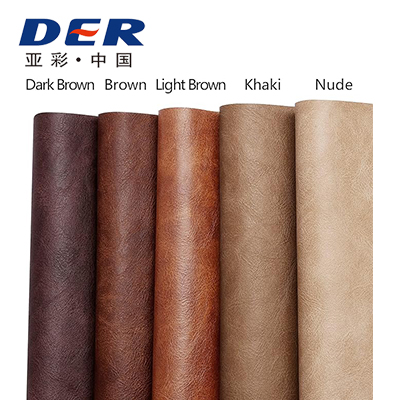
Before You Choose PU Leather
Good PU leather is not judged by appearance alone. Buyers should confirm the end product, surface touch, backing strength, thickness, cleaning method and expected service environment before approving bulk production.
- Final application and product photo or drawing.
- Target color, grain reference and hand-feel sample.
- Thickness, backing, roll width and estimated quantity.
- Abrasion, cleaning, flame-retardant or market testing needs.
Quick Answer: PU Leather Is Good When It Is Specified Correctly
For B2B buyers, the question is not only “Is PU leather good?” but “Good for what product, what market level and what service life expectation?” A low-grade PU leather can peel, crack or look overly plastic. A better engineered PU leather can deliver a soft hand feel, attractive grain, repeatable color and practical cleaning performance for commercial manufacturing.
- Good for controlled appearance and cost-sensitive product lines.
- Good for upholstery, seating, bags, panels and OEM programs that need consistency.
- Good when buyers select the right backing, coating, thickness and finish for the application.
- Less suitable when the buyer needs natural leather aging, long-term patina and premium full-grain value.
What Current Buyer Guides Emphasize
Leading comparison pages usually agree on a balanced view: PU leather is affordable, versatile, animal-free and easy to clean, but genuine leather usually lasts longer, breathes better and develops a more natural aged character. That means PU leather should be positioned honestly as an engineered synthetic leather material, not as a direct replacement for every real leather use.
DERFLEX approaches this question from a factory and application perspective. Instead of only giving a simple yes or no, we help buyers choose PU leather by surface feel, grain, color, backing, thickness, roll width, cleaning expectation, durability level, packing and target product category.
What Is PU Leather in Commercial Manufacturing?
PU leather, also called polyurethane leather, synthetic leather or one type of faux leather, is a leather-like material made by applying a PU surface layer to a textile, nonwoven, microfiber, cotton, polyester or split leather base.
Controlled, Repeatable and Commercially Practical
Natural leather varies from hide to hide. PU leather can be produced with more consistent surface color, grain pattern, thickness and width. This matters for furniture collections, automotive interiors, bags, hotel seating, panel wrapping and OEM products where repeat orders must look similar month after month.
For manufacturers, PU leather can also be easier to cut, sew, laminate, wrap and package in roll form. It is often selected because it gives a leather-like appearance while keeping the product line easier to standardize and price.
Quality Depends on Construction
PU leather is not one fixed material. A simple low-cost PU surface on weak backing is very different from a better engineered PU leather designed for upholstery, automotive interiors or commercial seating. Poor formulation, unsuitable backing or wrong end-use matching can cause surface cracking, peeling, color variation or processing problems.
The correct way to buy PU leather is to specify application, feel, thickness, backing, width, cleaning conditions, abrasion target and expected market level before selecting a grade.
Is PU Leather Better Than Genuine Leather?
PU leather is not universally better or worse. It is better for some manufacturing goals and weaker for some premium leather expectations.
| Decision Point | PU Leather | Genuine Leather | Buyer Recommendation |
|---|---|---|---|
| Appearance Control | Strong Color, grain, gloss and surface style can be engineered for repeatable production. |
Natural variation can be attractive but less consistent across large batches. | Choose PU leather when brand collections require stable color and repeatable texture. |
| Cost Control | Strong Usually more cost-effective for mass-market and OEM products. |
Generally higher cost, especially for premium full-grain leather. | Choose PU leather when target retail price and volume production are important. |
| Long-Term Aging | Depends Good grades can perform well, but lower grades may crack or peel earlier. |
Quality genuine leather can develop patina and last for many years with care. | Choose real leather for premium heritage goods; choose PU for controlled commercial value. |
| Cleaning | Easy Many PU surfaces are easy to wipe and practical for furniture, seats and covers. |
Often needs conditioning and more careful maintenance. | Choose PU leather for high-turnover commercial seating, offices, hotels and practical interiors. |
| Animal-Free Positioning | Possible 100% synthetic PU leather can contain no animal hide. |
Made from animal hide. | Confirm whether the material is 100% PU or PU-coated split leather before marketing it as vegan. |
| Breathability | Limited Usually less breathable than quality natural leather. |
Natural leather usually offers better breathability and comfort aging. | For high-comfort premium seating, evaluate surface feel and breathability carefully. |
| OEM Customization | Excellent Color, grain, thickness, backing, finish and packing can be customized. |
Customization is limited by natural hide supply and leather finishing process. | Choose a factory-oriented supplier when developing custom product lines. |
Good PU Leather Must Match the Real Application
For industrial buyers and product developers, PU leather quality should be measured by use condition, processing compatibility and commercial repeatability.
Good for Upholstery Programs
PU leather is widely used for sofas, chairs, headboards, office seating, hotel furniture and commercial interiors. Buyers can select softer hand feel, matte or semi-matte finish, different backing structures and color collections for repeat production.
Good for Automotive Interiors
For car seats, door panels, armrests, headrests and trim parts, PU leather can provide a clean surface, controlled color and leather-like design language. Automotive applications need stronger attention to abrasion, heat, odor and color stability.
Good for Bags and Accessories
Bags, cases, wallets and decorative consumer products often use PU leather because it can be produced in many colors, grains and finishes. It helps brands build a leather-look range without using animal leather.
Good for Easy-Clean Surfaces
PU leather can be practical for areas that need routine wiping, including medical mattresses, therapy tables, protective covers, commercial seats and interior panels. Special applications should be matched with suitable surface and backing choices.
Good for OEM Development
OEM buyers often need custom color, grain, thickness, backing, width, roll packing, label and stable repeat supply. PU leather is a strong candidate when the material must be designed around a product line rather than selected from a generic stock list.
Good for Market Segmentation
PU leather allows brands to create entry-level, mid-range and premium synthetic leather programs by adjusting feel, structure, texture and performance. A good supplier helps buyers avoid over-specifying or under-specifying the material.
Where DERFLEX PU Leather Can Be Used
DERFLEX supports B2B buyers who need synthetic leather roll materials for manufacturing, distribution and custom product development.
Why Choose DERFLEX for PU Leather Supply?
DERFLEX is built for buyers who need more than a sample book. We support product-oriented material selection, OEM development, bulk roll supply and repeat-order consistency.
How to Specify Good PU Leather
A good purchase decision starts with a clear technical and commercial brief. The following fields help DERFLEX recommend a suitable synthetic leather material.
- Product TypePU leather, faux leather, synthetic leather, upholstery leatherette, automotive PU leather or custom leather-like material.
- Surface FinishLychee grain, napa grain, pebble grain, smooth, matte, semi-matte, gloss, printed, embossed or custom finish.
- Backing OptionsPolyester fabric, knit backing, nonwoven, microfiber, cotton blend or application-specific structure.
- Thickness DirectionSelected according to sewing, covering, seat comfort, panel wrapping, durability and product positioning.
- Roll Width and PackingRoll width, roll length, core, protective film, label, carton or export packaging can be discussed for OEM programs.
- Performance TargetsAbrasion resistance, softness, color fastness, water resistance, easy-clean surface, anti-mildew direction or flame-retardant requirements by project.
Best Practice for Buyers
Send your current material sample, final application, product photo, target color, desired grain, thickness range, expected order quantity, market level and testing requirement. DERFLEX can help translate these details into a practical PU leather selection path.
A product developer making hotel chairs may need a different surface from a bag factory. A marine cushion producer may care more about water exposure and cleaning. An automotive buyer may care more about odor, heat, abrasion and batch consistency. That is why DERFLEX recommends application-based sourcing rather than one-size-fits-all material selection.
- For furniture: confirm hand feel, abrasion level, backing strength and cleaning method.
- For automotive trim: confirm heat resistance, odor direction, color stability and batch consistency.
- For bags and cases: confirm grain style, folding performance, color range and cutting efficiency.
- For medical or marine covers: confirm wipeability, water exposure, anti-mildew direction and surface durability.
When Should You Not Choose PU Leather?
PU leather is useful, but it is not always the correct material. A trustworthy supplier should tell buyers when another material direction may perform better.
Choose Genuine Leather When You Need:
- Natural leather smell, grain variation and premium hand character.
- Long-term patina and high-end luxury storytelling.
- Better breathability in premium seating or fashion goods.
- Decades of use under professional care and repair conditions.
Consider Other Synthetic Leather When You Need:
- PVC leather for stronger cost control, water resistance or certain heavy-use upholstery needs.
- Silicone leather for premium cleanability, lower odor direction or high-end interior programs.
- Microfiber leather for a different balance of strength, feel and premium synthetic positioning.
- Application-specific coated fabrics for medical, marine or industrial covers.
Continue Comparing Synthetic Leather Materials
Use these internal resources to compare PU leather, faux leather, PVC leather, silicone leather and application-specific material solutions.
Need Good PU Leather for Your Product Line?
Send DERFLEX your application, target color, grain reference, thickness, backing, quantity, destination market and performance requirements. We can help recommend a practical PU leather or synthetic leather solution for your manufacturing program.
Frequently Asked Questions About PU Leather Quality
These answers support buyer education and search intent around “Is PU leather a good leather?”
Is PU leather a good leather?
PU leather is a good leather-like material when the project needs consistent appearance, cost control, easy cleaning, animal-free positioning and custom production options. It is not genuine leather and should be evaluated according to its application and construction.
Is PU leather real leather?
PU leather is not real leather when it is 100% synthetic. Some bicast or split leather products may use a leather backing coated with polyurethane, so buyers should confirm the base layer before making product claims.
Does PU leather peel?
Low-grade or incorrectly specified PU leather can peel or crack. Better results depend on coating quality, backing strength, surface finish, use environment, cleaning method and supplier consistency.
Is PU leather good for sofas and chairs?
Yes, PU leather can be suitable for sofas, dining chairs, office chairs, headboards and hotel seating when the material is selected for the correct softness, backing, thickness, abrasion requirement and cleaning expectation.
Is PU leather good for car seats?
PU leather can be used for automotive seats, panels and trim parts, but automotive projects require careful evaluation of heat, abrasion, odor, color stability, surface feel and manufacturing process fit.
Is PU leather waterproof?
PU leather can offer water-resistant and easy-wipe surface behavior, but the exact performance depends on coating structure, seams, backing and intended application. It should not automatically be treated as fully waterproof without specification review.
Which is better, PU leather or PVC leather?
PU leather is often chosen for softer hand feel and a more leather-like surface. PVC leather may be selected for certain cost, water resistance or heavy-use applications. The better choice depends on the final product and performance requirements.
Can DERFLEX customize PU leather?
Yes. DERFLEX can support custom color, grain, texture, finish, backing, thickness, roll width, roll length, labeling and packing for PU leather and synthetic leather OEM programs.