News
Industry News

Low-Wick PVC Coated Fabric | Anti-Wicking Technical Textile | DERFLEX

Update:2026/9/1 17:00:11 Views:
PVC Coated Polyester · Anti-Capillary Technical Textile

Low-Wick PVC Coated Fabric

A PVC coated technical textile engineered to reduce capillary moisture migration through exposed polyester yarns while retaining the waterproof surface, strength, flexibility and weldability required by demanding fabricated products.

Low-wick and anti-wicking requirements matter most where cut edges, seams, punctures, abrasion zones or repeated wet exposure can give water access to the textile reinforcement. DERFLEX can discuss low-wick PVC coated fabric as a project-defined option together with base fabric, coating structure, width, weight, color, surface finish and fabrication requirements.

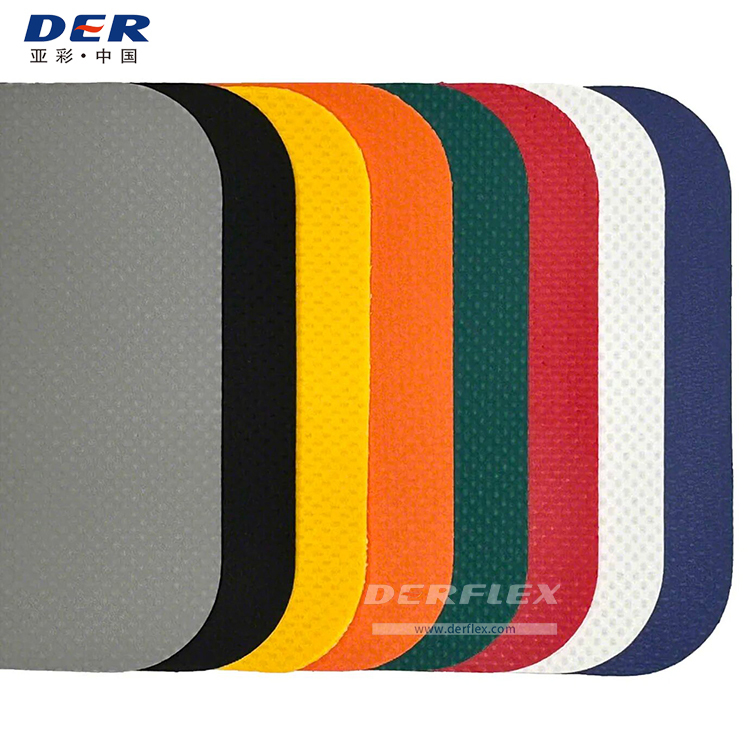
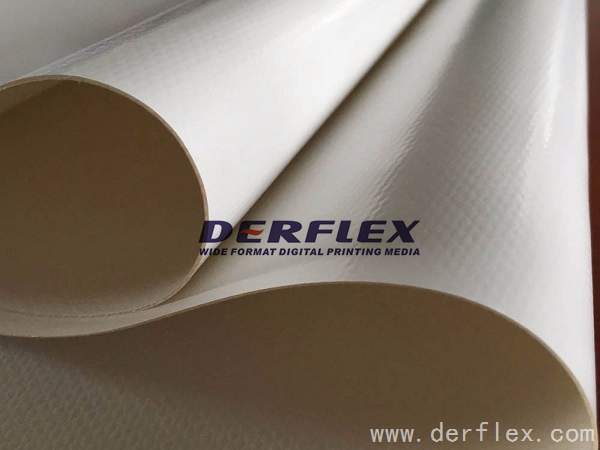
Low-wick PVC coated polyester fabric rolls and technical textile surface options by DERFLEX
DERFLEX PVC coated polyester fabric platform. Low-wick treatment, exact construction and acceptance criteria should be confirmed for the selected project grade.
Moisture-Control Function Reduces capillary movement inside exposed polyester yarn pathways.
Different from Waterproofing Waterproof coating and low-wick reinforcement solve different water-entry risks.
Fabricator-Oriented Useful where cutting, welding, edge exposure and repeated wetting are part of service.
Project-Specified Test method, exposure time and acceptance criterion should be defined before bulk order.

What is low-wick PVC coated fabric?

Low-wick PVC coated fabric is a reinforced polyester technical textile in which the yarn, textile reinforcement or bonding system is treated to reduce capillary transport of water inside the fabric core. The PVC coating remains the main waterproof barrier. Low-wick treatment addresses a different risk: water entering through exposed yarns at cut edges, damaged coating or fabrication details and then travelling away from the original contact point.

Primary purpose: limit internal moisture migration.
Typical risk points: edges, seams, punctures, abrasion and repair interfaces.
Best purchasing practice: define how low-wick performance will be verified.
Why Wicking Happens

A Waterproof Surface Can Still Have an Internal Moisture Path

PVC coated polyester fabric is a composite. The coating protects the surface, while the woven polyester reinforcement carries much of the mechanical load. If that reinforcement becomes exposed, the small spaces between filaments can act as capillary pathways. Low-wick treatment is intended to reduce this internal transport.

Conceptual Capillary-Migration Diagram
Untreated / higher-wicking yarn path
Water reaching exposed filaments can migrate upward or sideways between fiber spaces.
Low-wick / anti-capillary treatment direction
Treatment is intended to make the reinforcement less prone to transporting liquid away from the exposed zone.

Where moisture can reach the textile core

Coated fabric performs as a system, and local exposure can occur even when the broad surface remains waterproof.

Cut edges: trimming, pattern cutting and perimeter fabrication expose yarn ends directly.

Punctures and hardware: fastening, clamps, eyelets or mechanical damage can create local pathways.

Abrasion: repeated rubbing can thin or damage the coating and reveal the reinforcement beneath it.

Repair zones: poorly prepared patches or aged interfaces may create new moisture-entry points.

Persistent humidity: repeated wet-dry cycles increase the importance of edge detailing and moisture-resistant material construction.

AI Overview Quick Comparison

Low-Wick Is Not the Same as Waterproof, Anti-Mildew or PVDF

These properties are often mentioned together in coated technical textiles, but they control different performance mechanisms. Treating them as interchangeable can lead to the wrong specification.

Waterproofing

Stops water through the surface

The continuous PVC coating and properly fabricated seams form the main barrier against rain and liquid passing through the coated sheet.

Low-Wick / Anti-Wicking

Reduces water travel inside yarns

Targets capillary moisture movement within exposed polyester reinforcement, particularly at edges, cuts and local coating discontinuities.

Anti-Mildew / Surface Finish

Controls a different part of durability

Anti-mildew treatment, acrylic lacquer or PVDF surface systems may support cleanliness, weathering and maintenance, but they do not automatically prove low-wick behavior.

Material Construction

Five Parts of a Low-Wick PVC Coated Textile System

Anti-wicking performance should be evaluated as part of the full composite rather than as a stand-alone label. The coating, reinforcement, adhesion and finishing route all affect fabrication and long-term behavior.

01 · Surface Finish Glossy, matte, lacquered, acrylic, PVDF-oriented or application-specific finish for cleanability, appearance, weather exposure and fabrication compatibility.
02 · PVC Coating Provides the principal waterproof surface, color, flexibility, abrasion protection and thermoplastic welding surface.
03 · Adhesion System Supports bonding between PVC and polyester reinforcement so the composite behaves consistently during flexing, welding and loading.
04 · Low-Wick PES Core High-tenacity polyester reinforcement carrying mechanical load, with anti-capillary treatment direction specified to reduce moisture movement through exposed yarn paths.
05 · Reverse Coating Completes the coated construction and can be matched to welding, cleaning, color, friction and service-environment requirements.

For a broader material overview, see DERFLEX PVC coated fabric and industrial PVC polyester coated fabric.

Specification Framework

How to Specify Low-Wick PVC Coated Fabric for Procurement

The most useful RFQ does not stop at “anti-wicking PVC fabric.” It defines the end product, exposure, fabrication method and the evidence that will be used to accept the material before bulk production.

Specification Item DERFLEX Discussion Direction Why It Matters
Product Direction Low-wick PVC coated polyester fabric / anti-wicking technical textile. Separates the moisture-control requirement from a generic waterproof PVC fabric.
Base Reinforcement High-tenacity polyester woven construction; denier, yarn density and weave selected around target strength and fabrication. The reinforcement controls tensile behavior and is the pathway where capillary migration can occur.
Low-Wick Requirement Anti-capillary yarn, base-fabric or bonding treatment direction; final method to be confirmed for the selected grade. “Low-wick” should be tied to the actual production construction, not used as an undefined marketing term.
Weight Direction DERFLEX industrial PVC coated fabric platforms cover multiple weights; confirm the exact low-wick construction required for the application. GSM does not by itself define tensile strength, tear resistance or low-wick behavior.
Width Project-oriented roll width; align with cutting yield, seam count and manufacturing process. Correct width can reduce waste and unnecessary welded seams.
Surface Finish Matte, glossy, lacquered, acrylic or PVDF-oriented surface depending on application and weldability. Finish affects dirt pickup, cleaning, weathering, appearance and welding procedure.
Mechanical Performance Define minimum tensile, tear and coating-adhesion values according to the finished product. Low-wick treatment should not replace the mechanical specification.
Fabrication Method Hot-air welding, HF welding, sewing, cutting, hemming or other project process after compatibility review. Seam quality and exposed-edge management strongly influence moisture performance.
Functional Options UV resistance, flame-retardant direction, anti-mildew, cold resistance, anti-static or other project-based options where required. Only specify functions that are relevant to the use environment and can be confirmed for the chosen grade.
Low-Wick Verification Agree sample preparation, exposed edge, liquid, immersion depth, duration and maximum acceptable migration distance. A measurable acceptance criterion reduces ambiguity during sampling and bulk inspection.
Supply Format Roll goods, cut material or custom OEM supply depending on project feasibility. Packaging, roll identification and repeat-order control matter for B2B production programs.

Final technical values, compliance documents and low-wick acceptance must be confirmed against the exact DERFLEX production grade and approved sample before ordering.

Selection Matrix

Where Is Low-Wick PVC Coated Fabric Worth Specifying?

The requirement has the most value when moisture can realistically reach exposed reinforcement and the consequences of staining, water tracking or repeated wetting are meaningful for the finished product.

Tensile Roofs & Architectural Membranes

High relevance where large fabricated panels, perimeter cuts, cable pockets, clamps and long outdoor exposure increase moisture-entry opportunities.

  • Specify low-wick together with structural strength and coating adhesion.
  • Confirm PVDF/acrylic surface and welding route separately.
  • See DERFLEX low-wick tensile membrane for architecture-specific guidance.

Marquees, Event Tents & Repeated-Use Shelters

Useful where covers are repeatedly installed, folded, washed and exposed to wet edges over many operating cycles.

  • Prioritize flex durability, tear performance and easy-clean surface.
  • Review FR requirements for the destination market separately.
  • Compare with PVC tent fabric material.

Truck Covers & Transport Tarpaulin

Worth discussing where road spray, frequent handling, abrasion and exposed edges can repeatedly introduce moisture into the textile core.

  • Match tensile and tear strength to tie-down and wind load.
  • Confirm weld behavior and printed-surface requirements.
  • See PVC tarpaulin for truck covers.

Industrial Technical Textile Programs

Relevant for OEM products where moisture migration at cut edges could affect appearance, maintenance or repeat-use reliability.

  • Define the exact exposure route rather than specifying low-wick by default.
  • Evaluate chemical, abrasion and temperature conditions separately.
  • For special development, review custom PVC coated fabric options.
Verification

A Practical Low-Wick Sample Approval Method

There is no benefit in writing “anti-wicking” into a purchase order if buyer and supplier have not agreed how it will be checked. A simple, documented edge-immersion comparison can turn an ambiguous property into an auditable approval step.

1 Prepare the Sample

Cut test pieces from the actual proposed production construction so the polyester edge is exposed consistently.

2 Define the Liquid

Use water or another agreed test liquid appropriate to the buyer’s internal method.

3 Control Exposure

Specify immersion depth, orientation, duration and ambient conditions so the result is repeatable.

4 Measure Migration

Record visible moisture travel from the exposed edge and compare it with the agreed acceptance criterion.

5 Lock the Approved Grade

Attach the accepted sample or construction reference to the PO and repeat-order control record.

Important: The exact low-wick test method and acceptable migration distance should be agreed between buyer, supplier and—where applicable—the project engineer or certifying party. Do not assume that a generic “waterproof” test proves anti-wicking performance.
Fabrication Notes

Low-Wick Material Still Needs Correct Cutting, Welding and Edge Design

Anti-capillary treatment is an additional control layer, not a substitute for sound fabrication. The finished product can still fail around a seam or perimeter if water is given easy access to the textile core.

Protect Exposed Edges

Use appropriate hems, welding, reinforcement or edge-sealing details where long-term moisture exposure is expected.

Qualify the Welding Window

Confirm hot-air or HF settings on the actual surface finish. A change in topcoat can affect welding temperature, dwell time or preparation.

Review Hardware Interfaces

Eyelets, clamps, cable pockets, fasteners and reinforcements can concentrate stress and expose yarn pathways if poorly detailed.

Do Not Select by GSM Alone

Weight is only one variable. Yarn denier, weave density, tensile, tear, coating adhesion and elongation may be more important for the finished product.

Control Roll Consistency

For repeat B2B orders, record color, finish, width, weight, roll identification and approved construction so future production remains comparable.

Match Storage to the Material

Keep rolls protected from standing water, sharp edges, contamination and uncontrolled heat before cutting and fabrication.

Procurement Risk Control

Five Common Mistakes When Buying Anti-Wicking PVC Fabric

Most sourcing problems are not caused by the phrase “low-wick” itself. They happen when the phrase replaces a proper material specification.

01
Assuming waterproof automatically means anti-wicking

The coating can block surface water while exposed polyester yarn still allows capillary migration. Ask for low-wick evidence separately.

02
Ordering by weight without defining mechanical performance

Two fabrics with the same GSM can use different yarns, weave densities and coating distributions. Define the load-related properties that matter.

03
Ignoring cut-edge and seam details

Low-wick treatment hel, ps after moisture reaches the textile, but fabrication should still minimize exposed reinforcement wherever possible.

04
Accepting “anti-wick” with no test condition

Agree a repeatable sample method, duration and maximum migration distance before bulk production.

05
Changing surface finish without rechecking welding

PVDF, acrylic and standard PVC surfaces can require different fabrication settings. Validate the actual construction to be purchased.

RFQ Checklist

What to Send DERFLEX for a Low-Wick PVC Fabric Quotation

A complete inquiry makes it easier to determine whether an existing low-wick grade is appropriate or whether a custom coated fabric direction should be reviewed.

  • Finished product and application environment.
  • Expected exposure to rain, humidity, washing, salt air or condensation.
  • Required fabric weight, thickness or existing reference sample.
  • Minimum tensile, tear and coating-adhesion requirements.
  • Preferred roll width, roll length and approximate quantity.
  • Color, surface finish and appearance requirements.
  • Hot-air, HF welding, sewing or other fabrication process.
  • Low-wick test method or desired sample-approval criterion.
  • Required flame, UV, temperature or other performance direction.
  • Destination market and any mandatory documentation.
Product & Application Images

DERFLEX PVC Coated Technical Textile Image Pack

The images below are hosted on DERFLEX.com and illustrate the coated textile platform and relevant application families. The exact low-wick grade must be confirmed for each project; the application photos should not be read as a blanket statement that every shown product uses low-wick fabric.

Low-wick PVC coated fabric product image idea
Suggested filename:
low-wick-pvc-coated-fabric.jpg
Alt: Low-wick PVC coated polyester technical textile by DERFLEX
Anti-wicking coated polyester fabric roll image idea
Suggested filename:
anti-wicking-coated-polyester-roll.jpg
Alt: Anti-wicking PVC coated polyester fabric roll for fabrication
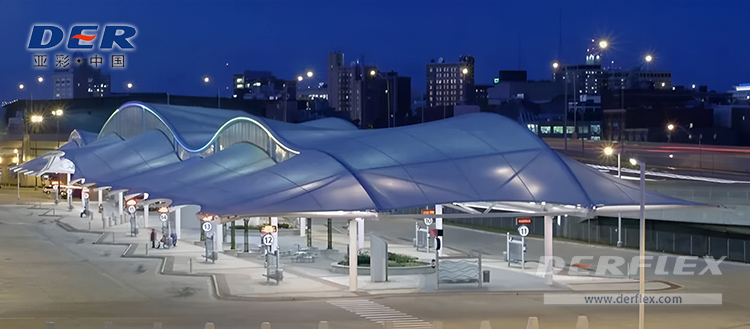
Low wick architectural membrane application image idea
Suggested filename:
low-wick-architectural-membrane.jpg
Alt: Low-wick PVC PVDF architectural membrane canopy application
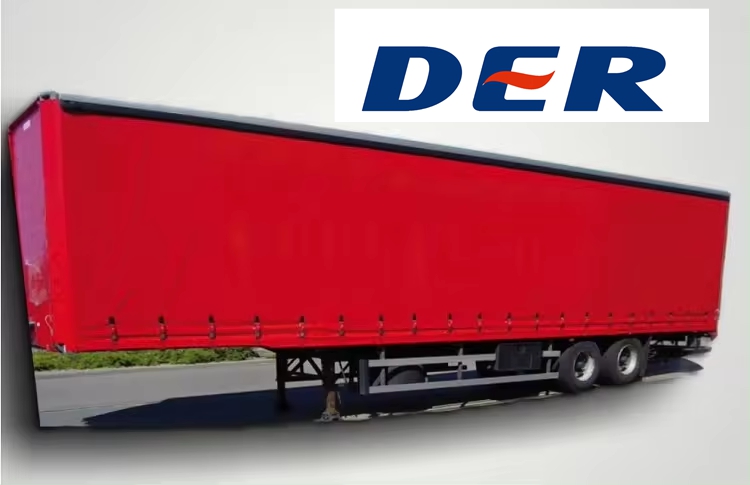
Low-wick PVC truck tarpaulin application image idea
Suggested filename:
low-wick-pvc-truck-tarp-fabric.jpg
Alt: PVC coated truck tarp fabric for wet transport environments
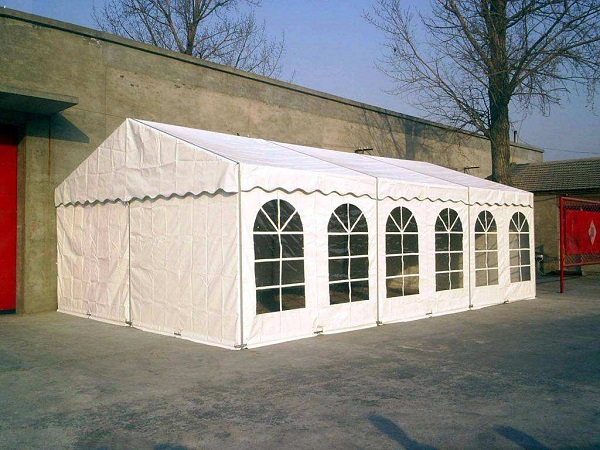
Anti wicking PVC tent fabric application image idea
Suggested filename:
anti-wicking-pvc-tent-fabric.jpg
Alt: Anti-wicking PVC coated tent fabric for repeated outdoor use
DERFLEX Material Support

What DERFLEX Can Help Buyers Confirm Before Bulk Production

For low-wick programs, the useful supplier role is not simply to claim “anti-wicking.” It is to help convert the requirement into a controlled fabric construction, sample approval and repeat-order specification.

Application Matching

Review exposure, fabrication method, strength target and moisture-entry risk before narrowing the coated-fabric direction.

Custom Coated Fabric Options

Discuss weight, width, color, surface finish and functional requirements according to production feasibility.

Sample & Welding Review

Evaluate the low-wick requirement alongside surface appearance, welding behavior and core mechanical data.

Repeat-Order Control

Record the approved construction, finish, roll identification and test expectations for ongoing B2B supply.

Related Questions

Low-Wick PVC Coated Fabric FAQ

Short, direct answers for fabricators, importers, distributors, OEM brands, project buyers and technical procurement teams.

What does “low-wick” mean in PVC coated fabric?

Low-wick means the polyester yarn, base fabric or related bonding system is treated to reduce capillary movement of liquid through exposed textile pathways. It is mainly relevant when water reaches cut edges, damaged coating or other areas where the reinforcement is accessible.

Is low-wick PVC fabric the same as waterproof PVC fabric?

No. Waterproofing refers mainly to stopping water through the coated surface and seams. Low-wick performance refers to limiting water migration inside exposed polyester fibers or yarn bundles. A demanding application may need both properties.

Why can water wick through polyester reinforcement?

Multifilament polyester yarn contains small spaces between fibers. When those spaces are exposed to water, capillary forces can move liquid away from the original contact point. Anti-wicking treatment is intended to make that pathway less favorable.

Where is anti-wicking PVC coated fabric most useful?

It is most useful in products exposed to repeated rain, humidity, washing or wet edges—such as tensile membranes, marquees, reusable shelters, selected transport covers and other technical textile products where cut-edge moisture migration could affect appearance or durability.

Does low-wick treatment eliminate the need for edge sealing?

No. Low-wick treatment is an additional material control. Proper welding, hems, edge protection, reinforcement, hardware detailing and repair practice remain important because they reduce the chance of water reaching the textile core in the first place.

How should buyers test anti-wicking performance?

Buyer and supplier should agree a repeatable exposed-edge or immersion method before bulk ordering. The method should define sample construction, liquid, immersion depth, duration and the maximum acceptable migration distance or visual result.

Can DERFLEX customize low-wick PVC coated polyester fabric?

DERFLEX can discuss low-wick or anti-wicking requirements as part of a project-specific PVC coated fabric program together with base fabric, weight, width, color, surface finish, welding method and other required performance directions. Final availability and technical values must be confirmed for the selected grade.

What information should I provide for a low-wick fabric quotation?

Provide the finished application, climate or moisture exposure, target weight or reference sample, required tensile and tear properties, width, color, surface finish, fabrication method, low-wick test expectation, quantity, destination market and any required compliance documents.

Define the Anti-Wicking Requirement Before Bulk Production

Send DERFLEX your application, target fabric construction, moisture exposure, low-wick acceptance method, width, color, surface finish, welding process and approximate quantity. The team can review a suitable PVC coated textile direction for sampling and quotation.

  • Application and operating environment
  • Weight / strength or reference sample
  • Low-wick test expectation
  • Width, color and surface finish
  • Welding / fabrication method
  • Quantity and destination market
Consulting Services
+86-021-54361792 / 54361798
Email
sales@derflex.com