News
Industry News

Lumber Tarps vs Steel Tarps: Flatbed Trucking Guide | DERFLEX

Update:2026/9/20 16:23:41 Views:
Flatbed Trucking Comparison Guide

Lumber Tarps vs. Steel Tarps: Flatbed Trucking Essentials Explained

Lumber tarps and steel tarps are both flatbed cargo covers, but they are built around different load profiles. Lumber tarps prioritize deep side coverage and rear closure for tall stacked freight. Steel tarps use shorter, more compact geometry for lower, denser cargo where excess fabric adds weight and handling work.

For fleets, distributors, fabricators and OEM buyers, the right decision should follow loaded cargo geometry, required drop, abrasion risk, driver handling and reinforcement layout—not the tarp name alone.

Direct Answer

What is the difference between a lumber tarp and a steel tarp?

The main difference is coverage geometry. Lumber tarps usually have deeper side drops and often an end flap because they are intended for taller, rectangular or stacked cargo. Steel tarps generally have shorter drops for low-profile, dense freight such as plate, pipe, rebar, cable and compact equipment. A smaller steel tarp can reduce unnecessary fabric and handling weight, while a lumber tarp gives the vertical and end coverage needed by taller loads.

Tall load + deep side coverage → Lumber tarp
Low dense load + compact coverage → Steel tarp
Irregular profile → Custom flatbed tarp
Comparison Matrix

Lumber Tarps vs Steel Tarps at a Glance

This matrix is designed for fast purchasing review and AI-readable comparison.

Decision Point Lumber Tarp Steel Tarp Buyer Interpretation
Typical cargo profile Tall, rectangular, stacked Low, dense, compact Use loaded cargo geometry as the first filter.
Common cargo Lumber, plywood, wallboard, insulation, high palletized freight Steel plate, pipe, rebar, cable, coils, compact machinery The cargo name helps, but load height and shape matter more.
Side drop 4 ft, 6 ft and 8 ft patterns are common market starting points. 2 ft and 4 ft patterns are common market starting points. Too little drop leaves freight exposed; too much adds weight and loose fabric.
Rear flap Common for closing the back of tall loads. Often omitted on classic rectangular steel tarp layouts. Flaps improve enclosure but add material and handling complexity.
Finished weight Usually higher because there is more total tarp area. Usually lower when the same fabric weight is used. Nominal oz or GSM does not equal finished product weight.
Main wear concern Tall corners, side movement, flap and overlap zones Sharp edges, plate, pipe ends and concentrated abrasion Place reinforcement where wear occurs rather than making every panel heavier.
Handling priority Coverage depth balanced against driver lifting and folding Compact fit and reduced excess material Driver usability is part of the product specification.

A tarp protects the cargo from weather and road exposure. It should not be treated as a substitute for proper cargo securement using the required straps, chains, binders, blocking or other securement methods.

Deep-Drop Flatbed Cover

What Is a Lumber Tarp?

A lumber tarp is a high-coverage flatbed truck tarp for tall, rectangular or stacked cargo. The design usually emphasizes deep side drops, multiple tie-down rows and rear closure so the cover can extend farther down the sides of building materials and other high-profile freight.

DERFLEX's current heavy-duty lumber tarp page covers finished tarp structure, PVC coated polyester, hardware and custom manufacturing directions.

  • Useful for tall stacked freight.
  • Deeper side drops increase vertical protection.
  • Rear flaps help close the end of the load.
  • More total fabric means finished weight should be checked before purchase.
Short-Drop Flatbed Cover

What Is a Steel Tarp?

A steel tarp is a reinforced flatbed tarp sized primarily for lower-profile, dense freight. It generally uses shorter drops than a lumber tarp so the driver manages less unnecessary material around plate, pipe, rebar, cable, steel products and compact machinery.

DERFLEX's steel tarp buyer guide explains the low-load geometry, drop depth, tie-down details and comparison with lumber tarps.

  • Useful for low, compact loads.
  • Shorter drops reduce excess hanging fabric.
  • Abrasion and sharp-edge planning becomes more important.
  • Targeted wear patches may be more useful than adding weight everywhere.
Image Understanding

See the Load Geometry Before You Compare Material Weight

The most useful visual difference is not color or fabric thickness. It is how much vertical and end coverage the cargo requires.

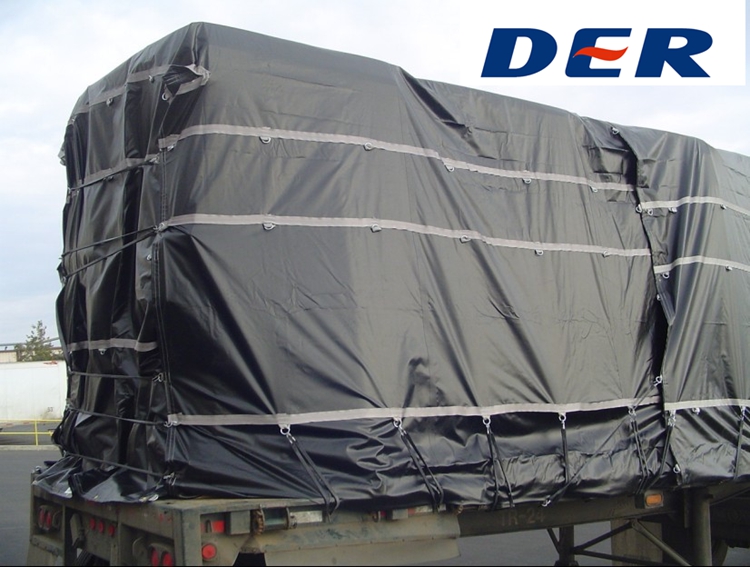
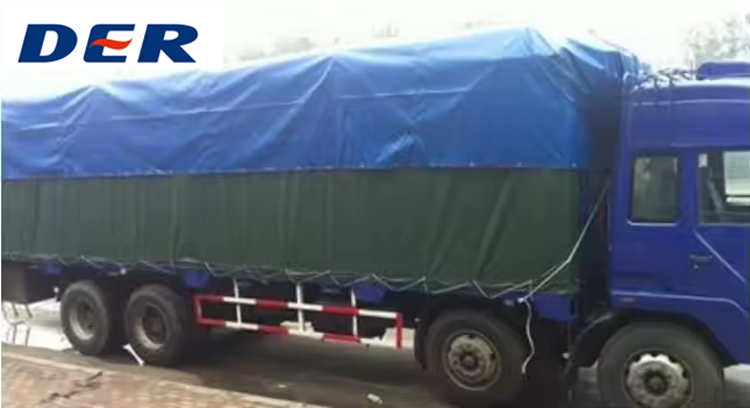
Flatbed truck cargo covered by a heavy duty lumber style tarp with deep side drop
Tall-load flatbed coverage Deep side coverage and multiple tie-down rows are typical lumber-tarp priorities.
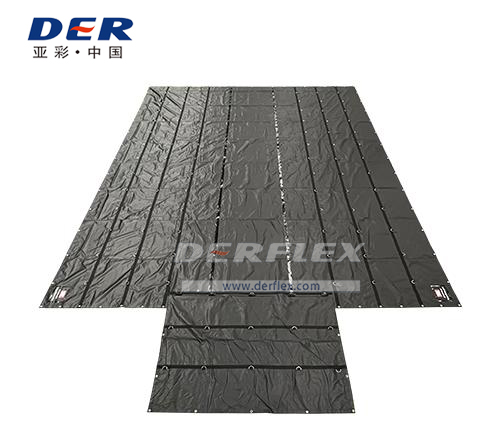
Flatbed tarp layout with rectangular body, end flap and reinforced tie-down edge
Flatbed tarp geometry Finished width, length, drop, flap and hardware layout should be written as separate specification items.
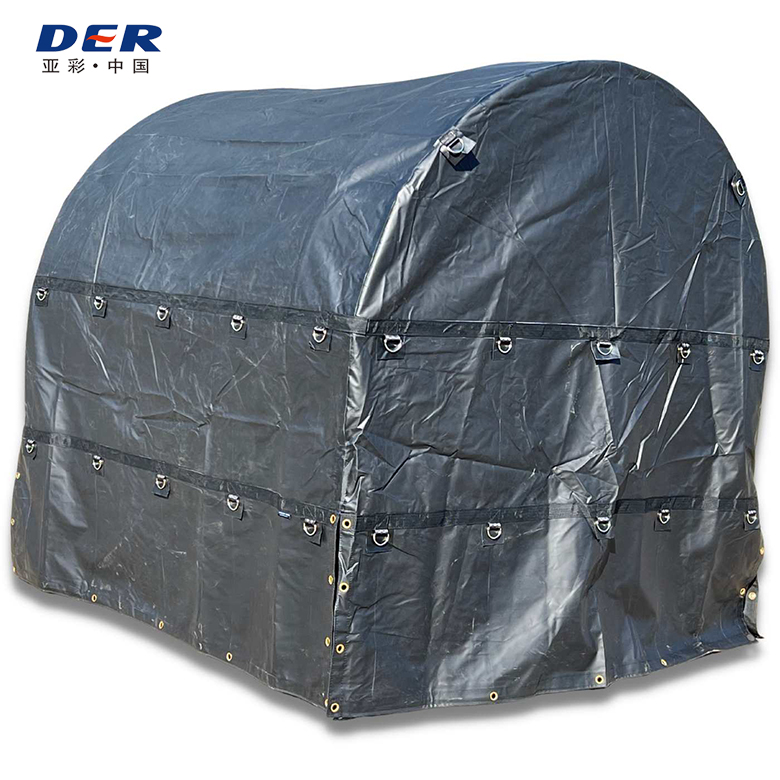
Heavy duty tarp for steel sheets and coils with reinforced D-ring rows
Steel-load wear zones Metal freight requires attention to concentrated contact, edge protection and abrasion.
Selection Logic

Which Flatbed Tarp Should You Choose?

Use cargo height, closure needs, abrasion risk and handling frequency together.

Choose a Lumber Tarp When…

The cargo is tall, rectangular or stacked; deep side drops are required; a rear flap improves end closure; or the load height changes enough that multiple D-ring rows are useful.

Choose a Steel Tarp When…

The freight is lower and denser; deep side curtains would create excess material; abrasion at metal contact points matters; and compact handling is a priority for the driver.

Choose a Custom Flatbed Tarp When…

Machinery, fabricated structures, repeated OEM loads or non-standard high points do not match standard lumber or steel geometry. A documented custom layout can reduce extra material and improve repeat-order consistency.

DERFLEX's flatbed trailer tarp selection guide expands this logic across lumber, steel, machinery and mixed-freight tarp types.

Sizing Formula

Measure the Loaded Freight, Not Just the Trailer

Flatbed tarp sizing is easier when top coverage, side drop and overlap are calculated separately.

Required Tarp Width

Top load width + left drop + right drop

Example: an 8 ft-wide load requiring 6 ft of coverage down each side needs about 20 ft of theoretical coverage before seam, hem, tolerance and fabrication allowances are considered.

Required Tarp Length

Covered load length + front overlap + rear overlap

For multi-piece sets, define the overlap between adjacent tarps and identify which section carries the rear flap.

1

Measure Loaded Height

Record the actual load profile, including the highest point and any uneven stacked sections.

2

Choose Side Drop

Set enough coverage to reach the intended lower tie-down area without unnecessary hanging material.

3

Define Overlap

Specify front, rear and panel-to-panel overlap before finalizing overall length.

4

Confirm Finished Size

Use finished dimensions in the purchase specification so hems and seams do not create ambiguity.

Finished Weight

Why an “18 oz Tarp” Can Still Feel Completely Different

Material weight per square yard is not the same as the total finished weight a driver must lift, fold and store.

More Coverage = More Finished Weight

If a lumber tarp and steel tarp use the same nominal PVC/vinyl fabric, the lumber tarp is still likely to be heavier because it contains more total square area, deeper drops, larger flap sections, longer reinforcement runs and more hardware.

DERFLEX's truck tarp weight guide shows why finished steel and lumber tarps can differ substantially even when both use an 18 oz material direction.

Handling Weight Is a Purchasing Variable

A fleet that repeatedly tarps and untarps loads should consider lifting, folding, roof access, storage and driver preference when comparing products. The heaviest possible construction is not automatically the most practical.

When service conditions allow it, a mixed-material or weight-reduced design can be evaluated while retaining stronger material in the top and high-wear zones.

Engineering Notes

Reinforce the Stress Zones, Not Every Square Foot

Targeted reinforcement can improve working durability without automatically increasing the weight of the entire tarp.

Sharp Cargo Edges

Use suitable edge protectors or padding where steel, machinery or other cargo can cut into the cover. Wear patches should be aligned with actual repeated contact zones.

D-Ring & Grommet Zones

Tie-down stress should be spread through reinforced hems, webbing and correctly positioned hardware rather than concentrated into isolated attachment points.

Highway Wind & Flapping

Excess fabric can move repeatedly in highway airflow. On low freight, a closer-fitting steel tarp can reduce loose material compared with an oversized lumber tarp.

Rear Flap & Overlap

Lumber-tarp flaps and multi-piece overlaps need enough coverage to close the load without creating uncontrolled layers that are difficult to tension or fold.

For repeated non-standard loads, DERFLEX can support a custom flatbed steel tarp program or other made-to-spec cover geometry based on drawings, cargo photos and finished dimensions.

Load-to-Tarp Matrix

Match the Tarp to the Cargo That Is Actually on the Deck

This matrix translates common loads into a practical starting tarp direction.

Load / Operating Condition Good Starting Direction Primary Questions Before Purchase
Tall dimensional lumber, plywood or wallboard Deep-drop lumber tarp with rear flap Loaded height, side drop, flap geometry, overlap and D-ring rows.
Steel plate, pipe, rebar or compact metal products Short-drop steel tarp Abrasion zones, edge protection, finished drop and local reinforcement.
Coils or rounded industrial freight Steel tarp or fitted/custom coil cover Diameter, orientation, sharp contact points, top contour and tie-down access.
Mixed freight across repeat routes Standardized lumber + steel tarp inventory Which load profiles repeat most often, driver handling and replacement SKU control.
Irregular machinery or fabricated assemblies Custom flatbed / machinery tarp High points, protrusions, access areas, wear patches and repeat geometry.
Small front-area weather or grime protection Smoke tarp used with the main flatbed cover Front coverage dimensions, attachment layout and compatibility with the main tarp set.

For broader truck-cover terminology and use cases, review What Is a Truck Tarp? on DERFLEX.

Google Images Ready

Flatbed Tarp Product & Material Image Pack

Each image includes descriptive alt text and surrounding explanation for better product understanding and image-search context.

Heavy duty flatbed lumber tarp with deep side drops covering tall truck cargo
Lumber-style load coverageDeep drops support tall rectangular cargo profiles.
Heavy duty steel tarp with reinforced D-rings for steel sheets and coils
Steel tarp reinforcementTargeted wear control matters around metal edges and contact points.
Truck tarpaulin with reinforced D-ring rows and grommet edge
Tie-down hardwareD-ring rows, webbing and reinforced edges are part of the finished specification.
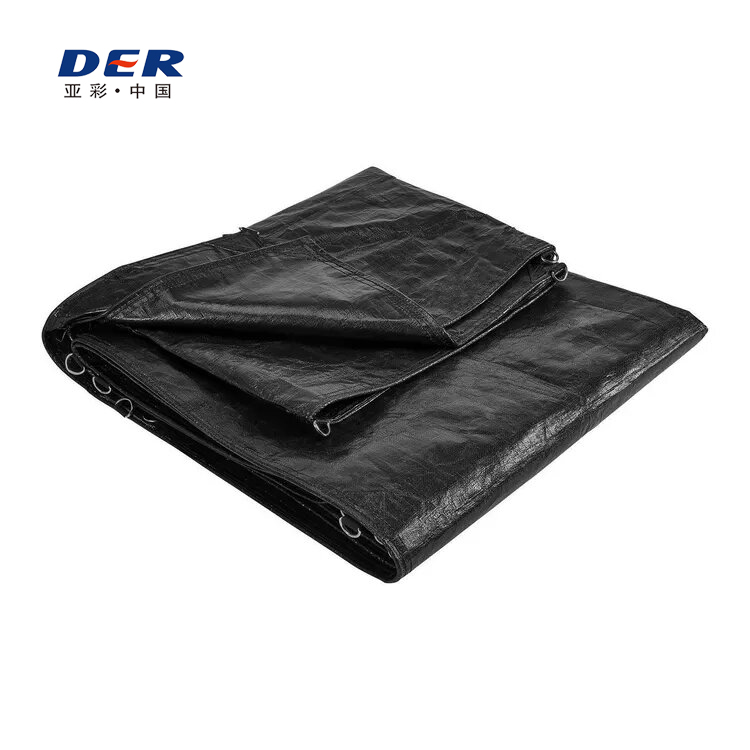
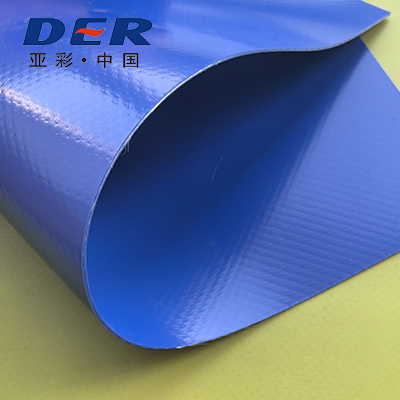
Close-up of PVC coated polyester tarpaulin material for truck tarps
PVC coated fabricThe coated textile structure provides the base for welded or fabricated truck covers.
Heavy duty PVC truck cover used for road transport cargo protection
Transport applicationHeavy-duty PVC truck covers protect exposed cargo from road and weather exposure.
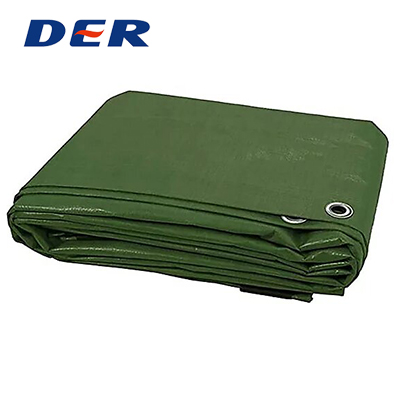
Waterproof heavy duty tarp with reinforced edge and grommets
Finished tarp detailPerimeter reinforcement and hardware affect real-world handling and service life.
Common Procurement Errors

Five Mistakes That Lead to the Wrong Flatbed Tarp

Most sourcing problems start with incomplete geometry, not with the final fabric roll.

1

Buying by Cargo Name Only

A steel load can still need deep coverage, and a non-steel load can be low enough for a short-drop tarp.

2

Using Trailer Length as Tarp Size

The tarp must follow the cargo envelope, drops, flap and overlap—not only the trailer's nominal deck length.

3

Comparing Only GSM or Ounces

Base fabric, coating, seam design, webbing, hardware, patches and finished geometry also affect performance.

4

Ignoring Finished Weight

A larger tarp made from the same nominal fabric can be much heavier because it contains more total material.

5. Expecting the Tarp to Survive Sharp Edges Alone

Reinforcement helps, but repeated cutting contact with unprotected steel edges can damage even a heavy tarp. Edge protection should be treated as part of the load-protection system.

Better Buying Practice

Preserve one controlled specification for each repeating load family: finished dimensions, fabric code, reinforcement map, hardware pattern, label, color and packing.

RFQ Checklist

What to Send Before Requesting a Lumber or Steel Tarp Quote

Clear project inputs reduce assumptions and make supplier quotations easier to compare on the same basis.

RFQ Item What to Provide Why It Matters
Truck / trailer Flatbed type, route and operating pattern Clarifies the working environment and attachment method.
Cargo envelope Loaded width, length, height, high points, photos or drawings Determines actual tarp geometry.
Finished dimensions Width, length, side drop, flap size, overlap and tolerance Avoids confusion between cut size and finished size.
Material direction Preferred GSM / oz, current sample or target handling priority Balances durability, flexibility and finished weight.
Reinforcement Known sharp points, wear zones, corner pads, webbing and hems Places extra structure where the tarp works hardest.
Hardware D-ring rows, grommets, loops, straps or custom fastening layout Ensures the tarp can be tensioned at the intended load heights.
Commercial details Quantity, color, logo, labels, packing, supply format and destination Supports a meaningful B2B quotation and repeat-order program.

For a broader view of how trucking applications use different tarp styles, see What Kind of Tarp Do Truckers Use?.

Need Lumber Tarps, Steel Tarps or a Mixed Flatbed Program?

Send DERFLEX the loaded cargo dimensions, side-drop requirement, flap layout, material direction, D-ring / grommet pattern, reinforcement zones, quantity and destination. The specification can then be reviewed around lumber, steel or custom flatbed geometry.

  • Finished tarps, panels or coated fabric supply
  • Custom size, color, hardware, reinforcement and private label options
  • Support for distributors, fleets, converters and OEM programs
People Also Ask

Lumber Tarps vs Steel Tarps FAQ

Short, direct answers to the questions flatbed buyers and trucking teams commonly ask.

What is the main difference between lumber tarps and steel tarps?

Lumber tarps normally use deeper side drops and often a rear flap because they cover taller, stacked fre, ight. Steel tarps generally use shorter drops for lower-profile, dense loads, which reduces unnecessary material and handling weight.

Can you use a lumber tarp on a steel load?

Yes, if the tarp provides the required coverage and can be tensioned correctly. However, on a low steel load an oversized lumber tarp may create more loose material than necessary, increasing handling and flapping.

Can a steel tarp be used for lumber?

Only when the lumber load is low enough for the steel tarp's side drop to provide adequate coverage. Taller stacks usually need the deeper drops and rear closure associated with lumber tarps.

What side drops are common on lumber tarps?

Four-, six- and eight-foot side-drop patterns are common market starting points. The correct drop should be based on the actual loaded height and the lower tie-down position, not on a generic product label.

What side drops are common on steel tarps?

Two- and four-foot short-drop patterns are commonly used as market references for lower freight. Custom drops may be more suitable when the cargo shape or hardware layout does not fit a stock pattern.

Are lumber tarps and steel tarps made from the same material?

They can be. PVC or vinyl coated polyester is widely used for both. The practical difference often comes from the total geometry, drop, flap, D-ring layout, reinforcement, wear zones and finished weight.

Is a heavier flatbed tarp always better?

No. Fabric weight matters, but a useful flatbed tarp also depends on fit, base fabric, coating, seams, webbing, D-rings, grommets, wear patches, edge protection and handling requirements.

What information is needed for a custom DERFLEX flatbed tarp quotation?

Provide trailer type, loaded cargo dimensions, finished tarp width and length, side drop, flap geometry, material direction, reinforcement zones, D-ring or grommet pattern, color or branding, quantity, supply format and destination.

Consulting Services
+86-021-54361792 / 54361798
Email
sales@derflex.com