News
Industry News

Mesh Tarp vs Solid Tarp: Which Works Better for Your Project? | DERFLEX

Update:2026/7/2 17:23:19 Views:
Professional Tarp Selection Guide

Mesh Tarp vs Solid Tarp: Which Works Better for Your Project?

A mesh tarp and a solid tarp solve different problems. Mesh is chosen when airflow, shade, visibility control and reduced wind pressure matter. Solid PVC tarpaulin is chosen when rain protection, sealed coverage and stronger weather resistance are required. DERFLEX helps distributors, contractors, fabricators and OEM buyers match the right tarp structure to the actual jobsite, truck load or product program.

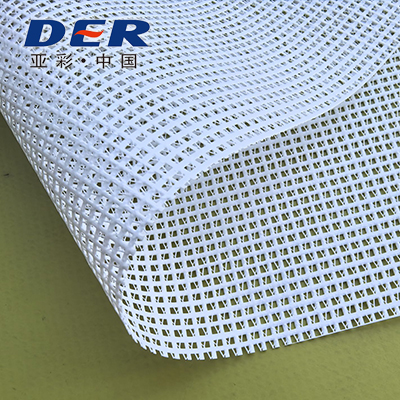
DERFLEX PVC coated mesh tarp material
Mesh tarp: airflow, shade and wind relief
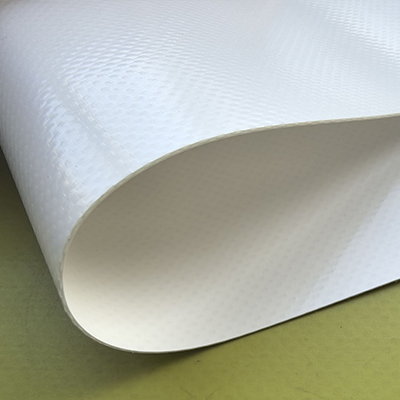
DERFLEX solid PVC tarpaulin material
Solid tarp: waterproof PVC protection
Quick answer for buyers

Do not choose by image or price only. Start with the exposure condition, required airflow, rain sensitivity, wind load, abrasion, fixing method and repeat purchasing plan.

Choose mesh when the cover must breathe.

Useful for shade screens, dump loads, privacy barriers, fencing, agriculture and areas where trapped heat or wind ballooning may create problems.

Choose solid when the load must stay dry.

Suitable for truck cargo, equipment, outdoor storage, temporary shelters, construction materials and industrial covers needing stronger weather shielding.

Use a mixed program for complex jobs.

Some projects use mesh for ventilation zones and solid PVC tarp for waterproof zones. DERFLEX can help match both materials in one sourcing plan.

Buyer Intent

Why the “mesh tarp vs solid tarp” decision matters

Many tarp failures start before production. The selected cover looks correct on a screen, but it does not match the real use: wind lifts it, rain passes through it, heat builds up under it, or the edge points tear because the fixing method was not considered.

For B2B purchasing, the right question is not simply “Which tarp is stronger?” A better question is: “What should this tarp protect against, and what should it allow through?” Mesh and solid structures answer that question in opposite ways.

  • Mesh tarp allows air movement and can reduce wind pressure compared with a sealed cover.
  • Solid PVC tarp creates a closed surface for rain, dust, UV exposure and outdoor material protection.
  • Correct hems, grommets, webbing and tensioning are just as important as fabric weight.
  • For repeat purchasing, DERFLEX recommends confirming material, shade level, GSM, color and packaging before bulk order.

DERFLEX material direction

DERFLEX supplies custom PVC coated mesh tarp materials and solid PVC tarpaulin products for truck, construction, agriculture, outdoor storage, industrial cover and OEM distribution programs.

Our support focuses on project matching: material structure, weight direction, roll width, mesh openness, waterproof requirement, edge reinforcement, grommet spacing, packaging and long-term repeat order consistency.

Mesh directionPVC coated polyester mesh for airflow, shade and debris control.
Solid directionPVC coated polyester tarpaulin for waterproof and heavy-duty protection.
Supply formatRoll goods, cut panels, semi-finished or finished custom tarp.
Buyer supportOEM color, label, packaging and specification records.
Two Material Systems

When mesh tarps work better, and when solid tarps make more sense

The following comparison is designed for contractors, truck operators, distributors, fabricators and purchasing teams who need a practical specification direction before asking for samples or quotation.

Mesh Tarp

Breathable coverage for airflow, shade, reduced wind load and loose-material control.

Recommended when you need:

  • Airflow through the cover
  • Shade without sealing the area
  • Reduced wind ballooning
  • Loose debris containment
  • Privacy or screening with some visibility control
  • Lighter handling for large covers

Typical DERFLEX options

PVC coated polyester mesh, custom mesh openness, approx. 200gsm, 280gsm, 350gsm, 420gsm or project-based structure, reinforced hems, webbing, rope edges, grommets, pockets and OEM packaging.

Solid Tarp

Closed-surface protection for waterproof coverage, weather shielding and industrial durability.

Recommended when you need:

  • Rain, snow and road spray protection
  • Dust and contamination blocking
  • Stronger privacy and full visual coverage
  • Truck cargo or equipment protection
  • Weldable seams and reinforced fabrication
  • Longer-term outdoor industrial covering

Typical DERFLEX options

PVC coated polyester tarpaulin, common 350–1100gsm directions with stronger custom routes available, width discussion from 1.02m to 5.10m depending on material, UV, anti-mildew and flame-retardant options.

Side-by-Side Comparison

Mesh tarp vs solid tarp specification table

Use this table to narrow the material direction before confirming finished size, fabric weight, color, hems, eyelets and packaging.

Project Factor Mesh Tarp Direction Solid Tarp Direction DERFLEX Buyer Note
Airflow Strong choice when ventilation is needed. Blocks airflow and creates a sealed surface. Choose mesh for heat relief, greenhouse shading, fencing and dump truck loose loads.
Water protection Not suitable for full rain blocking because water passes through the open structure. Better choice for waterproof protection when fabric and seams are correctly specified. For water-sensitive goods, specify solid PVC tarpaulin and discuss welded seams.
Wind load Allows air through and can reduce ballooning under exposed conditions. Can catch more wind if installed without proper tension and reinforcement. Large covers need careful grommet spacing, webbing, corner patches and fixing design.
Sun and shade Filters sunlight while keeping air moving. Provides stronger sun blocking and full surface coverage. Mesh openness should be selected according to shade, privacy and airflow targets.
Debris control Works well for leaves, light waste, mulch, gravel, construction debris and visual screening. Works better when small dust, rain, mud or contamination must be blocked. Send particle size, load type and route condition for truck tarp recommendations.
Truck and trailer use Common for dump trucks, landscaping trailers and loose loads that do not need dry coverage. Common for flatbed, cargo, machinery, lumber, steel, agriculture storage and long-haul covers. DERFLEX can discuss mesh/vinyl combinations for fleet programs.
Finished fabrication Reinforced hems, grommets, webbing, rope edges and pockets are important for tension. Welded seams, reinforced hems, D-rings, straps, rope-in-hem and corner patches may be used. Do not finalize by fabric only; confirm the complete tarp construction.
Purchasing cost direction Often economical for shade and airflow applications, depending on weight and reinforcement. Usually higher material coverage and coating requirement, depending on GSM and finishing. Compare total service value, not only unit price per square meter.
Product Image Display

DERFLEX tarp material visuals for buyer selection

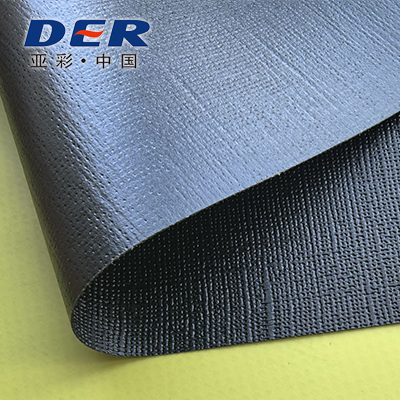
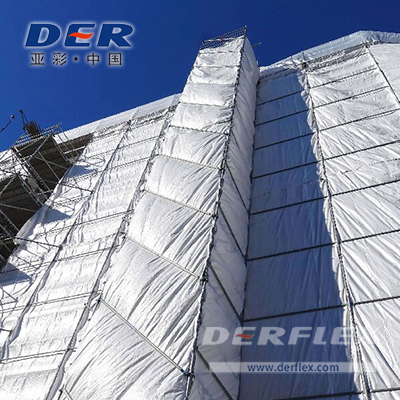
Real DERFLEX website product images are used here to support material recognition and project discussion.

Application Matching

Which tarp works better by project type?

The same tarp can perform very differently depending on exposure, wind, load, handling frequency and installation method.

01

Dump trucks and landscaping trailers

Mesh tarp is often suitable for mulch, branches, gravel, leaves, waste and loose materials where airflow and load containment matter more than waterproofing. Use solid tarp when the material must remain dry.

02

Construction fencing and jobsite screening

Mesh tarp helps control visibility, shade and debris while allowing wind to pass. Solid tarp creates a stronger enclosure but needs more attention to wind load and fixing points.

03

Agriculture and greenhouse shade

Mesh tarp can reduce sun stress while keeping air circulation. Solid tarp is better for covered storage, hay protection, equipment shelter and rain-sensitive materials.

04

Outdoor storage and machinery covers

Solid PVC tarp is usually the practical direction for waterproof equipment protection. Mesh can be used when ventilation, drying or heat release is more important than rain blocking.

05

Truck cargo and logistics

Solid tarps are selected for cargo protection, flatbed covers and long-haul transport. Mesh is useful for specific loose-load containment and applications where wind relief is needed.

06

OEM tarp programs and distributors

DERFLEX can support material roll supply, finished custom tarps, color direction, packaging, labels and repeat-order specification records for market-specific programs.

Selection Process

How to choose the right tarp before requesting a quote

A clear request helps DERFLEX avoid vague recommendations and prepare a more accurate mesh or solid tarp proposal.

Define the project exposure

Share whether the tarp faces rain, sun, wind, dust, abrasion, road spray, folding, dragging or repeated tie-down stress.

Decide what must pass through

If air and heat must pass, consider mesh. If water, dust and sunlight must be blocked, consider solid PVC tarp.

Confirm finished construction

Specify hem width, grommet spacing, webbing, D-rings, rope edge, pockets, welded seams or stitched seams.

Build a repeatable spec

For OEM and distribution, record GSM, color, mesh openness, width, packing and label requirements before bulk supply.

Why choose DERFLEX for mesh and solid tarp projects?

DERFLEX focuses on factory-direct tarp material supply and project-based customization for international B2B buyers. Instead of treating the tarp as a standard online product, DERFLEX helps customers define the material, structure and fabrication details around real working conditions.

  • PVC coated polyester mesh and solid PVC tarpaulin supply directions.
  • Custom size, color, GSM, mesh openness, surface finish and accessories.
  • Roll goods, cut panels, semi-finished covers and finished custom tarp options.
  • Support for distributors, contractors, truck fleets, fabricators and OEM private-label programs.
Factory Thinking

Good tarp sourcing is not only a material choice

A correct tarp specification combines base fabric, coating, mesh openness or waterproof surface, thickness or GSM direction, edge reinforcement, accessories, packing and end-use handling. A cover used on a construction fence is not the same as a cover used on a truck, and a breathable shade tarp should not be evaluated like a fully waterproof industrial cover.

DERFLEX can help compare mesh and solid tarp options at the inquiry stage, then prepare samples or bulk quotation according to your project size, application and purchasing plan.

Need mesh tarp, solid tarp or both?

Send your application, size, quantity, material direction, weather exposure, mesh openness or waterproof requirement, color, edge reinforcement, grommet spacing, webbing, packaging and destination information. DERFLEX will review the project and recommend a practical specification route.

Custom material matching Roll or finished tarp supply OEM label and packing support B2B export quotation route
FAQ

Mesh tarp vs solid tarp questions from buyers

Clear answers help purchasing teams prepare better specifications and reduce sampling mistakes.

Is a mesh tarp better than a solid tarp?

Mesh tarp is better when airflow, shade, reduced wind pressure and loose debris control are more important than waterproof coverage. Solid tarp is better when rain protection, sealed coverage and stronger weather blocking are required.

Are mesh tarps waterproof?

No. Mesh tarps have an open structure, so air and water can pass through. They are selected for ventilation, shade, screening and wind relief. For waterproof protection, choose a solid PVC tarpaulin or waterproof tarp design.

What tarp should I use for dump truck loads?

Mesh tarps are commonly used for loose loads such as landscape debris, waste, gravel, mulch and similar materials that do not require dry coverage. Solid PVC tarps are more suitable when the load should be protected from rain or road spray.

Which tarp handles wind better?

A mesh tarp can reduce wind pressure because air passes through the fabric. A solid tarp can perform well when properly tensioned and reinforced, but it may catch more wind if the installation design is weak.

Can DERFLEX customize the tarp size and edge finishing?

Yes. DERFLEX can discuss custom size, roll width, fabric weight, mesh openness, color, reinforced hems, webbing, rope edges, grommets, D-rings, pockets, printed logo, label and export packing.

Can I use both mesh and solid tarp in one project?

Yes. Many projects combine both: mesh for airflow or privacy zones and solid PVC tarp for waterproof or full-cover zones. DERFLEX can help buyers organize a combined material and finished-cover sourcing plan.

What should I send before asking for a quotation?

Please send the application, finished size or roll width, quantity, target material, mesh openness or waterproof requirement, color, edge design, grommet spacing, webbing, label, packing method and expected outdoor conditions.

Consulting Services
+86-021-54361792 / 54361798
Email
sales@derflex.com