
Where Will the Ridge Line Run?
The boom, a support frame or dedicated ridge system may be used to create slope. The layout should reduce flat pockets where rain or snow can accumulate.



DERFLEX supplies sailboat cover tarp materials and custom fabricated cover programs for marine distributors, cover makers, boatyards, marinas and OEM brands. PVC coated polyester options can be specified for waterproof protection, reinforced stress points, rigging access, ventilation details and repeatable wholesale supply.
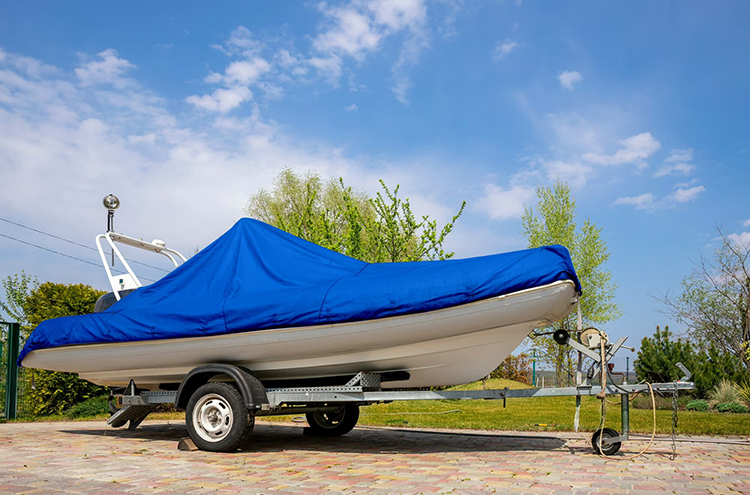
A sailboat cover tarp is a protective marine cover developed around the shape and hardware of a sailing vessel rather than selected only by length and width.
Depending on the program, the cover may protect the full deck during seasonal storage, form a boom-supported winter cover, shield the cockpit and companionway, or provide a fitted cover for dealer yards and marina storage. A heavy duty sailboat cover tarp may use PVC coated polyester when the project prioritizes waterproofing, weldability, tear resistance and easy cleaning.
For sailboats, however, material strength is only one part of the system. A waterproof sheet can still perform poorly if water collects between support points, if sharp hardware abrades the fabric, or if trapped moisture has no ventilation path. The cover therefore needs to be considered as a combination of fabric, geometry, reinforcement, fastening and ventilation.
DERFLEX approaches a custom sailboat cover tarp from the manufacturing side: the buyer can source coated fabric rolls, cut panels, semi-finished kits or finished covers depending on local fabrication capability, order volume and the level of pattern control required.
For professional buyers, the right specification is built around how the cover carries water, wind and tie-down stress across a complex deck shape.
The boom, a support frame or dedicated ridge system may be used to create slope. The layout should reduce flat pockets where rain or snow can accumulate.
Pulpits, stanchion tops, cleats, winches, mast collars, frame corners and boom ends can become concentrated wear points if the cover moves in wind.
PVC coated fabric can provide strong water protection, but the finished cover should still use planned ventilation where condensation and mildew risk are concerns.
Mast-up winter covers need carefully positioned collars, flaps or zippered openings around rigging paths while maintaining practical weather protection.
Grommets, D-rings, webbing loops or strap points should correspond to reinforced zones and practical attachment locations rather than being spaced generically.
A seasonal yard cover can prioritize robust protection, while a frequently handled cockpit or boom cover may need lower weight and easier folding.
A waterproof sailboat cover tarp is not defined by coating alone. Seam method, reinforcement, cover slope and installation all influence how the finished cover manages rain and outdoor exposure.
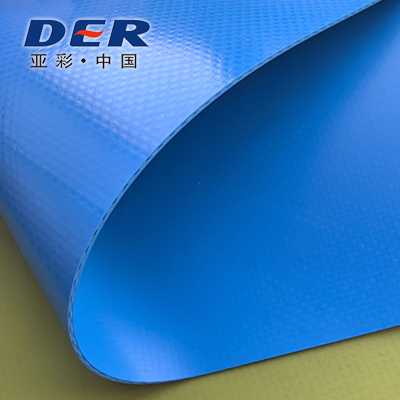
For long-term outdoor storage, winter lay-up and wholesale marine cover lines, PVC coated polyester is often selected because it combines a coated waterproof surface with a reinforced textile base. It can also support heat-welded seams and easy-clean surface treatments depending on the selected grade.
DERFLEX can discuss lighter or heavier constructions according to handling frequency, cover span, expected wind exposure, cold climate, UV exposure and budget. Final performance values should be confirmed against the approved technical specification and sample.
The table is a quotation-preparation guide rather than a fixed specification. The final construction should be confirmed by boat geometry, cover purpose, target market and approved sample.
| Product Direction | Custom sailboat cover tarp, full-deck storage cover, boom-supported cover, winter cover, cockpit cover, fitted marine cover. |
|---|---|
| Material Options | PVC coated polyester is a common heavy-duty waterproof direction; alternative coated or laminated structures can be reviewed for handling, breathability strategy, cost or market positioning. |
| Typical Weight Direction | Approx. 450–900 gsm+ for PVC marine cover programs. Lighter or heavier options can be discussed according to span, handling and duty level. |
| Surface / Functional Options | UV-resistant treatment, mildew-resistant treatment, lacquer/easy-clean surface, cold-resistant formulation and other project-specific options subject to specification. |
| Seam Construction | Heat-welded seams for compatible PVC constructions; sewn details may be used for selected reinforcement, hardware or access features. |
| Reinforcement | Double-layer patches, webbing reinforcement, rope hems, reinforced perimeter, abrasion pads and localized load-spreading panels. |
| Fastening Options | Grommets, D-rings, webbing loops, straps, rope edges, buckles or buyer-specified fastening layouts. |
| Sailboat Access Features | Mast collars, rigging slots, zippered access, inspection flaps, cockpit openings, stern access or removable sections according to pattern. |
| Ventilation | Vent panels or vents can be integrated where condensation control is required. Quantity and position should be matched to the cover geometry and use environment. |
| Supply Format | Coated fabric rolls, cut panels, semi-finished kits, custom fabricated covers, folded wholesale packs or private-label OEM programs. |
| Branding & Packing | Custom color, logo printing, labels, care instructions, carton marks, folded packing, roll packing and distributor packaging can be discussed. |
All numeric ranges and options are indicative. Confirm test method, tolerance, material data, dimensions and finished-cover requirements before production approval.
A clear measurement package reduces pattern revisions and helps the manufacturer identify where reinforcement, access and ventilation should be considered.
No single material is ideal for every cover. The correct choice depends on waterproofing, breathability strategy, handling frequency, service period and price target.
Well suited to waterproof sailboat cover tarp programs where the buyer needs welded seams, stronger tear performance, repeatable roll supply and easy-clean surfaces.
Useful for temporary storage, short seasonal use and price-sensitive cover programs where low weight and simple handling are priorities.
Often selected when breathability, appearance and sewn fitted-cover construction are more important than a fully coated PVC surface.
The product can be developed around a specific use condition instead of forcing every sailboat into one universal cover pattern.
For boatyards, marinas and seasonal storage where deck hardware, cockpit and exposed surfaces need broad weather protection.
Custom construction with mast collars, rigging access and planned ridge/support geometry for off-season storage.
A cover layout that uses the boom or dedicated support to help create slope and protect the cockpit/deck area from rain and sun.
Smaller fitted cover programs for helm, cockpit seating, pedestal, companionway and equipment protection.
Repeat size programs for distributors, boat dealers, yacht yards and marinas that need organized replacement or seasonal cover supply.
Custom size series, color, branding, labels and packaging for marine accessory brands and sailboat cover tarp wholesale programs.
The objective is to control the specification before bulk production, especially when the cover has irregular geometry or multiple hardware openings.
Confirm sailboat type, environment, cover purpose, quantity and supply format.
Review dimensions, drawings, photos and critical rigging / hardware positions.
Match fabric weight, coating, UV/mildew options and fabrication method.
Confirm size, access details, reinforcement, hardware and packing before scale-up.
Control repeat specification, labels, packing, carton marks and shipment details.
DERFLEX is positioned for buyers who need scalable material or cover supply rather than only a one-off retail cover.
A sailboat cover tarp manufacturer should be able to discuss more than finished size. Material structure, repeatability and construction details matter when the order becomes a product line.
DERFLEX can discuss PVC coated fabric structure together with seam method, reinforcement, hardware and finished-cover requirements so the specification is not separated from the end use.
Buyers can source roll goods, cut panels, semi-finished kits or fabricated covers. This helps local cover makers keep pattern work in-house while distributors can source more complete programs.
Color direction, material weight, dimensions, hardware layout, labels and packing can be documented for follow-up orders after sample approval.
For sailboat cover tarp wholesale programs, size series, branding, labels, carton marks and export packaging can be coordinated with the buyer’s product line.
A lighter frequently handled cover and a heavy duty sailboat cover tarp for winter storage should not be specified the same way. Material direction can be reviewed against the actual use environment.
Inspection can focus on agreed items such as material appearance, dimensions, seam consistency, edge reinforcement, hardware position, packing and other confirmed project criteria.
These internal pages are directly related to sailboat cover materials, custom fabrication and marine outdoor performance.
Answers focus on practical sourcing, specification and use considerations for distributors, marinas, cover fabricators and OEM brands.
PVC coated polyester is often selected for heavy-duty waterproof sailboat cover tarp programs because it provides a coated water barrier, reinforced textile strength and good fabrication compatibility. Final material choice should also consider ventilation, UV exposure, cold climate, handling frequency and the desired cover weight.
Custom openings, mast collars, rigging slots, zippered access and boom-supported layouts can be discussed from drawings, measurements and photos. The exact pattern should be approved before bulk production.
Water shedding depends on the cover geometry. The design should use an appropriate ridge or support system, avoid broad flat spans and maintain tension without overloading grommets or fittings. Support poles, a boom ridge or a dedicated frame may be used depending on the boat and storage method.
Where condensation and mildew are concerns, ventilation should be considered even when the outer fabric is waterproof. Vent location and quantity should be planned so air can move without creating obvious rain-entry paths.
A cover can be designed for transport, but trailering creates dynamic wind pressure and movement that are different from stationary storage. Material strength, fit, reinforcement and tie-down layout should be reviewed specifically for road use, and the finished cover should be validated on the actual boat configuration.
Send boat model/type, LOA, beam, required cover drop, mast-up or mast-down status, boom dimensions, deck hardware positions, photos or drawings, cover purpose, material preference, target quantity, fastening details, branding requirements, packing method and destination.
DERFLEX can discuss wholesale and OEM supply models including roll material, panels, fabricated covers, custom colors, labels, logos and packing. MOQ and commercial terms depend on the selected construction and order requirements.
For a faster quotation, include boat dimensions or drawings, mast/boom configuration, intended use, preferred material, reinforcement points, quantity, packing requirement and destination market.