


What Do the British Call a Tarp?
In British English, the standard full word is tarpaulin. The shorter word tarp is understood in the UK, especially in trade, outdoor and camping contexts, but dictionaries generally mark it as mainly or usually American.
The British usually call a tarp a “tarpaulin”. “Tarp” is a shorter, more informal term that is widely understood in the UK. The exact British word can change with the job: a painter may use a dust sheet, a tent user may use a groundsheet, and British military or bushcraft users may say basha for a shelter sheet.
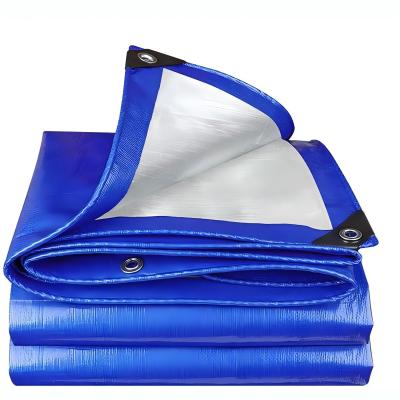
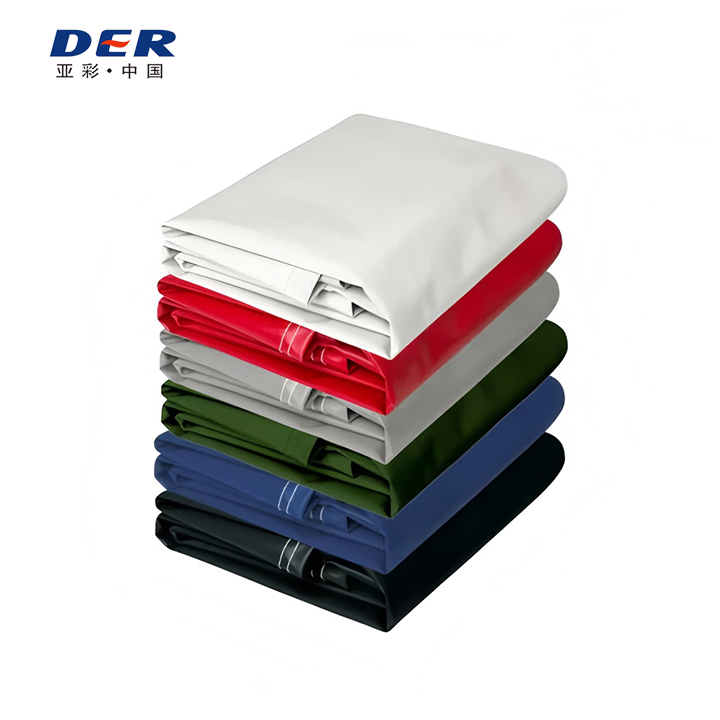
DERFLEX waterproof tarpaulin product image. For UK-facing industrial copy, “tarpaulin” is normally the clearest head term.
Is “tarp” American English or British English?
Major dictionaries point in the same direction: tarpaulin is the normal British form, while tarp is treated as a shorter form associated mainly with American or North American English. In everyday UK trade language, however, “tarp” is still easily understood.
Language note: modern commercial usage is more flexible than dictionary labels. UK retailers, builders, campers and tradespeople may still use “tarp”, but “tarpaulin” remains the safest British-English wording for formal product pages, specifications and purchasing documents.
British words for “tarp” change with the application
A useful answer should separate a general tarpaulin from more specific British terms. These words overlap in function, but they do not always describe the same product.
| Word used in the UK | Typical meaning | Where you may hear it | Is it the same as a general tarp? |
|---|---|---|---|
| Tarpaulin | A large flexible protective sheet, often waterproof or water-resistant. | Construction, transport, farming, storage, retail, industrial procurement. | Yes — this is the standard British head term. |
| Tarp | Shortened form of tarpaulin. | Trade speech, camping, outdoor use, online searches. | Usually yes, but it is more informal. |
| Dust sheet | A sheet for protecting floors, furniture or surfaces from paint, dust and decorating debris. | Painting, decorating, renovation. | Not necessarily. It may be cotton, canvas, plastic-backed or another protective material. |
| Groundsheet | A protective sheet placed on the ground. | Camping, tents, temporary work areas. | Function is more specific: it goes under something rather than over it. |
| Basha | A simple waterproof shelter sheet or improvised overhead cover. | British military, bushcraft, outdoor communities. | Related, but context-specific rather than a general purchasing term. |
| Cover sheet | Descriptive phrase for a protective covering sheet. | General trade or project descriptions. | Sometimes, but it does not define material or performance. |
For a UK product page, lead with “tarpaulin”
If the target market is the United Kingdom, use tarpaulin in the H1, title tag, technical specifications and RFQ language. Use tarp naturally in supporting copy because buyers may search either term.
Good phrases include heavy duty tarpaulin, PVC tarpaulin, waterproof tarpaulin, made-to-measure tarpaulin, tarpaulin roll and truck tarpaulin. “Tarp” can appear in explanatory text, FAQs and synonym-rich passages without forcing repetition.
Use UK spelling around the product term
For a British-facing page, small spelling choices reinforce local relevance. Write colour rather than “color”, programme rather than “program” when referring to a supply programme, and enquiry where appropriate.
For technical product terms such as GSM, PVC, eyelets, D-rings, webbing, welded seams and polyester base fabric, the vocabulary is largely shared across markets.
What does a British buyer usually mean by these tarpaulin searches?
The word itself does not define the material. Commercial intent becomes clearer when the search includes duty level, material, size or end use.
| Search phrase | Likely buyer intent | Specification details to confirm |
|---|---|---|
| tarpaulin | General protective sheet for outdoor, transport, building or storage use. | Material, GSM, finished size, colour, eyelets, UV exposure. |
| heavy duty tarpaulin | Stronger reusable cover for repeated handling, weather and higher stress. | Base fabric, coating, reinforcement, seam method, hardware layout. |
| PVC tarpaulin | Weldable coated polyester material for reusable or fabricated covers. | GSM, yarn/weave, coating route, surface finish, welding method. |
| waterproof tarp | Rain-protection sheet or finished cover. | Material structure, seams, drainage, edges, fixing method. |
| made-to-measure tarpaulin | Custom finished cover built around exact dimensions or an irregular shape. | Drawing, finished size, stress points, eyelet/D-ring positions, openings and access features. |
| tarpaulin roll | Roll goods for local fabricators, welding shops, converters or distributors. | Roll width, roll length, colour, finish, material weight, packing and batch consistency. |
If a British buyer says “tarp”, what material do they mean?
There is no single “tarp material”. The correct structure depends on service life, exposure, handling and how the finished cover will be fabricated.
PVC-coated polyester
Common for reusable heavy duty tarpaulins, truck covers, equipment covers and industrial protection. It can be selected for waterproof performance, stronger reinforcement and welding fabrication.
PE tarpaulin
Lightweight and economical for temporary coverage, garden use, short-term site protection and high-volume general-purpose sheets.
Canvas or mesh
Canvas can be chosen where breathability matters. Mesh is selected when airflow, shade or reduced wind loading is more important than a complete rain barrier.
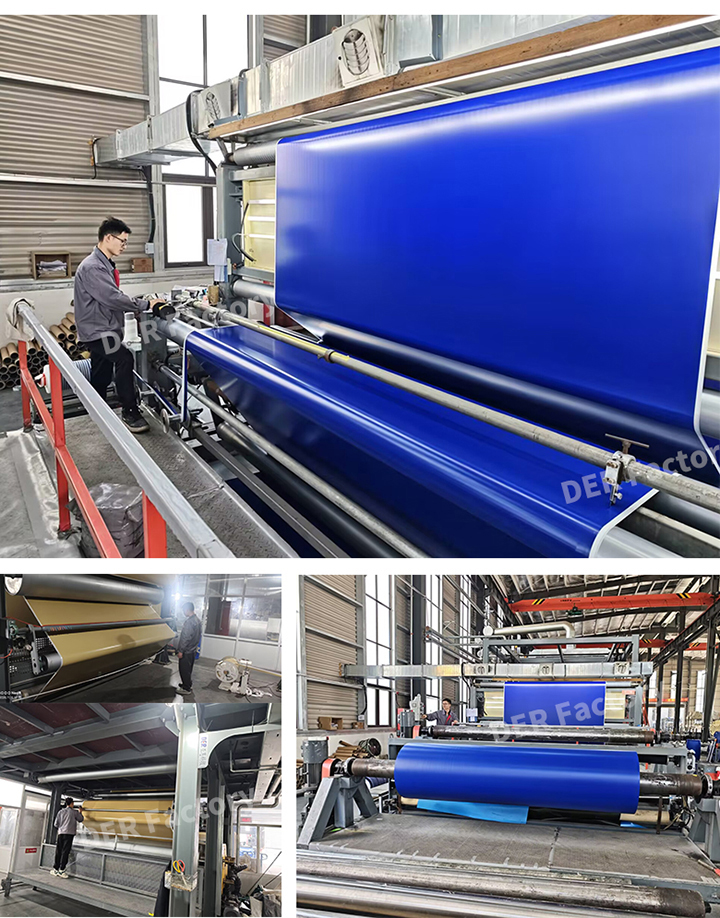
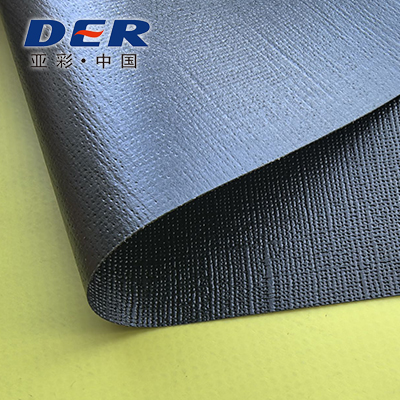
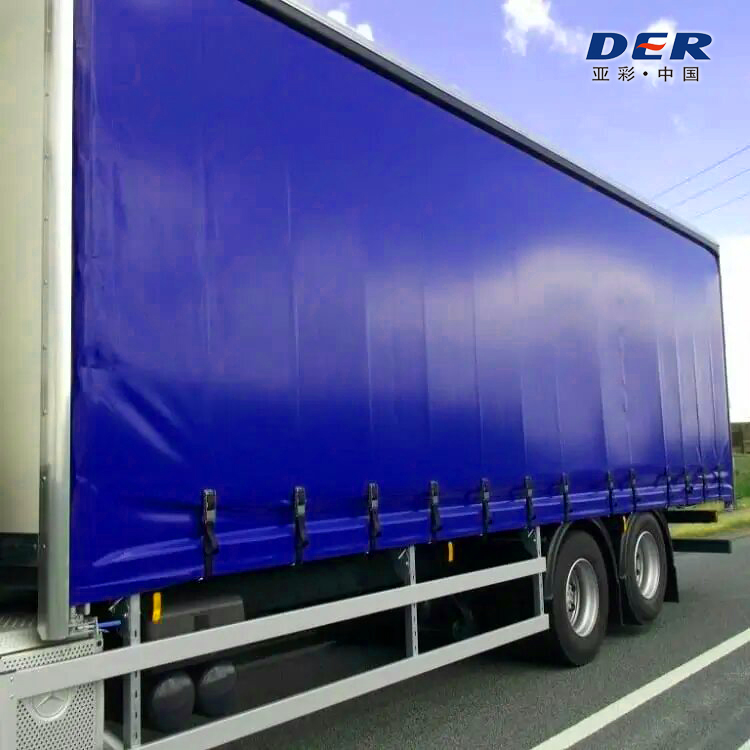
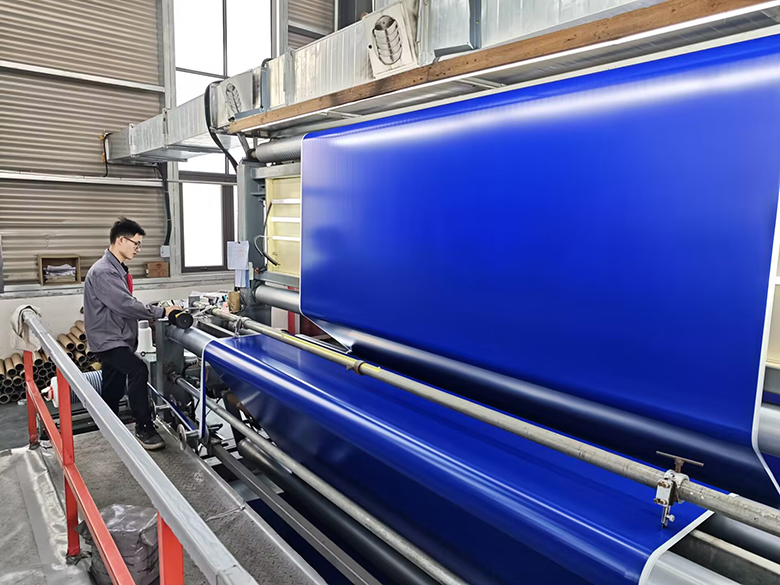
DERFLEX tarpaulin images for product, material and factory context
These are real DERFLEX site images. The alt text is written around the page topic without repeating the same keyword unnaturally.
What to specify after you have chosen the word “tarpaulin”
For B2B sourcing, vocabulary is only the first step. A useful enquiry turns the general term into a measurable material and fabrication requirement.
Buyer checklist
- Application: truck, machinery, construction, agriculture, storage, shelter or resale.
- Supply format: roll material, cut panel or finished tarpaulin.
- Dimensions: finished cover size or required roll width.
- Material direction: PVC-coated polyester, PE, canvas or another structure.
- Weight / grade: GSM or known reference sample if available.
- Weather exposure: rain, sunlight, wind, temperature and use duration.
- Finishing: welded seams, hems, webbing, rope hem, eyelets, D-rings or straps.
- Branding: logo, labels, colour range and private-label packaging.
- Compliance: identify the exact required test or market standard before production.
- Commercial details: quantity, destination and expected repeat-order pattern.
Better UK RFQ wording
Instead of:
“Need a strong tarp.”
Use:
“We need a heavy duty PVC tarpaulin for outdoor equipment covers in the UK. Finished size: [L × W × H]. Outdoor exposure: [details]. Required colour: [colour]. Edge finishing: [eyelets / webbing / D-rings]. Quantity: [qty]. Please advise suitable material weight and fabrication.”
This moves the conversation from vocabulary to specification and makes quotations easier to compare.
Do not treat every British tarp-related word as the same product
1. “Dust sheet” is not a universal synonym
A decorator’s dust sheet may be breathable fabric or plastic-backed material and is chosen for paint and dust protection, not necessarily outdoor waterproofing.
2. “Groundsheet” describes position
A groundsheet is used under a tent, load or work area. The same material could be waterproof, but the function differs from an overhead cover.
3. “Tarp” does not tell you the material
It could mean PE, PVC, canvas, mesh or another coated textile. Always confirm construction, weight and end use before quoting.
4. Heavy does not automatically mean heavy duty
Service performance also depends on base fabric, coating quality, seams, reinforcement, hardware and stress concentration.
5. Waterproof fabric is not the whole finished cover
Seam design, welding or sewing, edge finishing, drainage and fixing points affect the weather performance of a completed tarpaulin.
6. UK terminology should not override technical clarity
Use “tarpaulin” for local language relevance, but specify the measurable product: material, GSM, dimensions, reinforcement and fabrication.
Continue from British terminology to tarpaulin selection
These six verified DERFLEX pages move from the language question into the material, performance and manufacturing decisions buyers usually make next.
People also ask about British tarp terminology
What do the British call a tarp?
The standard British English term is tarpaulin. “Tarp” is also understood in the UK, but it is shorter and more informal, and dictionaries commonly associate it more strongly with American English.
What is a tarp called in the UK?
Usually a tarpaulin. For specific jobs, the UK may use other words: “dust sheet” for decorating protection, “groundsheet” for a sheet placed on the ground, or “basha” for a simple military or bushcraft shelter sheet.
Is “tarp” an American word?
“Tarp” is especially associated with American English and is commonly labelled as US or North American in dictionaries. It is nevertheless widely understood and also used informally in Britain.
Is a tarp the same as a tarpaulin?
Usually yes. “Tarp” is the shortened form of “tarpaulin”. The meaningful product differences come from material, weight, coating, reinforcement, seams and hardware rather than the short or long name.
What do British painters call a tarp?
For covering floors and furniture during decorating, dust sheet is often the more natural British term. A plastic waterproof cover may still be sold as a tarpaulin.
What do British campers call a tarp?
Both “tarpaulin” and “tarp” are used. A sheet placed under a tent is a groundsheet. In British military and bushcraft contexts, basha can refer to a simple shelter sheet.
Should a UK product page use “tarp” or “tarpaulin”?
Use tarpaulin as the main formal product term and include “tarp” naturally in supporting copy, FAQs and synonym coverage. That matches British English while still reflecting how people search.
What wording should I use when buying an industrial tarp for the UK?
Use a specific phrase such as “heavy duty PVC tarpaulin”, “waterproof PVC tarpaulin” or “made-to-measure tarpaulin”, then provide the application, size, material or GSM, weather exposure, reinforcement, hardware, quantity and required standard.
Need a PVC tarpaulin specification for the UK market?
Send DERFLEX the application, finished size or roll width, quantity, preferred material direction, colour, reinforcement, hardware and destination. The team can review a practical roll-material or finished-cover route before quotation.