


 COATED FABRICS / COLOUR APPROVAL
Material sourcing / Brand colours / Repeat orders
PVC Tarpaulin
Color Matching.
PVC tarpaulin color matching starts with a physical reference and ends with an approved sample of the actual coated fabric. A RAL code identifies the intended shade, but it does not define the surface finish, viewing light or acceptable batch variation. For custom color coated fabric, agree the material construction, face and reverse, gloss, assessment conditions and acceptance rule before bulk production. DERFLEX buyers can use this guide to prepare a RAL PVC tarp enquiry, approve a representative sample and keep replacement panels and repeat orders aligned with the same controlled reference.
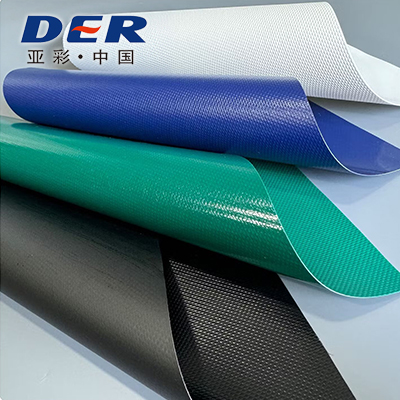
A repeatable colour decision
The reference.
The finish.
The acceptance rule.
- Start with a physical standard
- Identify the colour system, sample edition and approved coated-fabric master.
- Compare under agreed conditions
- Use the same lighting, backing, orientation and measurement setup.
- Keep the same basis for reorders
- Retain the master revision, material specification and lot traceability.
DERFLEX technical reference · Updated 27 November 2026
01 / Define the target
What does a RAL PVC tarp specification actually mean?
It means the coating colour is being developed toward a named RAL reference, with the final match accepted on the agreed PVC fabric. Specify the RAL collection and code, identify the physical card and confirm its surface type. A paint card and a flexible, textured coating can have different appearances even when their colour readings are close.
Provide an unfaded physical sample when matching an existing product. If a brand manual contains only an RGB, HEX or CMYK value, use it to begin the discussion and then approve a physical material sample. RAL's own guidance recommends a physical reference for the final colour decision. Screens, photographs, office printouts and messaging-app images are useful for communication, but they cannot establish a contractual colour match.
| Reference supplied | Useful for | What must be settled next |
|---|---|---|
| RAL or Pantone reference | Communicating a target shade using an identified physical standard | Collection / code, reference condition, final material and acceptable appearance |
| Existing fabric swatch | Matching a specific coated surface and its visual character | Whether it is the approved original, a new production piece or a weathered sample |
| Approved coated-fabric master | Bulk approval and subsequent repeat-order comparisons | Unique reference ID, revision, face, finish, retained copies and agreed limits |
| Photo or digital colour value | Early discussion, design intent and selecting candidate directions | A physical sample on the intended construction before production approval |
On a small screen, scroll the table horizontally. Colour systems are references, not claims of certification or unrestricted colour availability.
Start with the PVC tarpaulin material range and identify the required supply format. Matching a roll material is a different approval task from matching a complete cover containing webbing, printed graphics and hardware.
02 / Compare consistently
Fix the light before judging the match.
Two materials may look alike under one light source and separate under another. This is illuminant metamerism. It matters when a PVC cover must coordinate with painted vehicle panels, sewing thread, reinforcement tape or printed logos. Assess the actual components together, using the primary viewing condition and any secondary light that matters in service.
A defined primary light
D65, representing average daylight, is a common assessment condition. Name the intended illuminant and the agreed viewing setup; uncontrolled sunlight at different times is not a repeatable inspection method.
A relevant secondary light
If appearance under retail, warehouse or event lighting matters, agree that condition too. F11 / TL84 or a specified LED condition may be relevant. A lamp's colour temperature alone does not fully identify its spectrum.
Place clean, flat samples together on the same neutral background, with the same face and orientation toward the viewer. Keep the viewing angle consistent. For translucent materials, define the backing or transmitted-light arrangement: a white inspection table and a dark truck body can produce different impressions through the same fabric.
Gloss, embossing and lacquer also affect appearance. Approve colour alongside the required surface finish; accepting a gloss sample does not automatically approve a matte production coating.
When the number passes but the panel looks different
Check the reference revision, light, face, backing and gloss before changing the pigment target. A measurement made under one setup cannot resolve an appearance dispute assessed under another.
03 / Make the limit meaningful
Specify the colour-difference formula, not only “Delta E”.
Delta E expresses a calculated colour difference from a reference. CIELAB ΔE*ab and CIEDE2000 ΔE00 use different calculations; their numerical limits are not interchangeable. A complete colour requirement names the formula, measurement conditions and agreed acceptance limit. There is no single universal Delta E limit that guarantees every PVC tarp will look acceptable in every application.
| Field | What to record | Why it changes the conclusion |
|---|---|---|
| Reference | Approved master ID, revision and material face | Both parties must measure against the same target |
| Colour coordinates | L*, a*, b*, together with illuminant and observer | A total difference alone does not describe the direction of the shade change |
| Difference formula | ΔE*ab, ΔE00 or another agreed method; relevant settings | A limit for one calculation cannot simply be relabelled as another |
| Instrument geometry | Geometry, aperture, calibration and specular setting where applicable | Readings from different geometries or SCI / SCE modes need not agree |
| Sample presentation | Face, backing, layers, orientation, tension and measurement positions | Texture, translucency and local variation can affect the reading |
| Decision rule | Limit, individual / average basis, sampling and visual assessment | An average can hide a visibly different area or an adjacent-panel mismatch |
SCI includes and SCE excludes the specular component in a compatible instrument setup. Select and retain the agreed mode; neither is a universal substitute for visual acceptance.
L* describes lightness; a* tracks the green–red direction and b* the blue–yellow direction. Keeping these components with the total colour difference helps explain whether a trial is lighter, redder or more yellow than the master. If the contract also controls gloss, opacity or whiteness, name those separate properties rather than expecting one Delta E value to cover them.
Use a representative sample trial to agree a technically achievable tolerance. The inspection fields above are a specification checklist, not a statement that DERFLEX has already measured a particular order or guarantees a fixed numerical tolerance. Define the required evidence through the tarpaulin testing and inspection guide.
04 / Approve the actual construction
Move from colour intent to a controlled fabric sample.
For custom color coated fabric, the approval sample should represent the intended base fabric, coating build, finish and face. A pigment sample or smooth colour chip can communicate a target, but it cannot establish the appearance of a different finished textile construction. Choose the applicable tarpaulin roll supply specification before treating the shade as final.
Identify the target
Supply the physical reference, colour code, application, visible face and intended finish. State whether the aim is a new brand colour, a replacement panel or a repeat of an accepted order.
Review a representative trial
Compare the actual coated-fabric sample under the agreed conditions. Record any instrument results requested and the visual decision, including differences across the face and reverse.
Freeze the approved revision
Identify and date the accepted master. Agree its construction, finish, viewing conditions, limits and retained copies. Record which version supersedes an earlier trial.
Connect approval to production
Agree lot sampling, roll identification, panel-matching needs and what happens if a result falls outside the acceptance rule. Keep production and dispatch decisions traceable to the approved reference.
A colour change can also require review of processing or outdoor performance. Check a trial joint on the final material when the cover will be welded; the heat-welded tarpaulin guide explains the fabrication scope. When exposure matters, define colour-change and other relevant requirements with the UV-resistant PVC tarpaulin specification. Matching the initial shade does not establish weathering resistance, thermal performance or flame performance.
05 / Control repeat orders
Match the master and manage neighbouring panels.
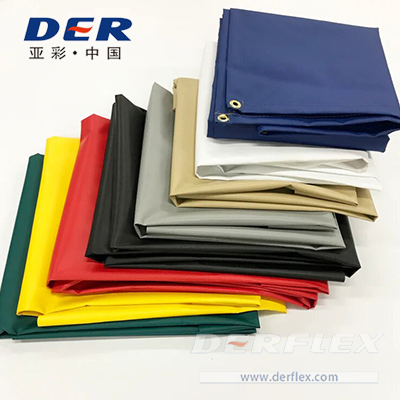
Compare each reorder with the retained approved master, rather than allowing each accepted shipment to become the next target. Successive small shifts can otherwise move the programme away from its original colour. Keep the same material and finish revision; disclose any intended construction or formulation change before a new approval decision.
| Comparison | Inspection question | Practical purchasing action |
|---|---|---|
| Within one roll | Does shade remain consistent across the width and through sampled lengths? | Agree measurement / visual sampling positions and retain roll IDs |
| Between rolls in one lot | Can panels from different rolls sit next to each other acceptably? | Agree panel grouping and mark rolls for the fabricator where required |
| Between production lots | Does the new lot meet the same approved master and limits? | Use the controlled reference revision and consistent assessment conditions |
| New material beside an aged cover | Is the target the original colour or the weathered surface? | Define the replacement objective separately; do not approve from an outdoor photo alone |
Sampling frequency and release limits must be agreed for the order. These rows do not prescribe a universal inspection plan.
For tents, truck curtains and large OEM covers, tell the supplier which panels will be seen together. Two rolls that each meet a general master tolerance may still require a tighter adjacent-panel comparison. Store retained samples clean, protected from light and contamination, and review their condition before using them as future approval references.
06 / Before you order
Send a colour brief the supplier can act on.
Send the application, reference and required amount first, even if the measurement settings are not yet defined. DERFLEX can discuss custom colour, material and finish requirements through the enquiry route. Agree feasibility, sample charges if applicable, order quantity and timing for the requested construction; a colour code alone does not establish stock, MOQ, lead time or a free sampling policy.
PVC TARPAULIN COLOUR APPROVAL BRIEF
Application / supply format: [rolls, panels or finished cover]
Colour system / code / physical reference ID: [identify]
Material construction / face / reverse: [specify]
Finish / gloss / embossing / opacity: [specify]
Primary and secondary viewing conditions: [agree]
Instrument formula / geometry / settings, if required: [agree]
Master tolerance and adjacent-panel rule: [agree separately]
Sample approval / master revision / retained copies: [identify]
Lot sampling / roll traceability / deviation handling: [agree]
Quantity / destination / target delivery / required records: [state]
Attach this colour brief to your complete tarpaulin RFQ. Keep required test reports and sample approvals in the quotation scope so the purchase order, fabricator and receiving inspection use the same acceptance basis. For a combined material and fabrication release, use the colour, coating and weld approval guide.
07 / Buyer questions
PVC tarpaulin colour matching FAQ.
Can PVC tarpaulin be matched to a RAL colour?
A RAL reference can be used to request a target shade. Confirm the exact collection and code, then approve a physical sample on the intended coated-fabric construction and finish. Availability and achievable tolerance must be agreed for the order.
Is a photograph enough to approve a custom tarp colour?
A photograph is useful for an initial enquiry, but camera settings, lighting and screens change its appearance. Use an identified physical reference and an approved fabric sample for final acceptance.
What Delta E tolerance should I request?
Agree a limit after reviewing representative samples and the application's visual requirements. Specify the colour-difference formula, illuminant, observer, measurement setup and sampling rule. No single numerical limit is appropriate for every PVC tarp.
Why do two matching samples look different under another light?
They may form a metameric match: materials with different spectral reflectance can appear alike under one illuminant and different under another. Compare the actual components under the relevant primary and secondary lighting conditions.
Can repeat orders use the same approved colour?
Request the same approved master revision, construction and finish, with a defined batch acceptance rule and roll traceability. Keep a retained master rather than using each shipment as the next target, and state any adjacent-panel matching requirement.
Will a new replacement panel match an old outdoor cover?
Not necessarily. Weathering, dirt and surface wear can change the old cover's appearance. Decide whether the replacement should match the original approved colour or the aged surface, then assess physical samples under agreed conditions.
08 / Further reading
Reference guidance for colour approval.
RAL COLOURS: digital and physical colour references — guidance on using physical standards for final colour decisions.
AMANN: metamerism in textile colour matching — why lighting and material combinations affect the perceived match.
X-Rite: colour tolerancing — an instrument supplier's introduction to specifying colour differences; project-specific acceptance remains separate.