News
Company News

Tarpaulin RFQ Template | Complete Specification Checklist for Buyers | DERFLEX

Update:2026/9/14 16:25:36 Views:
B2B Procurement Template · Tarpaulin Specification Control

Tarpaulin RFQ Template: Complete Specification Checklist

Turn a vague “please quote a heavy duty tarp” inquiry into a specification suppliers can price on the same basis, a factory can reproduce, and your quality team can inspect.

This buyer-ready RFQ framework covers PVC tarpaulin rolls, welded panels and custom finished tarps: application, construction, GSM or thickness, dimensions, tensile and tear targets, seams, reinforcement, grommets, testing, packaging, quantity, destination and approval documents.

Quick answer

A useful tarpaulin RFQ should define 13 groups of information: end use, service environment, supply format, material construction, GSM/thickness, dimensions and tolerances, mechanical performance, weather or compliance needs, seams and reinforcement, hardware, printing/branding, quantity/packing/destination, and sample/testing/inspection requirements. If a field is not yet known, mark it “supplier to recommend” rather than leaving the supplier to guess silently.

Procurement intent

A Tarpaulin RFQ Is a Comparison Tool, Not Just an Inquiry Email

The commercial value of an RFQ is not the number of fields it contains. It is whether those fields stop suppliers from quoting different constructions under the same general product name.

1

Start with the failure risk

Truck covers, construction sheets, agricultural covers and equipment tarps can fail for different reasons. State wind exposure, abrasion, folding, water exposure, low temperature, attachment load and handling cycle before choosing a material grade.

2

Separate material from fabrication

Base fabric, coating, GSM and tensile data describe the sheet. Seams, hems, webbing, corner patches, grommets and D-rings describe the finished cover. Both need to be controlled when you buy fabricated tarps.

3

Make every number inspectable

A value only becomes a procurement control when the unit, test method, direction, tolerance or acceptance basis is clear enough for the same item to be checked during approval and production.

Related technical reference: use DERFLEX’s tarpaulin technical specification guide when you need deeper detail on material construction, tensile/tear values, adhesion, dimensions, fabrication and inspection logic.
RFQ architecture

Classify Each Field as Mandatory, Conditional or Supplier-Recommended

This simple classification prevents two common problems: over-specifying details that do not matter and under-specifying details that directly affect quality or price.

RFQ field Priority What the buyer should write Why it affects the quotation
Application & environmentMandatoryEnd use, indoor/outdoor, weather, wind, abrasion, handling frequency, contact surfaces.Drives material and reinforcement direction before weight or price is selected.
Supply formatMandatoryRoll goods, cut sheet, welded panel, or finished tarp.Changes processing scope, packing, dimensional control and unit-price basis.
Material familyMandatoryPVC coated polyester, laminated construction, PE, mesh, clear PVC, existing sample, or “supplier to recommend.”Different material systems should not be compared as if they were equivalent.
GSM / thickness / base fabricConditionalState only values that are actually controlled; otherwise give the application and required performance.Weight, thickness and yarn construction influence handling, strength and price but are not interchangeable quality grades.
Finished dimensions & toleranceMandatoryLength × width × drop, shape, openings, cut size vs finished size, drawing revision and units.Prevents fit disputes and clarifies material consumption and seam planning.
Strength / test valuesConditionalMinimum value, unit, MD/CD direction and named method where the buyer requires a measurable threshold.A headline number without method or direction may not be comparable.
Special performanceConditionalUV, cold, mildew, low-wick, flame-retardant, antistatic, chemical or other project requirement.Some functions must be designed into the material and may require evidence or separate testing.
Fabrication & hardwareMandatory for finished tarpsSeam route, hem, webbing, rope, patches, grommets, D-rings, straps, pockets, sleeves, zippers.Attachment zones often determine real-world durability.
Branding & packingConditionalLogo, warnings, label, barcode, individual packing, carton, roll packing, pallet or shipping mark.Changes artwork approval, labor, pack dimensions and repeat-order identification.
Quantity & destinationMandatoryTrial/bulk quantity, size/color mix, destination port/country and requested commercial basis.Needed for production planning, packing and a comparable commercial offer.
Approval & inspectionLock before bulkApproved sample, specification revision, test evidence, inspection points and shipment-release documents.Turns the quote into a repeatable supply reference rather than a one-time description.
Do not use GSM alone as the RFQ. Two tarpaulins with the same nominal weight can use different yarn, weave density, coating distribution, surface treatment and edge construction. The DERFLEX tarp specifications guide explains why a complete specification needs more than one headline number.
Copy · edit · send

Complete Tarpaulin RFQ Template

Copy this structure into email, your ERP/RFQ system or a supplier portal. Delete non-applicable fields, but keep the section headings so gaps remain visible.

Buyer-ready RFQ text template

TARPAULIN RFQ / REQUEST FOR QUOTATION 

A. BUYER & PROJECT 
Buyer / Company: 
Contact: 
Project / Program Name: 
End Application: 
Destination Country / Port: 
Trial Order or Repeat Program: 
Target Order Timing (if applicable): 

B. USE ENVIRONMENT 
Indoor / Outdoor: 
Expected Weather Exposure: 
UV / Sun Exposure: 
Wind / Flutter / Tie-Down Load: 
Abrasion / Sharp-Edge Risk: 
Temperature / Cold-Flex Requirement: 
Chemical / Oil / Mildew / Other Exposure: 
Expected Handling Frequency / Service Cycle: 

C. SUPPLY FORMAT 
[ ] Roll goods 
[ ] Cut sheets / panels 
[ ] Welded panels 
[ ] Finished tarps / covers 
[ ] OEM / private-label packed goods 
Other: 

D. MATERIAL CONSTRUCTION 
Preferred Material Family: 
PVC Coated or Laminated (if defined): 
Base Fabric / Denier / Weave (if controlled): 
Nominal GSM + Tolerance: 
Nominal Thickness + Tolerance (if controlled): 
Color / Color Reference: 
Surface Finish / Lacquer / Texture: 
Required Roll Width / Roll Length: 
Supplier Recommendation Allowed? Yes / No 
Existing Sample / Benchmark Code: 

E. PERFORMANCE REQUIREMENTS 
Tensile Strength MD / CD + Method: 
Tear Strength MD / CD + Method: 
Coating Adhesion + Method: 
Waterproof / Hydrostatic Requirement + Method: 
Abrasion Requirement + Method: 
UV / Weathering Requirement: 
Low-Temperature Requirement: 
Mildew / Low-Wick / Antistatic / Chemical Requirement: 
Flame-Retardant Standard / Classification (if required): 
Other Mandatory Performance: 

F. FINISHED SIZE & DRAWING 
Finished Length × Width: 
Side Drop / Flaps / Overlap: 
Shape / Curves / Cut-Outs: 
Cut Size or Finished Size Basis: 
Dimensional Tolerance: 
Drawing Number / Revision: 
Installation / Anchor Reference Drawing Attached? Yes / No 

G. FABRICATION 
Seam Position / Orientation: 
Welded / Sewn / Supplier to Recommend: 
Hem Width / Construction: 
Webbing / Rope Edge: 
Corner / High-Stress Patches: 
Wear Strips / Abrasion Zones: 
Pockets / Sleeves / Windows / Vents / Zippers / Velcro: 
Other Fabrication Notes: 

H. HARDWARE & ATTACHMENT 
Grommet / Eyelet Material: 
Inside Diameter / Size: 
Spacing and Position: 
D-Rings / Buckles / Straps / Hooks: 
Anchor-Point Drawing or Center-to-Center Dimensions: 
Reinforcement at Hardware: 

I. PRINTING / BRANDING 
Logo / Artwork: 
Pantone / RAL / Color Reference: 
Print Position / Size / Orientation: 
Warning / Handling Marks: 
Part Number / Barcode / Label: 
Private-Label Packaging: 

J. QUANTITY & PACKING 
Total Quantity: 
Size / Color Mix: 
Units: pieces / rolls / m2 / other: 
Folded or Rolled: 
Individual Bag / Carton / Bundle: 
Pallet Requirement: 
Shipping Marks: 
Container / Receiving Constraints: 

K. SAMPLE / APPROVAL 
Material Swatch Required? Yes / No 
Prototype / Finished Sample Required? Yes / No 
Golden Sample / Approved Reference Required? Yes / No 
Sample Identification Method: 
Color Approval Method: 
Pre-Production Approval Required? Yes / No 

L. TESTING / INSPECTION / DOCUMENTS 
Required Test Standard(s): 
Minimum Acceptance Limits: 
Third-Party Testing Required? Yes / No / Conditional 
Pre-Shipment Inspection Required? Yes / No 
Finished-Product Inspection Points: 
Batch / Lot Traceability Requirement: 
Required TDS / Test Report / Declaration / Packing List / Other Documents: 

M. COMMERCIAL QUOTATION BASIS 
Requested Incoterm / Delivery Basis: 
Currency: 
Price Unit Required: per piece / roll / m2 / kg / other: 
Tooling / Plate / Sample Charge to Be Listed Separately? Yes / No 
Packaging Cost Included? Yes / No 
Freight Included? Yes / No 
Quotation Validity Requested: 
Payment Terms Request: 

N. SUPPLIER RESPONSE REQUEST 
Please state: 
1. Proposed material code and construction 
2. Any deviation from this RFQ 
3. Confirmed production specification / tolerances 
4. Sample route and approval points 
5. Test / inspection evidence included in the offer 
6. Packaging method 
7. Commercial unit basis and exclusions 
8. Reorder reference / revision-control method 

Attachments: 
[ ] Drawing 
[ ] Photos 
[ ] Existing sample reference 
[ ] Test standard / customer specification 
[ ] Artwork / label file 
[ ] Packing instruction 
Practical rule: if you do not know a technical field, write the performance problem and mark the field “supplier to recommend.” That is safer than copying a number from another tarp with a different use case. DERFLEX’s tarpaulin buying guide can help you decide which fields should be buyer-defined and which can be left for technical review.
Do not mix scopes

Roll-Material RFQ vs Finished-Tarp RFQ

A converter buying rolls needs different controls from an importer buying finished covers. Separating the two scopes makes price comparison and incoming inspection much clearer.

Roll Goods / Material RFQ

Prioritize these fields

  • Coated or laminated material construction
  • Base fabric denier / weave or agreed strength level
  • Nominal GSM and tolerance
  • Thickness only when it is actually a controlled characteristic
  • Roll width, roll length and usable width basis
  • Color, surface finish and coating appearance
  • Tensile, tear, adhesion and environmental requirements where needed
  • Roll packing, core, labels and lot identification

Finished Tarp / Cover RFQ

Add these production controls

  • Finished dimensions, drops, flaps, cut-outs and drawing revision
  • Panel direction and seam locations
  • Welded or sewn construction
  • Hem, webbing, rope edge and corner reinforcement
  • Grommet / D-ring type, size, spacing and exact anchor positions
  • Wear patches around sharp or high-load areas
  • Logo, part number, barcode and packing identity
  • Finished-product inspection and approved-sample reference
Custom tarp sourcing: when dimensions, hardware and reinforcement are central to the job, review DERFLEX’s custom tarps manufacturing page before freezing the RFQ.
Quote normalization

Build a Comparison Sheet Before Choosing the Lowest Price

Price only becomes meaningful after construction, quantity, unit basis, packaging, testing and commercial scope are aligned.

Comparison field Supplier A Supplier B Supplier C Buyer check
Material code / revision_______________Same construction or documented deviation?
Material family / coating route_______________Coated vs laminated clearly stated?
GSM / thickness basis_______________Target, minimum or range?
Base fabric / strength_______________Directions and test methods comparable?
Finished size / tolerance_______________Cut size or finished size?
Seams / hems / reinforcement_______________Same fabrication scope?
Grommets / D-rings / hardware_______________Material, size and spacing confirmed?
Special performance / compliance_______________Same standard, class and evidence scope?
Sample / testing / inspection_______________Included, optional or excluded?
Packing & labeling_______________Same pallet/carton/roll basis?
Commercial unit & Incoterm_______________Per piece/m2/roll on same delivery basis?
Deviations disclosedYes / NoYes / NoYes / NoHidden substitutions removed from comparison?
Supplier evaluation should continue after the RFQ. For larger import programs, use a production-capability review as well as price comparison. DERFLEX’s tarpaulin manufacturer page explains a specification-led route from application review through sample confirmation and repeat-order reference control.
Procurement risk

Eight RFQ Mistakes That Create Unclear or Misleading Tarpaulin Quotes

Most quotation disputes start with ambiguity that existed before the purchase order was issued.

1. “Heavy duty” with no use case

“Heavy duty” has no universal construction. State what the tarp must survive.

2. GSM treated as quality

Weight does not replace yarn, weave, coating bond, strength or reinforcement information.

3. Cut size and finished size mixed

Hems, seams and fabrication can change the final usable dimensions.

4. Unnamed test numbers

Values without method, unit and direction can look comparable when they are not.

5. Grommets specified without load path

Spacing alone is not enough; edge reinforcement and anchor direction matter.

6. “Waterproof” assumed for the whole cover

Finished-cover water performance also depends on seams, stitching, openings and installation.

7. Compliance requested after sampling

Required standards should be stated before the supplier proposes the material route.

8. Packing left until the end

Labels, fold/roll method, carton size and pallet requirements can affect handling and landed cost.

Weight and thickness need context. If your team is still deciding which measurement to control, use DERFLEX’s GSM, mil, thickness and weight selection guide before issuing a rigid numeric requirement.
From inquiry to repeatability

Six Gates from RFQ to Repeat Order

A strong RFQ is the first controlled document in a chain. Each later step should reference the same approved product definition rather than creating a new informal description.

GATE 01Application briefUse, environment, risk, size and commercial scope.
GATE 02Supplier proposalMaterial code, construction, deviations and price basis.
GATE 03Sample approvalIdentify the swatch or prototype and link it to a revision.
GATE 04PO specification lockFreeze dimensions, properties, fabrication, packing and evidence.
GATE 05Inspection & releaseCheck agreed points against the approved reference.
GATE 06Reorder referenceReuse product code, revision and approved sample for repeat supply.
For higher-risk import programs: combine the RFQ with a supplier capability review before bulk approval. The DERFLEX tarpaulin factory audit checklist for importers covers production ownership, QC, traceability, testing, packing and shipment-release evidence.
DERFLEX image pack

Material, Factory and Application Views for Specification Review

Use product and factory images as supporting evidence, not as a substitute for a written RFQ. Materials that look similar in a photo can still use different yarn, coating, weight, finish and reinforcement.

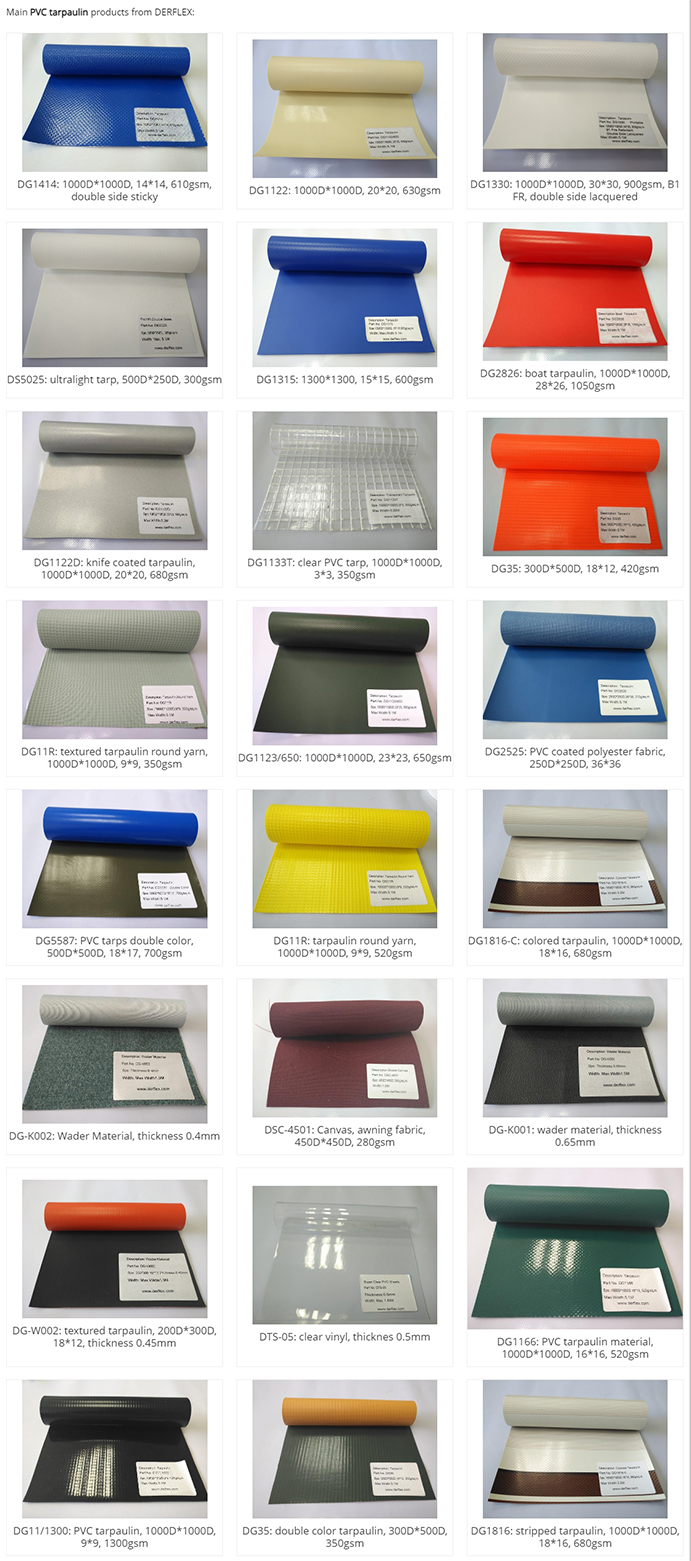
PVC tarpaulin material sample board showing different coated fabric constructions, weights and finishes

PVC Tarpaulin Material Range

A photo can help confirm color, finish and general construction direction, but the RFQ should still identify the approved material code, GSM/thickness basis and required performance.

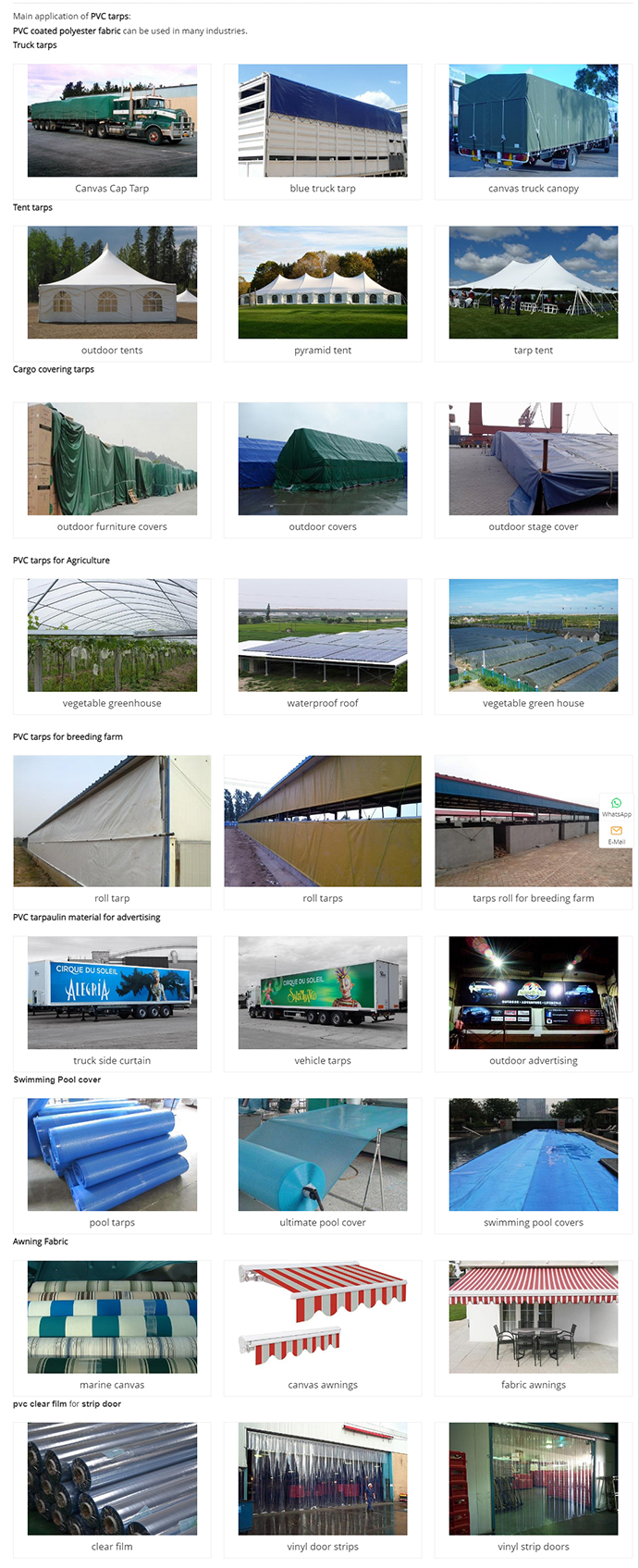
PVC tarpaulin applications for truck covers, tents, agriculture, pools and industrial protection

Application Changes the Specification

Transport, shelter, agricultural and industrial covers place different demands on wind resistance, abrasion, attachment design, flexibility and long-term outdoor exposure.

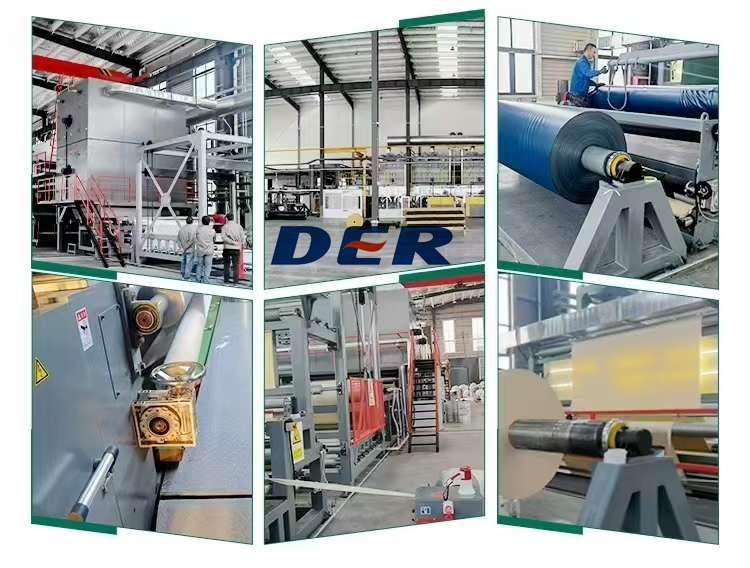
DERFLEX PVC coated tarpaulin production equipment and roll manufacturing

Production Process Matters

Base fabric, coating/lamination route, roll control and finishing capability all influence what a supplier can reproduce from one order to the next.

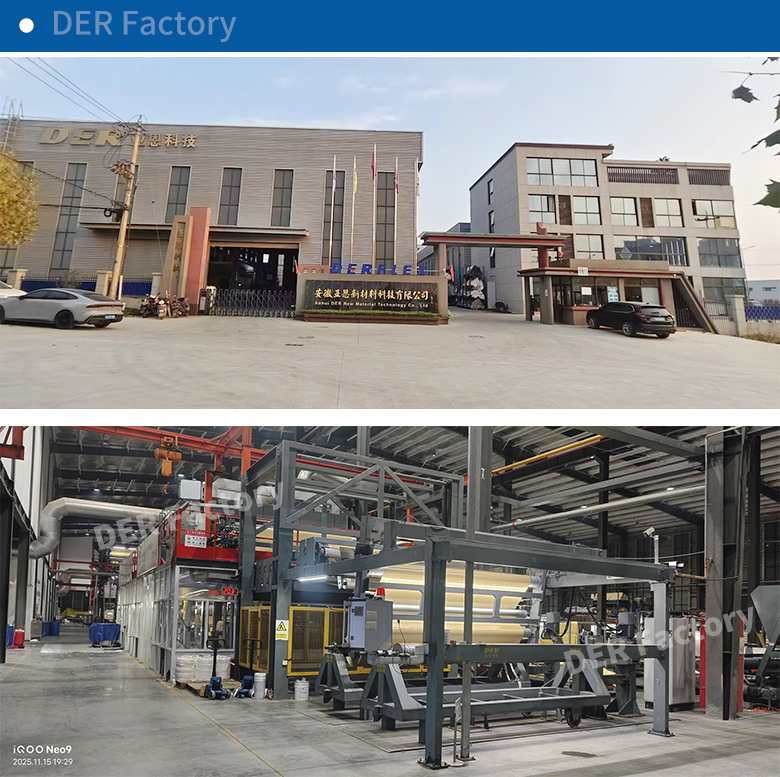
DERFLEX factory exterior and coated fabric production line used for tarpaulin manufacturing

Factory and Manufacturing Context

For repeat B2B sourcing, the RFQ should connect to a manufacturing route, controlled product reference and documented acceptance points rather than only a retail-style product description.

Why DERFLEX

Use One RFQ to Discuss Material, Fabrication and Repeat Supply

DERFLEX supports PVC coated tarpaulin rolls, converted panels and custom finished tarp programs. The practical advantage for procurement is keeping the material definition and finished-cover construction in the same commercial discussion.

Material-first review

Start with application, service conditions and desired supply format, then review PVC coated polyester or other relevant tarp constructions instead of selecting only by headline GSM.

Finished-cover details

For custom tarps, dimensions, seams, hems, webbing, grommets, D-rings, printing and packing can be included in the same RFQ and drawing package.

Sample-to-repeat control

Keep a named material/sample reference, drawing revision and agreed specification with the commercial order so later batches can be compared to a known requirement.

Send a Quote-Ready Tarpaulin Brief

Include the application, finished size or roll size, material direction, GSM/thickness if controlled, reinforcement and hardware, quantity, destination, required tests and packing. Attach a drawing or current sample reference when fit or repeatability matters.

Questions buyers ask

Tarpaulin RFQ & Specification FAQ

Short answers to the questions that commonly block a clear tarp quotation.

What information is needed for a tarpaulin quotation?

At minimum, provide the application, roll or finished-tarp format, dimensions, quantity, material direction or performance need, color, reinforcement/hardware requirements, destination and any mandatory test or compliance requirement. For custom finished covers, add a drawing or clear dimension schedule.

Should I specify GSM or thickness in a tarp RFQ?

Specify GSM or thickness only when your project truly controls those values. If you are replacing an existing product, include the existing sample or known construction. If you are starting from the application, it can be better to state the service conditions and performance targets and allow the supplier to recommend a construction for review.

Is GSM enough to compare two tarpaulin suppliers? ,

No. GSM is useful for material comparison, handling and freight planning, but two tarps at the same nominal weight can use different base fabrics, weave densities, coating systems, surface finishes and reinforcement. Compare the full construction and the finished-cover details.

What should be included in a custom tarp drawing?

Show finished dimensions, drops, flaps, openings, seam direction, hem structure, grommet/D-ring positions, pockets, sleeves, zippers or straps, plus any high-load or abrasion zones. Include a drawing number or revision so sample and production can reference the same version.

How do I compare tarpaulin quotations fairly?

Normalize material construction, GSM/thickness basis, dimensions, hardware, fabrication, test/document scope, packing, quantity, commercial unit and Incoterm. Ask each supplier to state deviations explicitly. A lower price may simply reflect a different construction or excluded scope.

Do I need a sample before a bulk tarp order?

For custom, repeat or higher-risk procurement, an identified material swatch or finished sample is useful because it creates a physical reference for color, finish and construction. Tie the sample to the quotation/specification revision rather than keeping it as an unlabelled sample.

What should I ask the supplier to confirm in the RFQ response?

Ask for the proposed material code, construction, dimensions/tolerances, fabrication details, deviations from the RFQ, sample route, testing or inspection evidence, packing method, commercial unit basis and a reference method for repeat orders.

Procurement note: this page is a specification-planning framework. Final material suitability, tolerances, test methods, compliance requirements, inspection level and commercial terms should be confirmed for the actual application, market and purchase contract.

Consulting Services
+86-021-54361792 / 54361798
Email
sales@derflex.com