Conformity
Does the roll match the correct product code, construction, color, finish, width, roll length and agreed performance requirements?



Before a PVC tarpaulin roll leaves the factory for an overseas customer, shipment release should confirm more than appearance. The material must match the approved specification, the roll must be usable by the converter, its identity must remain traceable, and the packing must protect it through handling, container loading and international transport.
This guide explains the checks that matter to importers, distributors, tarp fabricators, tent makers, truck-cover producers and OEM programs buying PVC coated tarpaulin in roll form.
A practical pre-shipment release should confirm four connected layers: the roll is the material the buyer ordered; its measurable properties and dimensions conform to the approved specification; its surface, winding, core and packaging are suitable for downstream handling; and its labels, batch identity, quantity and shipping marks remain traceable through delivery.
The exact acceptance limits should come from the purchase order, approved sample, technical specification and agreed inspection plan. A factory should not invent universal tolerances after production is complete.
Laboratory results matter, but the overseas customer receives a physical roll: wound on a core, wrapped, labeled, stacked, loaded and later converted into finished products. Final release therefore connects material quality with logistics quality.
Does the roll match the correct product code, construction, color, finish, width, roll length and agreed performance requirements?
Is the roll flat, consistently wound and free from shipment-blocking defects that could interrupt cutting, welding, printing or fabrication?
Can the roll label and batch identity be connected to production and inspection records if the buyer later needs technical support?
Is the core, wrapping, edge protection and pallet or loading arrangement suitable for the agreed shipping route and handling method?
Do roll count, roll IDs, lengths, packing list and assortment agree before the container or shipment is closed?
Are the required inspection results, packing records, photographs and order-specific documents available for the release decision?
A roll can look correct while still being the wrong grade. Before release, the shipment should be tied back to the approved product definition: material family, base textile direction, nominal weight, surface finish, color reference and any order-specific treatment or performance requirement.
For buyers comparing constructions, DERFLEX's PVC tarpaulin material range provides the broader product context, while the shipment-release check focuses on whether the finished rolls correspond to the selected construction.
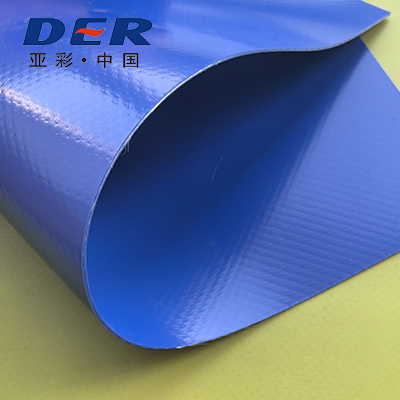
Roll buyers usually care about more than a headline GSM. Width, usable width, roll length, thickness where controlled, total mass, surface condition and winding quality directly affect production planning and conversion yield.
| Check | What We Compare Against | Why It Matters Overseas | Release Evidence |
|---|---|---|---|
| Roll width | Purchase specification and agreed tolerance. | Incorrect width can create cutting waste, panel mismatch or an unusable welding layout. | Recorded width result linked to roll or batch. |
| Roll length | Ordered length and measurement method. | Short rolls change delivered quantity and disrupt converter nesting plans. | Length record, counter record or agreed verification method. |
| GSM / mass per area | Nominal value, tolerance and sampling rule in the order. | Weight helps identify the intended construction and supports repeat-order consistency. | Sampling data tied to production batch. |
| Thickness | Only where thickness is a controlled requirement. | Thickness can influence stiffness and processing, but it should not replace reinforcement or strength data. | Gauge readings taken under the agreed method. |
| Core & winding | Core type, roll diameter direction and packing instruction. | Poor winding or an unsuitable core can create telescoping, edge crush or handling problems after ocean transport. | Visual inspection and packing photos. |
| Color / finish | Approved sample, color reference and surface direction. | Repeat-order shade or gloss differences can cause rejects in branded, tent or vehicle programs. | Batch comparison and visual / instrumental result when specified. |
A more complete purchase specification can be built with the DERFLEX tarpaulin technical specification guide, which separates nominal identifiers from actual acceptance criteria.
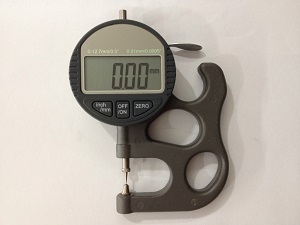
Thickness measurements are meaningful only when the method, measurement point and acceptance basis are defined. Reinforced edges and unusual surface features should not be mixed with ordinary flat-fabric readings unless the specification says so.

GSM is useful for construction control, but equal GSM does not prove equal tensile strength, tear resistance, coating adhesion or outdoor performance. The accepted construction should be evaluated as one system.
Surface inspection should focus on defects that can reduce saleable yield or interfere with downstream fabrication. Depending on the product and order, that can include coating streaks, pinholes, contamination, scratches, wrinkles, exposed yarn, abnormal gloss, edge damage, local delamination or other visible nonconformities.
The important distinction is between a cosmetic variation and a shipment-blocking defect. Buyers should define defect limits and appearance standards in advance, especially for printed side curtains, tents, architectural covers, branded OEM products and large welded panels where one roll can remain highly visible after conversion.
Some properties cannot be proven by looking at a packed roll. Shipment release should therefore connect the physical rolls to the batch-level tests or documents required by the purchase specification.
Relevant for many truck, industrial, tent and cover programs. Direction, method, unit and acceptance limit should be defined rather than inferred from GSM.
Important when the coating-to-textile bond must remain stable through flexing, welding, folding or repeated service.
UV, cold, water, flame or other performance evidence should be requested only when relevant to the selected grade, end use and destination requirement.
DERFLEX's published quality control workflow describes incoming checks, process monitoring, laboratory testing, final roll inspection, export packaging and batch traceability. For a factory-level view of how the roll is built, see Inside a PVC Tarpaulin Factory.
Export inspection should look beyond the fabric surface. Winding tension, core condition, edge alignment and roll geometry influence whether the material arrives ready for unwinding and conversion.
Layers should not shift so far sideways that the roll becomes unstable or difficult to handle. Winding quality should be evaluated before wrapping hides the condition.
Crushed roll edges or damaged cores can reduce usable width and make mounting on a converter's unwinding system difficult. Protection should match the shipping and warehouse handling route.
Where face direction or print/weld orientation matters, the label and packing instruction should make the usable face and winding direction clear to the receiving team.

International transport adds handling stages that a domestic converter may never see: forklift movement, warehouse staging, container loading, long transit, port handling and final unloading. A roll that passes material tests can still create a claim if its packaging allows edge crushing, surface abrasion, label loss or moisture-related damage during the logistics chain.
For custom programs, DERFLEX can discuss roll length, core, wrapping, labels, barcodes and private-label requirements as part of the custom PVC coated fabric program.
| Packaging Point | What to Verify | Risk if Missed | Buyer Instruction to Provide |
|---|---|---|---|
| Outer wrapping | Material is clean and dry; wrapping is intact and appropriate for handling. | Surface contamination, abrasion or damaged presentation. | Required wrap type, retail/private-label requirement, opening direction if relevant. |
| Core protection | Core ends and roll geometry remain protected from compression and impact. | Collapsed core or difficult unwinding at the converter. | Core type, inside diameter and handling method. |
| Edge protection | Roll edges are not exposed to direct crushing or abrasion in the loading plan. | Reduced usable width, edge tears or conversion waste. | Pallet / non-pallet rule and unloading equipment. |
| Label security | Item code, color, lot/batch, dimensions and other agreed marks remain readable. | Warehouse mix-ups and difficult claims investigation. | SKU, barcode, language, brand and customer-specific label fields. |
| Moisture plan | Material is dry before loading; any container moisture controls follow the agreed logistics plan. | Condensation-related staining, packaging damage or label deterioration. | Destination climate, transit route and any specified moisture-control requirement. |
| Load restraint / stowage | Rolls are arranged to reduce movement and damaging contact during transport. | Shifting loads, crushed rolls, torn wrapping or unsafe unloading. | Container type, unloading method and warehouse receiving constraints. |
Traceability is most useful when it survives export packing and receiving. The buyer should be able to connect a physical roll back to the correct item and production history without opening multiple rolls or guessing from color alone.
When a converter identifies a problem, a useful roll ID narrows the investigation. It can help distinguish one roll, one batch or one shipment condition from a broader material issue and supports more efficient repeat-order control.
For regular roll buyers, DERFLEX's tarpaulin roll supply guide explains how roll format, cutting, welding and export supply fit together.
Final loading is a reconciliation step. Quantity, assortment, roll identity and packing condition should agree with the shipment plan before the container leaves the factory.
Confirm roll count, colors, widths, lengths and customer-specific SKUs against the final packing list.
Check for torn wrapping, exposed edges, crushed cores or damage that occurred after inspection but before loading.
Retain useful shipment photos or records when required so the buyer can distinguish packing condition at origin from later transit damage.
Pre-shipment inspection is useful only when there is a clear decision route. The factory and buyer should know who can authorize shipment, what blocks release and how deviations are documented.
Material, dimensions, agreed tests, appearance, packing and quantity meet the applicable order criteria and no shipment-blocking issue remains open.
Missing records, a deviation, segregated material, rework or buyer approval is required before loading.
Affected material is contained and corrected, replaced, re-tested or re-inspected according to the agreed quality plan before release.
The best pre-shipment inspection begins at quotation and sample approval. If the order only says “650gsm blue PVC tarp roll, good quality,” the final inspector has too little objective information to decide what is acceptable.
Provide the application, target construction, GSM/thickness, width, roll length, color, finish, downstream processing method, required test methods, quantity, packaging, private-label details and destination.
If the material will be welded, printed or converted on a specific machine, include that process information so sample approval can reflect the real manufacturing route.
Request PVC Tarpaulin Roll QuoteOrigin inspection and destination receiving should use the same identity system. That makes it easier to separate production nonconformity from transit or unloading damage.
Record the container and visible stowage condition before rolls are moved if there is any sign of load shift, moisture or damaged packaging.
Check the packing list against labels, colors, widths and quantities while the shipment is still organized.
Do not mix visibly damaged or unidentified rolls into normal production before the condition and traceability have been documented.
These pages cover the material, production and specification decisions that happen before the final shipment-release gate.
Typical release checks cover product identity, roll width and length, GSM or thickness where controlled, color and surface condition, winding and core condition, labels and batch traceability, packing protection, quantity reconciliation and required test or inspection evidence. The exact acceptance limits should come from the order specification.
No. GSM measures mass per unit area but does not by itself prove base-fabric construction, tensile strength, tear resistance, coating adhesion, surface quality, roll dimensions, weldability or packing condition. A useful shipment release checks the characteristics relevant to the approved construction and buyer's end use.
Not necessarily. Laboratory testing is normally defined by the purchase specification, risk and batch-control plan. Physical roll information and visible condition can be checked during final inspection, while destructive or specialized performance tests are usually performed on representative samples or according to the agreed test plan.
Poor winding can contribute to telescoping, distorted edges, handling instability or difficult unwinding after transport. A roll that is physically hard to mount or unwind can reduce converter productivity even when the flat fabric itself meets material specifications.
The required fields depend on the buyer, but useful identity can include product code, color, width, roll length, lot or batch reference, customer SKU and barcode or private-label information. The key is that the label connects the physical roll to packing and quality records.
Define the core, wrapping, edge protection, pallet or stacking direction, label protection and container loading method before production is packed. Material should be clean and dry at loading, and any moisture-control or load-restraint requirement should be agreed for the actual route and receiving method.
Send the application, target material construction, GSM/thickness, base fabric or strength targets, width, roll length, color, finish, downstream welding/printing method, required tests, order quantity, packaging, private-label details and destination. This allows the quotation, sample and final inspection to use the same specification basis.
Tell us the application, GSM/thickness, width, roll length, color, test requirements, quantity, labeling, packing method and destination. We can review the order-specific material and shipment-control points during quotation and sample approval.
Updated September 17, 2026 · Buyer-oriented technical guide for PVC tarpaulin roll goods and overseas export release.