


 PVC tarpaulin ? coated fabric ? custom industrial tarp materials
Tarp Meaning: A Complete Guide for Home, Outdoor and Industrial Use
A tarp is more than a temporary cover. In daily life, it may protect a patio, tent or garden tool. In industrial sourcing, it becomes a specification-driven material system involving base fabric, coating, weight, welding, UV resistance, reinforcement and repeat-order consistency.
DERFLEX helps distributors, converters, OEM brands and project buyers understand tarp materials and select suitable PVC tarpaulin rolls or finished tarp solutions for real working conditions.
What Does “Tarp” Mean?
The word tarp is a short form of tarpaulin. It usually means a large, flexible sheet used to cover, shelter, separate or protect objects and spaces from rain, sun, dust, wind, dirt or handling damage.
The simple meaning
For homeowners and outdoor users, a tarp often means a portable protective sheet: something placed over a roof leak, under a tent, on top of firewood, across a truck bed, or above a campsite. These tarps are usually selected by size, color, thickness, price and ease of use.
- Cover furniture, tools, vehicles or building materials
- Create shade, rain protection or temporary shelter
- Protect floors and surfaces during painting or repair
The professional meaning
For industrial buyers, “tarp” means a performance material or finished cover that must fit a specific application. A truck tarp, construction tarp or agricultural tarp is judged by strength, coating adhesion, welding behavior, UV exposure, edge design, grommet spacing, packing method and bulk production consistency.
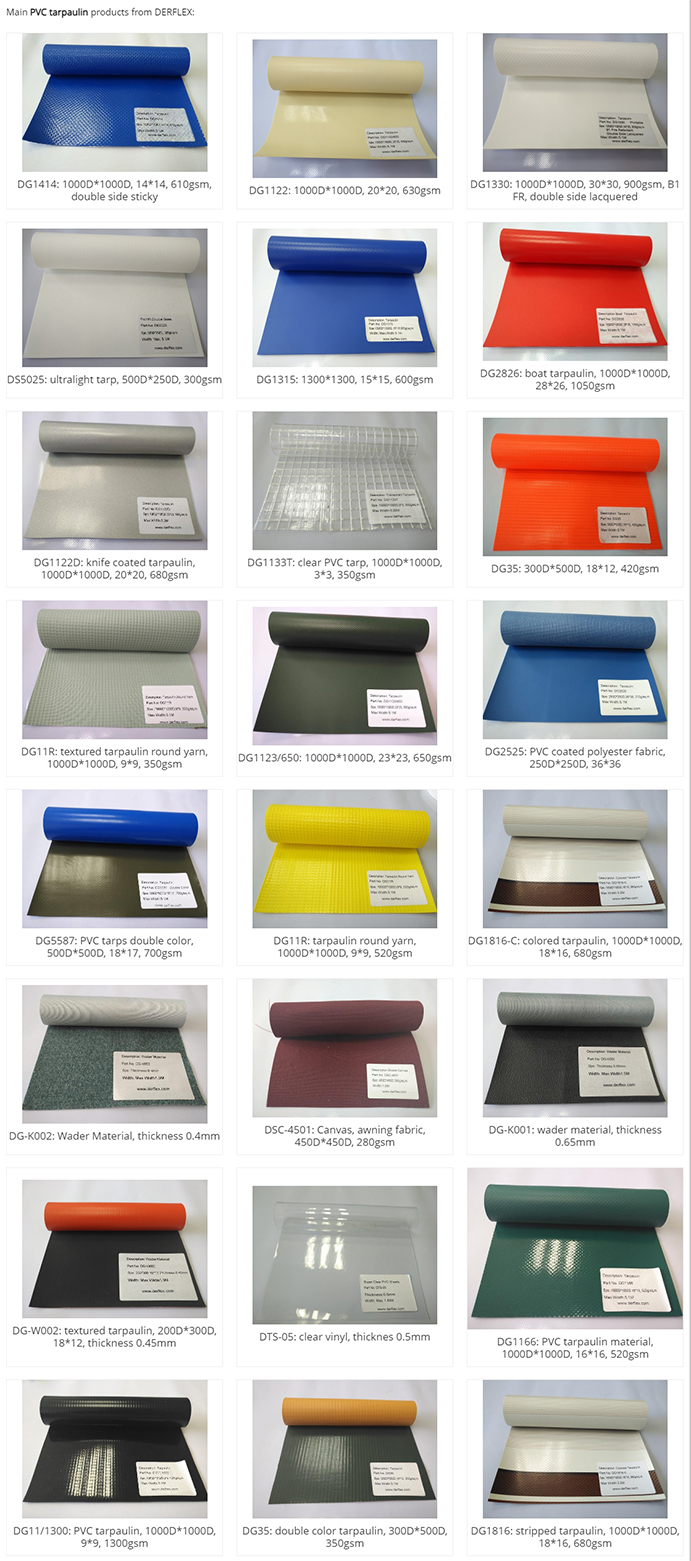
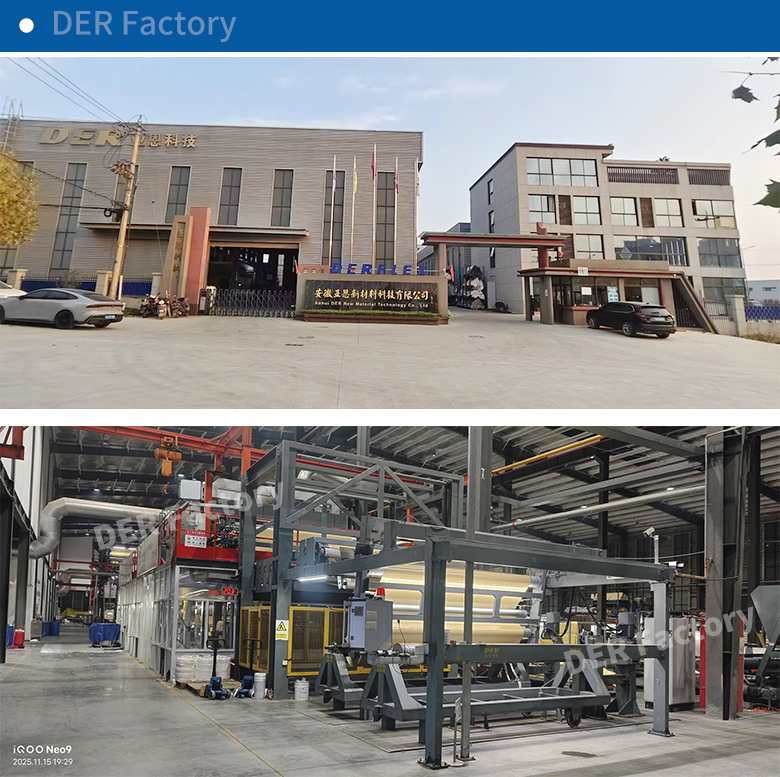
DERFLEX focus: PVC coated polyester tarpaulin rolls and custom solutions for buyers who need dependable material matching, not only standard retail sizes.
Common Tarp Materials and What They Mean for Buyers
A tarp’s real meaning is shaped by the material. Two tarps may look similar online, but the fabric structure and coating can create very different performance in wind, rain, abrasion, sunlight and repeated handling.
| Material Type | What It Usually Means | Typical Uses | Buyer Notes |
|---|---|---|---|
| PE / Poly Tarp | Lightweight woven polyethylene with laminated surface, often chosen for economical and temporary coverage. | Home repair, garden cover, short-term outdoor storage, camping groundsheet. | Useful for price-sensitive jobs, but not always ideal for repeated abrasion, high wind or long service cycles. |
| Canvas Tarp | Breathable woven fabric, sometimes treated for water resistance. | Equipment cover, painting, storage, cargo where breathability matters. | Can reduce condensation compared with sealed plastic covers, but water behavior depends on treatment and exposure. |
| Vinyl / PVC Tarp | Polyester fabric coated or laminated with PVC for stronger waterproofing, weldability and outdoor durability. | Truck covers, construction covers, industrial curtains, agriculture, warehouse, marine and heavy-duty covers. | A practical choice when tear resistance, welding, customization and repeated use are important. |
| Mesh Tarp | Open-weave tarp material designed to allow airflow while reducing wind load and providing shade or containment. | Shade screens, privacy fencing, dump truck covers, agriculture ventilation, construction barriers. | Choose mesh when airflow matters more than full rain blocking. |
| PVC Coated Fabric Roll | Industrial roll material supplied for fabricators and OEM buyers to create custom tarps and covers. | Bulk tarp production, side curtains, tents, awnings, fabricated covers and project supply. | Requires attention to GSM, width, coating adhesion, color stability, surface finish and welding method. |
How the Meaning of Tarp Changes by Application
The same word can describe a small household sheet or a large engineered industrial cover. The right choice depends on exposure, installation method, strength requirement and expected service cycle.
Home protection
For roofs, patios, firewood, flooring and tools, buyers often need easy handling, basic water resistance and suitable size. A lighter or medium-duty tarp may be enough for temporary coverage.
Camping & outdoor
Outdoor users use tarps as shelter, rain fly, groundsheet, hammock cover or shade. Weight, foldability, tie-down points and weather exposure matter more than appearance.
Garden & agriculture
Farm and garden use may include crop protection, hay cover, greenhouse side cover, pond lining, equipment storage and livestock shade. UV resistance and tear strength become important.
Construction sites
Construction tarps protect materials, scaffolding, work areas and temporary enclosures. Buyers may need heavier material, reinforced edges, flame-retardant options or custom panels.
Transportation
Truck and trailer tarps protect cargo against rain, road dust, wind and handling stress. Welded seams, webbing, eyelets, abrasion resistance and custom dimensions are often required.
Industrial programs
For distributors, converters and OEM brands, a tarp becomes a repeatable product program. Roll consistency, packaging, documentation and specification control are part of the buying decision.
How to Read Tarp Specifications Before Ordering
Instead of choosing only by color or size, industrial buyers should read a tarp specification as a performance document. The following details help avoid under-specifying or over-specifying the material.
Material structure
- Base fabric: polyester scrim, canvas, PE woven fabric or mesh.
- Coating: PVC coated, PVC laminated, PE laminated or treated fabric.
- Weight: GSM, oz or mil should be matched to use, not chosen blindly.
- Surface: glossy, matte, embossed, lacquered or printable finish.
Performance and finishing
- Weather exposure: rain, sunlight, snow, temperature change and wind load.
- Fabrication: hot-air welding, high-frequency welding, sewing and eyeleting.
- Reinforcement: hems, webbing, corner patches, grommets and rope edges.
- Program needs: private label, roll length, packing, pallet plan and repeat orders.
From General Tarp Meaning to DERFLEX Material Selection
DERFLEX supports buyers who need a clear path from application requirements to workable tarp material specifications. The goal is to match the material to the job, the fabrication method and the buyer’s supply model.
Confirm use
Define whether the tarp will be used for home cover, outdoor shelter, truck cargo, construction enclosure, agriculture storage or OEM production.
Select material
Choose PE, mesh, canvas or PVC coated polyester depending on waterproofing, airflow, strength, service cycle and total cost.
Match details
Confirm GSM, width, color, coating finish, cold resistance, UV requirement, flame-retardant option and fabrication method.
Plan supply
Decide roll goods, semi-finished panels or finished tarps with packaging, labeling, inspection and export shipment support.
Why Work with DERFLEX for Tarp Materials?
Retail pages help users buy standard tarps. DERFLEX focuses on the manufacturing side: material selection, roll supply, custom specification and long-term cooperation for professional buyers.
For distributors and importers
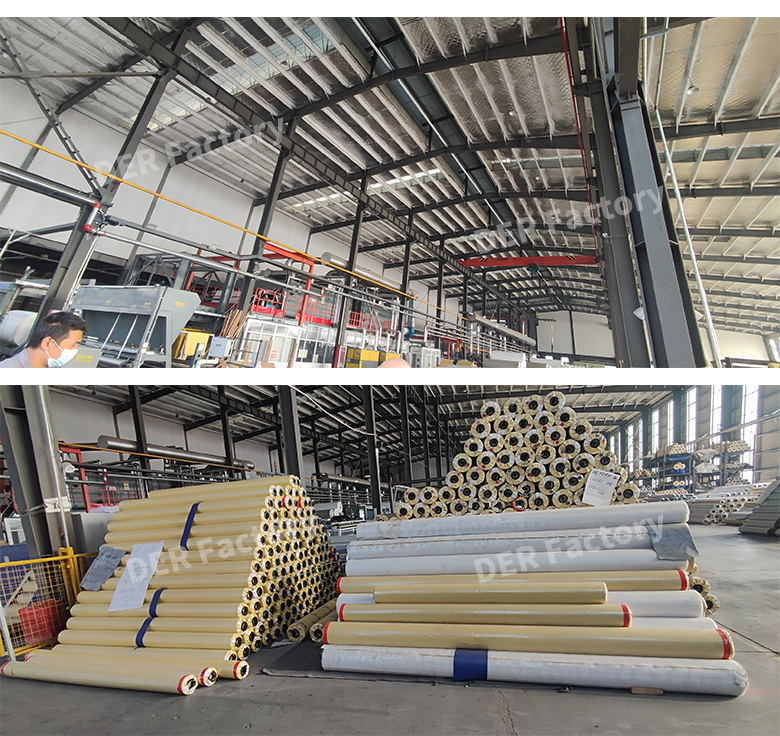
DERFLEX can support bulk PVC tarpaulin materials with custom weight, color, surface finish, roll packing and private-label needs. This helps buyers build a stable product line rather than purchasing one-off standard sizes.
- Custom GSM and roll width options
- Export-ready packing and repeat-order planning
- Material matching for regional climate and application habits
For fabricators and OEM brands
Converters and OEM tarp brands need material that cuts, welds and finishes consistently. DERFLEX supplies PVC coated polyester fabric for truck covers, tents, industrial curtains, agriculture covers and custom fabricated tarp programs.
- Welding-friendly PVC coated fabric
- Surface, color and performance customization
- Support for panels, finished tarps and project requirements
Continue Reading by Tarp Type and Application
These related pages help buyers move from a general definition to specific tarp materials, applications and procurement decisions.
Need Help Choosing the Right Tarp Material?
Send DERFLEX your application, target size, material weight, color, finishing requirement, quantity and destination. Our team can recommend a suitable PVC tarpaulin or custom tarp material based on your project conditions.
Frequently Asked Questions About Tarp Meaning
These answers are written for homeowners, outdoor users and industrial buyers comparing tarp materials and supply options.
What does tarp mean?
Tarp is a shortened form of tarpaulin. It means a flexible protective sheet used to cover, shelter or protect objects and spaces from weather, dust, dirt or handling damage.
Is tarp the same as tarpaulin?
In most usage, yes. “Tarp” is the shorter everyday term, while “tarpaulin” is often used in product names, technical descriptions and international procurement documents.
What is a tarp used for at home?
At home, a tarp can be used for roof repair cover, painting protection, patio furniture cover, firewood cover, garden storage, garage work, floor protection and temporary weather shielding.
What is a tarp used for outdoors?
Outdoors, a tarp is often used as a camping shelter, tent footprint, rain fly, shade cover, groundsheet, hammock cover, picnic shelter or equipment cover.
What does industrial tarp mean?
An industrial tarp is a stronger cover or tarp material designed for demanding applications such as truck cargo protection, construction enclosures, agriculture storage, equipment covers, marine use and OEM fabricated products.
Which tarp material is better for heavy-duty use?
For many heavy-duty and long-term outdoor uses, PVC vinyl tarp material is preferred because it can offer strong waterproofing, tear resistance, abrasion resistance and welding compatibility. The final choice should match the application and required specification.
What details should I provide when requesting a tarp quotation?
Provide application, size, quantity, material type, target GSM or thickness, color, surface finish, UV or flame-retardant requirement, edge reinforcement, grommet spacing, packing method and destination.
Can DERFLEX supply custom tarp materials?
Yes. DERFLEX can support PVC tarpaulin rolls, coated polyester fabric, semi-finished panels and custom finished tarps according to application, weight, width, color, surface finish and packaging needs.