


 Architectural Membrane Materials
Tension Membrane Structure Material Supplier
DERFLEX supplies architectural membrane materials for lightweight roofs, canopies, carports, stadium entrances, transport hubs, public walkways and long-span tension membrane structure projects.
For fabricators, contractors, architects, distributors and project buyers, a successful tension membrane structure begins with the right membrane route: stable coating, suitable tensile strength, reliable weldability, controlled surface finish and documentation that supports the project from sampling to delivery.
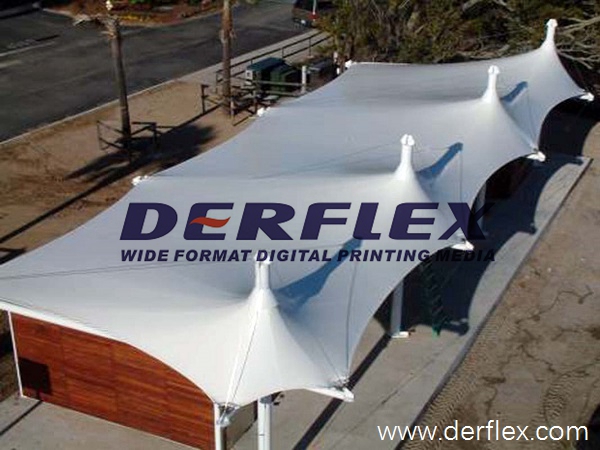
Material First, Structure Ready
DERFLEX focuses on the membrane material itself: coating structure, base fabric strength, surface treatment, roll consistency, fabrication readiness and export supply for architectural projects.
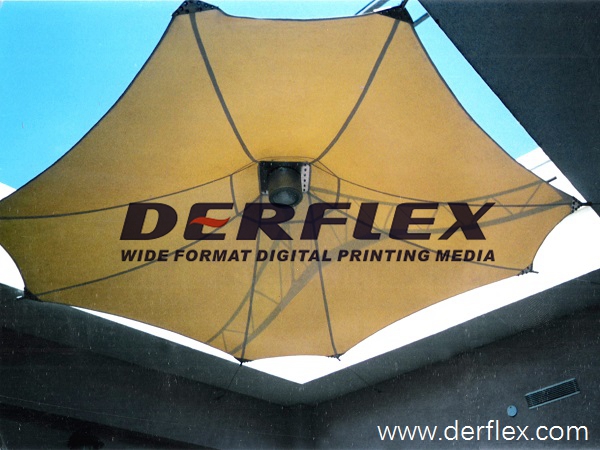
What Is a Tension Membrane Structure?
A tension membrane structure is an architectural roof or building envelope system where a flexible membrane is pre-tensioned and supported by a steel frame, cables, masts, compression rings or other structural elements. Instead of relying on heavy rigid roof panels, the system uses tensile force, curvature and load distribution to create a lightweight but functional covering.
The term is often used together with tensile membrane structure, tension fabric structure, architectural membrane roof, fabric canopy structure and tensile architecture. For procurement teams, the key question is not only the shape of the structure, but also whether the membrane material can match the span, climate, fire requirement, welding method, surface appearance and expected service condition.
Where DERFLEX Fits in the Project Chain
Many companies focus on design, engineering or installation of the entire structure. DERFLEX supports the material side: PVC/PVDF coated polyester membrane, PTFE membrane fabric direction, architectural surface finishing, roll packaging, sample confirmation and OEM project supply for fabricators and contractors.
Choose the Membrane System Around Real Project Conditions
Different tension membrane structures need different material logic. DERFLEX helps buyers compare coating system, fabric strength, finish, translucency, weldability and delivery feasibility before locking in the specification.
PVC / PVDF Coated Polyester
A practical route for many commercial canopies, parking shades, walkways, entrance roofs and medium-to-large architectural coverings. It offers weldability, color flexibility, waterproofing, UV resistance and strong cost-performance.
PTFE Membrane Fabric Direction
A higher-performance direction often considered for permanent landmark roofs, public venues and long-life architectural work where clean appearance, temperature resistance and premium durability are important.
Custom Architectural Finish
White, light grey, colored, matte, glossy, lacquered and PVDF-finished routes can be discussed based on design intent, batch consistency, cleaning frequency, local climate and visual requirements.
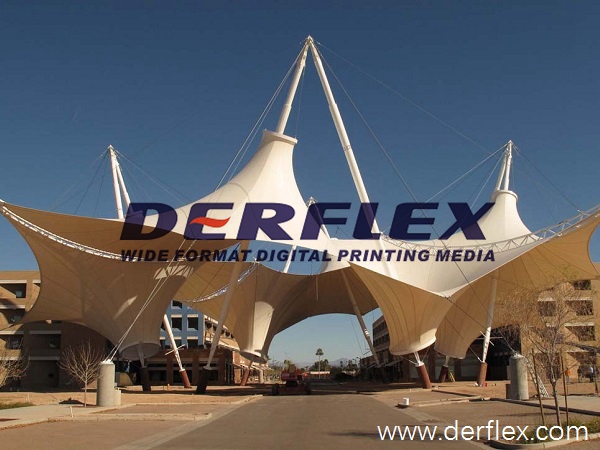
Membrane Material for Fabrication, Welding and Project Supply
DERFLEX does not treat tension membrane structure material as a generic coated roll. Architectural membrane projects are visually exposed and mechanically demanding, so buyers need a material supplier that can discuss the complete supply logic: yarn structure, coating thickness, surface finish, welding performance, fire-retardant direction, UV resistance and roll handling.
Our team can support sample review, bulk roll supply, project specification matching and OEM development for companies that fabricate, install, distribute or specify membrane structures in different markets.
Common Options for Tension Membrane Structure Materials
The final grade should be confirmed by drawings, structural calculation, local code, fabrication method and project testing requirements.
| Selection Item | Available Direction | Why It Matters |
|---|---|---|
| Material family | PVC/PVDF coated polyester, PTFE membrane fabric direction, and project-oriented architectural membrane options. | Different projects require different balances of cost, appearance, service life, flame route, cleanability and translucency. |
| Fabric weight | Medium-to-heavy architectural membrane ranges can be discussed according to span, tension level and application. | Nominal weight alone is not enough; base fabric strength, coating uniformity and structural design also influence performance. |
| Surface finish | PVDF finish, lacquered surface, matte/glossy appearance, white or custom architectural color. | Large roofs show color and gloss differences clearly, so batch control and surface strategy are important. |
| Functional direction | Waterproofing, UV resistance, flame-retardant direction, weldability, dimensional stability and dirt resistance. | The membrane must remain suitable under sunlight, rain, wind action, pollution, temperature change and regular cleaning. |
| Roll supply | Custom roll width, roll length, packing, label and export documentation can be coordinated by order. | Fabricators need stable roll quality and handling logic to reduce workshop waste, welding issues and schedule pressure. |
| Quotation data | Application type, span, drawing, target color, fire pathway, roll width, quantity, port and timeline. | Clear input helps DERFLEX recommend a more practical material route instead of quoting a mismatched generic fabric. |
Where Tension Membrane Structures Are Commonly Used
Membrane structures combine architectural expression with lightweight coverage, making them suitable for open, semi-open and public-facing spaces.
Stadium & Arena Entrances
Long-span roof and grandstand shade concepts where a lightweight membrane can create a recognizable public image.
Transport Hubs
Station entrances, bus terminals, airport walkways and covered transition zones requiring weather protection and visual clarity.
Commercial Canopies
Shopping centers, hotel entrances, retail plazas, outdoor dining zones and brand-visible architectural canopies.
Carport Shade Structures
Parking lots, solar carport covers and outdoor vehicle shade systems using PVC/PVDF architectural membrane fabric.
Public Parks & Plazas
Landscape shade roofs, amphitheaters, playground covers, civic spaces and outdoor gathering areas.
Walkway Covers
Pedestrian corridors, school walkways, resort paths and project shelters that benefit from lightweight roofing.
Fa?ade & Screen Elements
Fabric fa?ade wraps, exterior shading layers and architectural accents where appearance and batch consistency matter.
Industrial Weather Covers
Semi-permanent shelters, temporary project roofs and weather-protection structures requiring strong flexible membrane material.
Built Around the Needs of Fabricators, Contractors and Project Buyers
DERFLEX strengthens the material side of the tension membrane structure supply chain, helping buyers move from concept to practical material selection.
DERFLEX Material Supply Logic
- Focus on coated fabric formulation, base cloth strength and surface finish consistency.
- Supports PVC/PVDF coated polyester membrane and project-oriented architectural membrane routes.
- Helps buyers review weldability, UV exposure, flame-retardant direction and cleaning requirements.
- Can discuss custom color, width, weight, finish and OEM roll supply for repeat programs.
- Suitable for fabricators and contractors who need stable roll supply rather than only finished installation service.
Risks with Generic Fabric Sourcing
- Product pages may show structure images but provide limited coating and fabrication information.
- Low-cost material can create hidden costs if color, welding or dimensional stability is not matched.
- Different batches may affect visible appearance on large roofs and public-facing canopies.
- Quotation may ignore local climate, fire pathway, roll width and workshop processing needs.
- Buyers may need to coordinate separate material, sample, packaging and documentation partners.
How to Select Material for a Tension Membrane Structure
A good quotation starts with the project environment, fabrication method and visual target—not only with price per square meter.
Define the structure type
Clarify whether it is a canopy, stadium roof, carport, walkway, fa?ade, temporary shelter or public shade project.
Review wind, rain and sun exposure
Local climate affects membrane family, UV resistance, surface treatment, weight direction and maintenance expectations.
Confirm fire and documentation route
Discuss flame-retardant direction, related test needs and project documentation before confirming the material.
Match fabrication method
Hot-air welding, high-frequency welding, edge detailing, patterning and seam layout should be considered before bulk order.
Control color and surface appearance
White tone, gloss, translucency and dirt resistance are important on large visible membrane roofs.
Plan roll size and logistics
Roll width, packing, container loading, delivery date and export documents influence workshop efficiency and project timing.
Explore More Architectural Membrane Solutions
These internal links help buyers compare related material routes and move deeper into the DERFLEX membrane product system.
Need Material for a Tension Membrane Structure Project?
Send DERFLEX your application, drawings, target color, membrane family, roll width, quantity, fire requirement and delivery plan. Our team will recommend a practical material direction for quotation and sampling.
Frequently Asked Questions About Tension Membrane Structure Materials
Answers are written for architects, fabricators, contractors, distributors and project purchasing teams.
What is the best material for a tension membrane structure?
There is no single best material for every project. PVC/PVDF coated polyester is practical for many commercial canopies, walkways and carports. PTFE membrane fabric is often considered for premium permanent projects. The final choice should match span, climate, fire route, translucency, budget and expected maintenance.
Is a tension membrane structure the same as a tensile membrane structure?
In many buyer searches, the terms are used for similar systems: a flexible membrane is tensioned over steel, cable, mast or frame support to form a lightweight roof or envelope. The exact engineering design should always be confirmed by qualified structural professionals.
Can DERFLEX supply finished tension membrane structures?
DERFLEX focuses on membrane material supply rather than full structural installation. We support fabricators, contractors and project buyers with coated fabric materials, samples, specification discussion, roll supply and OEM customization.
What project information should I provide for quotation?
Please provide application type, approximate span or drawing, membrane family preference, color, finish, required roll width, quantity, flame-retardant requirement, destination market and expected delivery schedule.
Can tension membrane fabric be customized in color and surface finish?
Yes. Depending on order quantity and technical requirements, DERFLEX can discuss white, light grey, custom color, matte, glossy, lacquered and PVDF-finished membrane directions.
How does PVDF finish help architectural membrane projects?
PVDF surface direction can improve cleanability, dirt resistance and long-term appearance retention, which is valuable for visible roofs, entrances, public shade and commercial architectural projects.
Can DERFLEX support flame-retardant membrane material?
DERFLEX can discuss flame-retardant membrane fabric directions based on project requirements, material construction and testing needs. Local code and final compliance should be verified by the project team.