Optical Appearance
Review clarity, haze direction, gloss uniformity, surface defects and visual consistency over large painted panels—not only a small hand sample.



DERFLEX supplies TPU paint protection film for distributors, installer networks, automotive film brands and private-label programs that need more than a roll price. This page is built around the sourcing decisions behind repeat PPF orders: film structure, surface finish, installation handling, sample approval, batch consistency, packaging and commercial program fit.
For a useful quotation, tell us the target market, clear or surface-finish direction, target thickness, roll format, expected installer profile, packaging requirement, quantity and any testing or compliance documents required by your market.
A reliable TPU PPF supplier should be evaluated on the complete film system—not TPU alone. For wholesale and private-label sourcing, buyers should compare top coat behavior, TPU optical quality, adhesive response, release liner, roll consistency, installation handling, packaging control and the supplier's ability to reproduce the approved sample in bulk production.
A distributor searching for a TPU PPF manufacturer has a different problem from a vehicle owner asking what paint protection film does. The commercial buyer must decide whether a sample can become a repeatable product line: will the film install predictably, will optical appearance remain consistent from roll to roll, can packaging be standardized, and can the supplier work from agreed acceptance criteria?
DERFLEX already has a dedicated paint protection film product page explaining the material and core automotive protection function. This supplier page focuses instead on sourcing, OEM development and bulk-order control.
Buyers who are building a wider automotive-film portfolio can also review the automotive protection film category, which places exterior PPF alongside interior, headlight and windshield protection directions.
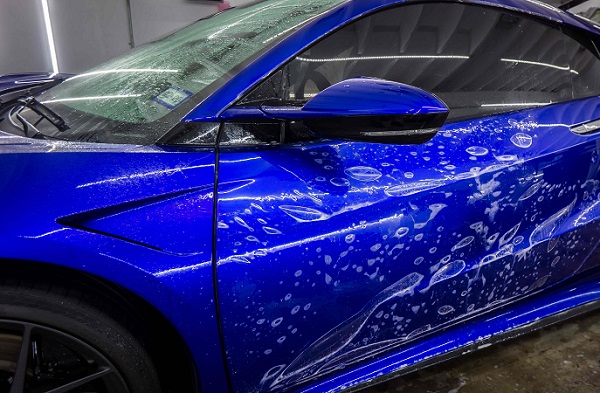
Start with the complete film architecture and approval method. A lower roll price is not useful if installers reject the product, surface appearance varies, or a reorder behaves differently from the approved sample.
Review clarity, haze direction, gloss uniformity, surface defects and visual consistency over large painted panels—not only a small hand sample.
Evaluate initial tack, repositioning, squeegee feel, stretch recovery, adhesive marks, edge finishing and behavior around compound curves.
Confirm what performance is expected from the top coat: self-healing direction, stain resistance, hydrophobic behavior and gloss or matte appearance.
Do not approve adhesive from peel force alone. Review wet installation, cure behavior, repositioning, removal expectations and the intended paint system.
Define what must remain consistent between the approved sample and bulk rolls: thickness, appearance, surface condition, roll winding, liner behavior and labeling.
Confirm roll format, carton requirements, product naming, labels, private-label artwork workflow, sample route and repeat-order identification before launch.
The table below uses specification directions currently shown on DERFLEX's PPF pages. Final purchasing values should be tied to the exact model, approved sample and order specification rather than treated as universal values for every PPF series.
| Purchasing Item | DERFLEX Reference Direction | What the Buyer Should Confirm |
|---|---|---|
| Material | TPU (thermoplastic polyurethane) | Clear PPF model, final surface direction, intended vehicle segment and target market. |
| Total Thickness | 150–220 μm direction shown on the current DERFLEX PPF page | Confirm whether thickness is total construction or a specific layer measurement, and lock the accepted tolerance on the final order specification. |
| Gloss | Current DERFLEX page lists ≥90 GU for the referenced clear PPF direction | Agree measurement method, surface state and model before using a gloss value as an acceptance criterion. |
| Elongation | Current DERFLEX page lists ≥300% for the referenced product direction | High elongation alone does not guarantee easy installation; review elastic recovery, adhesive response and edge stability on real panels. |
| Temperature Direction | Current DERFLEX page lists -40°C to +120°C for the referenced PPF | Confirm whether this represents operating direction, test conditions or material tolerance for the selected model and market. |
| Roll Format | 1.52 m × 15 m is shown on an existing DERFLEX car paint protective film page | Confirm final width, length, core, winding direction, protective layer, carton and pallet requirement before bulk order. |
| OEM / Private Label | Available for discussion by project | Provide brand artwork, label content, carton design, product naming, barcode/QR requirements and market language before packaging approval. |
| MOQ / Lead Time | Confirm with DERFLEX for the selected specification | MOQ and production timing can vary with film model, packaging, color/finish direction and production schedule; do not assume one figure applies to all programs. |
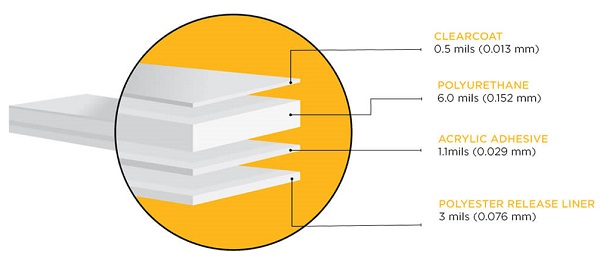
The top surface influences gloss, stain release, hydrophobic behavior and light-scratch recovery. Buyers should compare the finished coating system under the intended cleaning and use conditions.
The TPU layer contributes transparency, toughness, flexibility and energy absorption. Optical quality, thickness uniformity and stretch/recovery behavior matter to professional installation.
The adhesive must balance initial tack, repositionability, wet-install response, final bond and clean-removal expectations. The correct balance depends on installer practice and target market.
Liner stability, release consistency, winding and surface protection influence how cleanly the installer can handle the roll before it ever reaches the vehicle.
If your project starts from raw transparent TPU film rather than finished adhesive PPF, review DERFLEX's transparent TPU film manufacturer page for film chemistry, thickness and processing considerations.
The best time to define quality criteria is before the first bulk order. A structured approval process helps the supplier and buyer know what “same as sample” actually means.
Finished PPF is sensitive to more than chemical formulation. Surface cleanliness, coating uniformity, adhesive condition, liner control, slitting quality, winding tension and roll protection can all affect the installer experience.
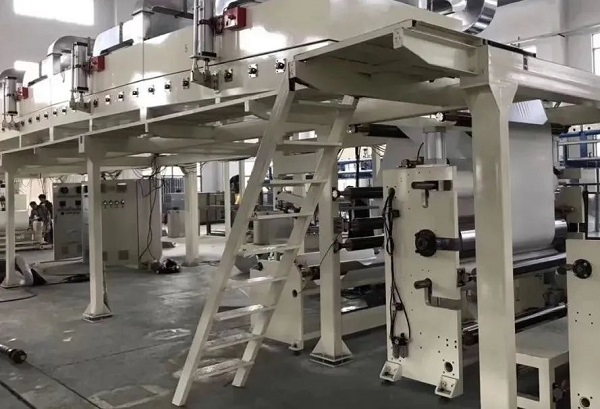
An older DERFLEX production article shows coating equipment and a roll-conversion sequence for paint protective film. For a current sourcing program, the useful lesson is to connect each production stage with a buyer-visible acceptance point rather than relying on a general “quality checked” statement.
Branding should follow product approval. Lock the film and installation behavior first, then finalize private-label packaging and market claims around the approved product.
| OEM Item | Information to Provide | Why It Matters |
|---|---|---|
| Target Market | Country/region, climate direction, installer profile, vehicle segment and retail positioning. | Helps align product handling, appearance and claims with the real channel rather than a generic specification. |
| Film Positioning | Clear gloss, matte/satin direction, product tier, target thickness and expected performance priorities. | Prevents “same TPU” from being mistaken for the same finished PPF construction. |
| Roll & Core | Width, length, core preference, winding direction, protective film/liner handling and pallet requirements. | Impacts warehouse handling, cutting systems, installer workflow and freight efficiency. |
| Branding | Brand name, product code, carton artwork, label fields, barcode/QR code and language requirements. | Keeps sales materials, cartons and internal SKU systems aligned. |
| Claims | Any wording about self-healing, hydrophobicity, yellowing, service life, warranty or compliance. | Claims should be checked against the selected model and evidence before printing. |
| Approval Standard | Sample ID, visual standard, key measurements, installer test notes and acceptable packaging condition. | Creates a practical reference for repeat orders and dispute prevention. |
The “best” film is channel-dependent. A distributor selling to high-volume installers may prioritize different handling and price targets from a premium detailing brand focused on optical appearance and brand experience.
| Sales / Use Scenario | Priority Checks | Sample Evaluation Focus |
|---|---|---|
| Professional Detailer Network | Reliable tack, easy repositioning, stretch recovery, edge behavior and finish after cure. | Install the same panels with multiple installers and compare handling comments rather than using one person's first impression. |
| National / Regional Distributor | Product range logic, batch repeatability, packaging, SKU control and repeat supply. | Test more than one roll where possible and document visual and handling acceptance points before the launch order. |
| Private-Label Brand | Product differentiation, branded packaging, claim control, sample retention and commercial consistency. | Approve film and box separately; packaging approval should not replace product approval. |
| Premium Vehicle / Detailing Channel | Optical clarity, surface finish, gloss consistency, low visual distortion and clean edges. | Inspect under multiple lighting angles on dark and metallic paint where small optical defects are easier to notice. |
| Fleet / Commercial Vehicle Program | Practical protection, maintenance behavior, replacement strategy and whole-program cost. | Evaluate service areas that actually receive repeated abrasion or stone impact instead of relying only on showroom appearance. |
For the function and construction of the finished film itself, see DERFLEX's car paint protective film technical article. For cabin surfaces and screen/trim programs, the automotive interior protection film page covers a different application set.
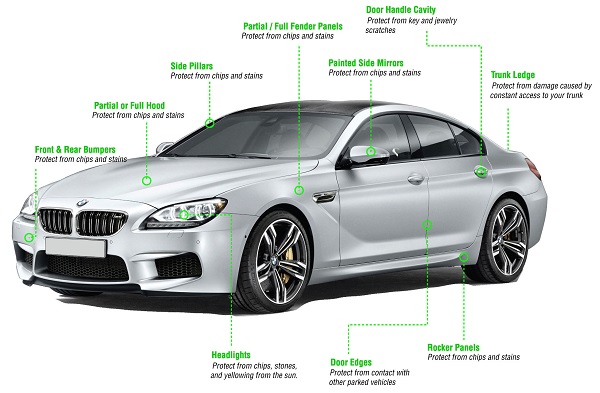
Most automotive protection programs fall into several coverage patterns: high-impact front sections, partial front kits, door-edge and loading-area protection, rocker panels, mirrors, full-body wraps and specialty trim. A supplier conversation becomes more useful when the expected coverage package is known.
If you are quoting a distributor, tell DERFLEX whether customers normally install pre-cut kits or bulk-cut from rolls. If you are supporting a detailing chain, describe typical vehicle classes and installer skill. These details influence how aggressively the program should prioritize conformability, working tack, recovery and surface appearance.
For other TPU technical materials outside automotive PPF, DERFLEX's TPU fabric manufacturer page explains reinforced TPU roll goods for welded waterproof and airtight applications. This distinction helps prevent finished automotive PPF and generic TPU sheet/fabric from being treated as interchangeable products.
Most sourcing failures are not caused by one dramatic defect. They happen because an important approval detail was never defined.
Total thickness and polymer family are not enough to predict optical quality, tack, recovery, top-coat behavior or installer acceptance. Compare the finished multilayer system.
A small piece cannot show panel-level haze, stretch marks, edge handling, squeegee feel or how the surface looks under different lighting angles.
Do not lock marketing copy before the exact film model and evidence are confirmed. Packaging claims create commercial obligations beyond the factory sample.
Keep the approved sample, product code, artwork version and acceptance points connected. Repeat supply is easier to control when both buyer and supplier refer to the same documented construction.
DERFLEX's current automotive-film pages already cover PPF, broader automotive protection films and related TPU materials. The practical advantage for a B2B buyer is the ability to discuss the finished PPF program together with material direction, conversion requirements, sample approval and packaging instead of reducing the conversation to one headline specification.
Existing DERFLEX pages document finished PPF construction, applications and reference specifications, giving buyers a defined starting point for model-level discussion.
DERFLEX also works with transparent TPU film and reinforced TPU technical materials, supporting a broader conversation about TPU chemistry, processing and finished-product requirements.
Private-label programs can be structured around approved film, roll format, carton/label artwork, product identification and the buyer's commercial channel.
A clear RFQ reduces unnecessary back-and-forth and makes samples easier to match to the intended market.
Six verified DERFLEX pages are linked below for product, material and application context.
Define your target market, finish, thickness direction, roll format, installer profile, packaging, quantity and approval requirements first. A useful quote should refer to a defined film construction or sample direction rather than “TPU PPF” as one generic product.
No. Total thickness is only one variable. Top coat, optical quality, adhesive behavior, release liner, stretch recovery, winding and installation feel can make two films with similar thickness perform very differently.
Yes, OEM/private-label packaging can be discussed by project. Provide the brand artwork, carton and label requirements, product code, language, barcode/QR needs and the exact approved film model before bulk packaging is finalized.
Install the film on representative flat and curved vehicle panels, record tack and repositioning, assess stretch and recovery, inspect gloss/clarity under different lighting, review edge finishing, and keep the approved sample details connected to the purchase specification.
Finished PPF is a multilayer automotive protection product that normally combines a functional top coat, TPU base layer, pressure-sensitive adhesive and release liner. Transparent TPU film is a material layer that may be used for lamination, protection or conversion and does not by itself represent a complete ready-to-install PPF system.
An existing DERFLEX car paint protective film page shows 1.52 m × 15 m as a reference roll format. Final roll size, core, winding, packaging and model-specific specification should be confirmed for the actual order.
Use a documented sample approval process, define visible and measurable acceptance points, approve final packaging separately, retain sample or roll identification, and make sure purchase documents refer to the same film model and artwork version.
Include the application, target market, film finish, thickness direction, roll size, quantity, packaging/branding requirement and the tests you plan to use for sample approval. DERFLEX can then discuss a suitable product direction and quotation basis.