


TPU Protective Packaging Fabric for Reusable Dunnage and Box Liners
DERFLEX supplies TPU protective packaging fabric for reusable dunnage systems, returnable box liners, soft divider sets, sewn pouches, anti-scratch sleeves and flexible impact protection used in closed-loop logistics. The material is developed for packaging teams that need a clean surface, reliable abrasion resistance, practical flexibility and repeatable roll supply for automotive parts, precision equipment and OEM packaging programs.
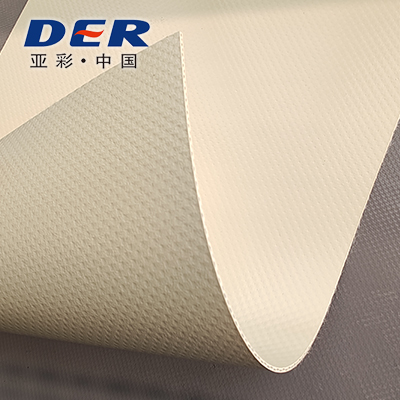
A Protective Surface for Reusable Packaging That Moves Every Day
Reusable dunnage is not only a separator inside a box. It is part of a handling system that must protect parts during storage, line-side movement, truck transport, return freight and repeated loading cycles. The fabric selected for the contact surface can directly influence scratch prevention, part cleanliness, pack density, operator handling and service life.
Surface Protection
TPU liner fabric creates a smooth, flexible and customizable contact surface for components that cannot rub against raw plastic, metal, rough textile or abrasive foam edges.
Reusable Construction
Compared with disposable wrapping, TPU coated or laminated fabric can be designed for repeat handling, cleaning and integration into sewn pockets, curtains, sleeves and dividers.
Program-Level Customization
DERFLEX helps buyers match base fabric, TPU chemistry, thickness, embossing, color, width and packing format to the real box, rack, tote or dunnage design.
What Is TPU Protective Packaging Fabric?
TPU protective packaging fabric is a technical textile made by coating or laminating thermoplastic polyurethane onto a polyester, nylon or customized textile substrate. The textile layer provides tensile strength and dimensional stability, while the TPU layer gives the packaging surface a flexible, cleanable, abrasion-resistant and anti-scratch material direction.
In reusable dunnage and box liner applications, the material can be converted into divider faces, rack bags, pouch panels, part sleeves, soft curtains, tray liners, tote inserts, flexible covers and protective contact pads. When impact cushioning is required, TPU fabric can also be combined with foam, felt, spacer textile or other cushioning layers to create a shock absorbing protective fabric structure.
- For returnable box liners that need a smooth, wipeable and durable surface.
- For soft textile dunnage where part finish protection matters.
- For anti-scratch packaging systems used around painted, polished, coated or machined components.
- For reusable packaging liner fabric programs that need custom color and repeat roll supply.
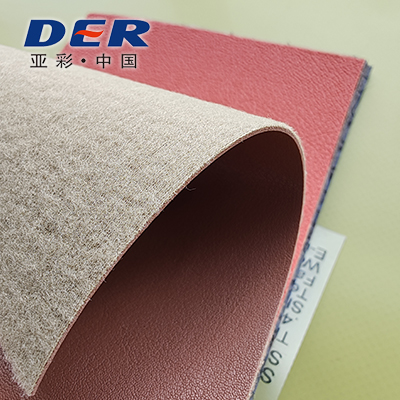
Designed for Reusable Dunnage, Box Liners and Returnable Packaging Programs
DERFLEX TPU packaging fabric is aimed at converters, liner manufacturers, returnable packaging companies and industrial packaging teams that need material support before cutting, sewing, welding or assembling their finished dunnage products.
Automotive Parts Packaging
Useful for trim parts, painted components, interior parts, electronic modules, metal assemblies and other items requiring separation, reduced rubbing and a controlled contact surface.
Precision Equipment & Instruments
Supports liner systems for machined parts, precision tools, optical equipment, test instruments and sensitive assemblies where surface marking and contamination should be reduced.
Reusable Tote & Box Liners
Can be fabricated into removable liners, sewn bags, soft divider systems, roll-up separators and foldable inserts for plastic crates, corrugated plastic boxes and returnable containers.
Rack Bags and Hanging Dunnage
TPU laminated or coated panels can be used as contact surfaces in rack bags, textile cells, pocket systems, suspended pouches and curtains for line-side logistics.
Electronics and Sensitive Components
Optional material directions can be discussed for clean surface, low-fiber-shed construction and antistatic or dissipative packaging needs, subject to project testing.
OEM Packaging Development
For packaging manufacturers creating repeatable liner programs, DERFLEX can support color, surface finish, roll width, packing, trial samples and bulk supply planning.
A Flexible Protective Layer with Practical Processing Options
Many reusable dunnage systems already use foam, corrugated plastic, rigid trays or textile dividers. TPU fabric adds value when the packaging designer needs a durable protective surface that is softer than rigid materials, cleaner than many loose textiles and easier to customize than off-the-shelf lining materials.
Anti-Scratch Surface Direction
Matte, smooth or embossed TPU surfaces can be selected to reduce direct abrasion against delicate finishes. Final suitability should be confirmed by sample testing with the actual part.
Abrasion and Flex Resistance
TPU coated textiles are suited for repeated folding, rubbing and handling environments when the structure is matched to the load, part edge and cleaning process.
Cleanable and Moisture Resistant
The TPU layer can provide a wipeable surface direction for reusable packaging that may encounter dust, humidity or light contamination during logistics cycles.
Sewing, Welding and Lamination
Depending on construction, TPU fabric can support sewing, hot-air welding, high-frequency welding, heat sealing or lamination with additional cushioning materials.
Soft Divider Compatibility
The material can be converted into pocket walls, divider faces, sleeves, bonnets and curtains without requiring rigid tooling for every shape.
Custom OEM Appearance
Color, embossing, gloss level, backing, roll width and packaging can be adjusted to support customer-specific reusable packaging programs.
TPU Packaging Fabric Options for Buyers and Converters
Packaging fabric should be selected from the finished dunnage design backward. The correct structure depends on the part surface, weight, edge sharpness, cleaning method, tote size, sewing or welding process and expected reuse cycle.
| Product Name | TPU Protective Packaging Fabric / TPU Fabric Dunnage Material / Reusable Packaging Liner Fabric |
|---|---|
| Base Fabric | Polyester, nylon, woven textile, knitted textile, nonwoven backing or customized reinforcement according to strength and hand-feel requirements. |
| TPU Structure | One-side TPU coating, double-side TPU coating, TPU laminated fabric, TPU film-to-textile lamination or TPU with cushioning layer by project discussion. |
| Weight Direction | Approx. 150–1200 gsm depending on base fabric, TPU thickness, backing and protective target. Heavier constructions can be discussed for demanding packaging use. |
| Thickness Direction | Approx. 0.15–1.20 mm for common liner directions; multi-layer foam or spacer structures can be thicker depending on impact requirement. |
| Width Direction | Approx. 1.0–3.2 m depending on grade, production method and roll specification. |
| Surface Finish | Smooth, matte, embossed, textured, anti-blocking, soft-touch, anti-scratch direction or customer-specific surface development after sample review. |
| Color Options | Black, grey, blue, red, orange, green, white, translucent direction and custom color by project. Color helps part identification and warehouse workflow. |
| Processing | Cutting, sewing, edge binding, heat sealing, high-frequency welding, hot-air welding, lamination and roll conversion depending on material structure. |
| Functional Options | Abrasion-resistant, hydrolysis-resistant, low-temperature flexibility, anti-mildew, flame-retardant direction, antistatic / ESD direction and clean-surface direction subject to testing. |
| Target Customers | Automotive parts packaging suppliers, precision equipment packaging teams, reusable tote liner manufacturers, returnable packaging companies and OEM dunnage converters. |
Note: Specification ranges are practical selection directions. Final values should be confirmed by sample testing, finished dunnage design and customer requirements.
How TPU Liner Fabric Fits into Reusable Dunnage Design
TPU fabric does not replace every packaging material. It is usually selected when a reusable packaging system needs a flexible, durable and cleanable contact layer, or when a fabric dunnage supplier wants a more controlled surface than standard textile alone.
Good for reusable liner surfaces, anti-scratch dividers, sewn pouches, soft curtains and cushioning laminates where flexibility, abrasion resistance and cleanability matter.
Lightweight and flexible, but surface durability, cleaning behavior and anti-scratch performance vary widely by yarn, weave, finish and use environment.
Useful for cushioning and shape support, but may require a protective skin or textile cover when parts need a cleaner or more abrasion-resistant contact surface.
Works well for formed trays and structural support, but TPU liner fabric can add softer contact protection inside totes, trays or rack systems.
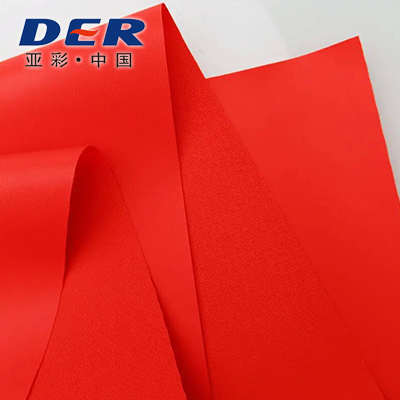
How to Choose TPU Fabric for Dunnage and Box Liners
Successful reusable packaging starts with the part and handling route, not only with fabric weight. Before quotation, DERFLEX recommends reviewing the following questions:
- What part will touch the liner: painted, polished, machined, electronic, coated, glass or plastic?
- Will the liner be sewn, welded, laminated to foam, glued to plastic or used as a removable insert?
- What level of impact protection is needed: surface protection only or cushioning with foam / spacer layer?
- How many loading and return cycles are expected in the packaging program?
- Will the liner face oil mist, humidity, disinfectants, dust, temperature changes or warehouse cleaning?
- Do you need antistatic, dissipative, flame-retardant, low-fiber-shed or custom-color material direction?
- What are the required roll width, length, thickness, color, packing method and repeat-order documentation?
From Part Protection Requirement to Repeatable Roll Supply
DERFLEX supports packaging material buyers with a practical sampling and production workflow. The goal is to reduce guesswork before the material enters cutting, sewing, welding or liner assembly.
Application Review
Share part photos, liner structure, tote size, handling route, target surface protection and any test requirements.
Material Direction
DERFLEX recommends base fabric, TPU type, thickness, surface finish and processing direction for sample discussion.
Sample & Trial
Samples can be checked for hand feel, abrasion, anti-scratch effect, sewing, welding, folding, cleaning and part compatibility.
Bulk Production
Confirmed roll specification can be produced with agreed width, color, roll length, packing, labeling and export documentation.
Why Work with DERFLEX for TPU Packaging Fabric?
DERFLEX focuses on coated and laminated technical materials for global B2B buyers. For protective packaging fabric, we help customers move from a general liner idea to a workable roll specification that can be repeated for production.
DERFLEX Buyer Value
- TPU coating and lamination knowledge for flexible industrial materials.
- Polyester and nylon substrate options for strength, cost and hand-feel balance.
- Custom color, embossing, width, roll length, packing and OEM labeling support.
- Material matching for sewing, hot-air welding, HF welding and lamination requirements.
- Export-ready communication for packaging manufacturers, distributors and project buyers.
Reusable Box Liner for Sensitive Component Transport
The following example shows how buyers can specify a TPU liner fabric without overbuying or underprotecting the part.
Challenge
A packaging supplier needs a reusable liner for painted or coated components. The surface should reduce rubbing marks, fit a returnable tote system and survive repeated loading and unloading.
Material Direction
A matte TPU laminated textile with a balanced polyester backing can be tested for surface feel, folding, abrasion resistance and sewing compatibility. Foam lamination may be added if impact cushioning is needed.
Procurement Logic
The final choice should be confirmed through contact testing with the actual part, handling simulation, cleaning review and a pilot batch before long-term roll supply.
Internal Links for TPU Packaging Fabric Buyers
Explore related DERFLEX material pages when comparing TPU structures, processing methods and application requirements.
Frequently Asked Questions
Practical answers for packaging buyers, dunnage fabricators and reusable liner manufacturers comparing TPU protective packaging fabric.
What is TPU protective packaging fabric used for?
It is used as a flexible protective material for reusable dunnage, box liners, tote inserts, textile dividers, sewn pouches, rack bags, sleeves and anti-scratch contact surfaces in industrial packaging systems.
Is TPU fabric suitable for anti-scratch box liners?
TPU fabric can be developed with smooth, matte, embossed or soft-touch surfaces for anti-scratch liner directions. Final performance should be verified by rubbing and contact tests using the actual part surface.
Can TPU liner fabric provide shock absorption?
TPU fabric mainly provides a protective contact surface. When shock absorption is required, it can be laminated or combined with foam, felt, spacer textile or other cushioning layers to create a flexible impact protection fabric.
Can the fabric be sewn or welded into dunnage products?
Depending on the structure, TPU coated or laminated fabric can be sewn, edge-bound, heat sealed, hot-air welded or high-frequency welded. The processing method should be confirmed during sample testing.
What industries use reusable TPU packaging liner fabric?
Common target industries include automotive parts packaging, precision equipment packaging, electronics packaging, reusable tote liner manufacturing, returnable packaging systems and OEM dunnage production.
Can DERFLEX customize color, thickness and surface texture?
Yes. DERFLEX can discuss custom base fabric, TPU thickness, weight, roll width, color, embossing, gloss level, backing, functional direction, packing and private-label requirements.
Is TPU better than PVC for reusable packaging liners?
TPU is often selected when buyers need a flexible, premium-feel, abrasion-resistant and PVC-free material direction. PVC can still be practical for some cost-sensitive or heavy-duty covers. The right choice depends on part surface, processing method and use environment.
What information is needed for a quotation?
Please provide the application, part type, liner design, fabric weight or thickness target, base fabric preference, surface finish, color, width, processing method, functional requirements, estimated quantity and testing needs.
Request TPU Protective Packaging Fabric for Your Dunnage Program
Send your box liner design, part protection requirement, target GSM or thickness, color, surface finish, processing method and expected order quantity. DERFLEX will recommend a practical TPU fabric direction for sampling and bulk roll supply.