Tarp = Shirt in Sports Slang
In hockey slang and related sports culture, a “tarp” can refer to a shirt or jersey. The expression “tarps off” therefore means removing shirts, often in celebration, in a locker room, or among energetic fans.
In sports slang, especially hockey and North American fan culture, “tarp” can mean a shirt, so “tarps off” means taking shirts off. Online, “it’s a tarp” can also be a joking variation of “it’s a trap.” In ordinary work, outdoor and purchasing contexts, however, a tarp simply means a tarpaulin—a flexible protective cover.
Context changes the meaning. This guide separates the slang from the product term, then explains what buyers, contractors, fleet operators and distributors usually mean when they ask for a tarp.
Most confusion comes from seeing the same short word used in sports talk, internet culture and practical product language.
In hockey slang and related sports culture, a “tarp” can refer to a shirt or jersey. The expression “tarps off” therefore means removing shirts, often in celebration, in a locker room, or among energetic fans.
On forums and in meme-style writing, “it’s a tarp” may be used as deliberate wordplay on “it’s a trap.” It is not the standard dictionary meaning of tarp; it relies on the similarity in spelling and sound.
In standard English, construction, logistics, agriculture, camping and industrial purchasing, tarp is simply the common short form of tarpaulin: a protective sheet used to cover, shelter or contain goods and spaces.
Look at the surrounding words. If the conversation involves a game, locker room or fans, “tarp” may mean a shirt. If it involves rain, trucks, equipment, construction, storage, camping or material specifications, it almost certainly means tarpaulin.
“Tarps off” means shirts off. The expression is closely associated with hockey culture, where “tarp” can stand in for the clothing covering a player’s upper body. The phrase can signal celebration, team camaraderie or simply a rowdy fan atmosphere.
Because slang moves between communities, the phrase now appears beyond hockey as well. The safe interpretation is still contextual: in sports and fan language, it usually refers to going shirtless; on a jobsite, “take the tarp off” would normally mean removing an actual protective cover.
A slang definition found on one online community should not be assumed everywhere. “Tarp” is a normal everyday noun with a much more common physical meaning, and niche slang senses can vary by region, age group and online community.
Yes. Outside slang, “tarp” is the everyday shortened form of “tarpaulin.”
A tarpaulin is a flexible sheet used to protect exposed objects or working areas. Modern tarps may be made from PVC-coated polyester, polyethylene, canvas, mesh or other coated and laminated fabrics.
In many industries, the short word “tarp” is more common than “tarpaulin” in product names and conversations. A buyer may ask for a truck tarp, industrial tarp, mesh tarp or custom tarp even when the technical document later uses the full word “tarpaulin.”
| Term | Typical Meaning | Where You See It |
|---|---|---|
| Tarp | Short form of tarpaulin | Everyday speech, ecommerce, product pages, jobsites |
| Tarpaulin | Full product name for a protective covering sheet | Technical documents, manufacturing, procurement, specifications |
| Tarps off | Shirts off in sports slang | Hockey, fan culture, casual sports conversation |
| “It’s a tarp” | Joking variation of “it’s a trap” | Forums, memes, casual online conversation |
| TARP | An acronym in other contexts, not the tarp product | Finance, organizations or programs where the acronym is defined |
The right answer depends on service environment, expected life, handling, waterproofing, airflow, fabrication and budget.
| Tarp Material | Typical Strengths | Common Applications | Buyer Consideration |
|---|---|---|---|
| PVC Coated Polyester | Waterproof, weldable, durable, customizable; UV and flame-retardant options can be specified | Truck covers, industrial covers, construction, tents, outdoor storage, OEM products | Often selected when repeatable heavy-duty performance and fabrication flexibility matter |
| PE / Poly Tarp | Lightweight, economical, easy to handle | Temporary cover, general storage, household and seasonal use | Useful for price-sensitive or shorter-term applications |
| Canvas Tarp | Breathable textile feel, reduced condensation compared with fully sealed plastic covers | Equipment, indoor protection, breathable cover needs | Water resistance depends on treatment and construction |
| Mesh Tarp | Airflow, shade and lower wind loading | Dump trucks, landscaping, privacy, shade, nursery and waste transport | Not intended for full waterproof protection |
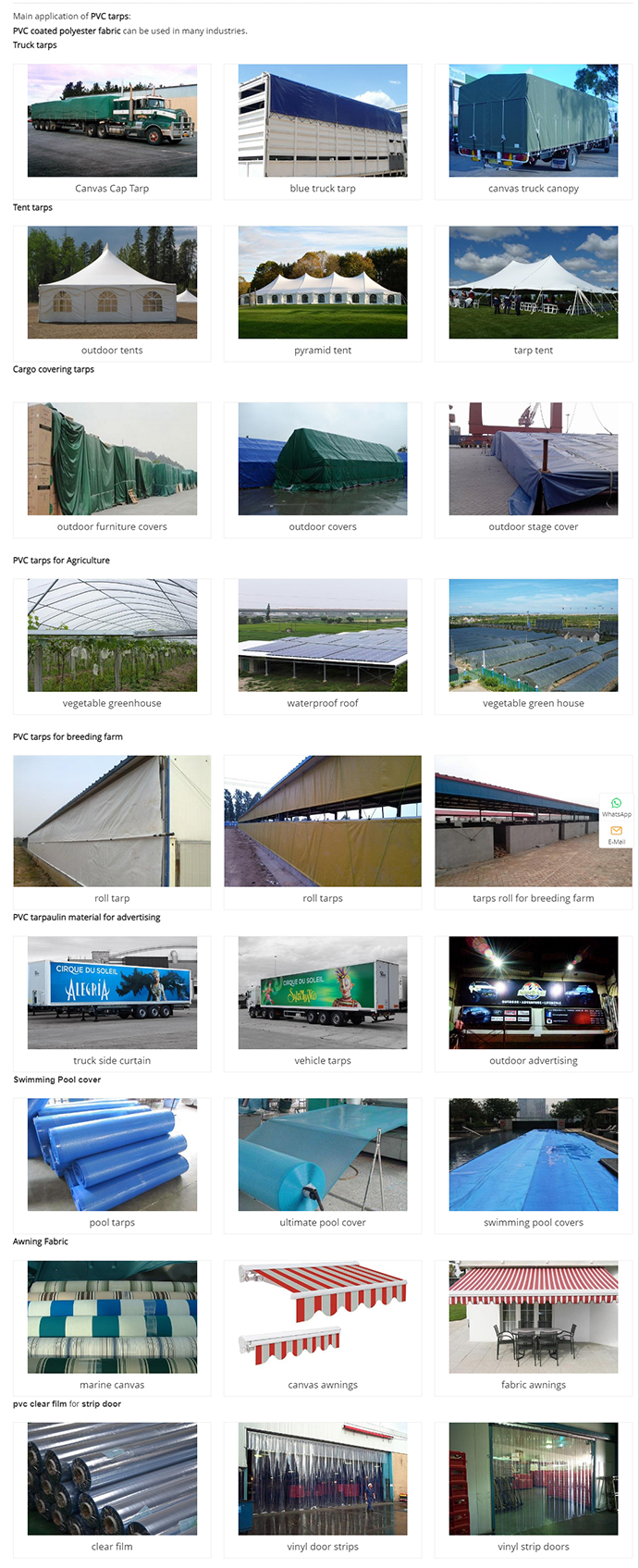
DERFLEX supplies PVC-coated polyester tarp materials for industrial, transport, construction, agriculture, outdoor and OEM applications. Depending on the project, buyers can discuss roll goods, cut panels or finished tarps with custom fabrication details.
Typical tarp projects are defined by application first, then by material weight, surface, color, reinforcement, hardware and packaging. That approach helps avoid choosing a tarp only by thickness or price.
These six related pages help users move from the definition of “tarp” to the material or application they actually need.
Short answers for people who found the word in slang, sports, online posts or product specifications.
In sports slang, particularly hockey-related usage, “tarp” can mean a shirt or top. The phrase “tarps off” therefore means taking shirts off. Online, “it’s a tarp” may also be used jokingly as a variation of “it’s a trap.”
“Tarps off” usually means shirts off in hockey and fan slang. It can describe players or fans taking off their shirts during celebration or high-energy sports moments.
It can be in certain sports communities, but that is not the standard meaning of the word. In ordinary English, tarp means tarpaulin—a protective covering sheet.
In construction, trucking and logistics, tarp normally means a physical tarpaulin or protective cover. It may be used for cargo, equipment, scaffolding, building materials, trailer systems or temporary weather protection.
There is usually no product difference. “Tarp” is the common shortened form of “tarpaulin.” Technical specifications may use the full word while buyers and workers use the shorter form.
No. Capitalized “TARP” can be an acronym in unrelated fields. Context and capitalization help distinguish an acronym from the tarp product or slang usage.
Useful details include application, finished size, quantity, preferred material or GSM, color, UV or flame-retardant requirements, edge reinforcement, eyelets or hardware, logo, packaging and destination market.
Send DERFLEX your application, size, material direction, quantity and finishing requirements. The team can discuss a practical PVC tarpaulin structure, sample route and quotation for your market or project.