News
Industry News

What Is PVC Fabric Used For? Industrial Uses | DERFLEX

Update:2026/8/21 17:55:36 Views:
PVC Fabric Application Guide

What Is PVC Fabric Used For?

PVC fabric is used wherever a flexible textile needs added protection from water, weather, abrasion, dirt or repeated handling—especially in tarpaulins, truck covers, tents, industrial curtains, inflatables, liners, membrane structures and custom protective products.

For industrial buyers, however, “PVC fabric” is not one universal material. A truck tarp, an inflatable air structure and a warehouse curtain may all use PVC-coated textiles, but they require different base cloth, coating weight, surface treatment, flexibility and fabrication performance. This guide explains the applications first, then shows how to specify the material around the actual job.

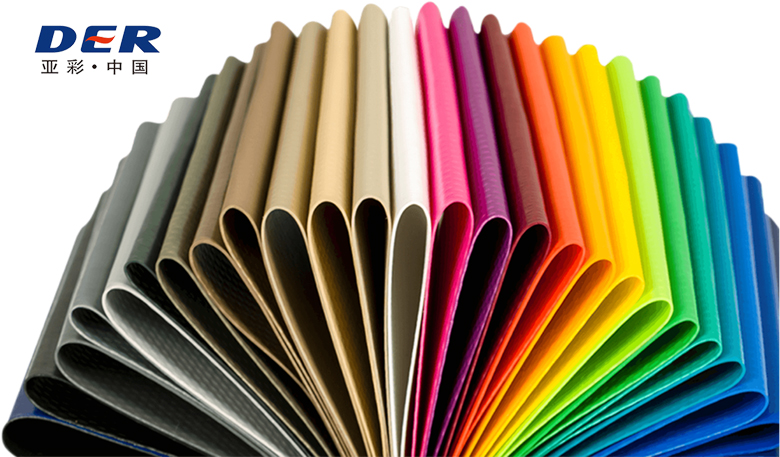
PVC coated fabric colors and industrial PVC fabric material
DERFLEX PVC-coated polyester fabric shown in multiple colors. Final specification should be selected by application, fabrication method and service environment.
Short answer for buyers

PVC fabric is commonly converted into waterproof covers, truck and trailer tarps, tents and shelters, flexible partitions, awnings, inflatable products, pool or pond systems, agricultural covers, marine covers, membrane structures and printable outdoor products. The right grade depends on whether the job prioritizes tensile strength, tear resistance, airtightness, UV exposure, flame-retardant performance, cleanability, welding or low-temperature flexibility.

Material Definition

PVC Fabric Is a Textile + Protective Polymer System

In industrial sourcing, PVC fabric usually means a textile substrate—most commonly woven polyester—combined with a flexible polyvinyl chloride layer by coating or lamination. The textile carries much of the tensile and tear load; the PVC layer creates the protective surface, adds color and can make the material easier to clean, weld and use outdoors.

This is why the term also appears as PVC coated fabric, PVC coated polyester fabric, vinyl coated polyester, PVC tarpaulin fabric or industrial PVC fabric. These names overlap, but the actual performance depends on the construction underneath the label.

For consumer searches, “PVC fabric” can also describe wipe-clean table covering, transparent vinyl, upholstery and bag material. DERFLEX focuses this page on the reinforced technical-fabric side used by converters, fabricators, distributors, OEM brands and project buyers.

Why the construction matters

A 450 gsm general cover fabric and an 850 gsm inflatable fabric can both be described as PVC fabric, yet they should not be treated as interchangeable. The base yarn, thread density, coating chemistry, adhesion, surface finish and processing route determine whether the material is suitable for repeated folding, welded seams, wind load, air retention or long outdoor exposure.

That is also why a useful quotation starts with the end use—not only with a requested thickness or price target.

1. Base TextilePolyester scrim supplies dimensional stability, tensile strength and tear resistance. Yarn denier and weave density can be adjusted by duty level.
2. PVC LayerCoating or lamination adds a protective, flexible surface for water resistance, abrasion resistance, coloring and heat-sealable fabrication.
3. Functional FinishDepending on the application: acrylic or PVDF-type lacquer, UV package, flame-retardant option, anti-mildew treatment, anti-static direction, print surface or cold-flex formulation.
Application Map

10 Common Uses of PVC Fabric in Industrial and Outdoor Products

The main advantage of PVC-coated textiles is not a single property. It is the ability to combine a strong textile skeleton with a protective, weldable surface. That makes the category useful across products that must be flexible enough to fold or fabricate, yet robust enough for repeated commercial use.

01

Truck Tarps & Trailer Covers

Heavy-duty PVC fabric is widely used for flatbed covers, side curtains, trailer covers, dump-truck systems and cargo protection. Buyers commonly prioritize tear strength, abrasion resistance, UV stability, flexibility and dependable hot-air or high-frequency welding.

02

Tarpaulins & Equipment Covers

Machinery covers, storage tarps, construction covers and industrial protection sheets use PVC fabric because it can be produced as waterproof, cleanable roll material and fabricated with reinforced edges, eyelets, webbing or welded panels.

03

Tents, Shelters & Canopies

Event tents, temporary shelters, warehouse structures and canopies need fabric that balances weather protection, seam welding, appearance and structural load. Project-specific flame-retardant and surface-finish requirements should be defined before production.

04

Industrial Curtains & Flexible Partitions

Factories and warehouses use reinforced PVC fabric for divider curtains, flexible doors, process screens and protective barriers. Useful options include opaque, translucent or transparent constructions plus flame-retardant, anti-static or abrasion-resistant formulations where required.

05

Inflatable & Airtight Products

Inflatable tents, boats, water products, air structures and flexible chambers require more than general waterproofing. Coating adhesion, airtightness, flex resistance and welding strength become primary specification points.

06

Awnings, Shade & Membrane Structures

PVC-coated polyester can be used for awnings, tensile canopies and selected architectural membranes. Long-term outdoor projects may call for higher-strength base fabric and lacquered surfaces designed to support weathering and easier maintenance.

07

Pool, Pond & Containment Systems

Selected heavier or specially formulated constructions are used for pool covers, pond systems, flexible tanks and containment products. The key questions are liquid compatibility, seam design, hydrostatic load, puncture risk and whether the material is intended as a cover or a liquid-retaining liner.

08

Agriculture & Farm Protection

Farm equipment covers, storage covers, livestock curtains, pond-related products and seasonal weather protection can use PVC fabric when repeat handling, water resistance and outdoor durability are more important than the low weight of temporary PE sheeting.

09

Marine & Outdoor Covers

Boat covers, dock protection, outdoor equipment covers and related marine applications may use mildew-resistant, UV-stabilized PVC-coated textiles. Repeated folding, salt exposure, cleaning method and hardware contact should be considered during material selection.

10

Printable Outdoor & Branded Products

Some PVC fabric constructions are developed with printable surfaces for banners, fleet curtains, branded covers and outdoor graphics. Print method, ink compatibility, topcoat and expected outdoor display period should be matched to the finished product.

Important: the presence of a PVC coating does not make every grade suitable for every use. For example, a fabric designed for printing may not be the right structure for an inflatable product, and a general tarp fabric may not satisfy a public-space flame-retardant specification.
Decision Support

Match the PVC Fabric to the Job—Not Just the GSM

GSM is useful, but it is only one part of the specification. The table below turns common applications into practical sourcing priorities so buyers can narrow the material direction before requesting samples.

ApplicationTypical Material DirectionPriorities to ConfirmFabrication Notes
Truck / trailer coverReinforced double-side PVC-coated polyesterTear strength, abrasion, UV, flexibility, color stabilityHot-air/HF welding, webbing, eyelets, reinforced edges
Industrial tarp / machinery coverMedium to heavy coated polyesterWater protection, handling frequency, puncture/abrasion riskWelding or sewing depending design; consider wear patches
Tent / temporary structureWeather-resistant, weldable PVC fabricFR requirement, UV, cleaning, appearance, tensile loadLarge-panel welding; seam layout can affect leakage and appearance
Industrial curtain / flexible doorOpaque, translucent or transparent reinforced gradeFR pathway, visibility, abrasion, temperature rangeHem, track, strip, zipper or weighted-edge details by system
InflatableHigh-adhesion, airtight coated textileAir retention, flexing, seam strength, coating adhesionHF/hot-air welding compatibility should be trialed before bulk
Awnings / membranesOutdoor-grade coated polyester with surface finishUV exposure, tensile strength, cleanability, surface agingPanel geometry, welding and hardware loads matter
Pond / flexible tankApplication-specific liner or coated fabricLiquid compatibility, hydrostatic load, puncture, seam integrityDo not substitute a cover-grade fabric without technical review
Agricultural coverUV-stabilized, waterproof coated textileSeason length, sunlight, wind load, handling frequencyEdge reinforcement and fastening layout often determine service performance
Marine coverUV/mildew-resistant coated textileSalt exposure, cleaning, folding, abrasion, colorVentilation and hardware contact should be considered in finished design
Printable branded fabricPrint-ready PVC-coated surfaceInk system, topcoat, color, outdoor display periodTest print and finishing route before production commitment
Material Types

Which Type of PVC Fabric Is Used for Which Product?

A broad search for PVC fabric brings together very different products. Separating them by construction helps buyers avoid choosing a visually similar material with the wrong mechanical behavior.

PVC Coated Polyester

Common industrial construction for tarps, truck covers, curtains, tents and protective products. The polyester scrim carries load while the coating supplies the protective surface.

Strong general industrial fit

PVC Laminated Fabric

Film layers are laminated to a textile substrate. It can be a practical choice for lighter-duty covers, banners and cost-sensitive applications when the performance target is moderate.

Economy / light-medium duty

Airtight PVC Fabric

Designed around coating adhesion, low leakage and weld reliability for inflatable products, air structures, bladders or other products where air retention is part of the function.

Inflatable / sealed products

Lacquered Outdoor Fabric

Acrylic or project-specific surface treatments can improve cleaning behavior, appearance retention and resistance to dirt pickup for tents, awnings and longer outdoor exposure.

Outdoor structures

Flame-Retardant PVC Fabric

Formulated for projects that specify a flame performance pathway. The exact standard, test method and required documentation must be confirmed for the destination market and application.

Safety-sensitive projects

Transparent / Translucent PVC

Used when visibility or light transmission matters, including partitions, windows, covers and selected flexible-door systems. Reinforcement and thickness depend on the intended mechanical load.

Visibility / daylight applications
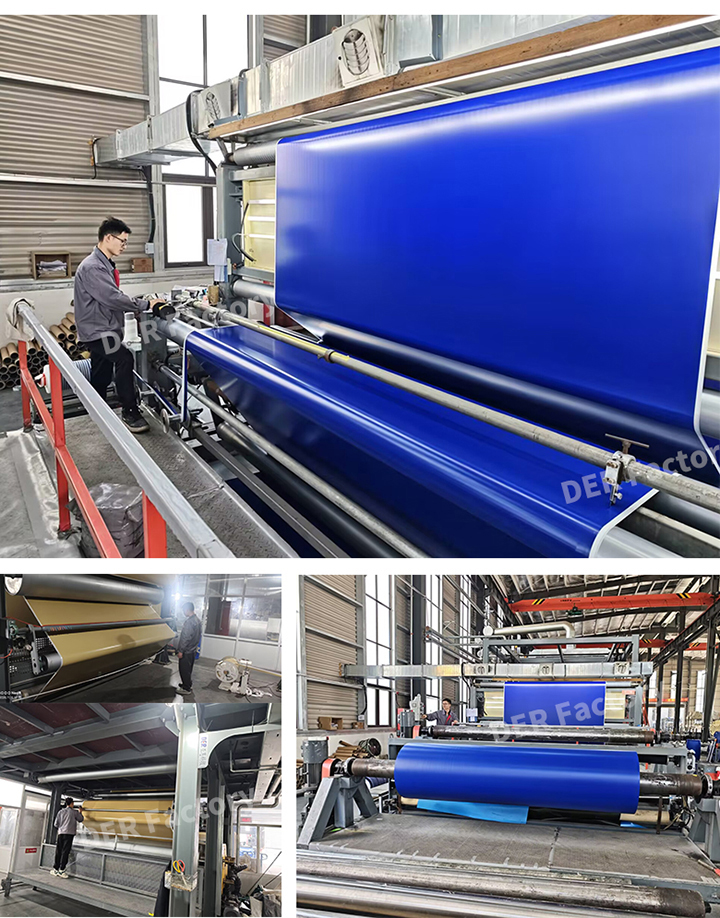
DERFLEX PVC coated fabric production and coating line
DERFLEX Manufacturing Support

Specify the Performance Window Before the Roll Is Made

DERFLEX supplies PVC-coated textile programs for industrial converters, tarpaulin fabricators, distributors, OEM brands and project buyers. Rather than treating PVC fabric as a single stock material, the structure can be discussed around the end product, duty level, production method and destination requirements.

Current DERFLEX product information shows support for custom weight, base fabric, roll width, color, surface finish and functional treatments, with selected PVC fabric lines available in wide-width formats up to approximately 5.1 m. Wider roll options can reduce the number of seams on large tarps, structures and panels when the selected construction supports that width.

Weight & Base ClothCustom GSM direction, yarn denier and fabric density by duty level.
Width & Roll FormatStandard and selected wide-width production for converter efficiency.
Surface & ColorGlossy, matte, embossed and lacquered directions plus custom color programs.
Functional OptionsUV, flame-retardant, anti-mildew, cold-flex, anti-static and printable directions by requirement.
Conversion & Fabrication

PVC Fabric Is Popular Because It Can Be Converted Efficiently

For a B2B buyer, the material must work not only in service but also on the production floor. Weldability, cutting behavior, surface consistency and reinforcement design can affect output quality as much as the nominal fabric weight.

STEP 01

Define End Use

Clarify weather exposure, load, folding frequency, service temperature, cleaning and expected use pattern.

STEP 02

Select Structure

Match base yarn, density, coating or lamination route, GSM and surface treatment to the job.

STEP 03

Trial Fabrication

Check hot-air/HF welding, sewing, cutting, printing or reinforcement compatibility before bulk conversion.

STEP 04

Confirm Sample

Review color, hand feel, surface, thickness, roll width and any project-specific test direction.

STEP 05

Control Repeat Supply

Use an agreed specification so future batches can be evaluated against consistent procurement criteria.

B2B Procurement Guide

What Should You Ask Before Buying PVC Fabric?

A useful RFQ should describe what the material must do after it is cut, welded, installed and exposed to real conditions. These questions reduce the risk of comparing quotations that look similar on GSM but represent different structures.

Application & Environment

  • What is the finished product: tarp, curtain, tent, inflatable, liner, cover or membrane?
  • Will it be used indoors, outdoors, in strong UV, cold weather, humid conditions or repeated transport?
  • What mechanical stress matters most: tensile load, tearing, abrasion, puncture, folding or air/water pressure?
  • Does the destination market or project specify a flame-retardant or chemical-compliance pathway?

Production & Supply

  • Which fabrication process will be used: hot-air welding, HF welding, sewing, printing or lamination?
  • What roll width, roll length and packaging format fit your production line?
  • Do you need a target color, matte/gloss finish, lacquer, embossing or branded surface?
  • For repeat orders, which properties should be documented and checked batch to batch?
Specification ItemCommon DERFLEX DirectionWhy Buyers Should Care
MaterialPVC-coated polyester, PVC-laminated fabric and application-specific coated textileDefines the basic balance of strength, flexibility, adhesion and cost.
WeightLight, medium and heavy-duty constructions; custom by product lineGSM affects handling and durability but should be judged with base cloth and coating structure.
Base fabricDifferent polyester yarn deniers and densitiesStrong influence on tensile strength, tear resistance and dimensional stability.
WidthStandard roll widths plus selected wide-width options up to approx. 5.1 mCan reduce welding seams and improve converter efficiency for large panels.
SurfaceGlossy, matte, embossed, lacquered, printable or application-specific finishAffects appearance, cleanability, printability and outdoor surface behavior.
Functional directionUV, FR, anti-mildew, cold resistance, anti-static and other project optionsShould be matched to a defined requirement and confirmed by applicable test/documentation needs.
ProcessingHF welding, hot-air welding, sewing, cutting, printing, eyelet and edge reinforcement compatibilityDetermines whether roll material can be converted efficiently into the finished product.

Specification ranges vary by product construction. Confirm the final technical data, test method, tolerance and compliance documentation for the specific order rather than relying on a generic category description.

Material Comparison

When Is PVC Fabric a Better Fit Than PE Tarp or Canvas?

PVC-coated polyester is often selected for products that are repeatedly handled, welded or exposed outdoors. That does not mean it is automatically the right choice for every cover. A simpler material can make more sense when the use is temporary, breathable or highly weight-sensitive.

MaterialTypical StrengthsOften Selected ForSelection Caution
PVC-coated polyesterWater protection, strength, weldability, cleanable surface, customizationTruck tarps, tents, industrial curtains, covers, structures, custom fabricationHeavier than many temporary sheets; formulation and end-of-life considerations should be evaluated by project.
PE tarpaulinLow weight, economical temporary protection, easy deploymentTemporary covers, packaging, short-duration weather protectionMay not match reinforced PVC fabric for repeated commercial handling or advanced welding programs.
CanvasTextile feel, breathability in some constructions, traditional cover applicationsSpecialty covers, equipment protection where breathability is usefulWater resistance depends on treatment and construction; may not suit heat-welded waterproof panel production.
TPU-coated textileHigh flexibility and application-specific performance potentialSelected inflatable, medical, protective or technical productsUsually chosen for specialized performance requirements and cost structures rather than general tarp programs.
FAQ

Frequently Asked Questions About PVC Fabric Uses

What is PVC fabric used for?

PVC fabric is used for tarpaulins, truck and trailer covers, tents, awnings, industrial curtains, flexible partitions, inflatables, pool or pond systems, agricultural covers, marine covers, membrane structures and printable outdoor products. The exact fabric grade should be chosen around the load, environment and fabrication method.

Is PVC fabric waterproof?

PVC-coated or PVC-laminated textiles can provide a waterproof barrier. In a finished tarp, tent or cover, overall waterproof performance also depends on the seams, welding, stitching, edge construction, penetrations and installation details.

Is PVC fabric the same as vinyl fabric?

“Vinyl” is often used commercially for PVC-based materials, but the phrase vinyl fabric can cover many consumer and industrial constructions. For B2B technical applications, it is better to specify the base textile, coating or lamination route, GSM, thickness, surface finish and required performance rather than rely on the name alone.

What is PVC-coated polyester fabric used for?

PVC-coated polyester is commonly used for truck tarps, cargo covers, tents, industrial curtains, machinery covers, awnings, inflatables and other fabricated products that need a reinforced textile with a protective, weldable surface.

Can PVC fabric be welded?

Many PVC-coated fabrics are compatible with hot-air and high-frequency welding. Welding behavior depends on the coating formulation, thickness, surface treatment and finished-product design, so production trials are recommended for critical programs.

How do I choose the right PVC fabric supplier or manufacturer?

Start with application knowledge and repeatability. Ask whether the supplier can match base fabric, coating, width, color, surface finish, processing method and any required testing or documentation. For repeat orders, agree on a technical specification and inspection criteria instead of comparing price by GSM alone.

Tell DERFLEX What You Are Making

Send the application, target GSM or existing sample, roll width, color, surface finish, fabrication method, quantity and destination market. DERFLEX can discuss a practical PVC fabric construction for sampling and quotation.

Request A Quote
Consulting Services
+86-021-54361792 / 54361798
Email
sales@derflex.com