
Base Fabric
Woven polyester, woven polyethylene, canvas or mesh structure carries much of the tensile and tear load.



A tarp—short for tarpaulin—is a flexible protective sheet used to cover, shield, shelter, separate or contain objects and working areas. The important part is that “tarp” describes a job, not one single material: a temporary blue poly sheet, a breathable canvas cover, a mesh debris screen and a welded PVC truck cover can all be tarps.
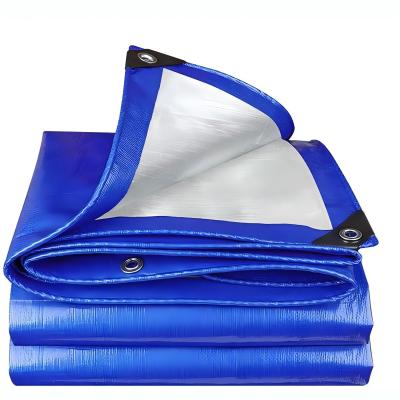
When someone asks “what is the tarp?” or “what is a tarp?”, the simplest answer is a protective covering sheet. But that definition becomes more useful when you separate the function from the material. A tarp can protect cargo from rain, reduce dust around a work zone, create temporary shelter, cover machinery, shade livestock, contain loose material or divide an industrial space.
This is why a tarp should not be selected by color alone. The familiar blue sheet is usually a lightweight polyethylene product intended for general coverage. A heavy duty tarp for trucks, equipment or repeated outdoor exposure may use a reinforced polyester base fabric with a PVC or vinyl coating. A mesh tarp intentionally allows air and some moisture through. Canvas may be chosen when breathability is more important than a fully sealed surface.
In normal product and purchasing language, yes. Tarp is the common shortened form of tarpaulin. “Tarpaulin” appears more often in specifications, manufacturing documents and international sourcing, while “tarp” is common in field use, trucking, construction, retail and online search.
For industrial and repeat-use applications, performance comes from the whole construction. A strong material can still fail early if the seams, hems, hardware or installation concentrate stress in the wrong place.
Woven polyester, woven polyethylene, canvas or mesh structure carries much of the tensile and tear load.
Coating, lamination or treatment influences waterproofing, cleanability, UV behavior, flexibility and weldability.
Welded, sewn or overlapped joints determine how large panels behave and whether water can enter through the joining area.
Hems, webbing, rope edges and corner patches spread load and help protect the perimeter from repeated tension and handling.
Grommets, D-rings, straps, buckles and other attachment points connect the tarp to the real installation system.
There is no universal “best tarp material.” The best choice depends on waterproofing, ventilation, handling weight, abrasion, sunlight, expected reuse and budget.
Common for reusable heavy duty and industrial covers where waterproofing, welding and reinforcement are important.
Lightweight and economical for temporary or general-purpose protection.
Breathable woven cover material useful when reducing trapped moisture is a priority.
Open structure allows airflow and reduces wind pressure while providing shade or containment.
Transparent PVC, reinforced films and specialty coated textiles serve visibility, enclosure or technical requirements.
The table below is a purchasing orientation, not a substitute for an approved specification. Final suitability depends on the exact fabric construction, finish, seams, reinforcement and installation.
| Material | Water Protection | Breathability | Typical Duty | Common Advantages | Buyer Watchpoint |
|---|---|---|---|---|---|
| PVC coated polyester | High | Low | Medium to heavy duty | Weldable, reinforced, reusable, customizable | Confirm GSM, base fabric, coating, UV package and seam design. |
| Polyethylene / PE | High | Low | Light to heavy grades | Low handling weight, economical, widely available | Do not assume all blue poly tarps have the same thickness or service life. |
| Canvas | Water-resistant to treated waterproof options | High | Medium duty | Breathability, soft contact, reduced condensation risk | Check treatment, shrinkage, mildew resistance and exposure limits. |
| Mesh | Not a sealed barrier | High | Containment / shade | Airflow, lower wind load, debris control, shade | Specify mesh openness, shade rate and edge reinforcement. |
| Clear PVC / film | High | Low | Enclosure / visibility | Visibility, weather barrier, clean appearance | Confirm thickness, clarity, cold flexibility and scratch expectations. |
A tarp is a simple idea with very different engineering demands. These six application groups show why buyers should match the material and finishing to the real environment.
Repeated folding, wind, abrasion and tie-down loads make edge reinforcement, tear resistance and waterproof seam construction important.
Temporary roofing, material covers, enclosure sheets and scaffold protection may require abrasion resistance, UV stability or flame-retardant options.
Long outdoor exposure, wind and seasonal handling call for suitable UV resistance, practical size planning and strong fastening details.
Custom shapes, protruding components and repeated access often make made-to-measure covers more reliable than a generic stock sheet.
Mesh tarps can reduce wind load and allow airflow where a sealed waterproof sheet would create too much pressure or heat buildup.
Distributors and brands may need repeatable color, dimensions, hardware, packing, labels and specification control across future orders.
Many tarp problems are not caused by a single “bad material.” They come from a mismatch between the sheet, the fastening system, the environment and the expected reuse cycle.
Likely causes include concentrated wind load, weak hem reinforcement, excessive spacing, sharp tie-down angles or overtensioning.
A waterproof sheet can still leak through sewn or poorly sealed joints. For large PVC covers, seam method should be part of the specification.
UV exposure, cold conditions, chemistry and coating formulation can affect long-term flexibility. “Heavy” does not automatically mean weather-stable.
Oversizing without tension planning can create large loose areas. Correct fit and an appropriate number of fastening points help reduce repeated shock loading.
A fully sealed tarp may trap moisture around wood, machinery or temperature-sensitive goods. Breathability or ventilation may matter more than maximum waterproofing.
Cut size and finished size can differ after hemming and reinforcement. Fitted covers also need allowance for height, overlap and attachment geometry.
For contractors, fleet operators, distributors, tarp fabricators and OEM buyers, a useful inquiry explains the job before it asks for a price.
Rain, UV, dust, abrasion, wind, shade, containment, condensation or repeated handling?
Use PVC/vinyl, PE/poly, canvas, mesh or a specialty structure according to the job.
Compare GSM, oz/yd2, mil, denier, base fabric and reinforcement rather than relying on one thickness number.
Specify finished size or provide a drawing. Include side drop, overhang, tolerance and access points.
Confirm grommet spacing, D-rings, webbing, straps, rope edges and corner reinforcement around real load points.
For B2B programs, document color, surface, logo, packing, label, test requirements and approved sample.
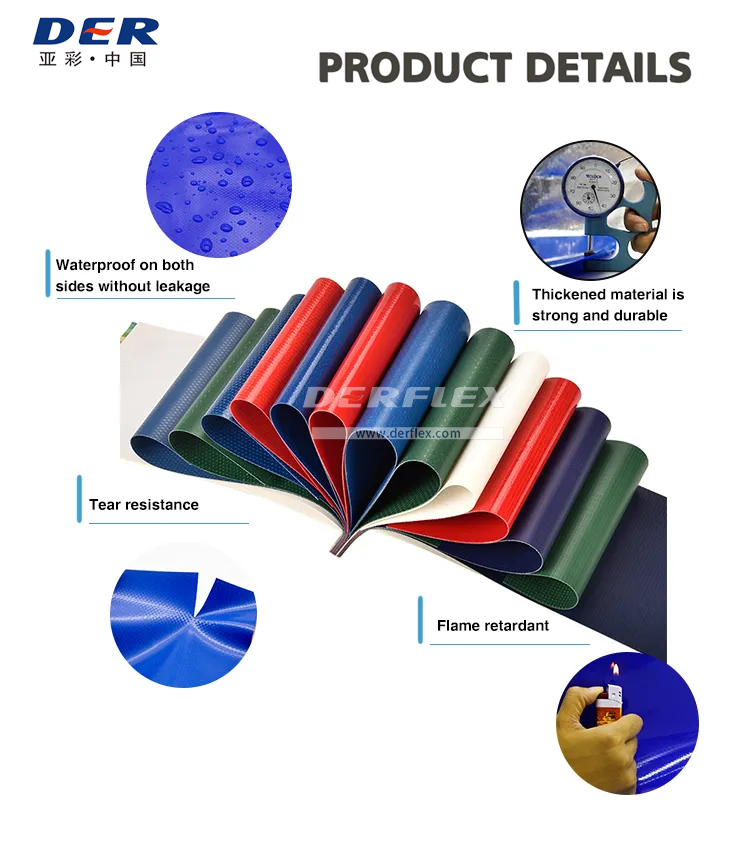
DERFLEX focuses on PVC coated fabrics and tarpaulin solutions for industrial and commercial applications. That means a buyer can discuss the tarp as a material-and-fabrication program rather than only as a stock size.
Depending on the project, the discussion can include PVC coated polyester roll material, material weight, width, surface finish, color, UV or flame-retardant direction, welded seams, reinforced hems, grommets, D-rings, webbing, logo marking and export packing. Final specifications should be confirmed against the actual use, approved sample and applicable test requirements.
These six related pages connect the broad “what is a tarp” question to product, material, application and purchasing decisions.
Short answers for users comparing tarp meaning, materials, waterproofing and industrial sourcing.
Send DERFLEX the application, finished size or roll width, target material, exposure conditions, reinforcement layout, quantity and destination. The team can review a practical material and fabrication direction for quotation.