


 Factory-direct synthetic leather and PVC coated material solutions
Which Is Better, PVC or Faux Leather?
For professional buyers, the better material is not decided by the name alone. PVC is one type of faux leather, while “faux leather” can also mean PU leather, silicone leather, microfiber leather or other synthetic leather constructions. The right choice depends on durability target, surface feel, cleanability, budget, application and repeat supply requirements.
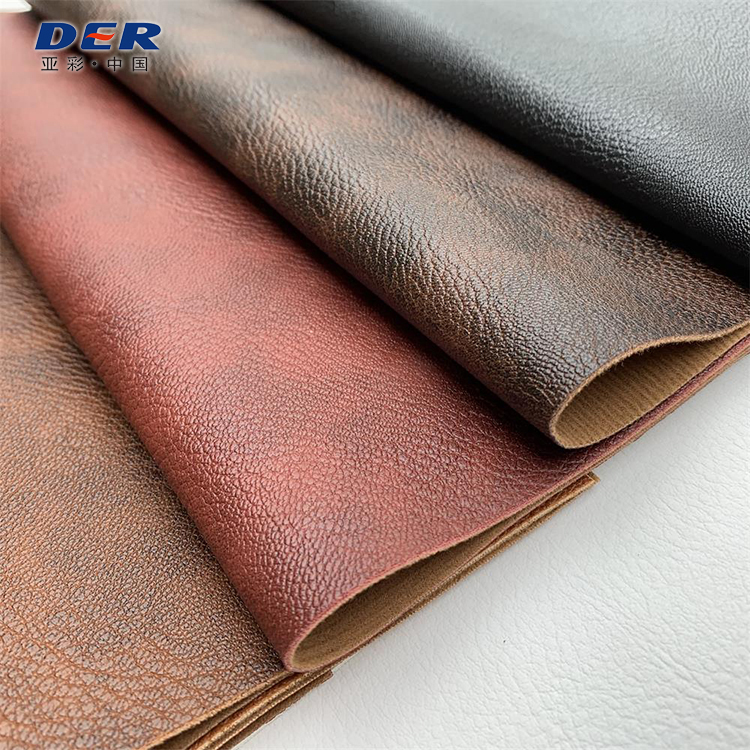
PVC and Faux Leather Are Not Always Opposites
Many buyers search “PVC vs faux leather” because online descriptions are inconsistent. In manufacturing language, faux leather is a broad category. PVC leather is a PVC-coated leather-look material. PU leather is another common faux leather. Silicone leather, microfiber leather and coated textile solutions can also sit in the synthetic leather family.
What PVC Leather Means
PVC leather is usually made by combining a textile backing with a PVC surface system. It is selected for water resistance, wipe-clean behavior, surface stability, embossing flexibility and practical commercial pricing.
What Faux Leather Means
Faux leather is a general name for leather-like synthetic material. It may be PVC, PU, silicone, microfiber or another engineered structure. Quality changes greatly depending on coating, backing and finishing.
How Buyers Should Decide
Start from the finished product. A restaurant booth, car seat cover, handbag, decorative panel or medical mattress cover may each require a different balance of comfort, durability, cleanability and cost.
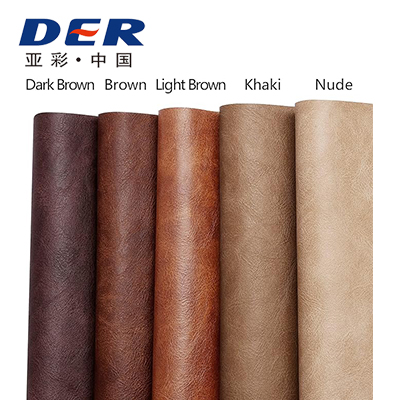
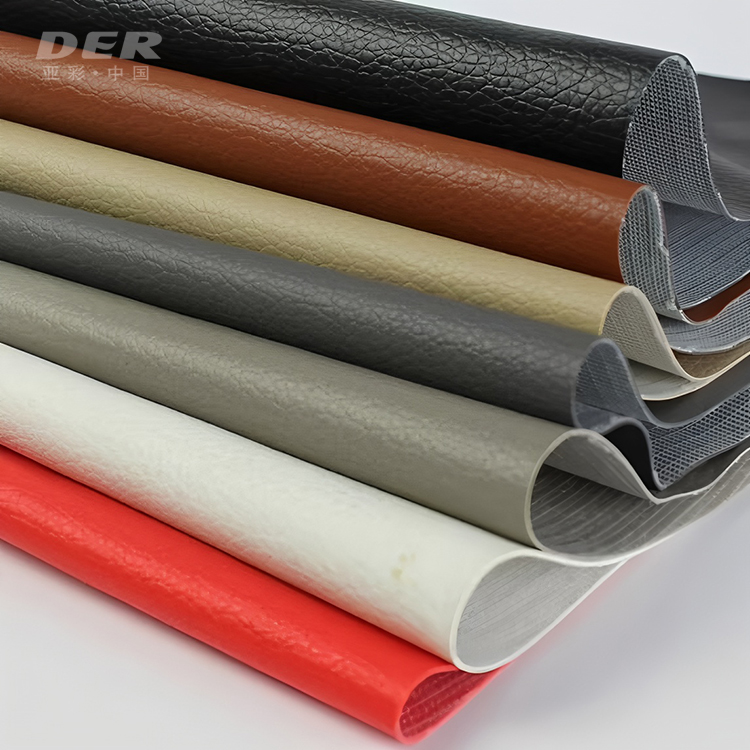
When PVC Leather Is Better, and When Other Faux Leather Is Better
The most successful OEM material choice is usually application-specific. A premium sofa collection may not need the same material as restaurant seating, automotive trim, medical furniture or a mass-market bag line.
Choose PVC leather when the product must work hard.
PVC leather is often the practical choice for high-use commercial environments and cost-sensitive product lines where surface protection and cleaning convenience matter.
- Water-resistant and easy to wipe clean
- Good cost control for volume production
- Stable embossed textures and color programs
- Suitable for contract seating, bags, trim and decorative surfaces
- Can be developed with different backing and thickness options
Choose PU or premium faux leather when touch drives the sale.
PU and other upgraded synthetic leather options are often selected when buyers want a softer, more flexible or more premium hand feel for interior and consumer-facing products.
- Softer and more flexible touch direction
- More refined leather-like surface options
- Better choice for comfort-focused upholstery
- Useful for premium bags, panels and decorative interiors
- Can be upgraded with special surface finishes by project
PVC Leather vs PU Faux Leather vs Premium Synthetic Leather
Use this comparison as a starting point. Exact performance depends on thickness, coating formulation, base fabric, finishing process and test requirements.
| Selection Factor | PVC Leather | PU Faux Leather | Premium Synthetic Options |
|---|---|---|---|
| Best Fit | Commercial practicality Furniture, hospitality seating, packaging, bags, automotive trim, decorative use. |
Comfort and appearance Sofas, chairs, cushions, interior panels, fashion accessories and touch-focused products. |
Higher specification Premium automotive interiors, medical seating, marine seats or special cleanability programs. |
| Surface Feel | Can be firm, stable and leather-like; softer versions are possible through structure adjustment. | Usually softer and more flexible, suitable for upholstery that needs a comfortable hand feel. | Can be designed for advanced touch, low odor direction, improved cleanability or special tactile targets. |
| Water & Cleaning | Strong practical water resistance and easy-clean direction for daily commercial use. | Cleanability depends heavily on finish; usually selected more for comfort and look than extreme surface toughness. | Can be developed for higher cleanability and selected stain-resistance direction depending on system. |
| Durability Direction | Good option for abrasion, repeated handling and product lines that require stable performance at controlled cost. | Good for many upholstery uses, but specification must be matched to hydrolysis, abrasion and flexing needs. | Project-based; can support upgraded performance where budget and product positioning allow. |
| Breathability & Comfort | Less breathable than many PU options; best used where cleanability and durability are more important than skin-contact comfort. | Often more comfortable for seating surfaces and soft-touch interior applications. | Can be optimized for premium comfort, special backing and more demanding user experience goals. |
| Cost Control | Usually attractive for bulk commercial programs and distributor ranges. | Often higher than basic PVC, especially for refined hand feel and premium finishes. | Generally higher; selected when brand value and performance justify the investment. |
| DERFLEX Recommendation | Use for easy-clean upholstery, bags, decorative surfaces, packaging, commercial seating and cost-controlled OEM lines. | Use for softer upholstery, refined visual texture, comfort-focused interiors and premium consumer-facing products. | Use for high-end seating, automotive programs, medical furniture, marine environments and special cleanability projects. |
Choose by Final Product, Not by Material Name Alone
DERFLEX supports buyers who need custom synthetic leather material for multiple product categories. The same “faux leather” label can perform very differently when used in a sofa factory, car interior workshop, hospitality project or bag production line.
Furniture Upholstery
PVC works for easy-clean and contract-use lines; PU works when the buyer wants softer touch and a more refined sitting experience.
Automotive Interiors
Material choice should consider abrasion, temperature exposure, backing stability, embossing, odor direction and batch consistency.
Bags & Accessories
PVC is useful for decorative grain and cost control; PU or premium synthetic leather may be selected for softer hand feel and fashion positioning.
Medical Seating
Cleanability, surface durability, backing strength and application-specific performance are more important than generic material names.
Hospitality Seating
Restaurants, hotels and public seating usually require easy cleaning, repeat order color stability and strong commercial appearance.
Marine & Outdoor Direction
Water resistance, mildew direction, UV pathway and backing selection should be discussed before confirming the material route.
Decorative Panels
Wall panels, box covers and interior surfaces often need texture realism, gluing behavior, dimensional stability and visual consistency.
Distributor Programs
A distributor may need several grades: value PVC leather, softer PU leather and selected premium synthetic leather for different customers.
Why Source PVC and Faux Leather Materials from DERFLEX?
The real risk for synthetic leather buyers is not choosing PVC or PU incorrectly on paper. The bigger risk is buying a material that looks acceptable in one sample but cannot maintain texture, color, backing, thickness and surface stability across repeat orders.
DERFLEX helps buyers move from sample comparison to stable product development. Our team can discuss application, target market, preferred touch, surface grain, backing, thickness, roll width, packaging and quality-control direction before quotation.
Custom Texture
Leather grain, fine grain, coarse embossing, matte finish, semi-gloss finish and custom appearance programs.
Backing Options
Fabric backing, knitted backing, non-woven support and application-specific structures for manufacturing needs.
Color Matching
Support for sample matching, collection development, distributor color ranges and OEM branding direction.
Export Supply
Bulk roll supply, packaging coordination and long-term support for importers, brands, factories and project buyers.
Information DERFLEX Needs Before Recommending a Material
A reliable quotation should be based on the finished product and target market. Tell DERFLEX how the material will be used and we can help narrow the right PVC leather, PU faux leather or premium synthetic leather direction.
- Application: sofa, chair, automotive seat, marine seat, bag, packaging, medical furniture, wall panel or decorative item.
- Surface target: matte, glossy, fine grain, coarse grain, smooth, soft touch, firm touch or special embossed pattern.
- Structure: required thickness, backing type, roll width, softness direction and processing method.
- Performance: cleaning frequency, abrasion direction, water resistance, UV direction, fire pathway or testing expectation.
- Commercial details: quantity, packaging, label, destination, sample schedule and repeat-order plan.
| Buyer Requirement | Recommended Direction |
|---|---|
| Easy-clean commercial upholstery | PVC leather or upgraded coated synthetic leather |
| Soft hand feel for sofas or cushions | PU faux leather or softer synthetic leather construction |
| Cost-controlled bag or packaging material | PVC leather with suitable grain and backing |
| Premium automotive or hospitality seating | PU, silicone leather or project-specific synthetic leather |
| Repeat distributor program | Multiple grades: value, standard and premium ranges |
| Custom color or texture collection | OEM development with sample approval and batch control |
Continue Comparing Synthetic Leather Materials
These DERFLEX pages support buyers who are evaluating PVC leather, PU leather, faux leather, silicone leather and upholstery materials for production or distribution.
Questions Buyers Ask About PVC and Faux Leather
Clear answers help purchasing teams choose the correct material grade before sample development and bulk order confirmation.
Which is better, PVC or faux leather?
PVC is actually one type of faux leather. If the comparison means PVC leather versus PU faux leather, PVC is usually better for water resistance, easy cleaning, durability direction and cost control, while PU faux leather is often better for softness, flexibility and a more refined touch. The better option depends on the final product.
Is PVC leather the same as faux leather?
PVC leather belongs to the faux leather category, but faux leather is broader. Faux leather may be made from PVC, PU, silicone, microfiber or other synthetic systems. Buyers should confirm the exact coating and backing before ordering.
Is PVC leather good for upholstery?
Yes. PVC leather is widely used for upholstery, contract seating, hospitality furniture and decorative surfaces because it can combine leather-like appearance, easy cleaning, commercial durability and practical pricing. For luxury comfort, PU or premium synthetic leather may be considered.
Does faux leather peel or crack?
Low-grade faux leather can peel or crack if the coating, backing, formulation or application is not suitable. Higher-quality materials should be selected according to abrasion, flexing, cleaning, temperature, UV and hydrolysis requirements. DERFLEX can help buyers define a more suitable structure.
Which material is better for bags, PVC leather or PU leather?
PVC leather can be a good choice for cost-controlled bags, decorative grain and easy-clean surfaces. PU leather may be selected for a softer hand feel and more premium appearance. Bag factories should also consider stitching, folding, backing strength and edge finishing.
Can DERFLEX customize PVC leather or faux leather?
Yes. DERFLEX supports custom texture, color, embossing, thickness, backing, softness, finish, roll width, packaging and OEM development for PVC leather, PU leather, silicone leather and other synthetic leather material programs.
What should I send for a quotation?
Send your application, target texture, color, thickness, backing type, roll width, quantity, performance requirements, packaging needs and destination. Photos or reference samples are also helpful for faster material matching.
Need Help Choosing PVC Leather or Faux Leather?
Tell DERFLEX your final product, required surface feel, cleaning needs, thickness, backing, color, quantity and target market. Our team can recommend a practical material structure for your upholstery, automotive, bag, medical seating, hospitality or OEM program.