


 Transport protection / Buying guide
Tarps vs Moving Blankets for Furniture and Equipment Transport
Choose a tarp for the outer weather barrier and moving blankets for cushioning and separation. When furniture or equipment needs both, specify a dry, compatible padded layer inside a properly fitted rain cover.
This guide helps movers, equipment distributors and OEM buyers compare packing systems by exposure, cargo sensitivity, handling and reuse. DERFLEX supplies PVC tarp materials and custom covers for the outer layer; agree padding and cargo restraint separately.
Start with the cargo, its padded dimensions and the transport environment.
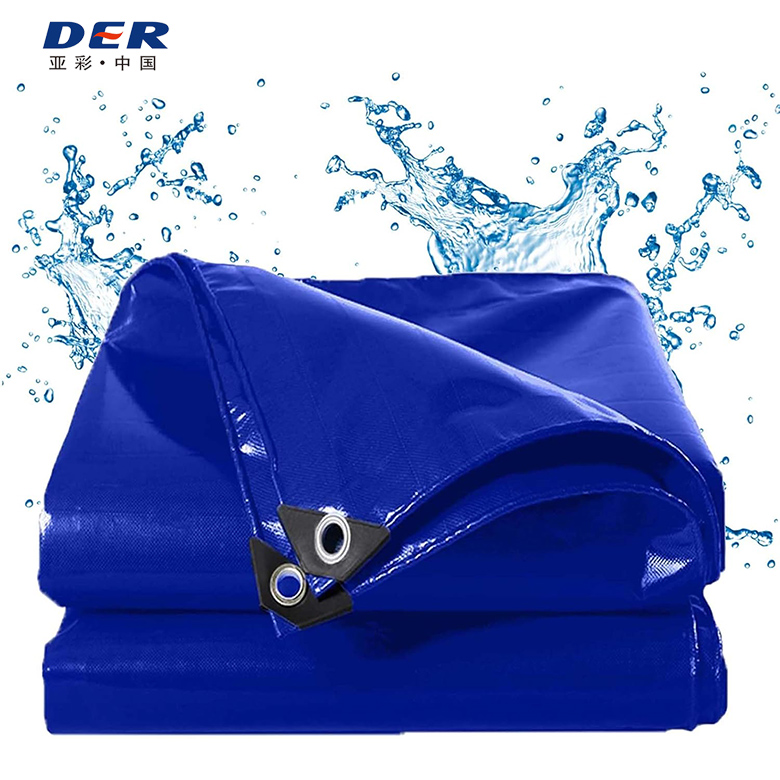
Tarps vs moving blankets: the practical answer
A suitable solid waterproof tarp helps keep rain and road splash off a load. A clean moving blanket provides a textile cushion between the item and surrounding surfaces. For weather-exposed, damage-sensitive cargo, use both as separate layers. Neither a blanket nor a tarp replaces cargo restraint, a crate or engineered shock protection.
What each layer contributes to transport protection
“Tarp” and “moving blanket” describe broad product groups. Compare the actual fabric and finished construction. Mesh tarps are open; canvas treatments vary; a specialist laminated blanket may behave differently from an ordinary textile furniture pad.
On smaller screens, scroll the comparison table sideways.
| Selection factor | Tarp / outer cover | Moving blanket / padding | Buyer decision |
|---|---|---|---|
| Rain and splash | Water barrier depends on fabric, seams, openings and coverage. | Ordinary absorbent textiles can get wet and hold water. | Specify the outer shell where exposure is expected. |
| Cushioning | Thin cover construction offers little cushioning by itself. | Thickness and construction provide a compliant separation layer. | Match padding to contact points; fragile parts need more. |
| Surface contact | Seams, hardware and trapped dirt can mark surfaces. | Cleanliness, fibers, stitching and dye compatibility matter. | Approve the actual material against the actual finish. |
| Fit and closure | Specify drops, overlaps, reinforced edges and closure positions. | Keep the pad in place through loading and unpacking. | Measure the assembled pack, including padding. |
| Moisture after transport | A closed low-permeability cover can retain moisture inside. | A damp blanket can keep moisture against the item. | Plan inspection, removal and drying at arrival. |
| Reuse and handling | Inspect coating, welds, tears and fixing points. | Inspect cleanliness, condition and drying requirements. | Include handling, cleaning and replacement in the budget. |
For the weather layer, review waterproof tarp construction and finished-cover checks. For contact with valuable paint, use the separate paint-contact material and cover-fit guide.
Build a packing brief before choosing a material
Choose the transport environment, cargo sensitivity and use pattern to prepare a starting specification. Recommendations describe packing functions, not a tested protection rating.
Dry padding + removable outer rain cover
Keep a clean, compatible padded layer next to the protected item and add a separate rain shell for the exposed transfer. Remove and inspect wet outer packaging in a dry location.
For repeated use: standardize the padded envelope, cover ID, inspection points and replacement criteria.
| Transport situation | Packing direction | Check before dispatch |
|---|---|---|
| Furniture in a dry box truck | Clean, finish-compatible moving blankets and appropriate edge protection. | Complete contact coverage, restraint arrangement and no dirty textile contact. |
| Furniture crossing a wet loading area | Dry cushioning inside a separate weather cover. | No exposed padding at low edges; a dry place to remove the rain layer. |
| Painted machinery on an open trailer | Compatible contact protection plus a fitted, reinforced outer shell. | Cover retention, runoff paths, hardware clearance and separate cargo restraint. |
| Robust equipment in protective packaging | Assess whether the existing package supplies cushioning; add weather coverage as needed. | No unsupported spans, sharp projections or unprotected openings. |
| Instruments, glass or precision assemblies | Purpose-designed packing, potentially foam, bracing or a crate; add weather protection where required. | Equipment-maker packing instructions and an agreed transport validation plan. |
Put the rain barrier outside the dry cushioning
Design the pack so the outer cover can be removed without soaking the inner layer. A water-resistant material cannot correct an open top seam, an exposed blanket edge or runoff directed into the package.
- Prepare the padded item.Check the contact layer, protect projections and keep access to intended lifting and restraint points.
- Fit the outer shell.Keep padding within the weather envelope. Specify downward-shedding overlaps and closures that do not collect runoff.
- Restrain the cargo and retain the cover.Use the carrier’s appropriate cargo restraint arrangement. Tarp eyelets retain the cover; they are not cargo-securing anchors.
- Inspect at handover.Check for shifting, water entry and damaged padding. Separate wet packaging before storing or reusing it.
Open-road transport needs its own cover design. A loose sheet can flap, wear through or detach. Confirm geometry, reinforcement, attachment positions and operating exposure with the fabricator and carrier. Do not infer a road-speed or wind rating from GSM or eyelet count.
Size the tarp around the padding, not the bare item
Measure the largest padded length and width, including handles, protected projections and corner pads. Record the required front, rear and side drops from the top of that envelope. Do not compress the blanket during measurement and assume it will remain compressed in service.
Flat cover width = padded top width + left drop + right drop
Planning example: a padded package with a 2.10 m × 0.95 m top and a required 0.70 m drop on all four sides starts at 3.50 m × 2.35 m finished coverage. This is a geometric illustration, not a manufacturing size recommendation. Closure overlap, shape, fastening access and working allowance still need to be added to the drawing.
Ask for finished dimensions and agreed tolerances. A flat sheet forms folds around corners; a fitted cover requires a different pattern with seams and installation clearance. See the tarp measuring and sizing guide before finalizing the drawing.
Record the inside envelope
Padded dimensions, corner build-up, detachable parts, surface-contact restrictions and access points.
Record the outside envelope
Desired drop, runoff direction, closure position, cover-retention points and how operators fit and remove it.
Specify the weather shell and padding as separate line items
DERFLEX’s role here is the PVC tarp layer: material rolls, cut panels or custom finished covers by agreement. Moving blankets, crates, foam, restraint equipment and a complete tested packaging system must be scoped separately. For fabrication options, explore custom tarp supply.
| Purchase item | Define in the request | Approve before repeat orders |
|---|---|---|
| Outer-cover material | Named construction, required handling conditions, nominal mass and tolerance, color and exposure. | Reference sample and relevant material data for the selected grade. |
| Finished shell | Padded dimensions, fit, weld layout, closures, edge reinforcement and hardware positions. | Trial fit; agreed inspection of seams, openings and cover-retention interfaces. |
| Cushioning / contact layer | Contact material, padding construction, coverage, cleanliness and care requirements. | Representative finish-contact check and handling trial with the actual item. |
| Packing and logistics | Quantity by size, labels, individual packs, destination, delivery basis and documents. | Sample pack contents, packing instructions and the final written supply scope. |
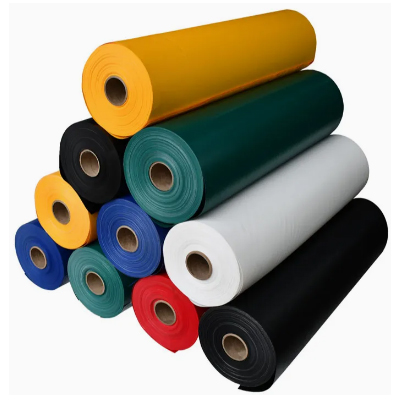
Roll goods
For buyers cutting and fabricating their own cover panels.
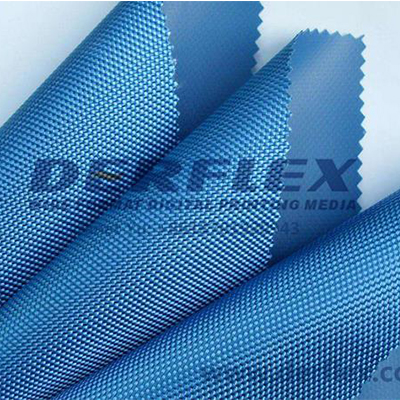
Material selection
Approve the actual coating and textile construction.
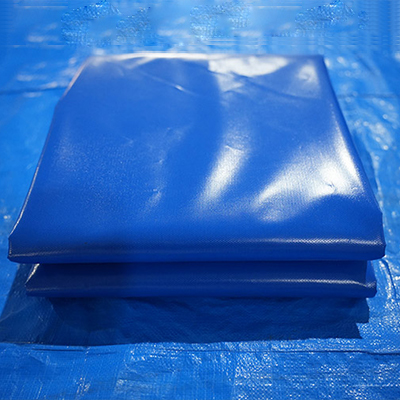
Cover material
These are material references, not a completed furniture packing case.
Compare PVC vinyl tarp options and custom vinyl cover fabrication for the outer shell. A product name alone does not establish the performance of the assembled pack.
Price the usable packing system for the same transport duty
A low sheet price is difficult to compare with a made-to-size reusable cover. Ask each supplier to quote the same dimensions, seam and closure details, quantities and delivery basis.
Initial purchase
- Outer fabric area, panel layout and fabrication.
- Padding, contact liners and corner protection.
- Closures, reinforcement, identification and packaging.
- Freight, delivery terms and any tooling or sample charges.
Operating cost
- Time to fit, remove, inspect and store the layers.
- Cleaning and drying between trips.
- Replacement of damaged covers or contaminated pads.
- Return logistics for reusable packing.
Compare cost per completed shipment only when the planned number of reuse cycles is realistic. Do not treat an assumed reuse count as a service-life guarantee.
Validate one complete pack under representative conditions
Review the drawing and sample
- Check the fit with the selected padding installed.
- Check compatibility with upholstery, varnish, paint or other sensitive finishes.
- Keep metal fittings and hard seams away from contact zones.
- Confirm access for intended lifting and cargo restraint.
Agree the trial and acceptance
- Assess expected loading exposure and inspect likely water-entry paths.
- Check movement and wear at corners during representative handling.
- Write down what triggers repair, cleaning or replacement.
- Agree who removes wet layers and checks the item at destination.
For machinery: follow the equipment maker’s shutdown, cooling and shipping instructions. Plan any long-duration moisture protection separately. A tarp is not a sealed vapor-barrier package, and padding is not a substitute for a designed shock-isolation system.
Tarps and moving blankets FAQ
Are moving blankets waterproof?
Ordinary textile moving blankets are not a dependable rain barrier. Some specialist products include a water-resistant or waterproof layer, but the actual construction, seams and stated test conditions must be checked. Use a separate suitable outer cover when rain protection is required.
Can I use a tarp instead of moving blankets?
A tarp can provide an outer weather barrier, but it does not provide equivalent cushioning. For furniture or equipment vulnerable to contact damage, specify compatible padding separately. A tarp alone may suit a robust load that needs weather coverage and already has adequate protective packaging.
Which layer goes first when using both?
Start with the dry item and any finish-compatible contact liner, then fit clean, dry cushioning and the outer weather cover. Keep padding inside the weather shell. Treat cargo restraint as a separate engineered function, with suitable edge protection and access to the correct attachment points.
Does a heavier tarp offer better impact protection?
Fabric weight alone does not establish cushioning or impact performance. A heavier tarp may change durability and handling weight, while shock protection depends on the packing system. Fragile or precision equipment may require purpose-designed foam, bracing or a crate.
Can furniture stay wrapped after a wet journey?
Inspect the wrap at the first suitable dry location. Remove wet outer covers without transferring water to the item, check the padding, and dry the item and textiles as appropriate. Long-term enclosed storage needs a separate moisture-control plan; a transport wrap is not automatically a storage system.
What does DERFLEX need to quote an outer transport cover?
Send the cargo type, padded dimensions or drawing, exposure conditions, quantity, loading method and destination. Mark seams, closures, reinforcement and attachment positions. DERFLEX can discuss PVC tarp roll goods, cut panels or custom finished covers; confirm padding and other packaging as separate line items.
Send the padded dimensions and transport conditions
Share a photo or sketch, finished coverage needs, quantity and destination. Mark where the cover closes, where runoff must go and how it will be retained. DERFLEX can help define the PVC tarp material and fabrication scope for your inquiry.
Identify padding and any other packaging as separate requirements.
Guide prepared by DERFLEX · Updated October 25, 2026 · Selection guidance for transport packing; confirm the actual material and finished design for your application.