Hot Surface Protection
Creates a flexible barrier around valves, flanges, exhaust components and other hot surfaces. Final touch-temperature or personnel-protection performance must be validated as a complete system.



Custom removable thermal covers and flexible heat-shield assemblies for valves, flanges, turbines, exhaust lines, pumps, heat exchangers and industrial machinery that need heat control without permanently blocking maintenance access.
DERFLEX can discuss project-specific outer fabrics, heat-facing layers, insulation-system interfaces, reinforcement, closures, cut-outs, removable panel geometry and OEM fabrication direction. The correct cover is selected from the real temperature profile and service environment—not from one generic “high-temperature” label.
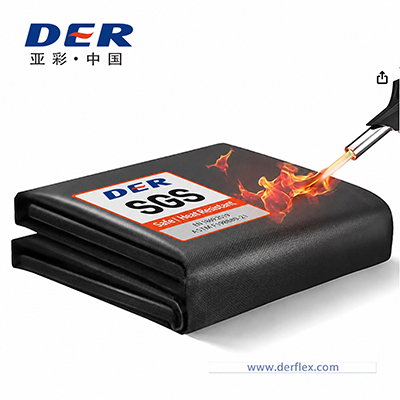
Equipment heat protection covers are removable flexible shielding or insulation assemblies fitted around hot machinery and components to reduce heat transfer, protect nearby surfaces or personnel, and preserve service access. A typical cover combines a heat-resistant textile shell with project-selected insulation and fastening components. The correct construction depends on continuous and peak temperature, direct contact versus radiant heat, chemicals, vibration, weather, removal frequency and the required safety or test route.
Permanent insulation can be effective on simple straight runs, but complex equipment often needs periodic inspection, adjustment or repair. Removable heat protection covers are built around that maintenance reality.
Creates a flexible barrier around valves, flanges, exhaust components and other hot surfaces. Final touch-temperature or personnel-protection performance must be validated as a complete system.
A multi-layer thermal cover can reduce exposed heat loss when its insulation core, thickness, fit and seams are correctly designed for the equipment and process conditions.
Flexible covers or shields can protect adjacent cables, hoses, sensors and components from nearby heat sources where rigid panels are impractical or maintenance access is restricted.
Straps, lacing, hooks, buckles, hook-and-loop closures or segmented panels allow the cover to be removed and reinstalled without destroying the insulation system.
Coated outer fabrics can add useful resistance to moisture, oil mist, dirt and repeated handling. Chemical identity and cleaning media should be disclosed before material selection.
Standardized drawings, panel codes, fastening layouts, inspection openings and packing can support repeat production for equipment makers, maintenance suppliers and industrial distributors.
This table is a purchasing framework, not a universal temperature chart. The cover must be validated as a finished assembly.
| Use Condition | Material / Construction Direction to Evaluate | What the Buyer Should Confirm |
|---|---|---|
| Reusable outer shell on valves, flanges and process equipment | Silicone-coated fiberglass outer layer with project-selected insulation core and hot-face material | Surface temperature, actual fabric-layer temperature, oil/steam exposure, removal frequency, closure system and seam layout. |
| Heat-protection cover with a defined flame-retardant requirement | FR silicone-coated fiberglass direction plus project-qualified internal layers | Exact test method, whether the test applies to raw fabric or finished assembly, flame/spark exposure and target market requirement. |
| Chemical-facing or low-friction outer surface | PTFE-coated fiberglass may be evaluated for the specific layer | Chemical identity, concentration, temperature, flexibility, seam method and whether PTFE surface behavior is actually needed. |
| Higher radiant heat or hotter hot-face zone | Specialty high-temperature fiberglass / silica / engineered hot-face textile direction | Continuous and peak temperature, direct contact, radiant heat intensity, airflow, hot spots and insulation thickness. |
| Outdoor hot equipment with rain, UV and frequent service | Weather-capable coated outer fabric plus drainage-aware removable construction | Water paths, seam and overlap design, wind movement, UV exposure, condensation, fasteners and inspection frequency. |
| OEM cover for repeated installation and removal | Multi-panel construction with reinforced high-stress zones, coded sections and robust closures | Cycle frequency, sharp edges, lifting points, service openings, label scheme, packing and repeat-order dimensional control. |
The biggest sourcing error is to ask only for “high-temperature fabric.” A finished thermal cover usually needs several functions that may be handled by different layers. DERFLEX already supplies silicone coated fiberglass fabric for flexible industrial heat-protection products, while the complete cover design must account for the thermal profile at every layer.
Often selected for handling durability, moisture and oil resistance, abrasion support, cleanability and repeated removal. Silicone-coated fiberglass is a common direction for this role.
Chosen by the cover designer according to temperature, heat-loss target, thickness, compressibility, weight and installation geometry. Core selection should not be inferred from the outer-fabric data sheet.
Faces the highest local temperature and may need a different textile than the outer shell. Direct contact, radiation, abrasion and airflow all change the requirement.
Thread, straps, buckles, hooks, D-rings, lacing points, grommets and reinforcement patches should be selected for the same temperature zone and removal cycle as the cover.
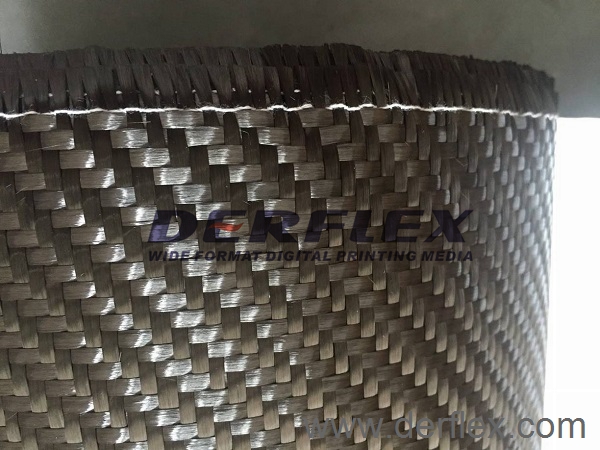
Good thermal performance can be undermined by poor panel layout, overloaded closures or unprotected cut-outs.
Use separate removable panels around control boxes, inspection ports, drains, flanges and frequently serviced components so maintenance teams do not need to strip the entire cover.
Pull tabs, hooks, D-rings, cut-outs and sharp equipment corners can concentrate load. Local reinforcement and edge protection should be reviewed before approving the pattern.
Overlaps, seams and hardware openings can become heat-leak paths. Pattern design should reduce exposed gaps without making the cover difficult to remove.
A fabric that tolerates heat may still be unsuitable for a specific acid, fuel, solvent or cleaning agent. Confirm compatibility at the actual operating temperature.
Outdoor or wash-down covers should avoid water traps around seams, pockets and horizontal folds. Wet insulation can change thermal behavior and maintenance conditions.
Complex covers should be trial-fitted on a sample, drawing, 3D model or first article so panel fit, closures, cut-outs and removal sequence can be corrected before repeat production.
Equipment geometry and maintenance frequency matter as much as headline temperature.
| Equipment | Why a Removable Cover Is Used | Key Design Questions |
|---|---|---|
| Valves & flanges | Irregular shapes, frequent inspection and exposed hot metal make permanent insulation inconvenient. | Valve position, bonnet/handle access, leak risk, steam or oil exposure, closure location and removal frequency. |
| Turbines & hot housings | Large curved surfaces, vibration and scheduled maintenance may favor segmented removable thermal panels. | Peak temperature, hot spots, vibration, service panels, lifting sequence and hot-face material. |
| Exhaust manifolds & pipes | Heat shielding can protect nearby components while allowing access to clamps, sensors or joints. | Direct-contact temperature, radiant heat, bends, sensors, condensate, oil mist and clearance. |
| Pumps & process equipment | Thermal insulation may be needed around equipment that also requires routine seal, bearing or instrument access. | Service access, vibration, leaks, drain paths, removable sections and contamination. |
| Heat exchangers | Removable covers can be fitted around heads, nozzles and access areas that are periodically opened. | Head removal, flange pattern, lifting points, surface temperature, outdoor exposure and cover segmentation. |
| Industrial machinery near heat sources | Flexible heat-shield covers can protect sensitive components from radiant or localized heat without a rigid enclosure. | Distance from heat source, airflow, required shield area, mounting method, cable access and abrasion. |
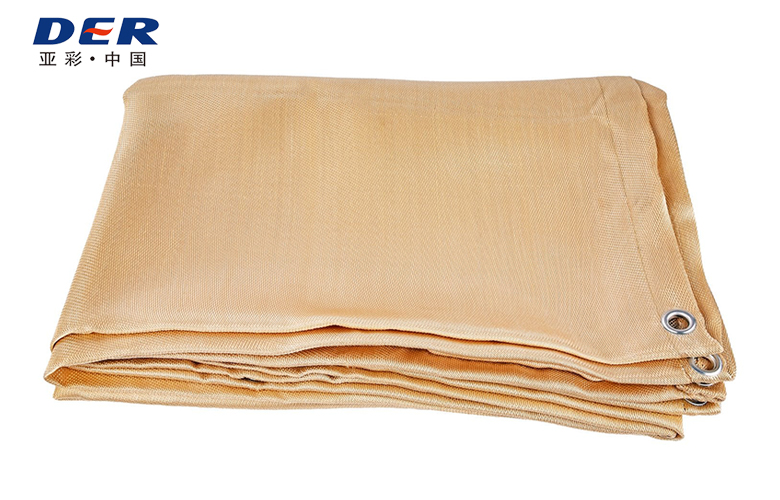
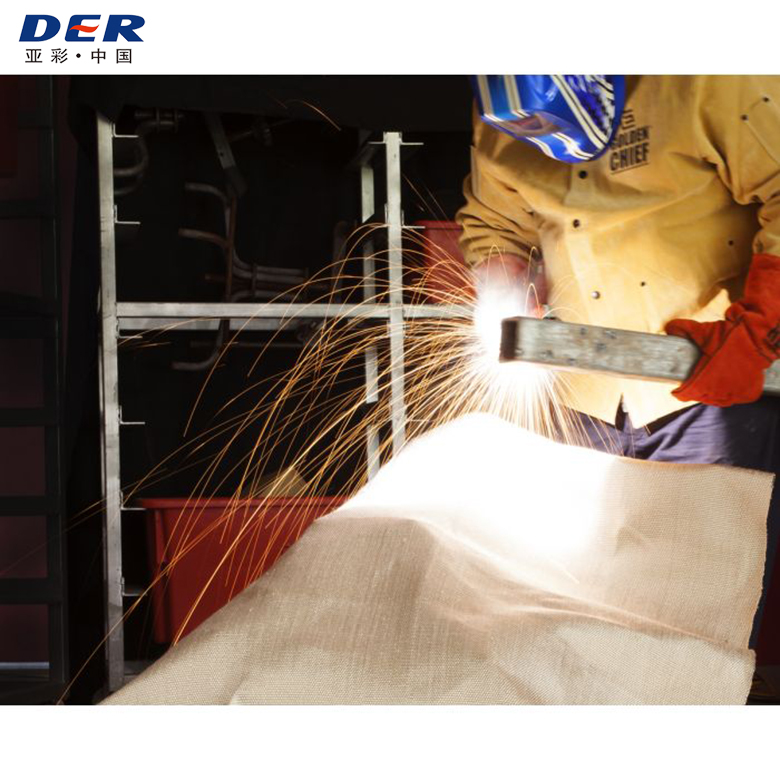
These are real images currently hosted on derflex.com. They are used as material and adjacent-application references; final equipment heat-cover photographs should be replaced with the latest approved production images when available.

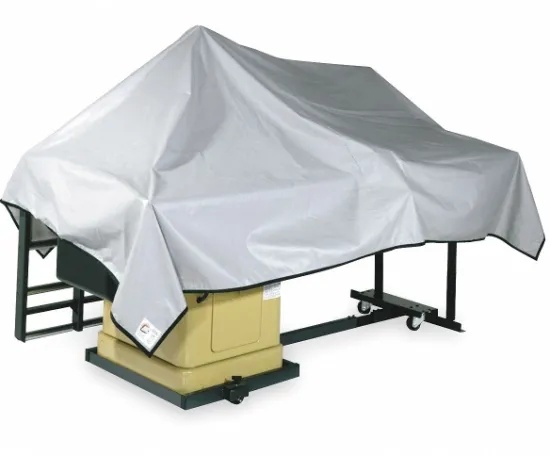
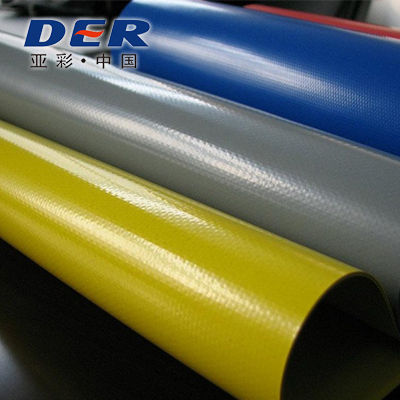
The outer shell may see a much lower temperature than the hot face. Specify the full thermal path rather than copying one surface-temperature number into every layer.
Heat resistance, flame retardancy, welding-spatter resistance and certified fire performance are different requirements. State the exact test or risk condition.
Two fabrics with similar weight can differ in weave, coating amount, thickness, stiffness, abrasion behavior and sewing performance.
A cover removed every week sees very different folding, pulling and closure loads from one opened once per year.
Oil, steam, condensate, chemical splash and cleaning agents can change the material requirement and should be disclosed before sampling.
Complex equipment should be pattern-checked before volume production. Drawings alone may miss obstructions, clearances and the real maintenance sequence.
A complete operating-condition brief helps the supplier propose a realistic construction instead of quoting a generic thermal blanket.
DERFLEX’s advantage in this category is the ability to connect coated technical textiles with the finished-cover requirement.
Temperature, layer position, coating side, handling, contamination, fabrication and test route can be discussed together before sampling.
DERFLEX publishes silicone, FR silicone and PTFE-coated fiberglass directions for insulation, heat shielding and industrial technical-textile conversion.
Project-defined panels, edges, grommets, straps, labels, packing and converted technical-textile formats can be reviewed according to the order program.
For buyers focused on the raw outer-shell material rather than the finished cover, review DERFLEX fabric for removable insulation jackets. For projects with a defined flame-retardant direction, compare FR silicone coated fiberglass fabric. Chemical-facing or low-friction applications may also justify comparison with PTFE coated fiberglass fabric.
Short, direct answers for maintenance teams, OEM buyers and procurement managers.
The terms overlap. “Insulation jacket” usually emphasizes heat-loss control through a layered removable insulation assembly, while “heat protection cover” can also include radiant-heat shields, protective blankets and covers whose main purpose is to protect nearby equipment or personnel.
Common directions include silicone-coated fiberglass for flexible outer shells, FR coated fiberglass where a defined flame-retardant route is needed, PTFE-coated fiberglass for selected chemical-facing duties, and specialty fiberglass or silica textiles for hotter zones. The exact layer depends on the temperature at that layer.
Yes, when the outer fabric, seams, drainage, closures and fastening are designed for rain, UV, wind and repeated maintenance. A weather-resistant fabric alone does not make the finished cover waterproof.
Use a drawing or measured equipment profile that includes protrusions, handles, flanges, sensors, cable exits, lifting points and maintenance clearances. Complex equipment should be prototype-fitted before repeat production.
“Fireproof” is too broad. A cover may be heat resistant or use flame-retardant materials, but its performance depends on the exact layers, test method, heat source, exposure time and finished assembly. Request the relevant test evidence for the selected construction.
Reuse life depends on operating temperature, coating, folding and abrasion, closure design, contamination, cleaning and how often the cover is removed. Repeated-use programs should prioritize reinforced stress zones and inspect covers for wear before reinstallation.
DERFLEX can discuss project-based material and conversion requirements including coated-fabric direction, panel geometry, size, reinforcement, cut-outs, grommets, straps, D-rings, labels and packing. Final feasibility depends on the cover construction, application and order plan.
Provide normal operating surface temperature, short-duration peak temperature, peak duration and whether the cover touches the hot surface directly or is separated by insulation or an air gap. If known, provide the expected temperature at the outer shell as well.
Yes. DERFLEX uses silicone-coated fiberglass as a practical material direction for removable insulation jackets, thermal shields and equipment covers. The exact grade should be chosen by coating formulation, layer position, temperature, moisture/oil exposure, weight, thickness and handling cycle.
Yes. DERFLEX supplies technical coated fabrics for converters and insulation-jacket manufacturers. Buyers can source roll goods or discuss selected converted formats depending on the project.
Check fit, maintenance access, overlap, closure load, sharp-edge contact, hot spots, panel removal sequence, lifting points, surface temperature, abrasion, seam stress and any oil, steam or chemical exposure. Prototype approval should happen before bulk repetition.
Send equipment drawings or photos, dimensions, continuous and peak temperature, layer position, operating environment, target material or existing sample, closures, quantity, required test method, packing and destination.
Send DERFLEX the equipment drawing or photos, continuous and peak temperature, hot-face contact condition, outer-shell environment, required access points, closure preference, quantity, destination and any test requirement. The team can review a practical material and fabrication direction for sampling and quotation.