1. Silicone formulation
Different silicone rubber systems, fillers, pigments and curing routes can create different heat-aging behavior. Color alone is not proof of a higher or lower temperature grade.



Short answer: silicone coated fiberglass fabric does not have one universal temperature rating. Current DERFLEX material information discusses selected constructions around 230–287°C (446–549°F) for continuous exposure at the silicone surface. Many industrial silicone-glass products also use 260°C / 500°F as a common continuous-use reference, but the exact grade and finished assembly must be confirmed.
The practical limit is determined by the silicone formulation, coating amount, fiberglass construction, exposure time, hot-face direction, radiant load, chemicals, seams, thread and the temperature that actually reaches the coated fabric layer.
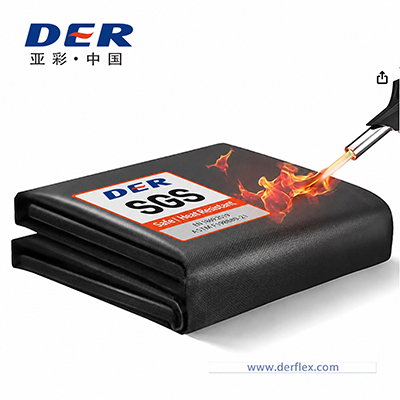
For continuous service, selected DERFLEX silicone coated fiberglass constructions are currently discussed around approximately 230–287°C (446–549°F) at the silicone surface. A widely used industry reference for many silicone rubber coated fiberglass fabrics is about 260°C / 500°F continuous operation. These values should be treated as grade-specific selection directions, not a universal guarantee.
The woven fiberglass substrate may tolerate more heat than the silicone coating. That does not mean a silicone-coated composite can automatically use the higher bare-fiberglass rating. For engineering and purchasing, the approved temperature of the complete coated fabric and finished assembly is the number that matters.
Most temperature-selection errors happen because different thermal conditions are combined into one number.
| Temperature Term | What It Means | Silicone Fiberglass Selection Direction | Buyer Action |
|---|---|---|---|
| Continuous service temperature | Sustained material exposure under defined operating conditions. | Selected DERFLEX constructions are discussed around approx. 230–287°C / 446–549°F at the silicone surface; 260°C / 500°F is a common industry reference for many grades. | Use the technical data for the exact production grade and actual layer temperature. |
| Short peak / intermittent temperature | A brief excursion during startup, upset, hot particle contact or short thermal event. | Can be higher than the continuous rating for some grades, but there is no universal DERFLEX peak number for every construction. | State the peak value, duration and frequency. Do not use a peak number as a continuous rating. |
| Process / equipment temperature | Gas stream, pipe wall, turbine casing, duct or heater surface temperature. | May be much higher than the temperature at the silicone-coated outer layer if insulation, air gaps or liners are present. | Whenever possible, specify the temperature at the actual coated-fabric layer. |
| Direct flame / molten spatter exposure | Localized flame, welding sparks, slag, molten droplets or severe radiant heat. | A continuous temperature number alone does not describe burn-through, flame spread or molten-metal behavior. | Define orientation, working distance, dwell time and required test method for the finished product. |
| Bare fiberglass substrate temperature | Thermal capability of the woven glass reinforcement before the silicone coating is considered. | The substrate can tolerate higher heat than the polymer coating in many constructions. | Never copy the bare-glass value into a coated-fabric specification without composite data. |
The words “silicone coated fiberglass” describe a material family, not one fixed formulation.
Different silicone rubber systems, fillers, pigments and curing routes can create different heat-aging behavior. Color alone is not proof of a higher or lower temperature grade.
Single-side and double-side constructions differ in coating mass, surface protection, stiffness and heat exposure. Two-side coating does not automatically raise the temperature rating.
Weave, yarn construction, thickness and textile weight affect mechanical stability, drape and reinforcement. The substrate is the thermal backbone, but the coating can still be the practical temperature limit.
Continuous service, repeated cycling and short peaks are different thermal duties. A material can tolerate a brief event that would not be acceptable for thousands of operating hours.
Two systems with the same air temperature can produce different material temperatures if one fabric is close to a radiant hot surface. Distance, shielding and airflow matter.
Heat can accelerate chemical attack. Provide the actual oil, solvent, acid, alkali, condensate, cleaning agent or steam exposure instead of relying on generic “chemical resistant” language.
A silicone-coated glass cloth should be specified as a composite system rather than by the temperature capability of only one layer.
Define normal temperature, startup peak, radiant load, flame, sparks or hot surface contact.
Some assemblies use insulation, air gaps, liners, fiberglass or silica to reduce the temperature reaching the coated outer layer.
Provides reinforced flexibility plus useful moisture, oil, weather and handling resistance within the approved grade envelope.
Thread, bindings, closures, adhesives, grommets and clamps can become the lowest-temperature part of the finished assembly.
It is a common continuous-use reference for many industrial grades, but it is not a universal rating for every silicone-coated fiberglass fabric.
Many industrial suppliers publish approximately 500°F / 260°C continuous capability for silicone-coated fiberglass. DERFLEX selected grades are currently discussed across approximately 230–287°C continuous silicone-surface exposure.
Fiberglass reinforcement can tolerate more heat than silicone rubber, but the coated composite must be approved as a composite. The coating can age, harden or degrade before the glass textile loses integrity.
Flame spread, burn-through, welding spatter and continuous temperature are different performance questions. A required ASTM, EN, DIN, NFPA, FM or customer method must be defined separately when applicable.
These are current DERFLEX purchasing directions for the broader silicone-coated fiberglass family. Final availability and tolerances are confirmed against the exact grade.
| Specification Item | DERFLEX Direction | Why It Matters for Temperature Selection |
|---|---|---|
| Base substrate | Woven fiberglass cloth; E-glass or project-matched fiberglass construction. | Controls textile strength, dimensional stability, drape and thermal reinforcement. |
| Coating structure | Silicone rubber on one side or both sides; flame-retardant direction can be reviewed for defined project requirements. | The silicone surface can become the practical thermal limit before the glass substrate. |
| Total weight | Approx. 260–2000 g/m2 across current DERFLEX silicone-coated fiberglass programs. | Weight influences coating mass, mechanical duty and fabrication, but GSM alone does not determine temperature rating. |
| Thickness | Approx. 0.25–3.0 mm depending on base cloth and silicone loading. | Affects bend radius, seam bulk, handling, compression and thermal mass. |
| Common width directions | 1000 / 1200 / 1500 mm; other widths depend on product structure and production route. | Correct width reduces seam count and helps converters keep high-heat zones away from unnecessary joints. |
| Color direction | Red, grey, black, white, yellow and project-defined colors depending on formulation and order plan. | Color should be treated as identification or application preference, not evidence of heat or flame classification. |
| Continuous temperature direction | Selected grades commonly discussed around approx. 230–287°C / 446–549°F at the silicone surface; exact grade must be confirmed. | The material-layer temperature is more useful than process-gas or equipment-surface temperature alone. |
| Supply format | Roll goods, slit widths, cut pieces or selected OEM converted directions subject to project review. | The finished fabrication method can introduce lower-temperature thread, adhesive, binding or closure components. |
The correct material depends on the temperature at the fabric layer and what the coated surface must do besides resist heat.
| Application | Why Silicone Coated Fiberglass Is Considered | Temperature Question to Ask | Extra Variables |
|---|---|---|---|
| Removable insulation jackets | Flexible outer shell with abrasion, oil, moisture and handling resistance. | What is the actual temperature at the outer jacket fabric after the insulation layer? | Insulation thickness, hot-face fabric, thread, closures, outdoor weather and repeated removal. |
| Fabric expansion joints | Flexible reinforcement and protective surface for movement, vibration and outdoor/industrial exposure. | What temperature reaches the silicone belt or outer layer after liner and insulation effects? | Gas chemistry, condensate, pressure, axial/lateral movement, flex cycles, seam/splice and clamp zone. |
| Welding curtains / barriers | Coated surface can improve handling durability and resistance to oil or moisture. | Is the exposure continuous radiant heat, short sparks, spatter, flame or molten material? | Vertical vs horizontal orientation, distance, dwell time and required hot-work test category. |
| High-temperature duct connectors | Useful where heat resistance must be balanced with flexibility and vibration isolation. | What is the continuous connector-fabric temperature, not only the air or gas temperature? | Pressure, vibration frequency, flange geometry, airflow, edge reinforcement and chemical media. |
| Equipment heat covers | Protective outer layer for reusable covers and thermal shielding assemblies. | Will the silicone fabric touch the hot surface directly or sit outside an insulation/air-gap layer? | Sharp edges, oil, weather, maintenance cycle, closure system and local hot spots. |
| Higher heat-facing duty | Standard silicone-coated fiberglass may no longer be the correct heat-facing layer. | Is the required layer temperature above the approved range of the selected silicone grade? | Evaluate higher-heat fiberglass/mineral coatings, high-silica textiles or a multi-layer design. |
Converters should validate the complete sewn, clamped or assembled product—not only a flat material coupon.
A suitable silicone-glass fabric can still fail if the thread has a lower temperature limit or the seam is located in a hot spot. Confirm thread type, stitch density and seam position using the production grade.
Fiberglass can fray at cut edges. Trial hemming, binding or reinforcement after heat exposure, especially where repeated removal or flexing is expected.
If adhesive backing, foil, film or another laminate is added, the practical assembly temperature may be controlled by that added component rather than the silicone or glass.
Metal hardware may tolerate high temperature, but concentrated mechanical stress around holes and clamp edges can weaken the textile after heat aging.
Startup and shutdown repeatedly expand and contract the material. State cycle frequency and flexing movement instead of specifying only one steady temperature.
Continuous operating temperature does not predict burn-through or molten-spatter performance. Specify the actual hazard, orientation and required finished-product test route.
All image URLs below are hosted on DERFLEX.com. The hero image is loaded immediately; below-the-fold images use lazy loading.

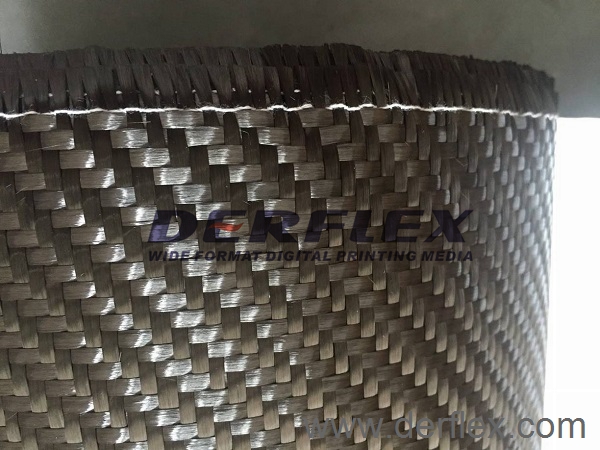
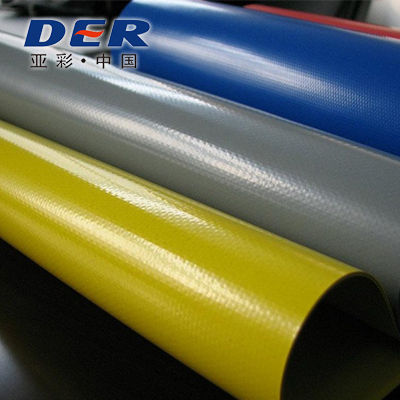
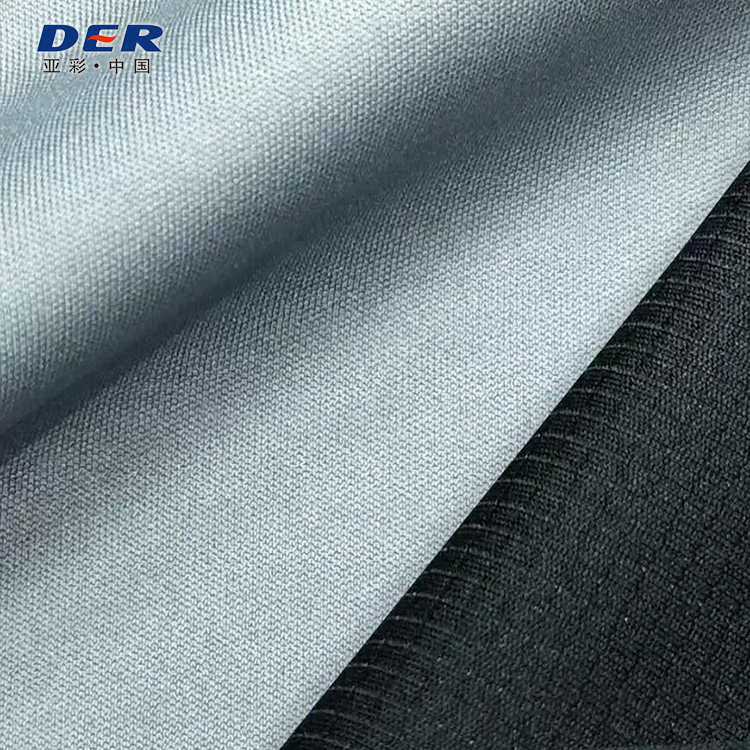
These mistakes create unsuitable samples, premature failures and misleading supplier comparisons.
The substrate can survive more heat than the silicone coating. Specify the complete coated composite.
A short excursion does not prove long-term service capability. Include peak duration and cycle frequency.
Insulation, liners, air gaps and radiant distance can make the actual fabric-layer temperature very different.
Flame performance and continuous operating temperature are separate properties and may require different evidence.
Similar weight can hide different fiberglass weave, silicone loading, coating continuity, stiffness and heat-aging behavior.
Temperature and chemical exposure interact. Provide media, concentration, wet/dry cycle and cleaning chemistry.
Cut, sew, fold, clamp, bind or laminate the exact sample using the real production method before bulk approval.
Two-side silicone changes protection and coating mass, but it does not automatically change the silicone chemistry into a higher-temperature material.
A useful technical quotation needs more than “silicone fiberglass for high temperature.”
These six live DERFLEX pages separate material chemistry, application duty and coating selection so this temperature guide can remain narrowly focused on silicone fiberglass heat limits.
Direct answers for engineers, fabricators, industrial buyers and procurement teams.
There is no universal rating for every grade. Current DERFLEX material information discusses selected silicone-coated fiberglass constructions around approximately 230–287°C (446–549°F) for continuous exposure at the silicone surface. Around 260°C / 500°F is also a common continuous-use reference for many industrial silicone-glass products. Confirm the exact grade and complete assembly.
Do not assume that a higher bare-fiberglass or short-peak number applies to the silicone-coated composite. The fiberglass substrate can tolerate more heat than the silicone coating, while some products may publish short peak behavior that is different from continuous service. Use the approved composite rating for the exact grade and exposure duration.
For many industrial silicone-coated fiberglass products, 500°F / 260°C is published as a continuous operating reference. DERFLEX currently discusses selected grades around approximately 230–287°C continuous silicone-surface exposure. Short peak capability is grade-specific and should be confirmed separately.
Not automatically. Double-side coating changes coating mass, surface protection, flexibility, cleanability and moisture/oil resistance on both faces, but it does not by itself change the silicone chemistry into a higher-temperature grade.
It can be. In a silicone-coated fiberglass composite, the woven glass reinforcement often tolerates more heat than the polymer coating. That is why the bare-fiberglass temperature should not be used as the rating of the coated composite.
Use the temperature expected at the silicone-coated outer fabric whenever possible, not only the pipe, valve or turbine surface temperature. Insulation thickness, hot-face fabric, air gaps and radiant heat determine how much temperature reaches the outer shell.
“Fireproof” is too broad for a technical specification. Continuous temperature, flame spread, burn-through, welding spatter, molten-metal exposure and smoke behavior are different properties. Specify the exact required test method and acceptance criteria for the finished product.
Do not substitute the bare-glass rating. Evaluate a higher-temperature hot-face material, mineral-coated fiberglass, high-silica textile or multi-layer design that keeps the silicone-coated layer within its approved temperature envelope. Final grade and assembly validation are required.
Send DERFLEX your continuous and peak temperatures, heat source, layer position, coating side, weight/thickness/width, chemical exposure, fabrication method, required test route, quantity and destination. The team can review a practical silicone coated fiberglass direction for sampling and quotation.
This page is a material-selection and purchasing guide, not a finished-product engineering approval. Temperature capability, flame performance, chemical compatibility and complete-system suitability must be validated for the exact ordered grade and completed assembly.