Repeated Roll-Up & Flexing
The coating and scrim must tolerate repeated bending around the roller without early cracking, delamination or unstable curl. Flexibility and coating adhesion should be verified on production-representative material.



DERFLEX supplies reinforced PVC-coated polyester fabric for automatic and retractable swimming pool cover programs where the material must do more than block water. Roll-up behavior, repeated cycling, track-edge abrasion, webbing integration, welding consistency, dimensional stability and outdoor exposure all belong in the specification.
Automatic pool covers commonly use a reinforced vinyl or PVC-coated polyester material: a woven polyester scrim carries tension while the flexible PVC/vinyl layers provide the water barrier, surface protection and heat-weldable construction. For automatic systems, the correct fabric also needs stable roll-up behavior, resistance to repeated flexing, controlled shrinkage or stretch, durable edge/webbing integration and compatibility with the track and drive system.
A roll of fabric is not, by itself, a certified safety cover. If the finished automatic cover is marketed as a safety cover, the complete system—including material, seams, webbing, track interface, mechanism, installation and labeling—must follow the applicable market standard and test route.
A seasonal pool tarp may be installed and removed only a few times each year. An automatic pool cover can be opened and closed repeatedly, which changes the procurement priorities. Fabric weight still matters, but it is only one part of system durability.
The coating and scrim must tolerate repeated bending around the roller without early cracking, delamination or unstable curl. Flexibility and coating adhesion should be verified on production-representative material.
The side interface can see friction, rubbing and localized tension every cycle. Abrasion behavior, edge reinforcement and webbing construction need to be considered together.
Excessive shrinkage, stretch or uneven panel behavior can change cover tracking and tension. Repeat-order programs should freeze scrim, coating, weight, finish and conversion method.
The cover should be specified around the highest-stress interfaces, not only the center-field fabric.
The table separates existing DERFLEX pool-cover reference data from variables that automatic-cover manufacturers should define during development.
| Specification Item | DERFLEX Reference / Direction | Automatic-Cover Buyer Should Define |
|---|---|---|
| Material | Reinforced PVC-coated polyester fabric | Automatic / retractable cover concept, water-contact condition, system brand or mechanism type. |
| Base Scrim | Existing pool-cover reference includes 1000D × 1000D, 20 × 20 | Tensile / tear target, distortion resistance, panel orientation and edge-load design. |
| Weight | Existing pool-cover direction: approximately 15–18 oz/yd2 | System handling target, roller size, span, finished-cover test route and expected cycle loading. |
| Thickness | Existing pool-cover reference: approximately 0.3–0.5 mm | Do not specify thickness alone; freeze it together with weight, scrim and coating construction. |
| Roll Width / Length | Existing pool-cover reference includes 3.2 m × 50 m; selected PVC grades can be discussed in wider directions | Cutting yield, seam map, conversion table, roller handling and freight constraints. |
| Surface Finish | Custom finish / lacquer direction available by project | Cleanability, track abrasion, coating-to-coating friction, gloss/matte target and blocking during roll storage. |
| Color | Blue plus custom project colors | Top/back color, heat absorption, light blocking, OEM color standard and lot tolerance. |
| Outdoor Package | UV / weather-resistant formulation direction can be discussed | Climate, solar exposure, operating season, pool chemistry, cleaning method and storage environment. |
| Fabrication | PVC construction suitable for RF / hot-air welding direction | Welding equipment, seam width, tooling, webbing attachment, bead/rope concept and acceptance test. |
| Compliance | Material can be developed to an agreed technical specification | Finished-cover standard, laboratory route, labeling, mechanism responsibility and installer requirements. |
Several established automatic-cover suppliers market reinforced vinyl fabrics around 17 oz/yd2, while another automatic-cover route specifies 630 g/m2 plasticized PVC over polyester scrim.
17 oz/yd2 is about 576 g/m2; 630 g/m2 is about 18.6 oz/yd2. These market references confirm that medium-heavy reinforced vinyl/PVC is common, but the correct automatic-cover material still depends on scrim, coating adhesion, flex behavior, abrasion, webbing design and the complete system.
Existing DERFLEX pool-cover references span approximately 15–18 oz/yd2. For an automatic-cover OEM program, the practical next step is to compare a reference sample or technical sheet and approve a conversion trial rather than selecting by weight alone.
The composite has to combine textile reinforcement with a continuous flexible surface. Each layer has a different job in the moving cover system.
Illustrative structure. Yarn, density, coating weight, color, lacquer and additives must be frozen in the approved specification.
Buyers sourcing general pool protection can also review DERFLEX's swimming pool cover PVC tarpaulin material. This automatic-cover page is intentionally narrower: it focuses on roll goods that must work inside a retractable mechanism.
Automatic-cover failures often start at interfaces. A useful material approval process should include the converter's real welding, webbing and rolling conditions.
The side webbing transfers track and drive loads into the cover. Welded, heat-sealed or sewn concepts should be validated as complete assemblies, not judged from fabric tensile values alone.
Confirm RF or hot-air settings on the actual coating formulation. Record seam width, dwell/temperature or power settings and the accepted appearance/peel result for production control.
The surface must repeatedly roll against itself. Evaluate whether heat, moisture or storage pressure causes sticking, surface transfer, gloss marking or difficult deployment.
Track systems create localized wear that the center of the cover may never see. Map high-contact areas and determine whether reinforcement, sacrificial layers or different webbing construction is needed.
Measure the approved sample before and after conditioning, welding and rolling trials. The target is not “zero movement,” but predictable behavior compatible with the mechanism and panel geometry.
Covers may be rolled while damp and exposed to chlorinated water, cleaning products and outdoor heat. Define the real service environment before selecting the coating and finish package.
The best starting specification depends on whether the buyer is developing a new system, replacing an existing fabric, converting rolls locally or building a repeat-order OEM program.
| Program | Material Direction | Conversion Priority | Approval Method |
|---|---|---|---|
| New automatic-cover OEM | Reinforced PVC-coated polyester developed around mechanism loads and target cover weight. | Track interface, webbing construction, weldability, roll-up behavior. | Material sample → welded/webbing strip → trial roll → finished prototype. |
| Replacement-cover converter | Match the original cover's weight, thickness, surface, color and mechanical behavior as closely as practical. | Compatibility with existing tracks, ropes/beads, roller and attachment geometry. | Reference sample comparison plus conversion test on existing production equipment. |
| Local fabricator buying rolls | Controlled roll width and finish suited to the converter's seam plan and equipment. | Cutting yield, weld consistency, roll handling and repeat-order tolerance. | Approved material code and recorded welding method before bulk roll supply. |
| Private-label cover brand | Fixed scrim, weight, color range, finish and packaging standard. | Lot-to-lot color, appearance, conversion yield and traceable revision control. | Master sample + technical sheet + packaging/label approval. |
| Safety-cover system | Material selected from the complete finished-system performance target. | Load path, openings, webbing, mechanism, installation and labeling. | Finished-cover testing under the applicable market standard. |
If your program is a non-automatic solid safety cover, use the dedicated commercial safety pool cover fabric guide. It covers stationary solid-cover design, drainage strategy and finished-cover safety considerations in more detail.
These mistakes are common when a buyer treats a moving cover system like a generic waterproof tarp.
Two rolls at the same weight can use different scrims, coating ratios, surfaces and adhesion levels.
Better: specify the complete material construction and conversion acceptance.A visually correct material may behave differently during welding, rolling or webbing attachment.
Better: approve a production-representative welded and rolled sample.The side edges can experience higher abrasion and concentrated load than the middle field.
Better: map edge wear and define webbing / reinforcement together with the fabric.Waterproofing is only one material function and does not establish finished-system safety performance.
Better: start from the finished-cover standard and reverse-engineer the material requirement.Changes in roll width, coating, gloss or weld behavior can create conversion problems even if the product name is unchanged.
Better: freeze a material code, technical sheet and approved master sample.Service conditions vary by pool chemistry, cleaning practice, UV level, water temperature and how long the cover remains wet.
Better: provide the real operating environment during material development.The images below use existing DERFLEX website assets. Alt text and surrounding copy are written for automatic-cover material search intent rather than generic product photography.
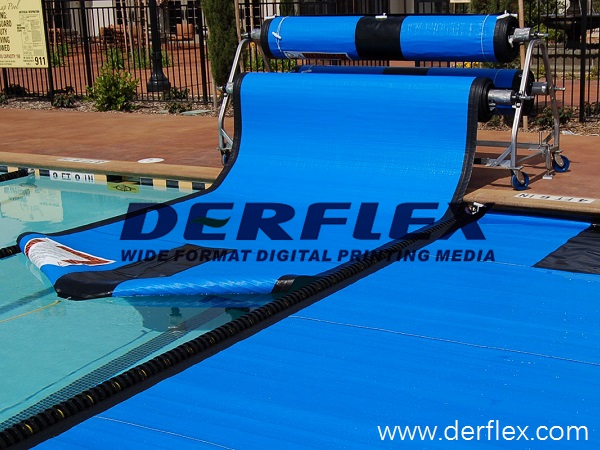
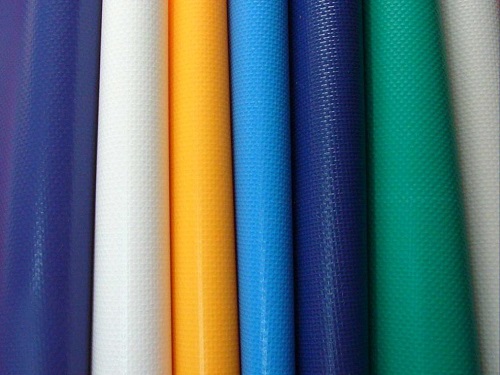
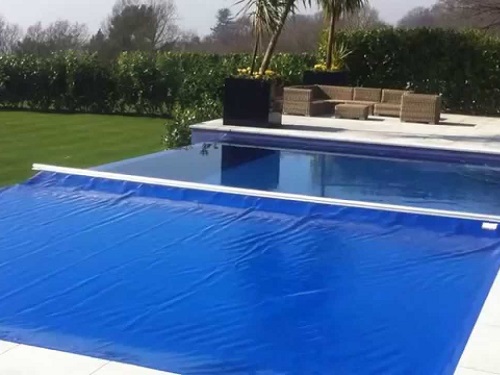
For general finished-cover sourcing, see DERFLEX's custom PVC pool cover tarp page. For legacy roll specifications and existing cover-material references, review swimming pool tarpaulin cover material.
A useful RFQ should help the material supplier understand the cover system and conversion route, not only the desired price per square meter.
Use the page that matches the actual buying intent instead of treating all pool-cover searches as the same product.
Direct answers to material, conversion and purchasing questions commonly asked by automatic-cover brands, replacement-cover converters and pool equipment buyers.
Reinforced vinyl or PVC-coated polyester is a common route. The polyester scrim provides structural reinforcement, while the flexible PVC/vinyl surface creates the water barrier and allows welded panel fabrication. Automatic systems also need controlled dimensional behavior, abrasion resistance and reliable webbing integration.
Around 17 oz/yd2 is a common market reference, and some systems use heavier material such as approximately 630 g/m2. It should not be treated as a universal standard. Compare scrim, coating, thickness, weldability, track wear, mechanism load and finished-cover testing before fixing the material specification.
A normal pool tarp primarily needs waterproofing, weather resistance and edge fixing. Automatic-cover fabric works inside a moving mechanism and therefore must also withstand repeated rolling, track-side abrasion, webbing loads, start/stop cycling, wet storage and controlled dimensional change.
PVC-coated polyester is commonly compatible with RF/high-frequency and hot-air welding. Actual weld quality depends on the coating formulation, material thickness, equipment, tooling, seam width and settings. Approve a production-representative welded sample before bulk conversion.
Both approaches exist in the market, and some cover systems use proprietary heat-sealed webbing or bead assemblies. The correct method depends on the track and mechanism design. Evaluate the complete fabric-webbing interface under the expected load and cycling condition rather than choosing by material marketing claims.
Pool chemicals, sunlight, heat and prolonged moisture can accelerate coating aging. The severity depends on concentration, exposure time, cleaning practice, storage and formulation. Provide the actual service environment so the material and surface package can be specified around the application.
No. ASTM F1346-23 addresses the performance and labeling of safety covers. A fabric roll by itself does not establish compliance. If the finished automatic cover is sold as a safety cover, the complete installed system must follow the applicable test and documentation route.
Send the system type, reference fabric or target construction, weight/thickness if known, roll width, color, surface finish, webbing interface, welding method, UV/chemical environment, order quantity, packaging, destination and any finished-cover safety or testing requirement. A physical sample can reduce specification assumptions.
Send DERFLEX your mechanism type, reference material, target weight/thickness, cover dimensions, roll width, webbing or bead interface, welding method, color, annual volume, destination and required finished-cover standard. The team can review a practical PVC-coated polyester material direction for sampling and OEM roll supply.
Product suitability, finished-cover safety performance, certification, mechanism compatibility and labeling must be confirmed for the intended market and final application.