


 Waterproofing Membrane Selection Guide
What Is the Best Membrane for Waterproofing?
The best waterproofing membrane is not one universal product. It is the membrane system that matches the structure, water pressure, chemical exposure, UV level, installation method and required service life. For many exposed, weldable, long-term waterproofing projects, reinforced PVC or PVC/PVDF coated polyester membrane offers one of the strongest balances of waterproof performance, flexibility, seam security and customization.
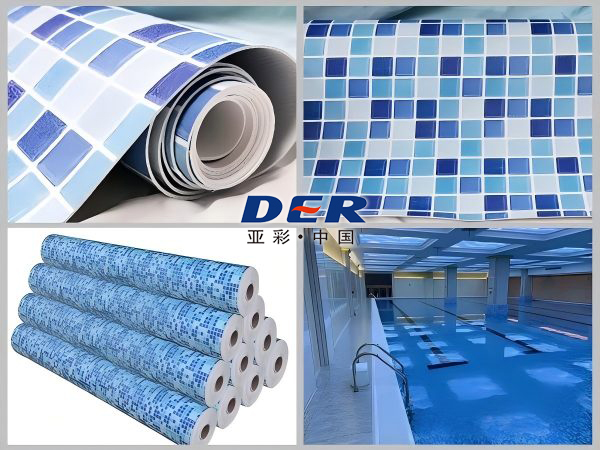
DERFLEX Reinforced PVC/PVDF Waterproof Membrane
Factory-direct roll supply for roofing, pool lining, pond lining, containment, civil engineering, industrial covers and custom waterproofing systems.
The Best Waterproofing Membrane Depends on the Application
Users searching this question usually need a practical choice, not a list of materials. The correct answer changes between roofs, basements, pools, ponds, tunnels, decks and industrial containment. A strong page must explain selection logic first, then recommend a membrane structure.
For exposed outdoor waterproofing
Reinforced PVC or PVC/PVDF membrane is often preferred when the membrane must resist UV, weathering, dimensional movement and field welding. It is suitable for many roof, canopy, pond, pool and industrial cover projects.
For below-grade structures
Sheet-applied systems, self-adhered bituminous membranes, TPO membranes, bentonite systems and protection boards are commonly selected according to hydrostatic pressure, substrate, backfill condition and drainage design.
For details and complex shapes
Liquid-applied membranes can be useful around penetrations, transitions, balconies and irregular geometry. However, thickness control, substrate preparation and curing conditions become critical to waterproofing success.
What Leading Waterproofing Brands Teach Buyers
Top waterproofing companies do not sell one single answer. They organize their product lines by membrane type, project risk, drainage accessories, protection courses, detailing products and installation method. This is important for SEO and for real buyers: the best membrane is only best when it works as a complete system.
- High water pressure and aggressive ground conditions require stronger sheet membrane design and detailing.
- Horizontal and vertical waterproofing require compatible drainage mats, protection courses, tapes, sealants and termination details.
- Roofs, walls, foundations, floors, pools, fountains and ponds need different membrane technologies.
- For long-term projects, buyers should compare installation risk, seam security, repairability, service environment and supply consistency.
Why DERFLEX Focuses on Reinforced PVC/PVDF Membrane Materials
DERFLEX is a membrane material manufacturer. We focus on roll goods and project-grade flexible membrane structures that converters, fabricators, contractors, distributors and OEM buyers can specify for different waterproofing markets.
Our PVC/PVDF coated polyester membrane can be engineered with controlled fabric base, PVC coating, optional PVDF or acrylic topcoat, flame-retardant direction, UV stabilizer direction, anti-fungal direction, color, thickness, roll width and packing method.
PVC, TPO, EPDM, Bituminous or Liquid Membrane: Which Is Best?
This comparison helps buyers quickly match waterproofing membrane materials to common project conditions.
| Membrane Type | Best Used For | Main Advantages | Important Buyer Notes |
|---|---|---|---|
| Reinforced PVC / PVC-P Membrane | Swimming pools, ponds, roofing, containment covers, waterproof liners, industrial sheet waterproofing, tensile and exposed membrane systems. | Heat-weldable, flexible, decorative options, chemical direction available, good seam control, custom roll supply, suitable for many visible and submerged applications. | Choose correct thickness, reinforcement, UV grade, anti-slip texture, topcoat and welding method. Best results require professional installation and seam testing. |
| PVC/PVDF Coated Polyester Membrane | Long-term outdoor roofs, canopies, membrane structures, industrial waterproof covers, architectural and large-span fabric projects. | Strong tensile base fabric, waterproof PVC coating, optional PVDF surface for better cleanability and weathering, large-area fabrication and welding. | Ideal when waterproofing also requires tensile strength, appearance retention, project customization and factory-consistent roll goods. |
| TPO Sheet Membrane | Low-slope roofs, below-grade sheet systems and some water-retaining structures depending on system design. | Heat-welded seams, flexible sheet system, reflective roofing options and broad industry adoption. | System compatibility, accessories, substrate and installation discipline are key. Not every TPO formulation fits every immersion or chemical condition. |
| EPDM Rubber Membrane | Roofing, pond lining and some foundation applications. | Flexible rubber performance, weathering resistance, good movement tolerance and long market history. | Seam method and adhesive quality matter. It may be less suitable where heat-welded thermoplastic seams or decorative finishes are required. |
| SBS / APP Bituminous Membrane | Roofs, foundations, basements, bridges and below-grade waterproofing assemblies. | Strong waterproofing tradition, good adhesion direction, cost-effective for many building structures. | Installation method, flame restrictions, substrate, protection layer and climate should be evaluated before selection. |
| Liquid-Applied Membrane | Balconies, decks, planters, corners, penetrations, repair zones and irregular surfaces. | Seamless monolithic coating, good for complex details and local reinforcement. | Requires strict surface preparation, curing control and wet-film/dry-film thickness control. Not always the best for large roll-based supply programs. |
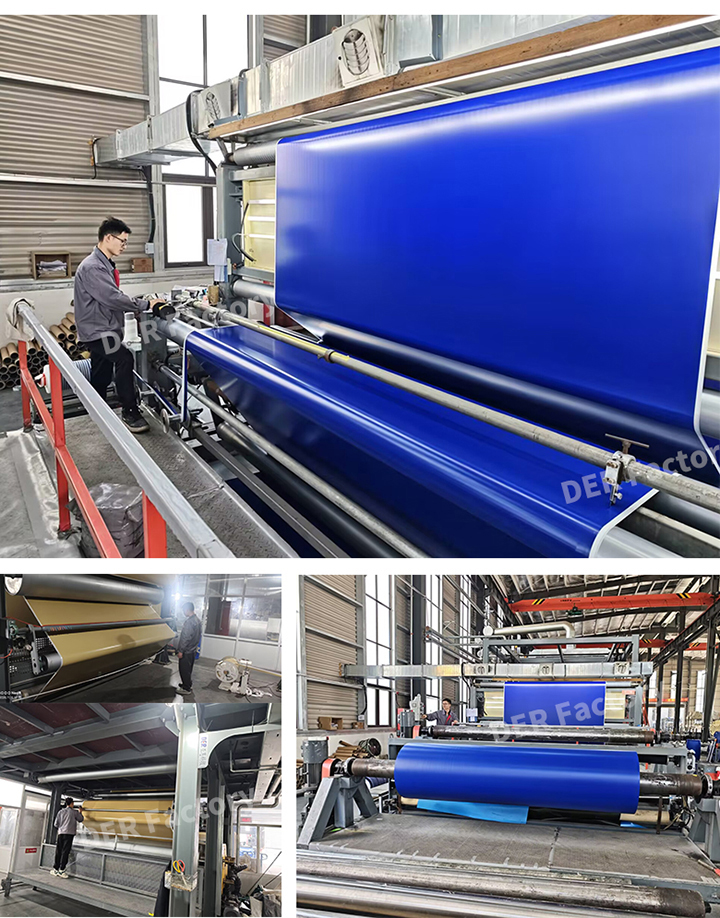
Product image: DERFLEX reinforced PVC membrane roll
For product pages, this visual can be replaced with a dedicated membrane roll, pool liner, roof membrane, pond liner or architectural membrane project image. The current image is sized to display cleanly inside the independent page layout.
Reinforced PVC/PVDF Waterproof Membrane for Multi-Application Projects
DERFLEX waterproof membrane materials are designed for professional buyers who require more than basic waterproofing. A project-grade membrane must be waterproof, weldable, dimensionally stable, resistant to the service environment and available with repeatable production quality.
- Waterproof PVC coating: dense thermoplastic coating layer designed to create a continuous waterproof barrier.
- Reinforced polyester base fabric: optional high-strength reinforcement for tear resistance and dimensional stability.
- Heat-welded seams: thermoplastic welding helps create strong continuous joints when fabricated and installed correctly.
- UV and weather direction: outdoor grade additives and topcoat options for exposed projects.
- Custom project supply: thickness, width, color, texture, topcoat, roll length, packing and OEM branding can be discussed.
Recommended Specification Range by Application
Final specification should be confirmed according to substrate, water pressure, exposed environment, local codes and installation method.
Swimming Pool Waterproofing
Recommended direction: flexible PVC-P pool membrane or reinforced PVC pool liner with weldable seams, chemical resistance, anti-slip options and decorative surface.
- Residential, hotel and public pools
- Renovation over old pool structures
- Custom pattern and texture options
Roof & Canopy Waterproofing
Recommended direction: reinforced PVC/PVDF coated polyester membrane for exposed projects where waterproofing, tensile strength, UV resistance and appearance retention are important.
- Commercial canopies and walkways
- Lightweight membrane roofs
- Architectural fabric projects
Pond, Lagoon & Containment
Recommended direction: flexible waterproof membrane with selected thickness, reinforcement and chemical exposure direction according to water, sludge, gas or industrial contact conditions.
- Ponds and water containment
- Lagoon covers and environmental covers
- Industrial liquid or gas control projects
Foundation & Below-Grade
Recommended direction: choose a complete system with drainage, protection course, waterstop and detailing accessories. Sheet membranes are useful, but installation environment matters greatly.
- Basements and retaining walls
- Under-slab and blindside areas
- Hydrostatic pressure review
Industrial Waterproof Covers
Recommended direction: reinforced PVC coated fabric or PVC membrane with tear resistance, weldability, UV direction and custom fabrication support.
- Equipment protection
- Waterproof industrial liners
- OEM finished covers and roll supply
Distributor & OEM Programs
Recommended direction: stable roll goods with repeatable specifications, SKU planning, private-label packing and market-specific performance documentation.
- Custom thickness and color range
- Batch consistency for repeat orders
- Export packaging and container loading
How to Choose the Best Waterproofing Membrane
Use this checklist before comparing prices. A low-cost membrane may fail if it does not fit the actual water pressure, substrate, seams, exposure and installation conditions.
Define whether the membrane will be exposed, buried, submerged or covered.
Exposed roof and canopy membranes need UV and weather resistance. Pool and pond membranes need immersion and chemical direction. Below-grade systems need pressure, drainage and protection design.
Confirm the required seam method.
Heat-weldable PVC, PVC/PVDF and TPO membranes can create thermoplastic seams. EPDM uses different joining methods. Liquid membranes eliminate sheet seams but require thickness control.
Match thickness and reinforcement to mechanical stress.
Higher traffic, soil movement, wind load, tensile stress or fabric fabrication usually requires stronger base fabric, thicker coating, better tear resistance and protective detailing.
Check chemicals, temperature, UV and maintenance conditions.
Chlorinated pool water, wastewater gas, saline water, industrial liquids, high heat and direct sunlight all require different material directions.
Choose a manufacturer able to customize and repeat quality.
For B2B buyers, membrane selection is not only technical. Stable roll quality, documentation, packaging, lead time, color consistency and OEM support affect the final project result.
Need a Waterproofing Membrane Recommendation?
Send DERFLEX your application, size, thickness direction, exposure condition, color requirement and expected service environment. Our team can help recommend a suitable PVC/PVDF membrane structure for your project or OEM program.
Why Choose DERFLEX for Waterproof Membrane Materials?
DERFLEX supports global buyers with factory-direct PVC coated fabrics, PVC membranes, architectural membrane fabrics, pool membrane materials and custom flexible waterproofing solutions.
Material Engineering
Membrane structure can be adjusted by base fabric, coating layer, lacquer/topcoat, thickness, width, surface finish and performance direction.
Weldable Fabrication
PVC thermoplastic membrane can be hot-air welded for strong seam continuity in professional fabrication and installation.
Project Customization
Custom color, texture, roll size, anti-slip surface, UV direction, FR direction and OEM packaging can be discussed for different markets.
Global Supply Support
DERFLEX provides export-oriented service for distributors, contractors, waterproofing companies, converters and private-label brands.
Internal Links for Waterproofing Membrane Buyers
Use these related pages to build a complete DERFLEX membrane SEO cluster and guide users to relevant product solutions.
Frequently Asked Questions About Waterproofing Membranes
These answers are written for Google search users and B2B buyers comparing waterproof membrane materials.
What is the best membrane for waterproofing?
The best membrane depends on the application. Reinforced PVC/PVDF membrane is a strong choice for many exposed, weldable and customizable waterproofing projects. TPO, EPDM, bituminous and liquid-applied membranes can also be best for specific roof, below-grade, balcony or detail conditions.
Is PVC membrane good for waterproofing?
Yes. PVC membrane is widely used for waterproofing because it is flexible, waterproof, heat-weldable and available in reinforced structures. It is commonly used for pools, ponds, roofing, liners, containment covers and other applications when the correct grade is selected.
Which waterproofing membrane is best for swimming pools?
For many swimming pool projects, flexible PVC-P or reinforced PVC pool membrane is preferred because it can act as both waterproofing layer and visible pool finish. It can be welded on site and customized with color, pattern, texture and anti-slip surface options.
Which waterproof membrane is best for roofs?
For exposed low-slope and lightweight roof projects, PVC, TPO and PVC/PVDF coated polyester membrane can all be considered. The best choice depends on roof design, UV exposure, seam method, insulation, drainage, fire requirements and project budget.
Is sheet membrane better than liquid membrane?
Sheet membrane offers controlled factory thickness and can be efficient for large areas. Liquid membrane can be useful for irregular shapes and complex details. Many waterproofing systems use both sheet and liquid materials depending on the project zone.
Can DERFLEX customize waterproofing membrane?
Yes. DERFLEX can discuss custom thickness, width, color, reinforcement, surface finish, topcoat direction, anti-slip texture, UV direction, flame-retardant direction, roll length, packaging and OEM supply requirements.
How should buyers request a waterproof membrane quotation?
Send application type, installation environment, required thickness or GSM, width, roll length, color, reinforcement need, UV or chemical exposure, quantity, destination market and any test or documentation requirements.
Get the right membrane before the project starts.
Tell DERFLEX where the membrane will be used, how it will be installed and what exposure conditions it will face. We will help you compare practical material directions and prepare a quotation for your waterproofing membrane program.