Repair & return to service
Assess fabric, seams and attachment points. Use compatible repairs only where the cover can still meet its required duty.
Retain the original function


Material decisions · Industrial buyers
Yes, some PVC tarps can be recycled through specialist channels. A PVC-coated polyester tarp needs a processor that accepts its complete construction and condition. Repair, suitable reuse and documented material recovery should be planned before a bulk order reaches end of life.
The direct answer
The practical question is: who will accept this specific PVC-coated textile, in this condition, at this location?
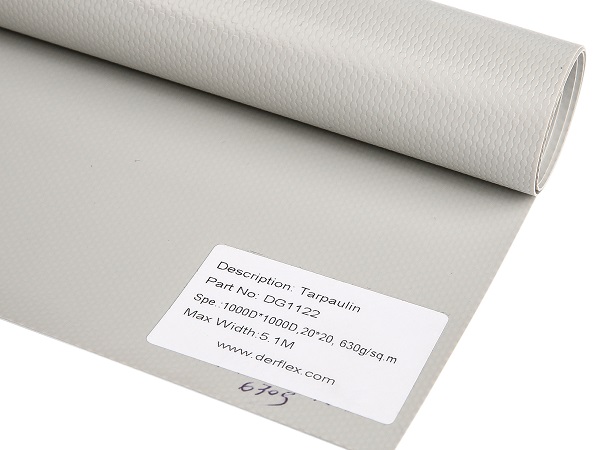
A typical industrial PVC tarpaulin combines flexible polyvinyl chloride with woven polyester, also called PET. Its reinforcement and coating are bonded into a composite.[1] Compare the PVC tarpaulin material range with your original grade. The original vinyl-coated polyester fabric specification helps identify what a recycler would actually receive.
A resin code is not a collection agreement. The US EPA confirms that a plastic resin identification code does not guarantee recyclability in a local program.[2] Do not place a PVC tarp in a general recycling bin without explicit acceptance.
End-of-life options
Use this sequence as a buyer screening tool. A damaged cover may have repair value; a contaminated cover may need specialist waste handling. Technical recyclability alone cannot settle either decision.
Assess fabric, seams and attachment points. Use compatible repairs only where the cover can still meet its required duty.
Retain the original functionConsider sound panels for smaller covers or other suitable products, with a known exposure history and a defined recipient.
Validate the new useSubmit composition and a representative sample. Obtain acceptance for the specific batch and confirm the recovered material destination.
Confirm the processorIf suitable reuse and recycling are unavailable, agree an authorized local treatment route. Record energy recovery and disposal separately.
Keep the final receiptRepair and reuse are separate from material recycling. Energy recovery is also a distinct outcome; open burning is not a suitable route.
Specialist routes include mechanical processing and separation processes such as PVC dissolution or swelling and delamination. The receiving facility must determine which construction and contaminants it can handle.[3]
Shredding a tarp is a preparation step. Ask what usable secondary material is produced and whether polyester remains in the recovered material or is separated.
Old technical brochures can outlive the service they describe. Serge Ferrari’s official history records the end of Texyloop activity in 2018.[4] Do not treat an old program name as a current booking option.
The EU RETAIN project runs from May 2025 to October 2028 and is developing and demonstrating circular routes for PVC tarpaulins.[1] Its research objectives are not a guarantee that a local facility accepts your shipment today.
Sort before you ship
Keep materially different streams separate. The matrix below is procurement guidance, not a processor’s acceptance specification.
| Waste stream | First route to investigate | What to confirm before release |
|---|---|---|
| Clean cutting offcuts | Specialist recycling for a known, segregated coated-textile grade. | Material code, topcoat, printing, allowed fibre content, accepted packing and minimum batch quantity. |
| Used truck tarps or side curtains | Condition assessment for repair or suitable panel reuse, followed by specialist recycling where accepted. | Cargo exposure, wear, adhesives, straps, fittings and the processor’s requirements for retired covers. |
| Tent and industrial cover panels | Repair or reuse if the remaining material meets the intended duty; otherwise seek an accepted recovery route. | Service history, coating condition, flame-retardant grade, reinforcements and whether the new use requires separate verification. |
| Mixed or unidentified tarps | Identification and segregation before a recovery quotation. | Separate PVC-coated PET from PE, TPU and other fabrics. Colour and appearance do not establish composition. |
| Oil- or chemical-exposed material | Assessment by a waste specialist for the actual exposure and local handling requirements. | Contaminant identity, containment, sampling needs and an appropriate authorized destination. Keep separate from clean batches. |
For a fleet replacement program, record each truck tarpaulin material and cover configuration when it enters service, rather than reconstructing that information at retirement.
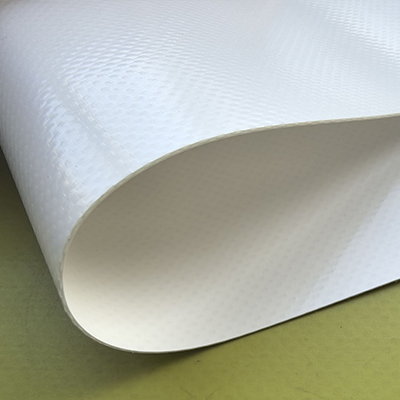
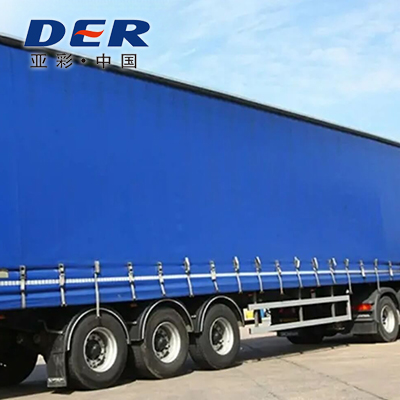
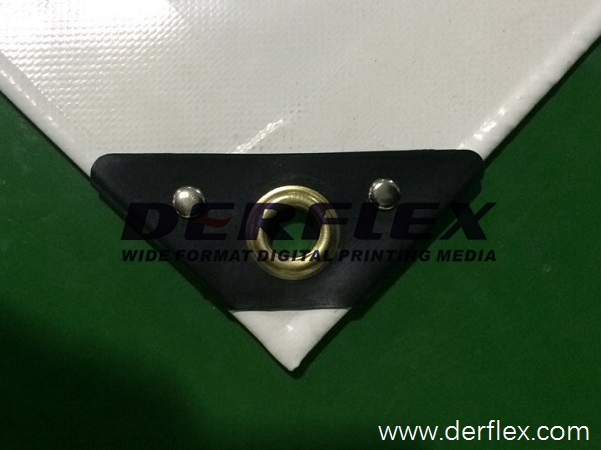
These are existing DERFLEX product and application photos. They illustrate materials and fittings, not a recovery partnership or recycling facility.
Recycler acceptance
Describe the waste as PVC-coated polyester tarpaulin, not simply “plastic” or “vinyl.” If composition is unknown, say so and arrange identification before dispatch.
In Europe, the Recovinyl recycler directory can help start a search.[5] A listing is not confirmation that a facility accepts coated tarpaulins. Elsewhere, ask a local commercial waste operator for processors of this exact material stream.
A tarp manufacturer’s supply capability does not establish a take-back service. Name the collecting party, treatment facility and approved material specification separately in your plan.
Send the coating and reinforcement description, topcoat, material grade, photographs and an agreed sample.
Ask about dirt, moisture, oil, paint, adhesive repairs, printing and mixed formulations. Obtain facility-specific limits.
Agree fitting removal, cleaning, cut size, packing, labelling and storage. Do not assume washing or shredding is necessary.
Confirm minimum collection quantity, pickup area, transport responsibility, gate fees and the cost of a rejected load.
Ask what outputs are recovered, their intended use and how non-recoverable residues are handled.
Request batch-linked weight records, treatment confirmation and the basis of any recycled-mass figure.
Warehouse and fabrication teams
Give clean offcuts a dedicated container. Label it with the material grade, batch and production date. Keep packaging film, sweepings and unrelated polymers out of it.
Ask whether the processor accepts the specific offcut grade before combining material from different orders.
Photograph the material as removed from service. Follow the approved method for cleaning and fitting removal; manage residues through the site’s appropriate waste procedure.
Record the cover location, use history, damage and previous repairs. A clean appearance does not prove an uncontaminated history.
Use dry, protected storage where suitable for the batch. Mark the package with its material code, contents, weight basis and receiving facility.
Get written acceptance before booking transport. Agree what happens if the receiving inspection rejects all or part of the load.
Evidence, not assumptions
A pickup receipt proves transfer. It does not prove that every kilogram became recycled material. Use the following fields for an internal batch record and agree the measurement basis with the processor.
| Record field | Keep this information | Why the buyer needs it |
|---|---|---|
| Batch identity and scope | Supplier grade, original order, use history and defined material-only or whole-product weight basis. | Prevents comparison of different materials or inconsistent denominators. |
| Shipment and acceptance | Dispatch weight, accepted weight, rejected weight and recipient confirmation. | Separates material transferred from material actually accepted for processing. |
| Verified outcome | Repair/reuse, material recycled, energy recovery, disposal and any unknown balance, reported separately. | Prevents collection, reuse and energy recovery from being counted as material recycling. |
| Processor evidence | Facility, treatment date, output description, batch allocation method and supporting document. | Shows how the reported recovered amount was established. |
Internal tracking metric: verified material recycled ÷ total retired material within the same reporting scope × 100. Use consistent mass units. This is not a carbon footprint or a certified environmental claim.
Include only processor-supported recycled mass. Keep unknown outcomes unverified and report them separately.
Plan the next bulk order
An industrial tarpaulin purchase should connect performance, repairability, identification and a realistic local destination. Specify the duty first, then test the recovery plan against that construction.
DERFLEX’s custom PVC tarp fabrication options include finished cover construction using welding, seaming and eyelet equipment. Use your inquiry to align the material, cover geometry and reinforcement with the actual installation.
Request the available composition information and repair-compatible material for the proposed grade. Confirm MOQ, sample arrangements, production lead time, packaging and quotation against your quantity and destination.
Use DERFLEX’s sustainable tarpaulin selection overview alongside the batch-specific recovery checks in this guide. A general sustainability description is not evidence that a particular used cover has a recycling outlet.
For any recycled-content offer, ask which component contains recovered material, the percentage and mass basis, and the supporting evidence. Then assess the finished tarp’s recovery route separately.
Suggested RFQ wording: “Please identify the coating polymer, reinforcement and surface finish for the proposed tarp grade; confirm available repair-compatible material and batch documentation; and state whether any end-of-life collection arrangement is offered for our destination. If offered, identify the receiving processor, accepted construction, preparation requirements and evidence of treatment.”
Avoid costly mismatches
A processor that handles rigid PVC may not accept flexible textile composites. Confirm acceptance for the complete coated fabric and its fittings.
Compare the actual construction and application duty. Polyethylene tarpaulin options also need an available outlet that accepts their condition and attachments. A material substitution is not a collection contract.
Get a written commercial quote. Add sorting, preparation, packing, storage, freight, treatment fees and possible rejection costs; deduct only an agreed material credit.
Compare cost per useful service period. Include purchase, maintenance, repairs and end-of-life handling. Avoid assuming that a heavier tarp, a recycled-content tarp or a different polymer automatically produces a better overall result.
Industrial buyer FAQs
Yes, some PVC tarps can be recycled by specialist processors that accept PVC-coated textiles. The polyester reinforcement, PVC formulation, surface treatments, contamination and local processing capacity determine whether a particular batch is accepted. Obtain written acceptance before arranging collection.
Do not put a vinyl tarp in a household or mixed commercial recycling bin unless the operator explicitly accepts it. A resin identification code does not confirm local recyclability. Describe the complete coated fabric, including its reinforcement and fittings, when asking for guidance.
Known, segregated production offcuts are easier to characterize than mixed used covers. They still contain the fabric reinforcement and any additives in the original material. A recycler must confirm that its process accepts that exact construction; cleanliness alone is insufficient.
Ask the receiving processor. Some facilities require metal fittings, ropes, adhesive patches or webbing to be removed; others specify different preparation. Follow the agreed instructions, keep removed parts in separate streams, and avoid unnecessary cutting before the load is approved.
No. Recycled content describes the material used to manufacture the tarp. Recyclability describes whether the finished product can enter an available recovery process after use. Request evidence for each claim separately, with the material component and reporting basis clearly identified.
Some sound panels can be repaired or made into smaller covers and other products after their condition and contamination history are assessed. Reuse is a separate route from material recycling. Do not assume a retired industrial tarp is suitable for food contact, potable water, structural service or protective equipment.
Energy recovery does not turn the tarp into a secondary material and should be reported separately from material recycling. Where recycling and suitable reuse are unavailable, use a locally authorized waste route appropriate to the batch. Open burning is not an end-of-life option.
This guide does not establish a DERFLEX collection or take-back program. DERFLEX supplies tarpaulin materials and custom cover options. Ask about composition, repair compatibility and documentation for the proposed specification, and confirm any separate recovery arrangement and its geographic coverage before purchase.
Your next tarpaulin order
Send DERFLEX your application and required cover specification. Ask for the material identity, fabrication options and repair compatibility that will help you build a workable service and end-of-life plan.
Discuss your bulk tarp requirementsInclude in your inquiry
Application and exposure
Roll material or finished-cover dimensions
GSM / thickness and reinforcement
Quantity, destination and timing
Required test evidence
Composition and recovery documentation needed
Used-tarp collection or take-back must be confirmed separately. This page does not establish a DERFLEX recycling service.