


 Technical Materials / Field Guide 07
Which tests matter for TPU-coated nylon in inflatable products?
A fabric can be strong, waterproof and still lose air through a weak weld or valve interface. For packrafts, inflatable cushions, air bladders and other welded products, qualify the coated fabric, welded joint and complete chamber as separate test stages. This guide explains which results to request, how to compare them and what to verify before purchasing TPU-coated nylon rolls for repeat OEM production.
Coated material sample
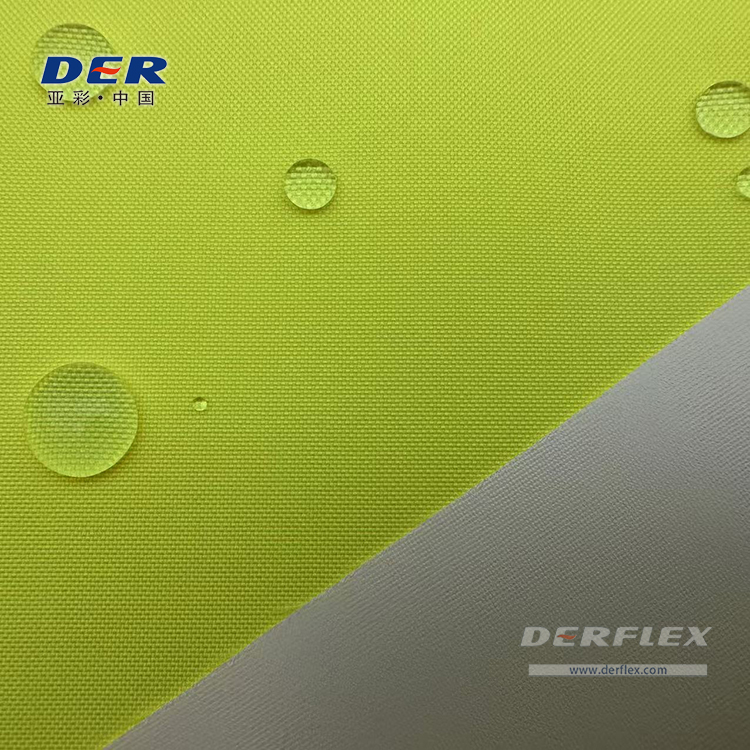
Test the failure path—not just the fabric weight.
The priority tests are tensile and tear strength, TPU-to-nylon coating adhesion, weld-peel and seam strength, finished-chamber air retention, and flex/ageing resistance under the intended temperature and moisture conditions. Add hydrostatic water resistance, abrasion, burst or chemical exposure tests when the specific product demands them. There is no single “inflatable-grade” result that proves every construction is safe.
Four places where an inflatable construction can fail.
A test report becomes useful when its measurement corresponds to a credible failure mode in your product. Map the load, climate and joining process before choosing thresholds.
Fabric rupture
High localized stress, puncture or tear propagation can overload the nylon reinforcement, especially near sharp folds and attachment points.
Coating separation
TPU peel or interlayer damage can expose textile, weaken a bonded valve patch and create a progressive leakage path.
Seam leakage
A weld that looks continuous may still contain a channel, overheated region or cold-bond area; strength and airtightness are not the same measure.
Fatigue or ageing
Repeated folding, damp storage, UV, saltwater and temperature changes can alter coating flexibility, adhesion and finished-chamber air loss.
Which fabric tests belong on the specification sheet?
Use the same method, specimen orientation, conditioning and units when comparing suppliers. The ISO methods below are recognized measurement routes, not proof that a particular DERFLEX grade has already passed them.
| Property | Relevant method or protocol | What it reveals | What the report should state |
|---|---|---|---|
| Tensile strength & elongation | ISO 1421:2016, selected strip or grab method | Reinforcement load capacity and deformation before rupture. | Warp/weft values, specimen width, method, units, conditioning and failure mode. |
| Tear resistance | ISO 4674-1:2016, specified constant-rate method | Resistance to a cut or nick developing into a larger tear. | Tear orientation, method variant, maximum/propagation force and sample preparation. |
| Coating adhesion | ISO 2411:2024 | Bond between TPU and the textile or failure within the coating system. | Direction, peel force per width, separation mode and whether layers could be initiated. |
| Hydrostatic resistance | ISO 1420:2016 where water exposure matters | Resistance to water penetration at defined hydrostatic pressure. | Applied pressure, duration, method and observed water penetration; not an air-leak rating. |
| Repeated flexing | ISO 7854:1995, defined flex method | Cracks, whitening, pinholes or interlayer damage from bending. | Method, cycles, temperature and inspection outcome; optionally retest adhesion and leakage. |
| Cold bending | ISO 4675:2017 | Coating damage during folding at specified low temperature. | Actual specimen thickness, exposure temperature, duration and pass/fail definition. |
| Accelerated ageing | ISO 1419:2019, selected exposure method | Changes after accelerated heat, humidity or other defined conditioning. | Exposure method/duration and retained tensile, adhesion, flex or air-barrier performance. |
| Local bursting resistance | ISO 3303-1:2020 steel-ball method, when relevant | Response to localized multiaxial loading of coated fabric. | Force and failure mode; this is not the allowable inflation pressure of a finished chamber. |
The selected method editions should be reconfirmed in the purchase specification. A result in N, N/width, N/mm, cycles or kPa is meaningful only with the matching test setup. Do not use generic nylon tensile methods to replace coated-fabric methods without agreement.
The layer you weld may matter more than the nominal GSM.
A typical TPU-coated nylon construction uses a woven nylon substrate for reinforcement and a TPU surface for sealing. Depending on the grade, the textile may be coated or laminated on one or both faces. The double-sided TPU-coated nylon route is worth reviewing when patches, baffles or seams need TPU contact on both sides.
Ask for substrate type, yarn size, weave, TPU chemistry, coating/lamination method, coating side, nominal weight, thickness, usable width, and the expected joining direction. For sustained damp use, compare appropriate polyether TPU constructions and verify humidity-ageing results rather than treating the chemical name as a service-life guarantee.
A specimen cut from a good roll does not validate the finished product. Weld compatibility changes with surface texture, coating build, machine pressure, energy, dwell, cooling and seam geometry. Material testing therefore leads into process qualification.
Coated nylon cross-section
Schematic only. Layer order is illustrative, not a DERFLEX production micrograph or approved specification.
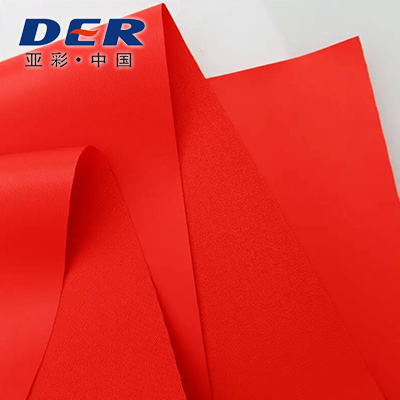
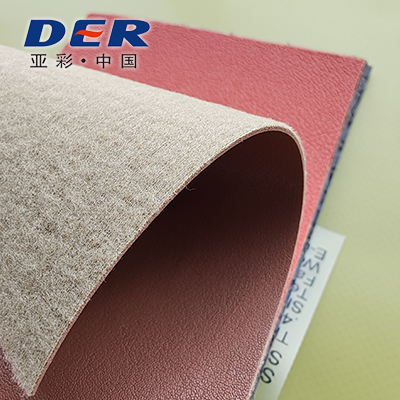
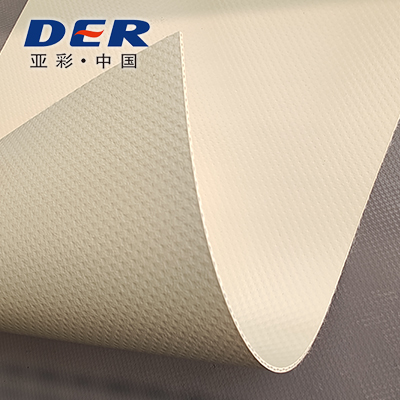
Can the seam survive peeling, pressure and folding?
A laboratory tensile number says little about a seam made on your production equipment. Qualify representative welds using the intended process and the same joint geometry as the product.
- 01 / PROCESS WINDOW
Make controlled coupons
Record TPU-to-TPU orientation, RF/HF or hot-air method, energy/temperature, pressure, dwell, cooling and material lot. Test several plausible settings, not one attractive sample.
- 02 / DESTRUCTIVE TEST
Measure peel and seam load
Define specimen width, grip arrangement, test speed, conditioning and force units. Record whether failure occurs in the weld, TPU coating, adhesive interface or nylon substrate.
- 03 / AFTER EXPOSURE
Retest the weak zones
Use folded, wetted or aged specimens as applicable; check valve patches, corners, overlaps and reinforcement tape. The accepted seam must remain both strong and airtight.
Critical distinction: coating adhesion (TPU-to-nylon) and weld-peel strength (joined TPU surfaces) measure different interfaces. Specify separate tests and failure criteria for both. For method development, consult your test laboratory and the converter's chosen fixture; do not label a custom peel result with an unrelated standard.
For a broad overview of roll supply and processing variables, see DERFLEX's TPU-coated nylon fabric guide and custom TPU coated fabric manufacturing page. These material pages complement, rather than replace, an actual joint qualification report.
Waterproof is not the same as airtight.
ISO 1420 addresses water penetration through coated fabric under defined hydrostatic conditions. It does not establish whether a welded inflatable bladder holds pressurized air. For that, assemble a representative chamber with the real valve, patches, seams and corner geometry, then use an agreed pressure-hold or quantified leak test.
Record inflation medium, starting test pressure, stabilization time, ambient and chamber temperature, test duration, dimensions, pressure instrumentation and leak-localization method. Control thermal changes: a falling pressure reading may reflect cooling, volume change or gas leakage. Pressure trends must be interpreted with these conditions, rather than against an arbitrary universal percentage.
A failed pressure-hold test is diagnostic. Localize leaks at heat-seal channels, valves, cut edges, punctures, fold lines or patches; then adjust construction and repeat. For a larger product, include distributed load and service cycling, not only an unrestrained flat test pouch.
Ask the fabricator for two separate records
Roll qualification
Coating appearance, adhesion, mechanical properties, flex and suitable barrier tests, identified by batch and test orientation.
Chamber acceptance
Real valve and seam layout, initial and final conditions, leak sites, proof / working pressure criteria and pass/fail evidence.
For air cells and buoyancy structures, DERFLEX also outlines fabrication considerations for airtight TPU bladder fabric. Safety-critical applications require the finished-product standard and any approvals applicable in the destination market.
Prioritize tests by the product's real use.
The matrix is a starting point for engineering discussion. End use, consequence of failure and regulatory scope determine the final plan.
| Product type | Tests to prioritize | Environmental or joint risks | Practical acceptance evidence |
|---|---|---|---|
| Packrafts, kayaks, inflatable boat tubes | Tear, abrasion, weld peel, pressure hold, humid/saltwater ageing, low-temperature flex. | Rock abrasion, wet seams, repeated packing, sun and sharp loads. | Actual tube prototype with valve, seam corners and service-cycle checks; assess relevant craft standard. See marine TPU material options. |
| Sleeping pads and comfort cushions | Air retention, coating adhesion, fold endurance, moisture ageing and valve bond. | Condensation, repeated compression, small pinholes and highly folded pack shapes. | Filled chamber cyclic testing and pressure retention after repeated compression / folding. |
| Industrial air bladders | Tensile, tear, seam strength, controlled pressure cycling, medium compatibility and ageing. | Contact surfaces, higher concentrated loads, process fluid or temperature exposure. | Design-specific proof and cyclic tests with inspection of joints and attachment interfaces. |
| Life jackets, rescue flotation cells | Air retention, seam/valve performance, flex after packing, ageing and required safety testing. | Failure could affect life safety; not a simple material purchase approval. | Finished-device testing and certification to the applicable regional/device standard; supplier fabric data alone is insufficient. |
| Flat inflatable boards or air decks | Spacer integrity, edge-band weld, cyclic pressure, dimensional stability, burst and fatigue as appropriate. | A drop-stitch structure differs from ordinary TPU-coated sheet. | Full-panel test under the proposed geometry and intended pressure. See TPU drop-stitch fabric. |
From approved swatch to repeatable roll orders.
A good approval file ties test results to the precise material construction and converter settings. Establish it before the production lot, then define what must remain stable.
| Stage | Buyer action | What to retain |
|---|---|---|
| 1. Target definition | State use, geometry, working/peak pressure, service temperature, water/UV exposure, fold cycle and consequence of failure. | Approved drawing, prototype plan and acceptance criteria. |
| 2. Material screening | Compare identified roll samples; confirm coating side, TPU family and warp/weft mechanical results. | Swatch ID, roll/batch, test method editions, units and lab dates. |
| 3. Welding trials | Find a repeatable welding window on production-representative tools and operators. | Process sheet, cooled peel/seam results and observed failure modes. |
| 4. Prototype validation | Build a chamber with real valve, joints and fittings; test leakage and relevant ageing / cycling. | Pressure/time/temperature record, photos and dispositions. |
| 5. Pilot and repeat orders | Approve limits, sampling frequency, incoming inspection and controlled-change protocol. | Master sample, approved construction, inspection report and traceability. |
What to send with a sample or RFQ
- End product, intended user and destination market
- Product drawings and critical seam / valve geometry
- Target material weight, thickness and nylon construction
- Single- or double-side TPU and polymer preference
- Working pressure, pressure cycle and hold-test criteria
- Temperature, wet exposure, UV, abrasion or chemical contact
- Welding equipment and current joining process
- Expected roll width, quantity, color and delivery requirements
For a custom OEM quotation, the most useful starting point is often a drawing, known material sample and intended test conditions. DERFLEX can discuss a suitable roll-material direction; finished assembly design, testing and any product approvals remain subject to the project's confirmed supply scope.
Frequently asked questions.
Does a waterproof rating prove that TPU-coated nylon is airtight?
No. A hydrostatic water-penetration test measures water resistance under defined conditions. A finished inflatable requires a separate air-retention test that includes real seams, valves, patches, temperature and an agreed hold period.
Which is more important: tensile strength or tear resistance?
Both matter for different failure modes. Tensile testing characterizes load and elongation of the coated fabric, while tear testing shows how an existing cut can propagate. Compare warp and weft results by the same method and select acceptance limits from the product's loads and geometry.
How should TPU weld strength be tested?
Make joints with the intended machine, coating orientation and seam geometry. Measure cooled weld peel and/or seam load with a documented specimen width, test speed, conditioning and failure mode; then verify that a full chamber stays airtight after relevant cycling.
Is double-sided TPU coating always needed for an inflatable?
No. A single-sided construction may work when all required joins place compatible TPU surfaces together. Double-sided TPU can offer more layout options for baffles, patches and seams, but the grade and all bond interfaces still need testing.
Do polyether TPU grades eliminate hydrolysis testing?
No. Polyether TPU can be considered for sustained humid service, but formulation, interfaces and exposure conditions differ. Use an agreed ageing protocol and check retained adhesion, flexibility and air retention after conditioning.
Can a fabric test report certify an inflatable boat or life jacket?
No. Fabric data supports material selection; it does not certify a complete safety product. Applicable product standards, the finished chamber design, valves, seams, operating pressure and approval requirements must be addressed separately.
Reference standards for a test request.
These primary-standard references identify possible measurement methods. They are not DERFLEX material certificates, universal pass limits or a substitute for the latest purchased standard and competent laboratory advice.
- ISO 1421:2016 — tensile strength and elongation at break, coated fabrics.
- ISO 4674-1:2016 — tear resistance, constant-rate methods.
- ISO 2411:2024 — coating adhesion.
- ISO 1420:2016 — resistance to water penetration.
- ISO 7854:1995 and ISO 4675:2017 — flex damage and low-temperature bending.
- ISO 1419:2019 and ISO 3303-1:2020 — accelerated ageing and steel-ball bursting.
Qualify the roll. Validate the weld. Trust the finished chamber.
Share your application, drawings, coating preference, welding route, expected volume and critical test criteria. Start a practical conversation about TPU-coated nylon material selection for your OEM inflatable product.