



OEM development / Distributor programs
Private Label Heavy Duty Tarp Distributor Program
Build a tarp range your customers can identify, your warehouse can receive and your purchasing team can reorder. DERFLEX supports private label heavy duty tarps with custom material, finished construction, branding and packaging discussions for distributors and importers.
Start with the end use and size mix. Then agree the sample, product claims, pack format and revision record before committing to repeat supply.
For regional distributors, industrial supply brands and importers developing a repeat-order range.
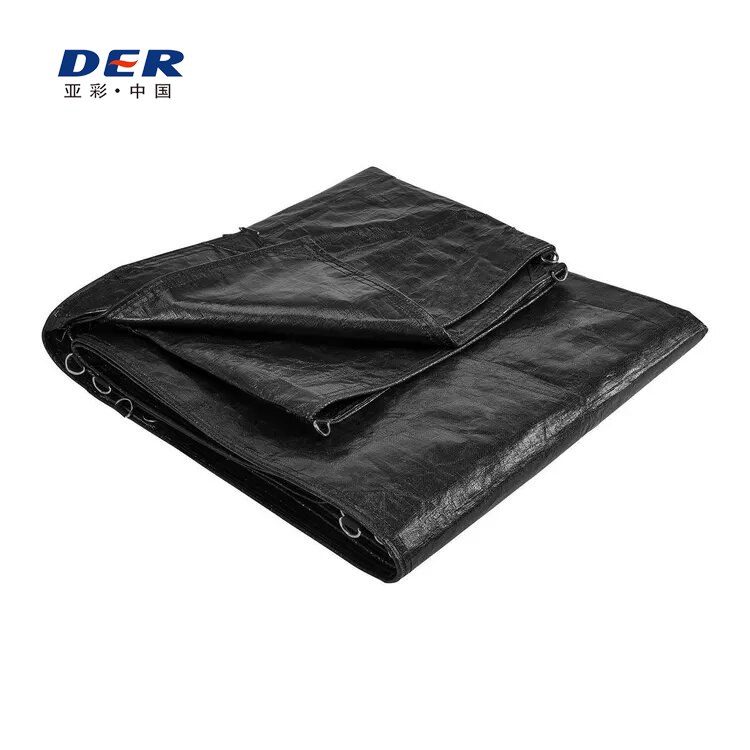
The procurement task
A product program, from specification to replenishment.
Private label tarp sourcing means defining a product sold under your brand, including its construction, identification and pack presentation. An approved logo alone cannot define the product behind the label.
Review DERFLEX’s broader OEM tarp supply options when deciding whether to source rolls for local conversion or finished covers for resale.
For a distributor, the useful starting point is one controlled item file linking the sellable SKU to the approved tarp, artwork and packaging revision.
- 01Define what is supplied
Separate coated-fabric rolls, converted panels and finished tarps in the range. List any accessories individually; tie-down equipment and installation are included only when quoted.
- 02Make grades distinguishable
Give each product a clear application and construction. Keep customer-facing claims aligned with the exact material and finished design.
- 03Agree how to reorder
Reference the approved specification and sample rather than relying on a color name, product photograph or earlier invoice alone.
01 / Build the range
Choose a size mix around the jobs your customers buy for.
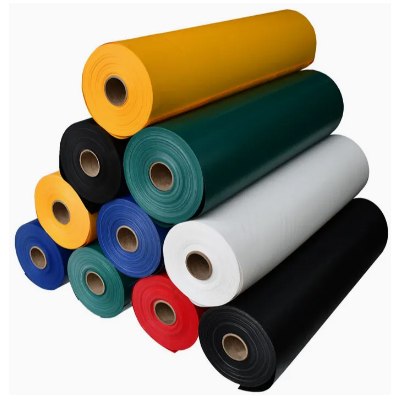
Start with an application group and the sizes already requested by your channel. Add variants where the customer’s handling or attachment needs change. A larger color assortment can also create more separate material and packaging requirements.
Planning matrix, not a stocked SKU list. On small screens, swipe the table horizontally.
| Sales channel | Product decisions | Details to settle before launch |
|---|---|---|
| Industrial & equipment supply | Finished dimensions, cover shape, abrasion zones and attachment layout. | How the customer measures the item; which sizes suit repeat stock; which require a drawing-based quote. |
| Transport & fleet supply | Handling weight, reinforcement, fixing positions and compatibility with the intended tarp arrangement. | Installation interface and sample fit. A tarp is not a substitute for a cargo-restraint system. |
| Construction & outdoor storage | Coverage, water shedding, edge detail, folding and site handling. | Conditions behind any weather or flame-performance claim; package instructions for the intended use. |
Compare the order format with DERFLEX’s wholesale tarp supply. Request MOQ by material, color, finished SKU and packaging design; a total program quantity does not automatically settle the minimum for every variant.
02 / Lock the product
Put the details behind “heavy duty” in writing.
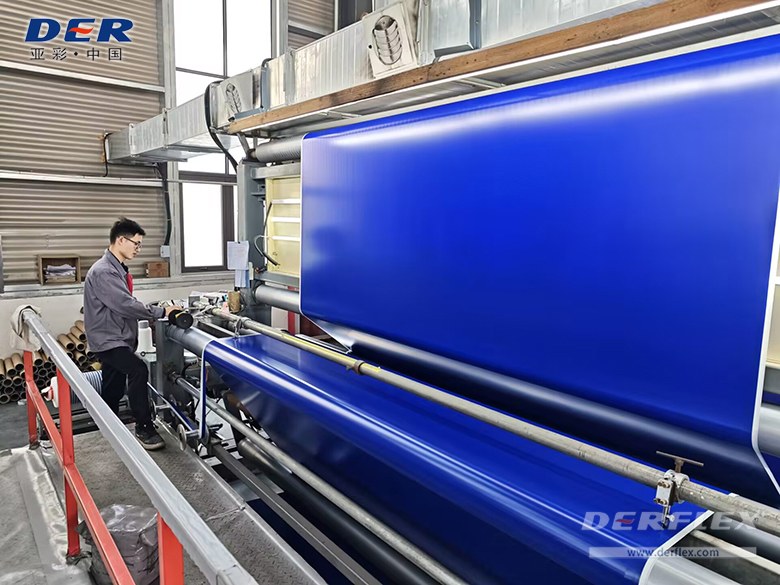
Use “heavy duty” as a product description supported by the actual construction and intended use. Material weight alone does not define seam performance, attachment strength or service life. Establish the material direction through PVC tarpaulin construction and supply options, then specify the finished item separately.
Approval fields to agree for each SKU. Swipe horizontally on small screens.
| Control field | Record in the approved specification | Check against the sample |
|---|---|---|
| Material | Construction, reinforcement, coating, nominal mass in g/m² and any separately specified thickness in mm or mil. | Material identity, appearance and agreed measurement tolerances. Do not convert GSM directly into thickness. |
| Finished dimensions | Width × length, units, measuring condition, tolerance and dimensioned drawing where needed. | Finished size after seams and hems; orientation of openings and attachment points. |
| Seams & perimeter | Seam positions, edge build-up, corner reinforcement and attachment layout. | Construction and workmanship against the agreed drawing and acceptance criteria. |
| Color & branding | Physical color reference, approved artwork file, print position, orientation and permitted variation. | Sample viewed under an agreed condition; print adhesion and resistance criteria relevant to handling. |
| Performance claims | Property, test method, specimen or finished assembly, acceptance limit and evidence required. | The test applies to the supplied construction and claimed condition; a material result is not an entire-system rating. |
| Identification & packing | Buyer item code, product label, pack quantity, carton mark and packaging revision. | The tarp, consumer label, outer carton and receiving list identify the same item. |
For eyelet-based products, review grommet layout and reinforced-edge selection alongside the material. Hardware spacing should follow the attachment arrangement, rather than being copied across every size.
03 / Approve the first order
Move through five clear approval gates.
Use this proposed workflow to define your program with DERFLEX. Agree deliverables, responsible parties and release conditions in the order documentation. Sampling, production scheduling and record availability depend on the selected scope.
Range brief
Submit customer applications, destination market, size mix, quantity by SKU, expected reorder pattern and reference photos.
Decision to recordSupply format, included components and the variants to develop first.
Specification & artwork
Align the drawing, material requirements, label wording and packaging layout before producing approval samples.
Decision to recordOne revision set for the product specification, bill of materials and artwork.
Sample review
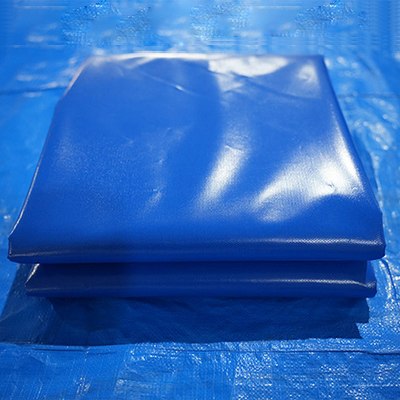
Check size, attachment detail, handling, color and print position. Review the actual packed format as well as the unfolded tarp.
Decision to recordSigned sample reference, dated photographs, agreed checks and a closed list of required corrections.
Order release
Agree inspection scope, sampling, defect criteria and the shipment documents required for this order.
Decision to recordConformity to the approved revision and the authorized disposition of any deviations.
Receiving & replenishment
Match received goods to SKU, quantity and batch identity. Feed fit, packing or field issues into a controlled change request.
Decision to recordWhether the next order repeats the same revision or requires a new sample and approval.
For drawing-led products, see DERFLEX’s custom tarp manufacturing scope before finalizing a standard distributor SKU.
04 / Make the pack work
The carton should lead back to the right tarp.
Plan packaging for the way your customer orders and your warehouse receives. Settle whether each tarp needs an individual presentation pack, a bulk pack or another agreed format.
- Label content: identify the item, finished size, material description and intended use. Add only claims supported for that product.
- Retail identification: provide your authorized barcode data and artwork. Confirm the printed code scans on the actual packaging; a readable code does not establish barcode ownership.
- Receiving: align pack quantities, carton sequence, purchase order and lot reference with your warehouse process.
- Pack-out: approve the folding method, label position and carton fit using a packed sample. Request measured carton dimensions and weights before freight planning.
HEAVY DUTY TARP
Illustrative information hierarchy, not an actual customer label or a finished packaging design. Legal markings and market-specific label requirements must be agreed separately.
05 / Keep the range consistent
Control changes between the sample and the reorder.
Before repeating an item
- Identify the approved specification, sample and artwork revisions on the purchase order.
- Check whether material, reinforcement, hardware, print or packing has changed.
- Define which changes require buyer approval and a replacement sample.
- Agree whether identification is at material-lot, finished-lot, carton or individual-item level.
If an issue is reported
- Collect item code, batch reference, receiving date and photographs.
- Separate transit damage, packing mismatch, fit problems and in-use material damage.
- Record the use conditions and affected quantity before drawing a cause conclusion.
- Agree containment and corrective action, then verify the change against the next release.
Set the quality-record scope with the tarpaulin factory audit and traceability guide. Confirm which records will be supplied, retained or available for review, including their retention period and access arrangements.
What should a tarp OEM case demonstrate?
A useful tarp OEM case links a dated, approved product and packaging revision to the lot delivered and the buyer’s receiving or field observations. Compare outcomes only over a stated period with a clear quantity or denominator. Request authorized, anonymized evidence when client confidentiality applies. The framework on this page is program planning guidance; it does not report a completed customer project or measured commercial results.
Before you order
Agree the application and commercial boundaries.
Use a sample or pilot order when the construction, handling or packaging is new to your sales channel. Keep the pilot’s acceptance criteria and review period specific to the intended use.
- AMeasure the sellable product
Confirm finished size after hemming, rather than cut size. Include allowances needed for drape, overlap and the actual fixing arrangement.
- BKeep claims tied to the configuration
Water-resistant material does not prove every seam is watertight. UV, cold-flex and flame-performance statements need conditions and evidence for the selected product.
- CExplain handling to the end user
Define drainage, tie-down, abrasion protection, cleaning and dry-storage instructions for the application. Do not imply a lifting rating or structural wind rating from fabric strength.
- DCompare the complete quotation
Material, usable width, size mix, fabrication, hardware, printing, pack-out and delivery terms can change the cost. Confirm MOQ, sample charges, lead time and shipment terms for the chosen range.
Brand ownership, artwork authorization, confidentiality, territorial exclusivity and warranty responsibilities need a separate commercial agreement. Private labeling alone does not grant exclusive distribution rights.
Distributor questions
Private label tarp program FAQ
Can DERFLEX supply finished tarps under our own brand?
DERFLEX’s published OEM scope includes finished custom tarps, logo and label discussions, carton marks and packaging. Send your range brief and artwork requirements so the exact supply, approval and packing scope can be quoted. Rolls for local conversion are a separate supply format.
Can one program include several sizes and colors?
Yes, a range can be discussed by size, color and construction. Provide quantities for each SKU. Ask how minimums apply to material runs, colors, print designs and packing variants, and whether mixed-SKU packing is available for the proposed order.
What should we approve before bulk production?
Approve the material and finished drawing, dimensional tolerances, attachments, color reference, artwork, label wording and packed sample. Agree performance checks and acceptance criteria separately. A digital artwork approval cannot confirm the tarp’s physical construction or packed handling.
How can we protect consistency on repeat orders?
Use a controlled item specification and retained sample reference, and identify their revisions on each purchase order. Agree a change-approval process for material, hardware, print and packaging. Confirm the traceability and inspection records available for the particular program.
Does private label supply include exclusivity or certification?
Neither follows automatically from applying your brand. Exclusivity requires agreed commercial terms. Product test reports and any certification claims must match the actual construction, standard and claimed scope. Provide your target market and required evidence before the quotation is finalized.
What information is needed for an initial quotation?
Send the application, destination, finished size list, quantity per SKU, material preference or reference sample, fixing details, brand artwork and packaging requirements. Include your planned order date and reorder expectations. Photos and a simple size list are sufficient to begin the discussion.
Build your distributor range
Send the size mix.
Define the next order.
Share your current product list, reference sample or customer application. Include what needs to change and what must stay consistent across replenishment orders.
- Destination market and customer application
- Finished size list and quantity per SKU
- Material, color and attachment requirements
- Logo, labels and retail or bulk packing
- Required checks, records and product claims
- Target order date and expected reorder pattern