News
Company News

Flatbed Tarp Case Study: Upgrade Review | DERFLEX

Update:2026/10/21 18:42:28 Views:
Skip to content

Fleet procurement / Before & after review

Flatbed Fleet Tarp Upgrade Before and After

Repeated truck tarp failure deserves a closer look at the cover, cargo contact points and daily handling. A useful flatbed tarp case study connects the original damage to a specific replacement design, then compares handling time, repairs and purchasing costs over a defined observation period. DERFLEX supports custom cover and material discussions for fleet replacement programs. Start with your current tarp’s failure photos and the quantity you need.

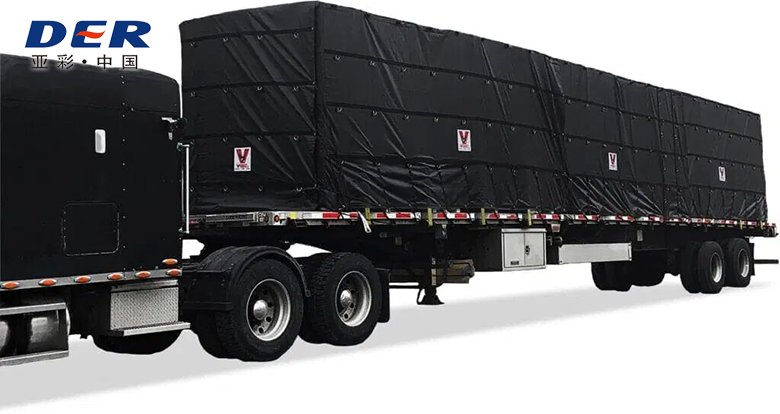
Black tarp sections covering tall rectangular freight on a flatbed truck
Application referenceExisting DERFLEX website image showing flatbed coverage. It is not a before-and-after record from an identified fleet.
01Understand the original failure

Diagnosis comes first

A replacement should address the point that failed.

A split beside a cargo corner, a torn attachment patch and a leaking seam are different problems. Photograph the damage in place, then examine the cover off the vehicle. Record its position relative to the load, the direction of pull, nearby contact surfaces and any earlier repair. A photo can suggest a cause; the surrounding operating record is needed to support the diagnosis.

For a broader diagnostic reference, see common reasons truck tarps fail. This review focuses on turning the diagnosis into a traceable fleet replacement decision.

Connect the observed symptom to a change that can be checked
Observed symptomWhat to inspectRevision to evaluateEvidence after installation
Repeated hole at a load cornerCargo edge, contact movement, patch alignment and damage on the inside face.Suitable edge protection, a located wear patch and fit that limits rubbing.Same-zone photographs, protector condition and any renewed wear.
Tear beside a D-ring or eyeletPull direction, local patch, supporting webbing and reachable attachment positions.Review the load path through the patch, webbing and hem; adjust the layout to the vehicle.Patch movement, fabric distortion and attachment condition under the approved setup.
Seam opens or admits waterSeam location, joint construction, repeated folds and whether water enters elsewhere.Review the joining process and seam position using representative material and a trial cover.Joint inspection and agreed water checks, including after repairs or repeated handling.
Loose areas flap or abradeLoaded geometry, excess drop, overlaps, tensioning pattern and route conditions.Revise the coverage pattern and attachment access while preserving required weather coverage.Fit photographs, re-adjustment events and damage location after comparable trips.

On smaller screens, scroll horizontally to read all four columns.

Heavier fabric alone is not a complete corrective action. Compare the full construction and finished handling weight. A local wear problem may call for a targeted change, while widespread cracking may require a different material review.

02 / Make the revision traceable

Before: record the baseline.
After: validate the revised cover.

Keep the original and revised drawing together. Each proposed change should have a reason, a defined location and a field check. The comparison below describes a review process, not results from a completed fleet upgrade.

Before / Baseline to document

What was actually in service?

  • Finished panel size, side drop, flaps, overlap and number of covers per vehicle.
  • Material identification, measured finished weight and existing seam layout.
  • Attachment rows, hem construction, patches and field repairs.
  • Failure locations, repair dates and the operating conditions when damage appeared.
After / Revision to validate

What changed, and why?

  • A drawing revision linking each change to a recorded failure zone.
  • Located reinforcement, reviewed seam position and accessible attachment points.
  • Approved fit over the same cargo envelope and measured finished weight.
  • A trial record tracking handling, inspections, repairs and replacement decisions.
Schematic of cover zones to review before a fleet tarp revisionA flat cover pattern with a contact zone, seam, attachment row and hem. The diagram is not a manufacturing drawing.Contact zoneSeam positionAttachment rowHem detail
Schematic only. Scroll horizontally on small screens. Patch dimensions, seam allowance, hardware spacing and fabrication details require a project drawing and sample review.

Control the cargo envelope

Record loaded length, width and height, required side coverage, end closure and overlap between cover sections. “Same trailer” does not establish the same coverage task. For product configurations, explore custom flatbed tarp options.

Check the handling tradeoff

Added reinforcement can change folding bulk and finished mass. A split-panel layout can change both lifting effort and connection time. Measure the complete operation before deciding whether a revised design is easier to use.

Use the flatbed tarp selection guide when the fleet carries several load profiles.

Product & application references

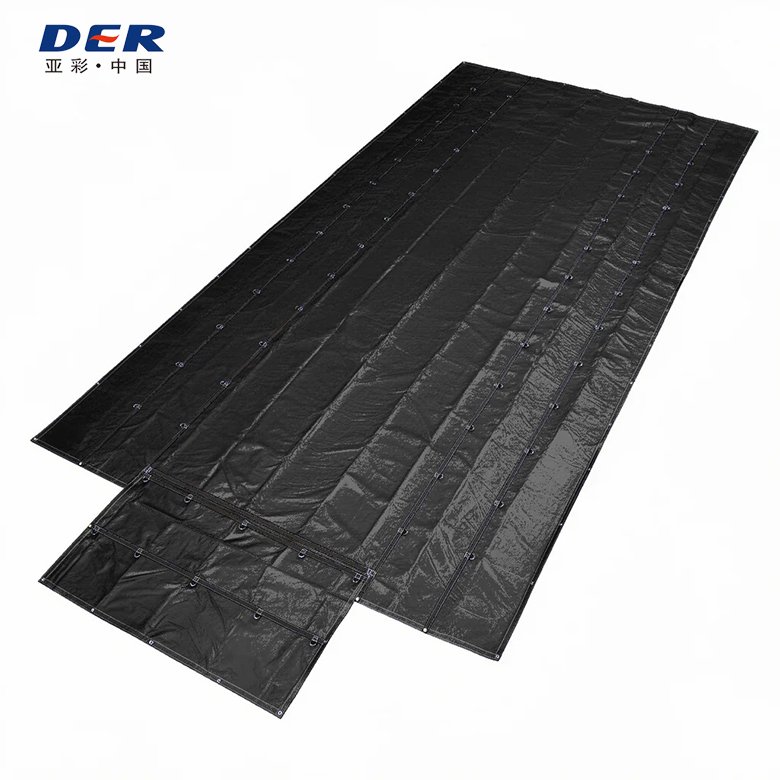
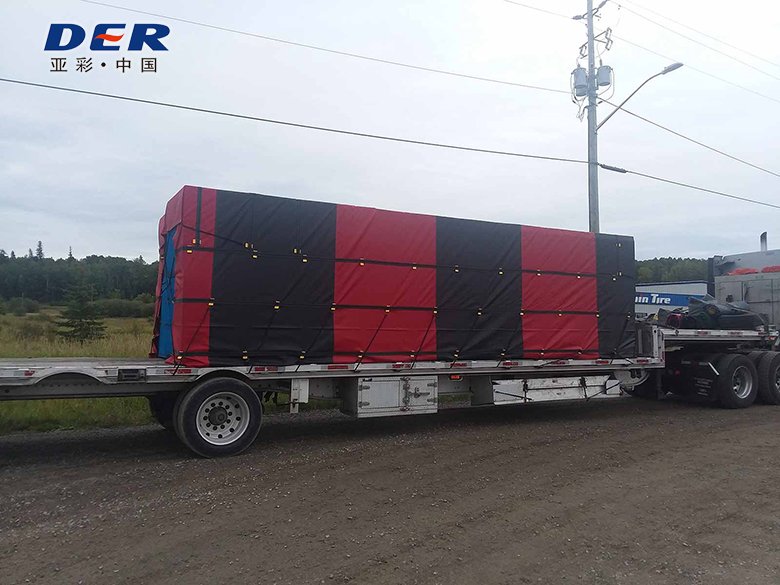
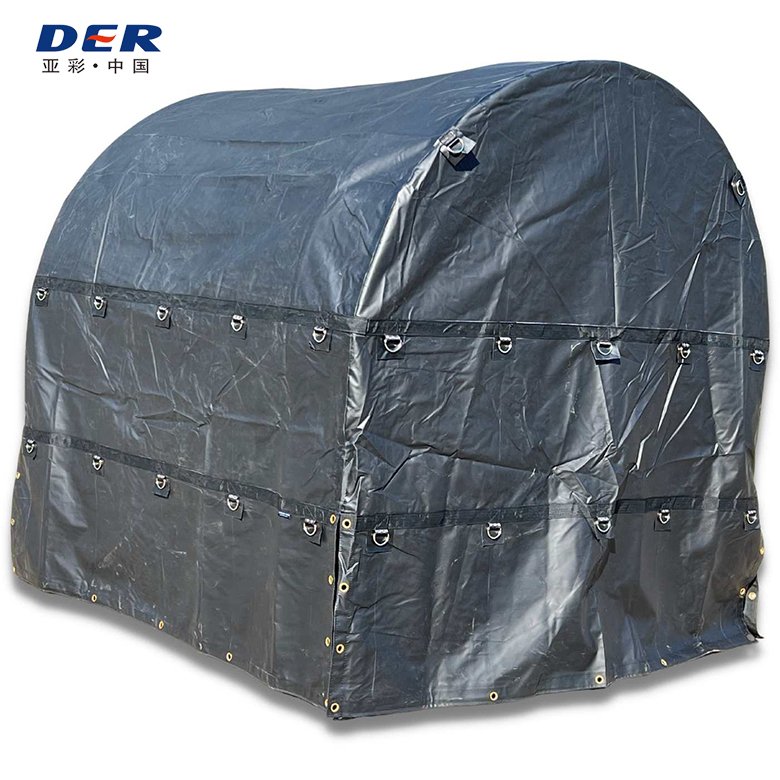
These distinct images are from the DERFLEX website. They illustrate cover geometry and attachment layouts; they do not establish the original failure or the outcome of this proposed case study.

03 / Define the fleet and observation period

Build a record that another buyer can assess.

An anonymous fleet study can still be specific. Keep a private cross-reference to vehicle and tarp IDs, while publishing only the approved operational facts and photographs.

STEP 01

Establish the baseline

Record vehicle type and count, cargo profile, covers per vehicle, dimensions, exposure history and the original failure photographs.

STEP 02

Release the revision

Identify the approved cover drawing, material specification and sample. Record the installation date and which vehicles received it.

STEP 03

Observe comparable work

Log dated inspections, covered trips, handling times and repairs. Note changes in load, route, weather, crew or working method.

STEP 04

Close the observation

State the start and end dates, losses to follow-up, replacement reasons and which covers remain in service at the closing date.

Observation is not a lifetime claim. A cover still in service at close-out has not reached its final service life. Report the observed period and exposure; do not extrapolate it into guaranteed years of use.

↳Keep the source records

What belongs in the case file?

Minimum context for a credible before-and-after comparison
RecordFields that make it useful
Fleet & coverageVehicle count, participating vehicle IDs, cover count, panels per set, finished panel area in m², overlap and cargo envelope. Distinguish fabric area from net protected area.
Construction changeOriginal and revised drawing IDs; material code; finished weight in kg; seam, patch, hem and hardware changes; approved sample reference.
Exposure & inspectionInstallation date, observation dates, covered trips or handling cycles, route and cargo context, inspection date, damage location and photo reference.
Repair & replacementRepair date, reason, parts and labor; removal date, reason and replacement cover ID. Separate planned retirement, accidental damage, loss and unresolved failure.
Permission & traceabilityPermission for publication or agreed anonymization, source document owner, redacted photos and a retained private link to the underlying records.

On smaller screens, scroll horizontally if needed.

A repair entry and a full replacement entry are different events. Count each against the appropriate cover ID. If a vehicle changes cargo or leaves the trial, retain that information instead of silently excluding an unfavorable result.

04 / Evaluate operating efficiency and purchasing cost

Compare the same job, using the same cost basis.

A lower unit price is only one part of the decision. Compare equivalent coverage, complete tarp sets and the observed operating work. Keep purchase cost, repair expense, handling labor and downtime separate before combining them.

Metrics to extract from actual fleet records
MeasureComparison basisWhat to disclose
Covering & uncovering timeMinutes per completed operation, with covering and uncovering reported separately.Timed operation count, crew size, load type, equipment, start/stop definition and range as well as median.
Handling laborPerson-minutes per operation: elapsed minutes × crew size when the whole crew works throughout.Use individual task times if participation varies. Faster elapsed time with more people may not reduce labor.
Repair burdenRepair events, repair labor hours and material cost for the same exposure unit.Cover population, trips or cycles, repeated repairs, event definitions and damage causes.
Replacement recordNumber and reason for covers removed during the observation window.Installation dates, exposure, partial participation and covers still in service. Different age profiles affect comparison.
Landed purchase costCost per equivalent finished cover set, with the same currency and delivery basis.Quantity, coverage, fabrication, hardware, packing, freight and applicable import costs; separate one-off development charges.
Observed operating costAllocated cover cost plus recorded operating expenses per completed covered trip.Allocation method, period, denominator and which labor or downtime items are included.

On smaller screens, scroll horizontally to read the cost definitions.

A consistent observed-period calculation

Observed cost per covered trip =
(allocated cover cost + repair parts + repair labor + handling labor + attributable downtime cost) ÷ completed covered trips

Use the same cover-cost allocation rule for both groups and disclose it. An existing cover is not automatically a zero-cost baseline. Do not charge the full new purchase to one group while omitting the comparable cover cost from the other. Exclude costs already counted elsewhere.

Separate price from value

Show the quoted purchase price independently from any observed operating result. If a reinforced cover costs more to buy, let the recorded workload, repair history and exposure explain whether that premium is justified.

State the limits of the comparison

Load mix, weather, driver experience and trial duration can affect the outcome. If groups or periods are not comparable, report the raw observations and the differences. No percentage reduction is claimed without the underlying counts, costs and calculation.

For a specification-led replacement discussion, review custom truck tarp manufacturing options.

05 / Before you order

Confirm the fit and the trial before fleet rollout.

  1. Measure the load and the finished cover.Include required drop, flap and overlap. Record panel area separately from effective covered area, particularly for multi-piece sets.
  2. Send the damage in context.Include a full vehicle view, close-up with scale, inside-face view and the rubbing surface or attachment beside the failure. Remove customer names and identifiable details where required.
  3. Review the complete construction.Confirm material, seam arrangement, reinforcement locations, hardware positions and finished mass against the approved drawing and sample.
  4. Keep cargo securement separate.A weather cover does not replace the vehicle’s required cargo securement. Review edge protection, safe access and handling with the fleet’s operating procedures.
  5. Agree the trial and inspection rules.Define vehicles, cargo, exposure measure, inspection points and repair/removal criteria before use. Retain unfavorable outcomes and explain changes during the observation.
  6. Define the supply scope.State whether the order is for roll material, fabricated panels or finished covers. Vehicle modifications, powered mechanisms, installation and separate accessories require explicit agreement.

If your local workshop fabricates the covers, start with PVC tarpaulin material for truck covers and agree the fabrication specification separately.

06Fleet buyer questions

Related questions

Before-and-after tarp upgrade FAQ

What should a flatbed tarp case study include?

It should link original failure photos and operating conditions to the revised cover specification, identify the fleet or anonymized project scope, state the observation dates and exposure, and provide handling, repair, replacement and cost records. Customer permission or a documented anonymization arrangement should support publication.

Will a heavier tarp solve repeated truck tarp failure?

Not by itself. A cut at a cargo edge, concentrated pull at an attachment and a failing seam need different investigations. Review contact protection, cover fit, reinforcement, fabrication and finished handling weight before choosing a higher fabric mass.

Can a project remain anonymous and still be useful?

Yes, when permission and confidentiality requirements allow it. Remove names, plates, branding and commercially sensitive details while retaining approved facts such as vehicle type, cover population, geometry, observation dates and the method used to compare results. Keep the underlying traceability privately.

How should handling efficiency be measured?

Time covering and uncovering separately using the same start and stop points. Record crew size, equipment, cargo profile and the number of observations. Compare both elapsed minutes and person-minutes; the two measures answer different questions.

Do fewer replacements during a trial prove longer service life?

No. It describes the observed replacement record for the stated exposure. Covers still in service, differences in starting age and changes in work conditions must be disclosed. A short observation period cannot establish the cover’s ultimate lifetime.

What should we send DERFLEX for an upgrade quotation?

Start with failure photographs and the number of covers required. Add the trailer and cargo dimensions, current cover size or drawing, attachment layout, route conditions, replacement history and delivery destination if available. State whether you need finished covers, panels or roll material.

From failed cover to a clear replacement brief

Send your failure photos and required quantity.

Show where the current tarp wears first. DERFLEX can discuss a replacement cover specification, fabrication details or material supply around your fleet’s actual coverage task.

Use the inquiry page to begin, or attach photos in your email. Identify any publication or confidentiality restrictions.

DERFLEX · Anhui DER New Material Technology Co., Ltd.

Custom covers, panels & coated fabric supply · Discuss your project

Consulting Services
+86-021-54361792 / 54361798
Email
sales@derflex.com