News
Company News

CIPP Coated Fabric for Pipe Liner Manufacturing | DERFLEX

Update:2026/8/25 17:19:16 Views:
Technical roll goods for trenchless liner fabrication

CIPP Coated Fabric for Pipe Liner Manufacturing

DERFLEX develops CIPP coated fabric and CIPP coated textile directions for liner manufacturers, converters, wet-out workshops and trenchless system partners that need a functional coating layer, stable roll handling and a substrate that can be evaluated with their resin, tube-forming and curing workflow.

  • Coated textile for pipe liner fabrication
  • TPU / PU, TPO and project-defined barrier directions
  • Felt, knit or reinforced textile development discussion
  • Roll width, surface, coating side and packing customization
  • Welding / seam-processing evaluation by actual sample
  • Batch consistency and converter-focused QC checkpoints
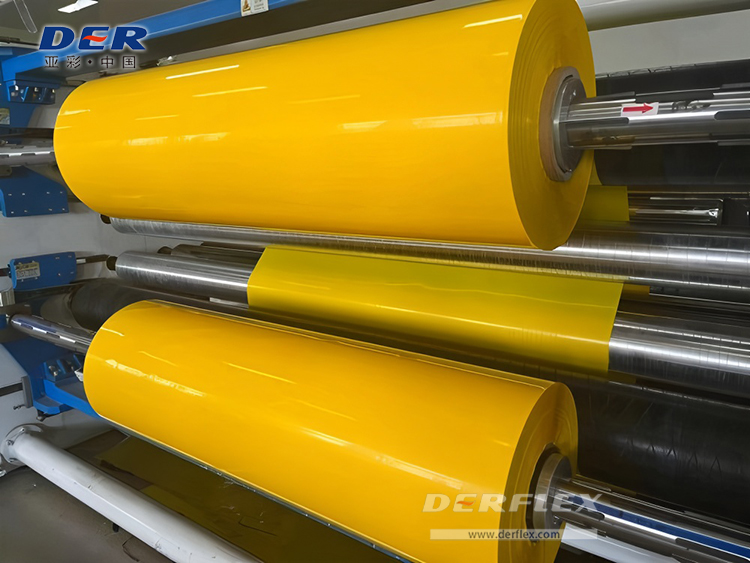
DERFLEX CIPP-related technical roll material production
DERFLEX trenchless roll-material production reference. Exact CIPP coated textile construction, substrate and coating should be confirmed against the buyer's liner design and validation plan.
Roll GoodsConverter supply
Custom BuildLayer & surface
Sample FirstSystem validation
Quick answer What is it?

CIPP coated fabric is a technical textile used as a functional layer in cured-in-place pipe liner manufacturing. The textile provides thickness, reinforcement, conformability or resin-carrying structure, while the polymer-coated face can provide resin containment, a lower-permeability barrier, a sealable surface, installation-facing protection or controlled handling behavior. The correct construction depends on liner architecture, resin chemistry, tube-forming method and curing process—not on fabric weight alone.

Buyer positioning

Built for Companies That Fabricate, Convert or Qualify CIPP Liners

This is an upstream material page rather than an installation-service page. It focuses on the people who must turn coated textile rolls into a repeatable liner system.

CIPP Liner Manufacturers

For factories producing lateral or mainline liners and evaluating coated felt, coated knit or other technical textile structures.

  • Roll-to-roll consistency
  • Tube-forming and seam behavior
  • Resin-side material compatibility
  • Private-label / repeated supply programs

Converters & Wet-Out Workshops

For operations cutting, joining, impregnating, folding, packing or preparing liners before field installation.

  • Coating surface and pinhole control
  • Unwinding and edge quality
  • Sealing / welding trials
  • Roll length and workflow matching

Trenchless System Partners

For contractors, distributors and system integrators developing regional material packages or in-house liner capabilities.

  • Sample validation before scale-up
  • Custom labels and export packing
  • Application-specific material discussion
  • Repeat specification control
Material architecture

The Coating Has a Job. The Textile Has a Different Job.

A useful CIPP coated textile is designed as a system. The substrate must perform during resin impregnation, inversion or pull-in handling, while the coated side must support the barrier, processing or installation function assigned by the liner designer.

Final cured-pipe performance is determined by the complete liner system, including reinforcement, resin, wall thickness, curing method, host-pipe condition and field installation. DERFLEX supplies material directions for customer-side testing and qualification.
Host-pipe / installation-facing surface
Functional polymer coating or barrier face
Felt, knit or reinforced textile substrate
Resin-contact / impregnation side defined by liner design
What buyers should test

Eight Performance Questions Before a Roll Is Approved

Coated fabric for pipe liner manufacturing should be evaluated through the real converting and installation workflow, not only by a generic datasheet.

01 · Resin Containment

Does the coating help control resin migration or leakage in the intended liner construction?

02 · Resin-Side Wet-Out

Does the uncoated or designated side accept and retain the selected resin in the customer's process?

03 · Pinhole Control

Are coating continuity and small defect levels appropriate for vacuum, wet-out and installation handling?

04 · Coating Adhesion

Does the coating stay bonded through folding, forming, welding and resin-processing conditions?

05 · Seam Processing

Can the selected surface be sewn, taped, hot-air welded, hot-wedge welded or otherwise joined as required?

06 · Dimensional Behavior

Does the textile stretch, conform and recover in a controlled way for the target liner geometry?

07 · Roll Consistency

Are width, weight, coating level, edge condition and winding stable enough for repeat fabrication?

08 · Cure-Process Fit

Has the material been validated with the resin and ambient, heat, steam or UV process used by the buyer?

Product & manufacturing view

CIPP Material Development Starts with the Converting Process

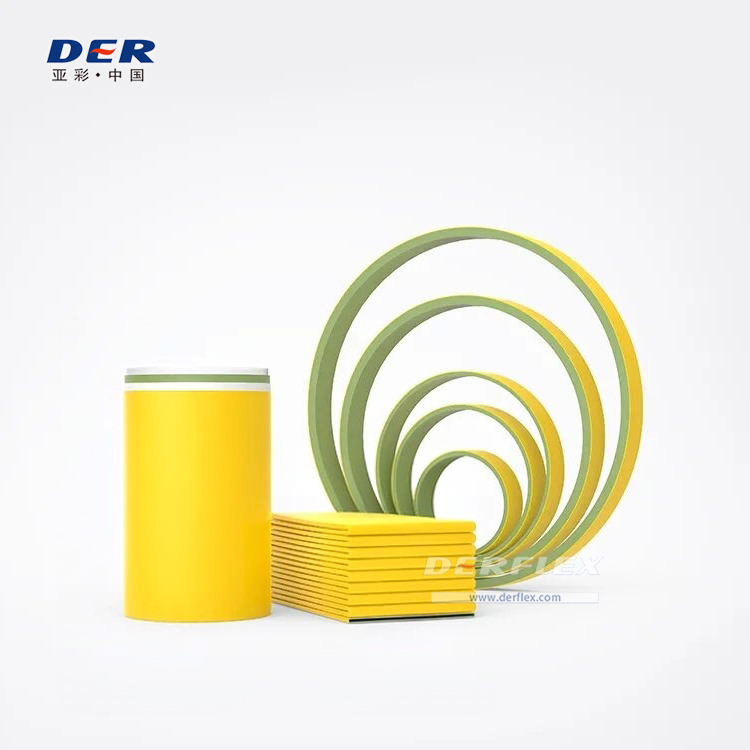
DERFLEX CIPP liner related roll material and pipe liner components

DERFLEX Coated Textile Development Direction

DERFLEX manufactures and supplies technical coated fabrics, TPU materials, TPO coated fabrics, films and engineered flexible roll goods. For CIPP programs, the useful starting point is the buyer's liner process: substrate type, coated face, resin system, seam method, roll width, cure method and acceptance criteria.

Instead of presenting one universal CIPP fabric specification, DERFLEX can discuss a sample structure that the liner producer tests on its own wet-out, forming, welding and curing equipment before a production specification is locked.

  • Polymer / textile construction discussion
  • Custom width, coating side and surface finish
  • Sample and pilot-roll evaluation before repeat orders
  • Roll labels, batch identification and export packing options
Specification guide

CIPP Coated Fabric Specification Framework

The table below is intended for RFQ and sample-development discussions. Exact values should be confirmed after testing with the buyer's liner construction and process.

Product Direction CIPP coated fabric / CIPP coated textile / coated fabric for pipe liner manufacturing and trenchless rehabilitation material programs.
Substrate Direction Polyester felt, knitted polyester, woven polyester / nylon or project-specific technical textile; final choice depends on liner structure and required conformability.
Coating Direction TPU / PU, TPO, PE or another project-defined thermoplastic barrier direction can be discussed according to processing and resin-side requirements.
Coating Layout Single functional coated face or customized construction. The resin-contact side and installation-facing side should be identified in the RFQ.
Surface Smooth, matte, low-blocking, weld-oriented, printable marking or project-defined finish.
Roll Width Custom roll width subject to substrate, coating route and production feasibility. Width should be selected around tube pattern, liner diameter and material yield.
Roll Length / Core Customized around converter handling, line capacity, storage and packing requirements.
Joining Direction Sewing, tape sealing, hot-air / hot-wedge welding, HF / RF evaluation or extrusion-compatible seam concepts depending on polymer and liner design.
Resin Compatibility Polyester, vinyl ester, epoxy or other thermosetting systems should be verified by the liner producer through actual soak, wet-out, adhesion, cure and storage trials.
Curing Direction Ambient, hot-water, steam or UV processes may impose different temperature, barrier and handling requirements; suitability must be validated as part of the full liner system.
QC Discussion Width, weight / thickness, coating uniformity, pinholes, surface defects, adhesion, tensile / tear direction, edge quality, roll winding, batch labels and packing condition.
Customization Substrate, coating chemistry direction, coating side, color / opacity, surface, width, roll length, core, label, packaging and selected acceptance checks.
Coating selection

Choose the Coating Around Function, Not Around a Material Name

Different CIPP production systems use different coatings because seam method, resin chemistry, temperature, flexibility and barrier needs are not identical.

TPU / PU Coated Textile

Useful direction: flexible, sealable liner constructions where coating toughness, bending behavior and welded seam development are important. Actual TPU chemistry and coating build should be matched to temperature, moisture and resin exposure.

TPO / Polyolefin Direction

Useful direction: thermoplastic barrier and welding-oriented constructions when the liner producer has a compatible joining and resin-processing route. Surface treatment and adhesion should be tested on the actual substrate.

Custom Barrier Composite

Useful direction: projects where one layer must balance resin containment, anti-blocking, handling, seam reinforcement or protection functions. A laminated or multi-layer approach may be more appropriate than a heavy single coating.

Converter workflow

From Coated Roll to Qualified Liner: Five Checkpoints

A procurement decision becomes more reliable when material approval follows the same sequence as the buyer's production process.

1

Define the Tube

Liner type, diameter range, wall build, inversion / pull-in method and substrate architecture.

2

Define the Resin

Resin chemistry, wet-out method, storage window, cure temperature and process exposure.

3

Build the Seam

Sewing, tape, welding or extrusion route, overlap geometry and equipment process window.

4

Run a Pilot

Check pinholes, adhesion, wet-out, resin containment, roll handling, forming and curing behavior.

5

Lock the Spec

Confirm roll format, tolerances, QC items, labeling, packaging and repeat-order sample standard.

Application programs

Where CIPP Coated Textile Can Enter the Liner Supply Chain

Material construction should be selected by the liner producer for the specific pipe, resin, curing and field-installation system.

Lateral Liner Fabrication

Flexible coated textile direction for smaller-diameter or bend-sensitive liner programs where conformability and seam behavior are critical.

Mainline Liner Manufacturing

Roll-material development for larger fabrication programs requiring controlled width, coating quality and repeatable conversion.

Gravity Sewer Rehabilitation

Material direction for liner systems used in sanitary sewer renewal and municipal rehabilitation after project-side qualification.

Stormwater & Drainage

Coated or barrier textile development for pipe relining systems used in stormwater and drainage network rehabilitation.

Industrial Drain Lines

Projects requiring review of chemical exposure, resin chemistry, service temperature and process-specific material compatibility.

Private-Label Liner Programs

OEM roll goods, custom labels, packaging and repeat specification control for liner producers or material distributors.

Procurement guide

What a Useful CIPP Coated Fabric RFQ Should Include

“CIPP coated fabric, please quote” is usually not enough to choose the right construction. A stronger RFQ reduces sample iterations and makes supplier comparisons more meaningful.

Liner Architecture

Felt / knit / reinforced textile, target pipe diameter, liner wall concept and whether the coated textile is a primary liner layer or an auxiliary layer.

Coating Function

Barrier, resin containment, seam sealing, installation face, anti-blocking, protection or another defined role.

Resin & Cure

Resin family, wet-out process, ambient / hot-water / steam / UV cure direction and any temperature or storage constraints.

Joining Method

Stitching, seam tape, hot-air, hot-wedge, HF / RF, extrusion or other equipment already used in the workshop.

Roll Format

Target width, roll length, core, winding direction, edge requirement, pallet size and warehouse handling limits.

Acceptance Tests

Specify the customer's required checks for adhesion, pinholes, weight, tensile / tear, wet-out, seam strength or process behavior.

Manufacturing support

Why Discuss CIPP Coated Fabric with DERFLEX?

DERFLEX's value for this niche is the ability to approach CIPP as an engineered roll-material program—connecting polymer coating, textile construction, surface behavior, conversion and export supply rather than treating the requirement as a generic waterproof fabric.

A

Coated & Laminated Material Platform

Existing experience in TPU, TPO, PVC and technical coated textile programs provides a practical base for discussing custom CIPP layer concepts.

B

Sample-Driven Development

Material direction can be narrowed through actual buyer-side trials for wet-out, seam processing, curing compatibility and handling before scale-up.

C

Repeat Roll Supply Logic

Width, roll format, surface condition, batch labels and packaging can be discussed as part of the production specification, not as an afterthought.

D

OEM & Private-Label Programs

For established liner manufacturers and distributors, labels, roll identification, packing and repeat specification control can be included in the program.

E

Trenchless Material, Portfolio

DERFLEX already supports UV-CIPP film, UV-blocking membrane and composite roll-material directions, allowing adjacent liner layers to be discussed together.

F

International B2B Coordination

Quotation, samples, technical parameter confirmation, packaging and shipping can be organized for overseas liner factories and converting partners.

FAQ

Questions Buyers Ask About CIPP Coated Fabric

What is the difference between CIPP coated fabric and a finished CIPP liner?

CIPP coated fabric is an upstream textile roll material or liner component. A finished CIPP liner is a complete tubular system engineered around substrate layers, resin quantity, wall thickness, seam construction, curing method and project requirements. DERFLEX focuses on coated textile and related roll-material supply for professional manufacturers and converters.

Which coating is commonly considered for CIPP liner fabric?

The market includes polyurethane / TPU, TPO and PE coated felt or textile constructions. The correct coating depends on resin compatibility, temperature, seam method, barrier function and installation process. The material should be validated with the actual liner system rather than selected by polymer name alone.

Can DERFLEX supply coated fabric for lateral and mainline liner manufacturing?

DERFLEX can discuss custom coated textile directions for liner manufacturers and converters. The substrate, coating, width and processing route should be defined around the customer's target liner architecture, diameter range and fabrication equipment, followed by sample validation.

How should resin compatibility be checked?

The liner manufacturer should test the actual coated textile with its resin system and process conditions. Useful checks may include wet-out behavior, resin retention or containment, coating adhesion after exposure, storage behavior, seam performance and the cured-liner validation required by the customer's applicable standard.

What quality checks are important for coated fabric used in pipe liners?

Typical incoming and process checks can include roll width, weight or thickness, coating uniformity, pinholes, adhesion, surface defects, tensile / tear direction, edge quality, winding condition, batch traceability and performance during the customer's seam and wet-out trials.

What information should I send for a CIPP coated fabric quotation?

Send the substrate type or liner architecture, coating function, target width and roll length, resin family, curing method, joining method, surface requirement, sample size, acceptance tests, estimated order quantity and any existing reference material or specification you want to match.

Start with the real process

Send Your Liner Structure, Not Just a Fabric Name.

Share how your liner is built, impregnated, joined and cured. DERFLEX can use those details to discuss a CIPP coated textile sample direction, roll format and quotation for your manufacturing program.

  • Liner type: lateral / mainline / other
  • Substrate: felt / knit / woven / current reference
  • Coating role and preferred polymer direction
  • Resin family and wet-out method
  • Cure method and process temperature direction
  • Joining / welding equipment
  • Target width, roll length and sample quantity
  • Required QC or project acceptance items
Consulting Services
+86-021-54361792 / 54361798
Email
sales@derflex.com