News
Industry News

Clear Tarp vs Glass or Polycarbonate: Enclosure Guide | DERFLEX

Update:2026/10/3 23:25:03 Views:
Flexible materials. Project-specific supply. Request a quote

Enclosure material guide

Clear Tarp vs Glass or Polycarbonate:Choosing an Enclosure Panel

Choose clear PVC tarp panels for removable wind and rain screens. Consider glass or polycarbonate when your project needs a framed, permanent enclosure.

For patio contractors, enclosure fabricators, distributors and project buyers, the real decision includes view quality, winter handling, opening frequency and the complete installed cost. DERFLEX supplies clear vinyl roll material and custom clear tarp panels with project-specific thickness, reinforced edges and fixing layouts. Use this guide to define the brief before requesting a sample or quotation.

Vertical side panelsSeasonal enclosuresCustom B2B supply
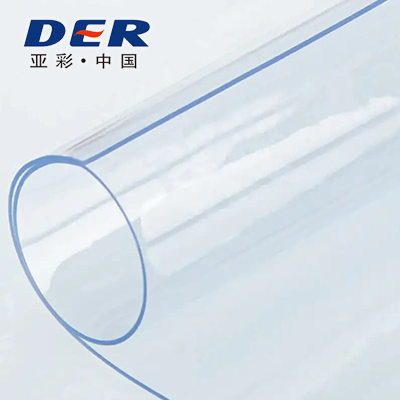
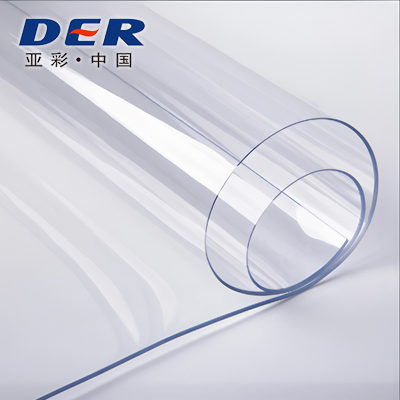
Flexible transparent PVC sheet from DERFLEX for clear tarp panel fabrication
Flexible clear PVC materialMaterial image · finished panel details are project-specific

Which enclosure panel should you choose?

A clear tarp suits seasonal, roll-up or removable weather screens. Glass suits permanent enclosures where a stable view and the specified glazing performance matter. Polycarbonate suits lightweight framed panels where impact resistance is a priority. For insulation, compare multiwall polycarbonate or an insulating glass unit; a single clear PVC layer mainly reduces drafts and does not perform like an insulated wall.

Compare enclosure systems, then choose a material

In this guide, “clear tarp” means flexible transparent PVC, also called clear vinyl. Vinyl and PVC are not separate material families here. Glass type, polycarbonate structure and the frame all change the comparison.

A / FLEXIBLE

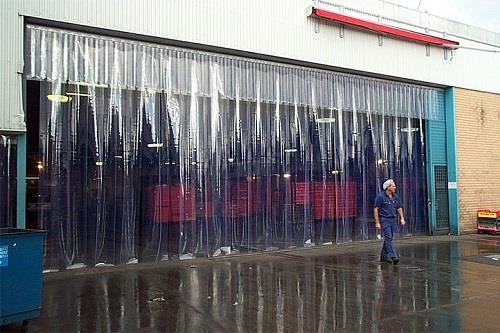
Clear PVC tarp

A soft transparent sheet converted into a curtain, sidewall or removable panel. Reinforced borders carry the attachments; the clear center preserves visibility.

Choose for: seasonal closure, repeated opening and compact storage.
Check: scratching, wrinkles, cold flexibility and edge loads.

B / GLAZED

Glass panel

A rigid glazing material installed in a designed frame. Tempered and laminated glass address different breakage behavior. An insulating glass unit adds a sealed cavity.

Choose for: permanent glazing and a stable view.
Check: safety-glass specification, weight, frame and seals.

C / FRAMED

Polycarbonate panel

A rigid plastic sheet available in solid and multiwall constructions. Solid sheets favor a clear view; cellular multiwall sheets favor insulation and daylight diffusion.

Choose for: lightweight, impact-resistant infill.
Check: UV grade, thermal movement, span and surface care.

Typical selection trade-offs for vertical panels. These are material-level distinctions, not wind ratings or a service-life guarantee.
Decision factorClear PVC tarp / vinylGlassPolycarbonate
Opening & storageCan roll up or be removed with a suitable panel design; avoid sharp folds.Fixed, sliding or hinged opening requires a glazing system; cannot roll.Fixed or removable framed sheets; require flat storage space.
View & appearanceClear view is possible, with waves, creases or mesh depending on construction and tension.Stable viewing surface; tint, coatings and fabrication affect appearance.Solid clear sheets provide a view; multiwall ribs interrupt sightlines.
Thermal comfortReduces wind infiltration when edges close well; limited single-layer insulation.Single glass and insulated low-e glazing have different thermal performance.Solid and multiwall sheets differ; compare the specified assembly U-value.
Impact & surface wearFlexible, but can puncture, tear or scuff; reinforcement matters at fixings.Can break; safety glass changes the breakage outcome. Glass generally resists routine surface scratching better than soft vinyl.High impact resistance for suitable grades; ordinary surfaces can scratch. Abrasion-resistant grades are a separate choice.
Wind & framingNeeds distributed perimeter restraint and a verified supporting structure.Pane dimensions, glass build-up, frame and anchors require coordinated design.Sheet thickness, support spacing, profiles and fasteners must follow the specified system.
Outdoor exposureSpecify an outdoor formulation and clarity-retention requirements; clear appearance does not prove UV performance.Review seals, coatings, glass make-up and maintenance conditions.Specify UV-protected outdoor grade and install the protected face as directed.
Cost to comparePanel + reinforcement + mounting + seasonal labor + expected replacement.Glazing + frame + handling + installation + openings + breakage allowance.Sheets + profiles + movement allowance + installation + replacement access.

When glass or polycarbonate is the better route: if the brief calls for a permanent conditioned room, certified glazing performance or an engineered protective barrier, start with a qualified glazing-system supplier. A transparent flexible screen should not be specified as an equivalent substitute.

Start with how the enclosure will be used

“Permanent or seasonal?” is useful. “How often will the panel open, and who will handle it?” usually produces a more precise specification.

ApplicationMaterial directionSpecification to settle first
Restaurant patio closed at nightClear PVC curtains where staff need frequent opening.Panel width, practical roll-up weight, restraint, door locations and cold handling.
Seasonal porch or pergola sidewallRemovable clear tarp panels if the structure and exposure are suitable.Fixing layout, weather-shedding overlaps and dry storage method.
Year-round heated sunroomAn insulated glazing system; evaluate glass IGUs or suitable multiwall polycarbonate.Whole-system heat loss, solar gain, airtightness and ventilation.
Framed panel with impact concernsConsider an appropriate polycarbonate system.Required impact performance, thickness, span, UV face and scratch-resistant finish.
Greenhouse side screenFlexible material for opening sections; multiwall panels where insulation is central.Crop light needs, venting, condensation drainage and seasonal use.
Temporary event tent windowClear flexible PVC window within a reinforced sidewall.Joint compatibility, window size, emergency access and applicable fire requirements.

For agricultural projects, review greenhouse covering options against the actual light and ventilation brief.

For tent fabricators, clear PVC tent-window material needs joint and border validation as part of the complete sidewall.

A hybrid enclosure can be practical: use a designed rigid system in fixed bays and flexible panels where access is frequent. Detail the junctions so that openings, drainage and movement remain workable. This is a design option to evaluate, not a universal lower-cost solution.

Is a clear tarp cheaper than glass or polycarbonate?

A flexible clear panel can reduce the initial investment for a simple seasonal screen. That advantage depends on the frame already available, the finishing required and the labor needed to open, store and replace it.

A sheet-only price is a poor comparison with an installed enclosure quotation. Quote the same opening area, access pattern and performance requirement for each alternative.

Compare: material + fabrication + frame / hardware + installation + upkeep + replacement

Use one agreed evaluation period. Include removal and refitting labor if panels are stored each summer, and the cost of taking a bay out of service during replacement.

Ask each supplier for the same scope

  • Finished coverage area and the clear viewing area after borders.
  • All required frames, tracks, seals, fasteners and access openings.
  • Installation, freight, packing and replacement-panel availability.
  • Specified performance evidence and the exact warranty terms offered.

No fixed price or universal payback period applies to all three systems. Obtain project quotations rather than applying unrelated retail prices to a B2B enclosure.

A clear panel is more than its thickness

A thicker film adds mass and changes handling, but it does not prove a stronger edge, better low-temperature flexibility or a wind-rated assembly. Start with the required function, then approve the construction.

Clear film or reinforced transparent fabric?

Unreinforced film avoids a textile grid in the viewing area. Reinforced transparent fabric contains a scrim that can support dimensional stability and tear control, while making the mesh visible. Compare actual samples against the view and handling requirements.

For optical appearance and converting options, see super clear PVC film rolls. Do not transfer one grade’s UV, fire or cold performance to another.

Set the viewing area before the finished size

Hems, borders, welded overlaps, pockets and hardware consume part of the panel. Specify both the finished outside dimensions and the unobstructed clear zone, especially for restaurant seating or inspection windows.

A larger single panel may require more handling effort and place greater demand on its perimeter. Dividing an opening into serviceable bays can simplify replacement and seasonal operation.

DERFLEX specification discussion. Final material, construction and supply conditions require confirmation for the project.
SpecifyWhat the buyer should provideWhat to confirm
Material constructionUnobstructed view or visible reinforcement acceptable?Unreinforced clear PVC film or reinforced transparent construction.
Thickness & handlingTarget thickness, bay size and opening frequency.Nominal thickness, tolerance, finished weight and roll-up suitability.
DimensionsOpening drawing, finished size and clear viewing zone.Measurement temperature, border allowances, seam locations and dimensional acceptance.
ExposureClimate, minimum handling temperature, sun exposure and season of use.Outdoor formulation, cold-flexibility evidence and agreed aging criteria.
Edges & connectionsExisting frame and proposed fixing method.Reinforced hems, corner details, welds, grommet position and mounting compatibility.
Supply formRoll goods for converting or finished custom panels.Usable roll width, panel layout, material yield and packing method.
Compliance & orderRequired standard, quantity, destination and schedule.Grade-specific documentation, sample scope, MOQ, production timing and quotation.

Fixing design decides how the panel behaves

Rain, wind and repeated handling act on the finished assembly. A clear material sample cannot establish the capacity of the frame, anchors or installed panel.

  1. Distribute the load

    Use a reviewed perimeter layout rather than suspending a broad panel from a few unreinforced holes. Corners and interruptions need particular attention. There is no universal grommet spacing for every opening or exposure.

  2. Allow controlled movement

    Flexible PVC changes shape with temperature and loading. Set the fitting condition with the fabricator; excessive initial tension can overload edges. Polycarbonate also needs the manufacturer’s expansion allowances and compatible profiles.

  3. Keep water outside

    Orient overlaps to shed water, detail the bottom edge and maintain drainage. A waterproof sheet can still leak around fasteners, seams, door openings or the frame.

  1. Plan winter operation

    A panel that survives cold while stationary may behave differently when rolled or folded. Specify the lowest handling temperature and assess the actual motion. Avoid forcing stiff material into a tight roll.

  2. Provide ventilation and safe access

    Solar gain and indoor moisture can make a clear enclosure hot or wet. Keep ventilation and access operable. Weather screening is not a substitute for an appropriate roof, guard or protective barrier.

  3. Clean before storing

    Remove grit before wiping. Follow the grade supplier’s cleaning instructions and check chemical compatibility. Dry the panel before storage; prevent clear faces from rubbing against hardware or abrasive packing.

Fabrication review: agree the finished drawing, joint method and reinforcement before cutting. DERFLEX’s custom tarp fabrication options support that discussion; accessories and final dimensions remain subject to technical confirmation.

Approve one representative bay before a bulk order

A small swatch answers material questions. A representative finished panel answers installation and operation questions. Both can be useful, with different acceptance criteria.

Record the approved grade, drawing revision, sample identity and acceptance criteria. For inspection planning, use the tarpaulin testing and QC guide, selecting methods appropriate to unreinforced film or reinforced fabric rather than treating them as interchangeable.

Material approval

View & surface

Assess haze, tint and visible defects against an agreed reference. Define instrumental testing if a numerical optical limit is needed.

Temperature & aging

Agree conditioning and the required flexibility or appearance after exposure. A generic “UV resistant” statement does not define an acceptance limit.

Finished-panel approval

Joints & fixing points

Check the actual welded or sewn detail, border, corner and hardware. Define any seam or pull test separately.

Operation & fit

Trial opening, closing, stowing and edge sealing in the intended bay. A fit trial does not establish a structural wind rating.

Send a clear enclosure brief to DERFLEX

DERFLEX supplies transparent PVC material and custom clear tarp formats. For fabricators, OEM brands and bulk buyers, the quotation starts with the material grade and the finished-panel requirements. Confirm sample arrangements, MOQ and lead time against the selected construction and order quantity.

  • Application & operationPatio, porch, tent or work area; fixed, removable or roll-up.
  • Opening drawingBay dimensions, clear viewing area, doors and existing support details.
  • Material requirementTarget thickness, reinforcement preference, clarity and supply form.
  • EnvironmentMinimum handling temperature, sun exposure, season and location.
  • Finished detailsBorder color, joints, corners, hardware and fixing positions.
  • Commercial scopeQuantity, packing, destination, required documents and schedule.

Prepare your quotation message

Add the project basics, then copy the brief into your inquiry. Attach a drawing on the quotation page if available.

Open request a quote

The brief is prepared in your browser. To send it, open the quotation page and submit your inquiry there.

Clear tarp, glass and polycarbonate FAQs

Can a clear tarp replace glass in a porch enclosure?

A clear PVC tarp can act as a removable wind and rain screen where a flexible enclosure is suitable. It is not equivalent to permanent safety glazing, an insulated wall or a structural barrier. Define the required function and supporting frame before choosing it.

Is clear vinyl the same as clear PVC?

For the enclosure materials discussed here, clear vinyl generally refers to flexible PVC. The important differences are the formulation, thickness, reinforcement, surface finish and finished-panel construction, rather than the two names.

Is polycarbonate always better insulated than a clear tarp?

Multiwall polycarbonate uses a cellular structure that can improve insulation over a single-layer sheet. Solid polycarbonate and multiwall panels are different products. Compare documented assembly U-values, edge sealing and frame performance rather than assuming all polycarbonate has the same insulation.

What thickness should clear vinyl enclosure panels use?

There is no universal thickness for all enclosures. Panel size, handling weight, temperature, opening frequency and fixing design should guide selection. Ask for a material sample and, where useful, a representative finished panel; thickness alone does not establish wind capacity or cold flexibility.

Will clear PVC panels stay flexible in freezing weather?

Low-temperature behavior depends on the grade and the action performed. A stationary panel and one rolled or folded in the cold face different demands. Specify the lowest handling temperature and request evidence or a trial appropriate to the ordered material.

Does a UV-resistant clear tarp block UV or prevent overheating?

UV stabilization helps protect the material against weathering; it does not by itself specify how much UV passes through. UV transmission and solar heat gain are separate properties. Request the relevant optical data and provide ventilation or shading for the enclosure.

How do I compare clear tarp, glass and polycarbonate prices?

Compare the same finished opening and performance scope. Include material, fabrication, frame, hardware, installation, freight, seasonal handling and expected replacement over an agreed period. Obtain current project quotations instead of comparing a bare sheet price with an installed system.

Can DERFLEX supply custom clear enclosure panels?

DERFLEX offers clear PVC roll material and custom clear tarp supply with project-specific size, edge reinforcement and fixing details. Send the application, drawing, material requirement, quantity and destination; confirm accessories, sample scope, MOQ and production timing during quotation.

Turn your enclosure plan into a panel specification.

Send the opening drawing, operating pattern and exposure conditions. Ask DERFLEX to review the clear PVC grade, border construction and supply format for your project.

DERFLEX · Enclosure material selection guideTechnical reference review:
Consulting Services
+86-021-54361792 / 54361798
Email
sales@derflex.com