



Clear Vinyl Tarp Wrinkles:Prevention, Handling and Installation Checks
Clear vinyl tarp wrinkles can originate in packing, storage, fabrication or installation. Identify the pattern before applying heat or adding tension. This guide helps distributors, enclosure fabricators and project buyers protect clear PVC, assess panel fit and agree on an appearance standard. DERFLEX supplies clear PVC material and custom tarp panels; define the material, finished dimensions and packaging together before ordering.
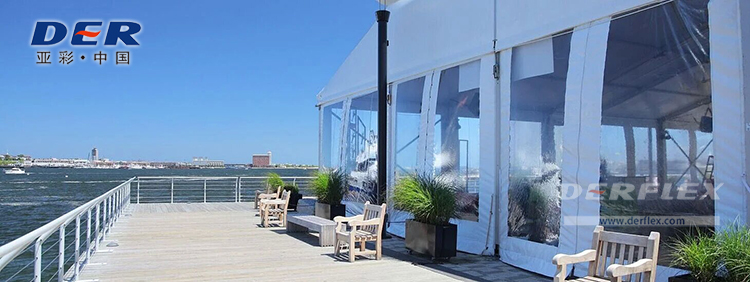
Can wrinkles in a clear vinyl tarp be removed?
Some packing folds may ease after careful unpacking and material conditioning, but recovery depends on the PVC grade and the severity of the mark. A stretched panel, a damaged fold or a puckered seam needs a different response. Start with clean support and the supplier’s handling instructions; do not try to force every line out with heat or tighter fasteners.
What changed—and where?
A wrinkle is a shape change. Haze, scratches and yellowing are appearance changes that need separate assessment. Photograph the full panel and the affected area before making adjustments.
| What you see | What to check | First response |
|---|---|---|
| Repeated straight fold lines | Do the lines match the folded package? Are they present while the panel is supported without tension? | Record the packing pattern. Unfold gently in suitable conditions, then reassess using the material supplier’s conditioning procedure. |
| Diagonal waves toward a corner or eyelet | Does the pattern change when an installer safely reduces local tension? Check frame alignment, finished size and fixing positions. | Review fit and load distribution. Avoid pulling harder on the opposite corner to chase a smooth appearance. |
| Ripples following a seam, zipper or border | Is the distortion localized to a joint? Does it remain on a clean support surface without installation load? | Ask the fabricator to review the joint, panel geometry and production sample. More frame tension may hide the symptom without resolving it. |
| A sharp white line, split or damaged edge | Check both faces for cracking, thinning, torn holes and seam opening. Do not bend the area repeatedly to test it. | Stop adjustment and isolate the affected panel for supplier review. Treat visible damage separately from a cosmetic wrinkle. |
On small screens, swipe the table horizontally. Keep photographs under similar lighting for comparison.
Confirm the construction first: smooth clear PVC and a transparent reinforced tarp will not present the same view. See the clear PVC tarp material and fabrication options.
Unpack without adding a new problem
For clear vinyl curtains, tent windows and removable panels, protect the viewing area throughout handling. Plan enough clean space before opening the package.
Record the arrival condition
Photograph the package, roll core or folded bundle, label and any visible compression. Keep the order reference and panel ID with the images. Open packaging carefully, with blades kept away from the PVC.
Let the material condition
Follow the grade-specific handling range before unfolding cold or stiff panels. Let the material reach a suitable, even temperature in a clean indoor space. There is no universal recovery time for every clear vinyl thickness, formulation or packing history.
Support the clear surface
Use a clean, smooth support surface and enough people to manage the panel. Lift rather than drag. Keep grit, tools, buckles and zipper sliders away from the viewing area; approve any separator material before placing it against the PVC.
Compare before applying load
Check the supported panel against the drawing and approved sample. Record fold locations and seam appearance. If a problem is already visible without frame tension, send that evidence to the supplier before modifying the panel or fixing layout.
Check the fit before increasing tension
Clear vinyl is flexible. A smooth-looking panel is not proof of correct loading, and removing every visible wave should not override the fixing design. These checks support the installer’s approved method.
Opening and finished dimensions
Check width, height, diagonals and fixing coordinates against the drawing. Distinguish clear viewing area, overall panel size and attachment-center dimensions. Never stretch an undersized panel into place.
Frame alignment
Look for a twisted opening, offset anchors or obstructions. Record whether diagonal waves appear only after fitting; that change is useful evidence when reviewing the frame and panel together.
Perimeter load distribution
Use the specified reinforced edges and fixings. Follow the installer’s progressive adjustment sequence rather than fully tightening one corner first. Stop if holes elongate, borders distort or seams begin to open.
Zippers and access openings
Operate closures without forcing them. A zipper should not be used as a winch to bring misaligned edges together. Check that adjacent panel tension is not pulling the opening out of shape.
Roll-up path and hard contact
Check that the panel rolls evenly and that straps, bars, screw heads or fittings do not press into its clear center. Confirm a grade-appropriate roll diameter and operating method with the fabricator.
Temperature and exposure
Record conditions at fitting and inspection. Recheck operation when conditions change, within the system’s instructions. Wrinkle checks do not establish frame wind capacity or an enclosure load rating.
Need a mounting plan? Review roll-up curtain bars, pockets and mounting considerations. For broader material trade-offs, compare clear tarp, glass and polycarbonate enclosure panels.
Discuss Your DrawingSpecify the packing as carefully as the panel
Preventing pressure marks and repeated folds begins before shipment. Agree on how the finished panel will be transported, stored and opened—not just how it will look on a sample table.
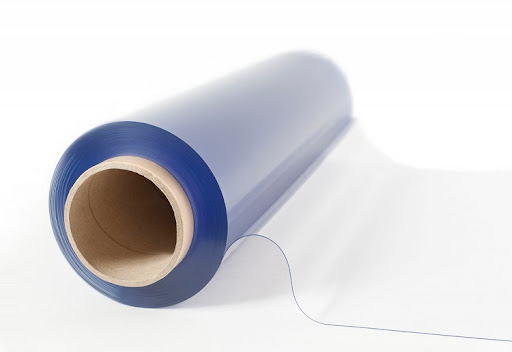
Reduce repeated sharp folding
Where the grade and finished construction allow it, discuss supported rolled packing or flat storage. Keep the core, winding method and protection suitable for the material. Folding may be needed for freight; agree on its appearance implications before purchase.
Do not place heavy cartons or loose fittings on exposed clear film. Preserve the approved packaging instructions for repeat orders.
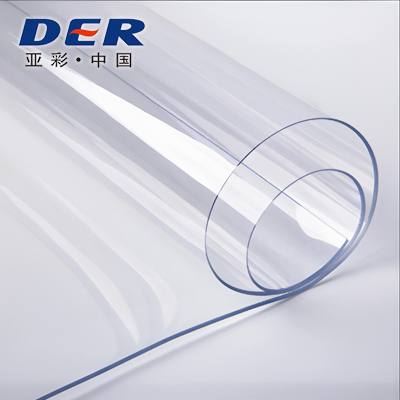
Protect the viewing surface
Clean using the material supplier’s approved method, then dry before packing. Keep hardware separated from clear areas. Avoid tight straps, gritty surfaces and unapproved cleaners or contact materials.
For a fuller care routine, use the tarp cleaning and storage guide. These material photographs are not evidence of crease recovery.
For tent fabricators, include the surrounding fabric and joint in sample approval: clear PVC tent-window material should be assessed as part of the finished sidewall.
Make “acceptable appearance” measurable
Replace “no wrinkles” with an agreed inspection procedure and reference sample. A small swatch can establish tint and surface finish; a representative finished panel is needed to review seams, borders, closures and installation appearance.
Define the inspection conditions
- Identify the grade, thickness, panel ID and approved reference.
- Agree on unpacking and conditioning conditions and when inspection takes place.
- Define whether the panel is supported flat or installed on the agreed frame.
- Record lighting, background, viewing distance and both faces.
- Mark critical viewing zones and acceptable seam or border locations.
- Agree on the response to persistent creases, surface marks or damaged fittings.
Keep the supply scope clear
Request clear PVC rolls, cut material or custom finished panels as appropriate. Define the finished size, edge reinforcement, fixing layout and packaging in the quotation. Confirm separately whether mounting accessories are included.
Material supply does not by itself include a frame, site installation or structural design. If selecting a complete enclosure, review the clear tarp panel and weather-protection specification alongside the frame and drainage requirements.
Send DERFLEX a useful enquiry
Include the application, panel or roll dimensions, quantity, current material or sample, operating and storage temperatures, photos or drawing, edge and fixing details, packing preference and destination. For an existing wrinkle issue, add full-panel and close-up images, arrival condition and what changed after fitting. Material choice, panel layout, joint length, finishing and packing all affect the quotation; confirm MOQ, timing and sample scope for the actual order.
Clear vinyl tarp wrinkle FAQs
Will clear vinyl tarp wrinkles disappear on their own?
Some packing marks may ease after the panel is unpacked and conditioned according to its material instructions. Persistent creases, stretching and joint-related distortion may remain. Agree on an observation procedure with the supplier instead of assuming a fixed number of hours will restore every panel.
Can I use a hair dryer or heat gun on a clear tarp?
Only use a heating method specifically approved for the ordered grade and finished construction. A method for one branded clear vinyl does not establish a safe temperature, distance or exposure time for another. Request a written procedure and a sample trial; avoid experimenting on the finished viewing area.
Why do diagonal wrinkles appear after installation?
They can be a clue to uneven loading or mismatched geometry, especially when they lead toward a corner or attachment. Compare the unloaded panel with the fitted panel, then check frame diagonals, fixing locations and finished dimensions. Have the installer review the load path before increasing tension.
Is thicker clear vinyl guaranteed to stay wrinkle-free?
No. Thickness alone does not resolve packing folds, a distorted seam, poor fit or concentrated fixing loads. Select the material together with the panel size, operating temperature, opening method and finishing, then approve a representative sample.
Should clear vinyl tarps be rolled or folded for storage?
Use the grade and fabricator’s instructions. Rolled or flat storage may avoid repeatedly making sharp folds, but the core, surface protection and hardware arrangement still matter. If freight requires folded packing, agree on the method and appearance review before production.
When should a wrinkled panel be referred back to the supplier?
Refer it before further adjustment if there is cracking, a sharp white stress line, thinning, elongated fixing holes or seam opening. Also report persistent distortion under the agreed inspection conditions. Keep the panel ID, packing photographs, temperature record and images before and after fitting.
Plan the material, fit and packing together.
Send your drawing, application and quantity. Discuss clear PVC supply, panel finishing and an inspection approach suited to the way your product will be handled.
Already have a panel? Include its ID and photos before any heat treatment or modification.