


 Technical Coated Fabric · OEM Roll Supply
Composite Materials for Flexible Containers
DERFLEX supplies PVC and TPU coated composite fabrics for manufacturers of flexitanks, flexible water tanks, oil bladders, fuel storage bags, biogas bags, containment berms and welded industrial liquid containers.
A flexible container is not made from an ordinary waterproof textile. It needs a reinforced fabric core, a compatible coating or film layer, controlled adhesion, stable welding behavior, folding durability and application-specific testing. DERFLEX helps buyers build material specifications around the real liquid, tank size, welding method and service environment before bulk production.
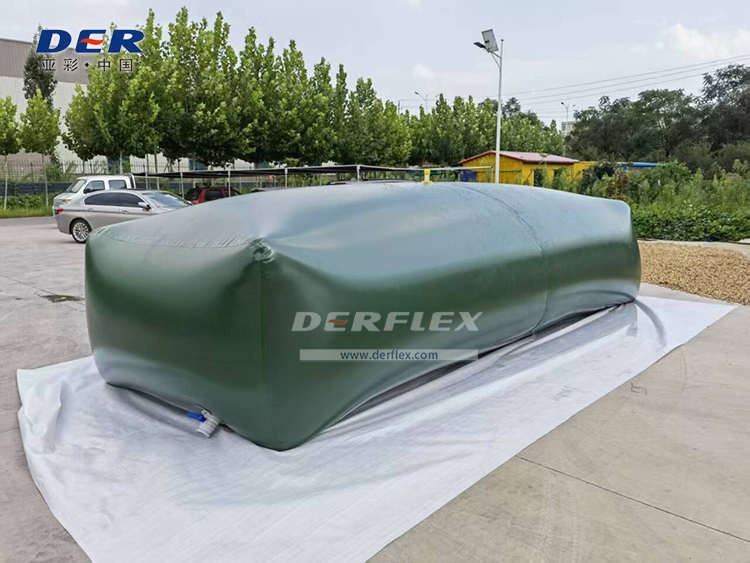
What Are Composite Materials for Flexible Containers?
Composite materials for flexible containers are multi-functional coated textile structures designed to hold, transport or temporarily store liquids, gases or bulk-flow products. In most industrial tank and bladder applications, the material combines a woven polyester or nylon reinforcement with PVC, TPU, PU/PVC blend or other functional layers.
The reinforcement gives tensile strength and dimensional support. The coating or laminated film creates a liquid barrier, welding surface, cleanable face and environmental protection layer. Surface treatments, lacquer, anti-blocking finishes and custom colors can be added according to handling and production needs.
For buyers, the correct question is not only “how thick is the fabric?” A successful flexible container project must also review seam strength, liquid compatibility, foldability, UV exposure, puncture risk, valve reinforcement and repeat-order consistency.
Typical flexible container material logic
- Base fabric: polyester or nylon yarn construction for tensile and tear performance.
- Functional coating: PVC, TPU or custom coating system selected according to liquid contact and welding process.
- Fabrication method: high-frequency welding, hot-air welding, wedge welding or heat sealing trials.
- Final verification: sample immersion, seam testing, folding simulation and finished container evaluation.
Reinforced Textile Core
Supports strength, shape stability and resistance to handling stress.
Coating / Film Layer
Creates liquid barrier, surface protection and welding direction.
Surface Finish
Controls cleaning, blocking, abrasion behavior, appearance and processing.
OEM Roll Control
Manages width, color, batch, packing and repeatable production supply.
Where DERFLEX Flexible Container Materials Are Used
The same material family can be engineered into different directions depending on capacity, liquid type, welding equipment, installation surface and expected service conditions.
Flexitanks & Container Liquid Bags
Composite fabric direction for bulk liquid packaging, containerized storage liners and welded liquid bags used for compatible non-hazardous liquids after project testing.
Focus: roll consistency, weldability, barrier behavior and packing efficiency.Flexible Water Tanks
PVC or TPU coated textile options for portable water storage, agricultural water bags, emergency water reserves, field supply and temporary service water tanks.
Focus: tear strength, UV exposure, ground contact and folding.Oil Bladders & Fuel Bags
Reinforced TPU or PVC coated fabrics for diesel bladders, flexible oil storage pillows, marine auxiliary tanks and fuel bladder manufacturing after compatibility review.
Focus: liquid-contact testing, seam strength and abrasion resistance.Biogas & Gas Storage Bags
Custom coated membranes for flexible gas-holding structures, biogas bags and environmental containment projects where sealing and fabric stability are critical.
Focus: airtight structure, coating adhesion and field installation.Spill Containment Systems
Foldable coated fabric for containment berms, maintenance pads, emergency response basins and industrial liquid-control products.
Focus: puncture protection, cleanable surface and repeated deployment.OEM Flexible Container Programs
Roll goods for factories that need custom GSM, denier, coating side, roll width, color, label, packing and sample-to-bulk specification control.
Focus: technical discussion and long-term supply planning.DERFLEX Composite Fabric & Flexible Container References
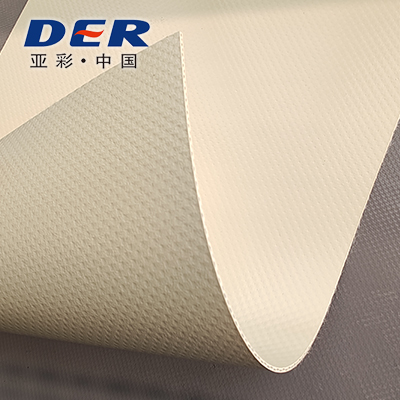
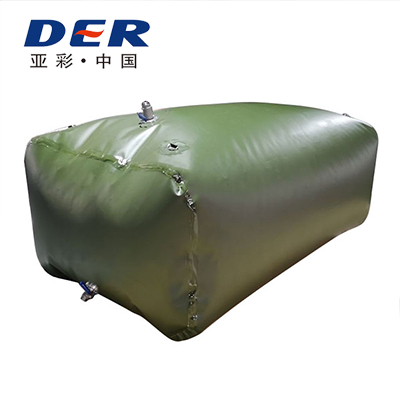
Product images help buyers understand how coated fabric rolls are connected to finished flexible container applications.
Practical Starting Points for Quotation and Sampling
The following ranges are used to start technical discussion. Final values should be confirmed through project testing, welding trials and finished container evaluation.
| Product Direction | Composite materials for flexible containers, flexitank fabric, flexible tank fabric, fuel bladder material, oil bladder fabric, water tank coated fabric. |
|---|---|
| Material Structure | PVC coated polyester fabric, TPU coated nylon, TPU coated polyester, double-side coated structures, laminated coated textile and custom PVC/TPU direction according to project needs. |
| Base Fabric Direction | Common directions include 840D, 1000D, 1500D, 1680D polyester or nylon, plus customized high-tenacity fabric construction for larger tanks or rough handling conditions. |
| Weight Range | Approx. 600–1800 gsm project direction. Lightweight structures can support folding and portability; heavier structures can support rougher handling and larger-volume container designs. |
| Width Support | Industrial roll widths and custom wide-roll direction up to project feasibility. Wider material may help reduce seam quantity for larger pillow tanks and flexible containers. |
| Surface Finish | Matte, glossy, embossed, anti-blocking, cleanable surface and color-customized finish according to welding, cleaning, branding and handling requirements. |
| Welding Direction | High-frequency welding, hot-air welding, wedge welding or heat sealing trials depending on coating chemistry, thickness, coating side and customer equipment. |
| Testing Focus | Liquid compatibility, seam peel strength, coating adhesion, folding fatigue, puncture resistance, valve patch bonding, cold flexibility, UV exposure and packing stability. |
How to Choose PVC, TPU or Custom Coated Fabric
DERFLEX does not treat every flexible container as the same product. Material selection should start from the finished container design and the liquid or gas it must hold.
PVC Coated Polyester Fabric
- Practical direction for industrial liquid bags, water tanks, some storage pillows and cost-sensitive container projects.
- Useful when the project needs thickness, weldability, abrasion protection and controlled roll supply.
- Can be customized with lacquer, color, weight, width, flame-retardant direction or anti-static direction when required.
- Final compatibility should be tested with the actual liquid, additive package and storage time.
TPU Coated Nylon / Polyester Fabric
- Considered for higher-value flexible containers where soft folding, weldable seams, abrasion resistance and low-temperature behavior matter.
- Suitable direction for fuel bladders, oil bladders, marine flexible bags, high-frequency welded products and technical OEM tank programs.
- Polyether TPU and polyester TPU options can be discussed according to water contact, oil contact, abrasion and field conditions.
- Sampling and welding verification are recommended before purchase decisions.
What to Confirm Before Ordering Flexible Container Material
A clear quotation request helps reduce wrong material selection, welding problems and production delays.
Define Liquid or Gas
Confirm water, diesel, oil, fertilizer, wastewater, biogas, food-grade liquid or chemical direction.
Confirm Container Design
Share capacity, shape, valve zone, lifting point, folding method and ground contact condition.
Select Welding Method
Tell us your HF, hot-air, wedge or heat-seal equipment so the coating side can be evaluated.
Test Sample Rolls
Run seam trials, immersion testing, folding checks and abrasion review before bulk order.
Control Bulk Supply
Lock GSM, width, color, finish, roll length, labels, packing and inspection rules for repeat orders.
Why Buyers Work with DERFLEX
- Technical coated fabric experience across PVC, TPU and industrial composite textile directions.
- Support for polyester or nylon base fabric, coating structure, roll width, surface finish and OEM color.
- Application-focused discussion for flexible containers, bladders, water tanks, oil storage and containment systems.
- Sample support for welding trials and material verification before bulk production.
- Export-ready roll packing, repeat-order specification control and communication for international buyers.
Built for Factories That Need More Than a Catalog Fabric
Flexible container manufacturers need materials that behave consistently during cutting, welding, folding and packing. DERFLEX supports buyers who need roll goods for real production programs, not only one-time sample matching.
Our team can help compare PVC coated fabric, TPU coated fabric and customized composite directions according to tank capacity, liquid contact, storage duration, working temperature and production process. This helps importers, distributors, tank factories and OEM brands build a practical specification before placing larger orders.
Explore Related Materials Before Final Selection
These internal pages help buyers compare adjacent coated fabric structures and flexible container applications.
Composite Materials for Flexible Containers FAQs
Common questions from tank fabricators, OEM buyers, importers and industrial project teams.
What material is used for flexible containers?
Flexible containers can use reinforced PVC coated polyester, TPU coated nylon, TPU coated polyester, PE/PP film structures, PVC/PU blends or specialty coated fabrics. For welded industrial containers, DERFLEX focuses on PVC and TPU coated composite textile directions.
Is PVC or TPU better for flexible tanks?
There is no single answer for all projects. PVC coated fabric can be suitable for many heavy-duty and cost-sensitive applications, while TPU coated fabric is often evaluated when flexibility, welding behavior, abrasion resistance and technical surface performance are important. The final choice should be based on the liquid, tank design and test results.
Can DERFLEX provide material for oil bladders and fuel bags?
Yes. DERFLEX can supply reinforced TPU and PVC coated fabric directions for oil bladders, fuel storage bags and flexible tank manufacturing. Fuel-contact performance must be verified with the exact diesel, gasoline, aviation fuel, oil or additive package before commercial use.
What welding methods can be used for flexible container fabric?
Depending on coating chemistry and fabric structure, materials can be tested with high-frequency welding, hot-air welding, wedge welding or heat sealing. Buyers should test seam strength using their own equipment and final seam design.
Can DERFLEX customize width, GSM and color?
Yes. DERFLEX can discuss custom GSM, base fabric, coating side, roll width, surface finish, color, roll length, packing and OEM label requirements according to minimum order quantity and technical feasibility.
What information should I send for a quotation?
Please send the container type, liquid or gas, capacity, expected storage time, working temperature, welding method, target GSM or thickness, roll width, color, order quantity, packing requirement and destination port. Technical drawings or current samples help speed up material matching.
Need Composite Fabric for Flexible Containers?
Send your container type, liquid, tank capacity, welding process, required width, target weight and application environment. DERFLEX will help recommend a practical PVC or TPU coated fabric direction for sampling and quotation.