


Composite Materials in the Field of Occupational Protection
Engineered coated and laminated fabrics for manufacturers developing occupational protection products, industrial barriers, splash-control components, cleanable covers, protective curtains and OEM safety textile programs.
DERFLEX supplies roll materials and custom material directions. Final protective performance depends on hazard assessment, product design, seams, garment or component construction, user instructions and applicable testing requirements.
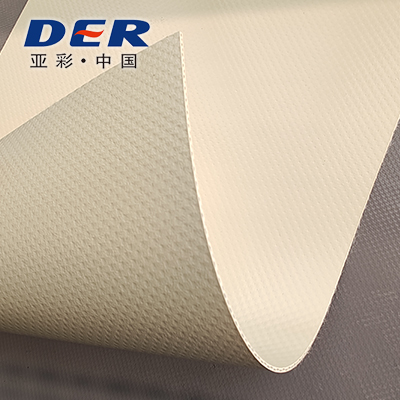
What Are Composite Materials for Occupational Protection?
In occupational protection, composite materials are often built from two or more functional layers. A textile base supplies tensile strength, tear resistance and dimensional stability, while a polymer coating or film provides barrier behavior, waterproofing, surface cleanability, weldability, abrasion resistance and other application-specific properties.
For DERFLEX industrial buyers, this usually means coated or laminated technical textiles based on polyester or nylon fabric combined with TPU, PVC, PU or other customized polymer directions. The material can then be fabricated into protective covers, splash barriers, aprons, curtains, work-area partitions, containment accessories and other occupational protection components.
Protection starts before the finished product is made.
A protection product is not defined only by fabric name. Buyers must consider the workplace hazard, expected contact time, cleaning method, seam construction, wearer movement, temperature, humidity, UV exposure, abrasion, folding and compatibility with other PPE components.
- For splash and liquid contact: coating chemistry, surface continuity and seam method matter.
- For reusable covers or curtains: abrasion, cleaning resistance and dimensional stability become important.
- For wearable components: flexibility, weight, hand feel and heat stress should be considered.
- For OEM production: width, color, roll tension, surface finish and welding behavior affect conversion efficiency.
DERFLEX Composite Coated Fabric Directions
Occupational protection applications rarely use one universal fabric. DERFLEX helps buyers select a practical material direction based on the final product structure, risk environment and processing method.
TPU Coated & Laminated Fabric
TPU coated polyester or nylon fabric is selected when the product needs flexibility, weldability, waterproofing, airtight potential, abrasion resistance and a softer technical textile direction. It is suitable for premium protective covers, splash-control products, inflatable protection components, washable bags, sealed liners and OEM safety accessories.
PVC Coated Polyester Fabric
PVC coated fabric is a practical direction for industrial protection products requiring durability, waterproofing, tear strength, cleanable surfaces, color options and stable fabrication. It can be considered for protective curtains, equipment covers, splash partitions, work-area screens, aprons and heavy-duty covers.
PU & Custom Polymer Coated Textiles
For applications requiring a balanced hand feel, flexibility, surface appearance or project-specific performance, DERFLEX can discuss PU or customized polymer coating directions. These materials can be developed around coating side, thickness, base fabric and finishing requirements.
FR, Anti-Static & Specialty Finishing Directions
Depending on the project, DERFLEX can discuss functional finishing directions such as flame-retardant formulation, anti-static direction, UV resistance, anti-mildew treatment, lacquer surface, high-visibility color or matte / embossed finish. Final compliance should be confirmed by testing according to the target market and product category.
Where Occupational Protection Composite Materials Are Used
DERFLEX materials are supplied mainly as roll goods or custom material directions for factories, converters, distributors and OEM brands manufacturing finished protection products.
Protective Aprons & Splash Components
Coated textiles can be fabricated into industrial aprons, sleeves, splash panels and workstation components where liquid contact, cleanability and flexibility need to be balanced.
Protective Curtains & Partitions
PVC or TPU coated fabric can be considered for temporary separation curtains, industrial screens, decontamination-area partitions and cleanable work-zone barriers.
Equipment & Worker-Area Covers
Durable coated fabrics help manufacturers produce covers for tools, machines, stored PPE, emergency equipment, maintenance kits and outdoor work-area protection.
Containment Mats & Maintenance Barriers
Weldable coated materials can support mats, liners, berm components and portable containment accessories after confirming the liquid type, use period and seam structure.
Emergency Response & Rescue Accessories
Flexible composite textiles may be used in rescue inflatables, dry bags, sealed pouches, temporary shelters, protective covers and emergency logistics components.
OEM Industrial Safety Textile Programs
DERFLEX supports OEM buyers who need consistent roll supply, custom colors, brand-specific finishes, width matching and repeatable material specifications.
From Workplace Risk to Fabric Specification
A practical material program starts with the end-use environment, not only with a target price or fabric weight.
Typical Specification Points for Buyers
The following table helps purchasing teams and product engineers prepare a clearer inquiry before sampling.
| Specification Item | Common Options | Why It Matters in Occupational Protection |
|---|---|---|
| Base Fabric | Polyester, nylon, woven or selected textile substrate | Controls tensile strength, tear resistance, flexibility, dimensional stability and handling. |
| Coating / Film | TPU, PVC, PU or customized polymer direction | Determines barrier behavior, waterproofing, weldability, surface feel, cleaning and durability. |
| Total Weight | Lightweight to heavy-duty range by project | Affects comfort, stiffness, conversion efficiency, abrasion resistance and service environment. |
| Surface Finish | Glossy, matte, embossed, lacquered, high-visibility color or custom finish | Influences cleanability, brand appearance, friction, handling and visual identification. |
| Joining Method | HF welding, hot-air welding, hot-wedge welding, heat sealing or sewing | Seam performance is critical because finished product failure often occurs at joints or openings. |
| Functional Direction | Waterproof, oil-resistant, FR direction, anti-static direction, UV-resistant, anti-mildew | Should be selected according to actual use, target standard and testing requirement. |
| Supply Format | Roll goods, custom width, custom color, OEM packing and batch documentation | Supports stable conversion, repeat purchasing and easier production planning for OEM programs. |
Why Work with DERFLEX for Occupational Protection Materials?
DERFLEX focuses on material engineering for industrial buyers who need stable coated textile supply, practical customization and export-ready support.
Application-Based Material Matching
Instead of recommending one generic fabric, DERFLEX discusses the final product, exposure environment, processing method and required test direction before sampling.
Multiple Coating Directions
TPU, PVC, PU and custom polymer coated textile directions allow buyers to balance cost, flexibility, strength, weldability and surface performance.
OEM Roll Supply Support
DERFLEX can discuss custom width, GSM, thickness, color, finish, coating side, roll length, packaging and repeat production requirements for OEM programs.
Conversion-Friendly Fabric Design
Materials can be discussed around hot-air welding, HF welding, heat sealing, sewing, cutting, folding and downstream fabrication efficiency.
Quality Control Communication
Projects can be supported with sample confirmation, batch inspection direction, surface review, roll packing control and test-oriented specification discussion.
International Buyer Support
DERFLEX supports distributors, converters, OEM brands and project buyers with technical communication, quotation support and export-ready coordination.
Explore Related Coated Fabric Solutions
These internal resources help buyers compare different technical textile directions for occupational protection, safety products and industrial barriers.
How to Request the Right Composite Material
A clear inquiry helps DERFLEX recommend a more practical fabric direction and reduce repeated sampling.
Information to Provide
- Final product: apron, curtain, cover, liner, bag, mat, barrier or other component.
- Hazard direction: water, oil, dust, splash, abrasion, sunlight, heat, cleaning agent or chemical family.
- Target material: TPU, PVC, PU or request DERFLEX recommendation.
- Weight, thickness, width, color, surface finish and roll length preference.
- Processing method: HF welding, hot-air welding, heat sealing, sewing or cutting.
- Testing or compliance direction required by your market or finished product category.
How DERFLEX Supports Sampling
DERFLEX can help clarify base fabric direction, coating structure, surface finish and conversion method before sample development. For new OEM projects, the recommended route is to test the material in the actual finished product design rather than relying only on a laboratory sheet value.
This approach is especially important for occupational protection components because seams, closures, folding lines, cleaning procedures and user movement can influence final performance.
Request Composite Coated Fabric for Occupational Protection Products
Tell DERFLEX your final application, exposure environment, processing method, preferred material direction, target weight, width, color and testing requirement. Our team will recommend a practical material route for sampling and bulk supply discussion.
Composite Materials in Occupational Protection FAQ
Common questions from buyers developing protective covers, barriers, curtains, aprons and OEM safety textile products.
What are composite materials in the field of occupational protection?
They are engineered materials made from multiple functional layers, usually a textile reinforcement combined with a polymer coating or film. In DERFLEX applications, they are supplied as coated or laminated fabrics for protection product manufacturers, converters and OEM brands.
Does DERFLEX supply finished certified PPE garments?
DERFLEX mainly supplies technical coated and laminated fabric roll materials. If the material is used in protective clothing or PPE products, the finished product manufacturer should validate garment design, seams, closures, user instructions and applicable standards.
Which material is better for occupational protection: TPU or PVC?
TPU is often selected for flexibility, weldability, airtight potential and premium waterproof applications. PVC is often selected for durable, cleanable, waterproof and cost-effective industrial covers, curtains and splash-control components. The suitable choice depends on the hazard, product design and processing method.
Can DERFLEX customize fabric weight, color and surface finish?
Yes. DERFLEX can discuss custom GSM, thickness, width, color, coating side, surface texture, embossing, matte or glossy finish, roll length and OEM packing according to project requirements.
Can these coated fabrics be welded?
Many DERFLEX TPU and PVC coated fabrics can be designed for hot-air welding, high-frequency welding, hot-wedge welding or heat sealing. The exact welding result depends on material structure, coating chemistry, thickness and equipment settings.
What should I send before requesting a quotation?
Please provide the final product type, working environment, expected exposure, material preference, target weight or thickness, width, color, processing method, testing requirement and estimated order quantity.