


 Technical coated fabrics for safer product design
Composite Materials for Safety and Protection Applications
DERFLEX supplies engineered composite coated fabrics for manufacturers who build protective covers, spill containment products, rescue inflatables, marine safety components, industrial curtains, flexible tanks and outdoor protection systems.
Instead of offering one generic fabric for every risk, DERFLEX helps buyers match substrate, coating chemistry, surface finish, weldability, flame-retardant direction, liquid compatibility and roll specification to the real safety environment.
What are safety and protection composite materials?
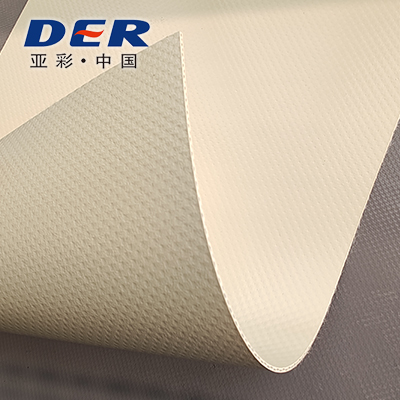
For DERFLEX industrial buyers, composite materials for safety and protection applications usually refer to coated or laminated technical textiles. A high-strength textile base provides tensile strength, tear resistance and dimensional stability, while the polymer coating or film creates barrier performance, waterproofing, weldability, abrasion resistance, cleanability and other functional properties.
This structure is different from ordinary woven fabric. It is selected when the finished product must protect people, equipment, goods, liquids, work areas or outdoor structures from environmental and operational risks.
- Textile reinforcement for strength and flexible handling
- Polymer surface for barrier and weather protection
- Optional formulation direction for flame retardancy, oil resistance, UV stability or cold flexibility
- Processing support for hot-air welding, high-frequency welding, cutting and fabrication
Protection performance starts before fabrication.
A safety product can fail if the fabric is selected only by weight or price. The real questions are: What hazard must be controlled? How will the material be joined? Will it contact water, oil, fuel, chemicals, sunlight, folding stress, abrasion or heat? Does the final product need inspection, cleaning or repeated deployment?
DERFLEX supports material discussion from the finished product backward, so converters and OEM brands can build a practical specification before sampling and bulk production.
Composite coated fabric platforms for different protection needs
Safety and protection applications do not use one universal material. DERFLEX can support several material directions depending on the final product structure, service environment and processing method.
TPU Coated Fabric
TPU coated polyester or nylon fabric is selected for flexible, weldable, airtight or liquid-resistant products such as inflatable safety equipment, bladders, dry bags, containment systems and premium protective covers.
PVC Coated Polyester Fabric
PVC coated fabric is a practical choice for waterproof covers, industrial curtains, tarpaulins, temporary enclosures, truck covers, construction protection and outdoor storage systems that need durability and fabrication efficiency.
Flame-Retardant PVC Fabric
For applications where reduced flame spread is part of the project requirement, DERFLEX can discuss flame-retardant PVC coated textile directions together with waterproofing, UV resistance and reinforced finishing requirements.
Spill Containment Fabric
TPU or PVC coated fabrics can be developed toward secondary containment products, maintenance mats, portable berms, liners and spill control systems after confirming liquid type, exposure time and fabrication structure.
Airtight & Inflatable Textiles
For rescue floats, life jacket bladders, inflatable cushions, flexible air chambers and sealed safety components, fabric selection should focus on air retention, seam strength, folding behavior and weldability.
Custom Protective Laminates
DERFLEX can discuss custom base fabric, coating side, surface texture, color, functional additives, roll length and packaging to support OEM product development and long-term repeat supply.
Where DERFLEX safety and protection composite materials are used
DERFLEX materials are supplied mainly as roll goods or custom material directions for factories, converters, distributors and OEM brands that manufacture finished protection products.
Industrial Protective Covers
Machine covers, equipment covers, storage covers, warehouse partitions, tool protection, outdoor tarps and fabrication-ready roll materials.
Spill Control & Secondary Containment
Fuel transfer pads, oil spill berms, chemical handling liners, maintenance mats and emergency containment products requiring weldable seams.
Marine Safety & Rescue Products
Life raft tubes, inflatable life jacket bladders, rescue floats, marine dry bags and water-contact protective textile structures.
Construction & Hot-Work Areas
Temporary enclosures, weather barriers, welding curtains, scaffold covers and flame-retardant tarp directions for controlled project environments.
Logistics & Transport Protection
Truck covers, cargo covers, side curtains, container liners, foldable covers and abrasion-resistant protection for repeated handling.
Emergency Response Kits
Portable basins, foldable pads, temporary shelters, inflatable safety parts and field-deployed protective products that require compact packing.
Outdoor & Weather Protection
UV-resistant covers, waterproof membranes, camping and outdoor gear materials, awning directions and durable protective textile solutions.
OEM Safety Product Programs
Custom coated fabric development for branded product lines, private-label supply, roll goods, color matching and repeat batch coordination.
Protection fabrics should be evaluated by the actual hazard
The right composite material is not only a stronger fabric. It is a balance of barrier performance, mechanical durability, processing reliability and application-specific testing.
Barrier & Liquid Resistance
Waterproofing, oil contact, fuel splash, cleaning chemicals and selected liquid exposure should be discussed before confirming TPU, PVC or another coating direction.
Flame-Retardant Direction
When a project requires flame-retardant performance, the buyer should confirm the required standard and test route before material approval and finished-product conversion.
Abrasion & Tear Strength
Ground contact, folding, dragging, wind movement, tie-down stress and repeated deployment can require heavier base textile, thicker coating or reinforced design.
Weldability & Seam Behavior
Safety products often depend on seams. Hot-air welding, high-frequency welding and heat sealing should be validated with the buyer’s equipment and final construction.
Weather & UV Exposure
Outdoor protection requires attention to sunlight, rain, humidity, cold flexibility, mildew direction, surface aging and color stability under real service conditions.
Cleanability & Inspection
A smooth or suitable textured surface can help cleaning, visual inspection and reuse, especially for spill containment, industrial covers and field service products.
Suggested starting points for sourcing protective composite fabrics
Final values should be confirmed by sample testing, welding trials, finished-product design and the relevant application environment.
| Material Direction | Typical Structure | Key Buyer Benefits | Common Safety & Protection Uses | Selection Notes |
|---|---|---|---|---|
| TPU coated fabric | Polyester or nylon base fabric with single-side or double-side TPU coating / lamination | Flexible, weldable, abrasion-resistant, airtight direction, cleanable surface | Inflatable safety products, marine rescue, bladders, dry bags, flexible containment | Confirm TPU chemistry, coating side, seam method, liquid contact and folding requirement. |
| PVC coated polyester fabric | High-tenacity polyester scrim with PVC coating or lamination | Waterproof, cost-efficient, strong, UV-resistant direction, easy fabrication | Industrial covers, truck tarps, temporary enclosures, curtains, storage protection | Choose GSM, coating thickness, surface finish and edge construction based on outdoor load. |
| Flame-retardant PVC fabric | PVC coated polyester fabric with flame-retardant formulation direction | Reduced flame spread direction combined with waterproofing and mechanical strength | Welding screens, construction covers, event structures, safety curtains, protective covers | Confirm required test standard and avoid using “fireproof” assumptions in procurement. |
| Spill containment fabric | TPU or PVC coated textile selected for secondary containment design | Liquid barrier direction, weldable basin construction, foldable handling, reusable design | Fuel spill berms, maintenance mats, chemical pads, emergency response basins | Always test with the exact liquid, exposure time, temperature and cleaning process. |
| Custom technical laminate | Selected textile substrate with customized polymer film, coating or surface treatment | Project-specific weight, width, color, texture, packaging and OEM branding support | Branded safety products, protective bags, specialty covers, converter programs | Share drawings, target market, processing route and expected testing before sampling. |
How to choose composite materials for safety and protection products
A structured selection process helps reduce risk before bulk purchasing.
Define the hazard and protection purpose
Identify whether the fabric must protect against weather, abrasion, liquid splash, oil contact, flame spread risk, air leakage, folding stress, outdoor UV exposure or a combination of factors.
Share the finished product structure
Provide drawings, sample photos, seam position, wall height, grommet layout, valve area, reinforcement idea or packing method so the fabric can be matched to the final product.
Select base fabric and coating direction
Choose polyester or nylon, denier, weave, coating side, total weight, thickness and surface texture according to strength, flexibility, cleaning, cost and appearance requirements.
Validate processing and testing
Run sample welding, folding, abrasion, hydrostatic, airtightness, flame-retardant route or liquid compatibility checks before confirming the bulk production specification.
Confirm roll supply and OEM details
Finalize width, roll length, color, labels, packing, pallet size, documentation request and repeat-order control to support stable production at the converter or OEM factory.
Catalog-style material buying
- Often focuses on one fabric name, color or weight.
- May not check seam strength, liquid compatibility or fabrication stress.
- Can overlook application drawings and repeated deployment conditions.
- Suitable for simple covering needs, but limited for safety-critical product development.
DERFLEX application-matched supply
- Starts from the finished product, operating environment and risk scenario.
- Discusses TPU, PVC, FR, airtight or containment directions based on the application.
- Supports custom GSM, width, color, surface finish, coating side and packing.
- Encourages sample testing and welding trials before commercial production.
A material partner for converters, OEM brands and industrial buyers
DERFLEX focuses on coated fabric solutions that can be converted into practical finished products. This makes the page relevant for buyers sourcing roll goods, not only finished equipment.
Multiple coating platforms
TPU, PVC and flame-retardant material directions allow buyers to compare practical options rather than forcing one fabric into every protection application.
Custom roll specification
DERFLEX can discuss width, weight, color, texture, surface finish, coating side, roll length and packing for distributor and OEM production needs.
Application conversation
Buyers can share the finished product use, welding method, environment and required tests so the material direction is more practical from the beginning.
Fabrication-friendly design
Weldable and cuttable coated fabrics help factories make covers, bags, bladders, liners, curtains, inflatable chambers and containment products more efficiently.
OEM product support
For private-label or branded programs, DERFLEX can support custom color direction, material appearance, packaging communication and repeat supply coordination.
Responsible material selection
DERFLEX avoids one-size-fits-all claims and recommends sample validation for flame-retardant, chemical, oil, airtight or outdoor performance requirements.
Explore more safety and protection material solutions
These internal links help buyers move from broad material selection to specific DERFLEX product directions.
Need a composite material matched to your safety product?
Send DERFLEX your application, expected hazard, fabric weight, width, coating side, welding method, target market and testing requirements. Our team will recommend a practical material direction for sampling and quotation.
Composite materials for safety and protection applications FAQ
What are composite materials for safety and protection applications?
They are engineered materials made from two or more functional layers, usually a textile reinforcement and a polymer coating or film. In DERFLEX applications, these materials are used to manufacture protective covers, containment systems, inflatable safety components, tarps, curtains, liners and industrial protection products.
Which is better for protection products, TPU or PVC coated fabric?
It depends on the final product. TPU is often considered when flexibility, airtightness, welding, folding and premium hand feel are important. PVC coated polyester is often practical for waterproof covers, tarps, curtains and cost-efficient heavy-duty protection. The right choice should be confirmed by use environment and testing.
Can DERFLEX supply flame-retardant composite coated fabrics?
DERFLEX can discuss flame-retardant PVC coated fabric directions for applications such as welding screens, construction covers, industrial curtains and protective tarps. The buyer should confirm the required test standard and final product design before ordering.
Are these materials suitable for chemical or fuel spill containment?
TPU or PVC coated fabrics can be developed for selected spill containment applications, but chemical and fuel resistance depends on liquid type, concentration, temperature, contact time, cleaning method and finished product structure. Sample testing with the actual liquid is recommended before bulk production.
Can composite coated fabrics be welded?
Many TPU and PVC coated fabrics can support hot-air welding, high-frequency welding or heat sealing. Welding results depend on coating chemistry, coating thickness, base textile, machine setting and seam design, so a welding trial is recommended.
What information should I provide for a quotation?
Please provide the end application, hazard type, base fabric preference, target GSM or thickness, width, color, coating side, roll length, welding method, expected quantity, testing requirements and any finished product drawings or photos.
Does DERFLEX provide finished safety equipment?
DERFLEX mainly supports coated fabric material directions, roll goods and custom material programs. Depending on the project, related fabrication or finished tarp directions can be discussed, but material selection should always be confirmed by finished-product validation.
Can DERFLEX customize colors and surface finishes?
Yes. Depending on the material direction and order requirement, DERFLEX can discuss custom colors, matte or glossy finish, embossed texture, anti-blocking surface, visibility colors, roll labels, packing and OEM supply details.
Important: Product performance should be verified through sample testing and finished-product validation before use in regulated, safety-critical or chemical-contact environments.