“Supply a blue, heavy-duty, waterproof tarp with strong eyelets and UV protection.”
This leaves weight, strength, water test, weathering exposure, finished size, eyelet load path, sample status and acceptance rules open to interpretation.
Industrial Tarp Procurement Guide
Turn an application, climate and failure risk into measurable requirements that suppliers can quote, test and reproduce.
This guide helps procurement teams, engineers, distributors and OEM buyers define what a tarp must achieve—without locking the project into an unnecessary construction or relying on vague labels such as “heavy duty,” “waterproof” or “UV resistant.”
A tarp can match a stated color, nominal weight and listed size yet still fail in service. The usual problem is that visible product attributes were specified while the real job—resisting wind flutter, preventing water entry, staying flexible in cold weather, tolerating sharp cargo edges or surviving repeated folding—was not translated into measurable requirements.
A performance-based tarp specification gives qualified suppliers room to recommend a suitable material structure while preserving the outcomes that matter to the buyer. It can also make quotations easier to compare because every bidder is responding to the same use profile, minimum values, fabrication requirements and acceptance plan.
Pure performance language is not always enough. Finished dimensions, attachment positions, labels, compatibility with an existing frame and a required fire test may need to be prescribed. The practical approach is therefore hybrid:
“Supply a blue, heavy-duty, waterproof tarp with strong eyelets and UV protection.”
This leaves weight, strength, water test, weathering exposure, finished size, eyelet load path, sample status and acceptance rules open to interpretation.
Write the document in the order a supplier needs to make decisions: use conditions first, measurable performance next, then fabrication, verification and delivery controls.
Describe the job in one precise paragraph. State whether the tarp protects, contains, separates, shades, ventilates or supports a temporary enclosure.
List the environmental and mechanical conditions the cover will actually experience. Rank them by severity rather than adding every available feature.
Define finished—not merely cut—dimensions and show the measurement basis. Include drawings when shape, pockets, flaps or anchor locations affect fit.
Specify the properties that connect directly to the use risks. Do not assume GSM or thickness proves strength, weathering or coating adhesion.
State the required seam outcome and any mandatory process constraints. PVC coated structures may be welded, while some assemblies need sewing or combined construction.
Treat the edge as a load-transfer system. Hardware spacing alone does not define retention strength.
Separate cosmetic expectations from functional defects. Define which conditions are unacceptable and how they are assessed.
Every mandatory performance statement needs a practical means of proof. Specify whether evidence comes from a current test report, lot inspection, production test or witnessed sample trial.
Use a coded approval sample to connect appearance, construction and documents. Require written approval before changing material structure, color, finish, hardware or production route.
Finish the specification with the information needed for shipment, receiving inspection and repeat orders.
The table below is a writing guide. Insert project-specific values only after reviewing application risks, test methods, sample data and relevant market requirements.
| Requirement Area | Why It Matters | How to Write It | Evidence / Acceptance |
|---|---|---|---|
| Material identification | Prevents the quotation, sample, data sheet and production lot from referring to different constructions. | State product code, coating route, base-fabric notation, nominal weight/thickness range, surface finish and revision. | Current TDS, coded approval sample and production label must match. |
| Finished size and tolerance | Fit, slope, overlap and anchor alignment depend on usable dimensions after seams and hems. | “Finished size shall be [L × W] with tolerance [±X], measured flat and relaxed by [defined procedure].” | Dimensional inspection on the defined sample quantity. |
| Tensile / breaking strength | Relates to broad tension, wind action, tie-down loading and load distribution through an intact panel. | Set separate minimums for machine/warp and cross/weft directions; name method, specimen width and unit. | Report directional results; minimum values must pass after required conditioning. |
| Tear resistance | Shows how a cut, puncture or edge damage may continue to propagate during handling or flutter. | State direction, method and minimum force. Do not compare results from different tear methods as equivalent. | Test report for the specified construction; optional production verification by agreement. |
| Coating adhesion | Low adhesion can lead to delamination during folding, welding, water contact, abrasion or cold use. | Define peel method, direction, unit and whether the requirement applies initially and after conditioning. | Initial and conditioned peel results, reported separately from welded-seam strength. |
| Water performance | “Waterproof” can refer to material only, while leaks often occur at seams, stitch lines, hardware or installation details. | Specify field-fabric and finished-seam requirements, test pressure/head, duration and permitted leakage. | Material report plus representative production-seam or finished-cover test where required. |
| UV / weathering | Outdoor exposure can reduce strength, flexibility, color and surface integrity. | Define exposure method and hours/cycles, then set retained strength, color or cracking criteria. | Accelerated-weathering report for the same formulation, with retention results and visual assessment. |
| Low-temperature flexibility | Cold folding and rolling can initiate surface cracks or stiffness-related damage. | State test temperature, conditioning time, bend/flex method and “no crack” or measurable acceptance rule. | Conditioned specimen test or project trial at the stated temperature. |
| Abrasion / puncture | Important around cargo edges, rails, frames, roof contact points and repeated dragging zones. | Specify a test method or require local wear patches at mapped contact zones; define inspection criteria. | Test report, prototype fit check and wear-zone construction inspection. |
| Seam performance | The finished assembly can fail even when the base fabric passes. | Define seam type, minimum strength/leak result, overlap, location and permitted process. | Representative production seam tested using agreed geometry and method. |
| Hardware retention | Grommets and D-rings transfer concentrated loads into the hem and reinforcement. | State hardware material, hole/inside size, position, spacing, reinforcement and minimum retention load if critical. | Pull test on representative finished-edge construction plus visual hardware inspection. |
| Flame / regulatory performance | Some tents, temporary enclosures, public spaces or destination markets require specific test evidence. | Name the exact standard, edition/scope where necessary, product configuration and required classification. | Current report from the agreed laboratory scope; verify that color, weight and construction match the supplied product. |

Strength, adhesion, hydrostatic and weathering values are comparable only when units, test methods, specimen direction, conditioning, reporting basis and acceptance status are aligned. A catalog “typical” value is not the same as a contractual minimum.
Use this tool to organize the application before requesting a sample or quotation. The output is a discussion brief, not a substitute for engineering review, local compliance review or a signed purchase specification.
Choose the nearest use condition and add the information already known.
Replace bracketed items with confirmed values, standards and acceptance limits.
The same word—tarp—can describe very different load paths. Use the application to decide which clauses deserve priority.
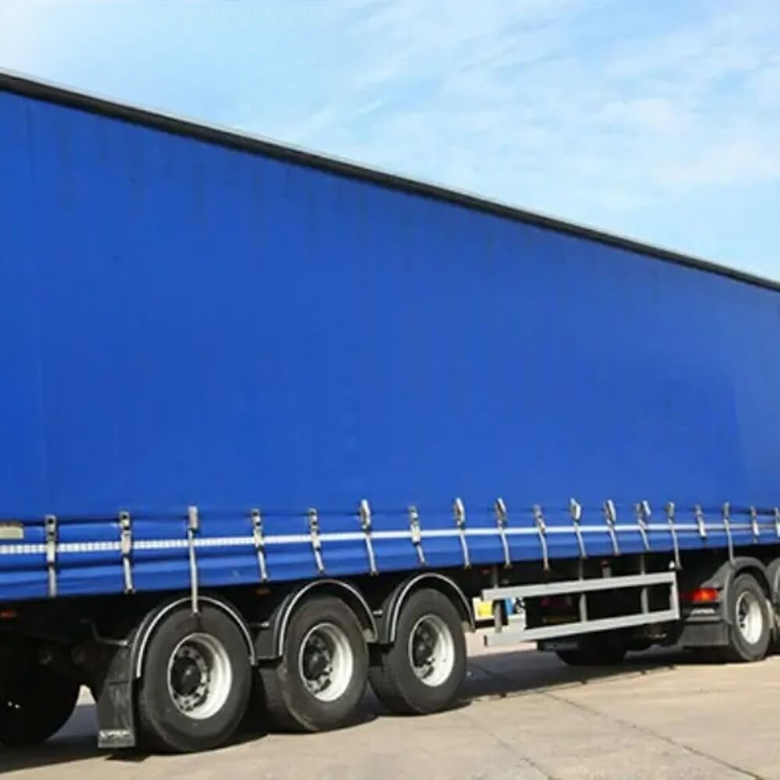
Primary risks are highway airflow, repeated tensioning, abrasion at rails and cargo edges, water entry and hardware pullout.
Primary risks are poor fit, water pooling, sharp protrusions, access requirements, condensation and difficult installation.
Primary risks are wind loading, edge flutter, attachment failure, seam leakage and project-specific flame or visibility requirements.
A performance specification should connect material properties with the finished system: fabric, seams, edges, hardware, fit and actual use.
Early technical discussion can reveal conflicts between desired performance, handling weight, fabrication method, roll width, cost target and verification plan.
DERFLEX can review application, climate, movement, fastening, abrasion points and target service conditions before suggesting a sample direction.
A strong roll material does not guarantee a reliable finished tarp. Welding compatibility, reinforcement design, hardware setting and finished fit should be considered together.
Programs can include roll goods, cut panels, finished covers, private labels, product markings and export packaging according to the buyer’s supply model.
Material feel, welding, seam layout, edge construction, grommet positioning, color and packing can be reviewed against an identified sample.
Keeping the same product code and revision references across documents reduces ambiguity during approval and repeat ordering.
Written specifications, approved samples, production records and defined change control support more consistent replenishment and OEM programs.
These six DERFLEX resources cover the material data, strength, fastening, failure analysis, weight selection and custom manufacturing decisions behind a complete tarp brief.
Use these answers to review an RFQ, tender document or custom tarp specification before it is issued.
It is a requirement document that states what the finished tarp must accomplish under defined conditions and how compliance will be verified. It may include mandatory construction or interface details when fit, safety, hardware compatibility or repeatability requires them.
They can be included as identification or design constraints, but neither value alone proves tensile strength, tear resistance, coating adhesion, UV performance or finished-cover durability. Pair weight or thickness with the properties and test evidence that matter to the application.
Name the test method, pressure or hydrostatic head, test duration and permitted leakage. Also state whether the requirement applies only to the field fabric or to production seams, stitched areas, welded joints and the finished cover.
A minimum is an acceptance threshold that each applicable lot or submitted result must meet under the stated conditions. A typical value describes representative performance and may not be a contractual guarantee. The specification should clearly state which basis applies.
Prescribe it when material compatibility, weldability, repair practice, existing-system fit or market positioning makes the construction essential. Where several materials could satisfy the job, you can instead state the performance outcomes and allow qualified alternatives subject to evidence and sample approval.
State center-to-center spacing or exact anchor coordinates, hardware material and size, edge reinforcement, corner treatment and any retention requirement. Closer spacing does not automatically create a stronger edge if load is not distributed through the hem and reinforcement.
Common documents include the current technical data sheet, identified sample, quotation, drawing or size schedule, relevant test reports, color/finish approval, fabrication trial where needed, packaging approval and a final signed specification with tolerances and acceptance rules.
DERFLEX can review the sample, application, dimensions, failure history, desired properties, finishing and supply model. The final requirements, testing scope, regulatory obligations and commercial acceptance criteria should be confirmed by the buyer before production.
Include the use environment, finished dimensions, quantity, dominant failure risks, required test evidence, reinforcement and hardware details, target market, packaging and delivery plan. DERFLEX can discuss a practical material and sample direction for your project.
Technical examples are provided for specification-planning purposes. Final values, tolerances, standards, test scope, compliance and suitability must be confirmed in the approved documents and sales agreement.