News
Company News

Emergency Shelter Tarps | Relief Tarp Manufacturer – DERFLEX

Update:2026/10/9 17:43:34 Views:
Home / Tarpaulin / Emergency Shelter Tarps
Humanitarian materials · Bulk procurement

Emergency Shelter Tarps

Emergency tarp and relief shelter tarp supply for temporary roofs, household shelter kits, disaster response teams and pre-positioned aid inventories.

DERFLEX helps procurement teams define PE or PVC material, finished sheet dimensions, reinforced fixing points, branding and unit packing before sample approval and bulk quotation. The correct specification starts with how the tarp will be transported, installed and used—not its color alone.

Relief & NGO supply programsCut sheets / rolls / finished tarpsOEM labels & distribution packing
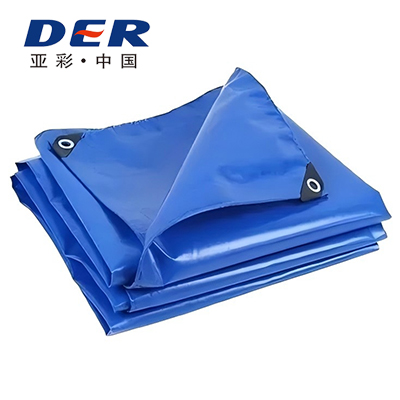
DERFLEX folded blue tarpaulin with reinforced corners and metal grommets, representative waterproof tarp product
Material & fixing referenceReal DERFLEX tarp photograph. Emergency-shelter grade, dimensions, fixing design and tender conformity are determined for each order.
SPECIFICATION-LED SUPPLY
PE / PVCTwo principal material routes
4 × 6 mCommon humanitarian reference format
Custom fixingBands · hems · holes · eyelets
Bulk-readyFolds · bales · cartons · pallets
The product, defined

A weather barrier engineered around field use.

What is an emergency shelter tarp?

An emergency shelter tarp is a flexible coated or laminated sheet used to form temporary shelter roofs or walls, protect damaged buildings, separate shelter floors from the ground, and cover relief supplies after disasters or displacement.

For institutional buying, the sheet is only one element of a working shelter. Material construction, finished dimensions, reinforced fixing locations, fold size and identification all influence whether the item can be distributed and installed as intended.

For reusable cover fabrication and thicker coated materials, see DERFLEX's PVC tarpaulin manufacturing capabilities.

01 / Material selection

Three material paths. Different deployment economics.

Lightweight delivery, stronger attachment and repeated-use performance are different purchasing objectives. A single GSM number cannot capture all three.

01Rapid distribution

Woven PE relief tarp

For high-volume issue, household emergency cover and compact last-mile delivery.

  • Woven HDPE base and PE coating/lamination directions
  • Folded sheets or regional-converting rolls
  • Lightweight handling and pack-density priority
  • Project-specific reinforced bands or hems

Check: size, basis weight, UV duration, fixation strength and pack tolerance.

02Tender-driven relief

Reinforced humanitarian sheeting

For relief shelter tarp orders specified by drawing, material mass, test method and inspection plan.

  • Project-defined fabric and reinforcement map
  • Fixation bands / hole location control
  • Marking, batch identity and institutional pack rules
  • Approval against the purchaser's current revision

Check: exact tender edition. Referencing UNHCR guidance does not mean an offered item is UNHCR-certified.

03Reusable protection

PVC-coated polyester tarp

For contractors, response stockpiles and repeated-use covers needing weldable fabric and stronger finished construction.

  • Common heavier-duty discussion range: approximately 450–900 gsm
  • Welded panels, reinforced edges and patch zones
  • UV / cold-flexibility / optional FR design discussion
  • Roll goods or finished custom shelter covers

Check: weight, tear/tensile performance, seam design and extra logistics burden.

For custom measurements, edge details, branding and repeat-order packaging, review our custom tarp manufacturing options.

02 / Specification framework

Specify the finished sheet—not just the base cloth.

A clear RFQ makes offers comparable. The values below are engineering discussion points, not a claim that every DERFLEX emergency tarp has been tested or approved to a particular relief-agency specification.

Procurement fieldAvailable / recommended directionWhat to approve
Use caseHousehold shelter; temporary roof; partition; ground barrier; relief inventory coverSupport system, environment, expected period and installation sequence
MaterialPE woven/laminated, reinforced PE relief sheeting or PVC-coated polyesterBase cloth, coating/lamination, color and sample reference
Finished size4 × 6 m is a public humanitarian reference size; custom dimensions and rolls can be discussedFinished size vs cut size, tolerances and direction of any seam
Area weightDefined by current tender for PE; heavier PVC approximately 450–900 gsm can be discussed for reuseNominal/minimum mass, measurement method and packing implications
Fixing & reinforcementReinforcement bands, rope hem, webbing, patches, holes, eyelets or loopsAttachment map, spacing, hole dimensions and load-bearing area
Water protectionWaterproof sheet surfaces and application-suitable seam designsSeam/weld integrity, drain path, overlaps and field installation
Outdoor serviceUV-resistant, anti-mildew or low-temperature formulations as requiredNamed test method, target condition and retained performance
Fire performanceDiscuss only when a project names a specific test and acceptance classTest evidence for the exact supplied construction; never assume “fireproof”
Marking / privacyOpaque options, orientation marking, approved logos, safety text and traceability codesArtwork, authorization, ink durability, placement and labeling language
Distribution packIndividual fold, kit, bale, carton, pallet or roll formatUnits per pack, gross mass, dimensions, barcode and destination marks
Technical-document priority: Where a current NGO, UN agency or government tender applies, its actual revision, acceptance criteria and approved sample take precedence over general industry examples. DERFLEX product conformity must be verified for the agreed order; a public benchmark is not proof of certification.
03 / Humanitarian procurement context

Know the reference. Avoid the false compliance shortcut.

The UNHCR 2024 eco-design plastic-tarpaulin specification describes, among other formats, a 4 × 6 m sheet using woven HDPE with LDPE coating and a specified plain-sheet basis-weight band of 170 ± 10 g/m². It also describes reinforcement and marking requirements.

That is a published reference specification, not a default description of DERFLEX's offered goods. A purchasing team should attach its own current technical document, drawing and required laboratory methods to an RFQ before comparing offers.

Technical reference: UNHCR, Environmentally Friendly Procurement — Plastic Tarpaulin, Eco-Design, 2024 (PDF) ↗.

Illustrative logistics calculation

Why sheet weight matters in relief delivery

For the same nominal 4 × 6 m (24 m²) area, material mass varies greatly. Figures exclude reinforcement, seams, ropes and packaging and do not represent a confirmed product or freight quote.

170 gsm PE reference sheet4.08 kg material only
650 gsm illustrative PVC sheet15.60 kg material only

Area × nominal GSM = theoretical base sheet mass. Final packed unit weight must be measured from approved product samples.

04 / Fixing-point engineering

Most field failures start at an edge.

High sheet strength is of limited value if a rope concentrates tension into a small unreinforced hole. For a usable shelter tarp, define how loads move from the cover into ties, frames and anchors.

  • Place reinforcement where ropes pull: corner patches and bands should reflect the shelter design.
  • Approve the hole pattern: quantity and spacing depend on the kit drawing, not a generic retail tarp grid.
  • Review seam orientation: panel joins and water runoff should be coordinated before fabrication.
  • Design for repair: replacement fixing parts and field repair direction can matter during extended response.

For fabricated PVC panels and custom edge build-up, review DERFLEX's tarpaulin fabrication service.

Illustrative panel and fixing zonesNot a tender-approved hole / band drawing
Example only: corner, intermediate and seam locations must be finalized against the shelter-kit BOM, installation load path and current purchaser drawing.
05 / Application logic

One material family. Six different response tasks.

Different field uses need different sizes, fixing systems, packaging and expected service periods.

Household coverage

Rapid family shelters

Compact sheets for local-frame shelter roofs and walls. Prioritize hand-carry mass, opacity, attachment locations and readable setup marks.

Disaster recovery

Damaged roof protection

Temporary cover after storms. Select overlap, reinforcement and safe attachment based on professional roof assessment.

Humanitarian camps

Privacy and zoning

Opaque partitions for living, registration, distribution and support zones, with appropriate tensioning and ventilation planning.

Last-mile response

Relief-kit components

Folded tarps packed alongside rope, tools or framing components, with dimension and ID controls aligned to the kit BOM.

Field operations

Medical and logistics covers

Water-shedding protection for temporary support areas or staged supplies; hygiene and fire requirements must be specified where relevant.

Pre-positioned inventory

Municipal emergency stock

Reusable cover grades and batch-coded units for storage, training and repeated deployments; inspect stock condition before reissue.

For a dedicated storm-response application, explore hurricane and emergency roof tarps ↗.

06 / Pre-shipment evidence

Test the failure risks your project cannot accept.

The appropriate quality plan depends on the current technical specification, agreed sample and risk of field failure. Product testing should be evidenced by actual reports rather than inferred from a supplier's marketing description.

Base cloth & weight verification

Confirm fiber/construction, mass per unit area, coating integrity, appearance and approved color. Record sampling and tolerances.

Tensile and tear properties

Agree direction, specimen conditioning, method and acceptance thresholds. ISO 1421 and ISO 4674 appear in public humanitarian procurement references, but required editions must come from the actual tender.

Seam and fixation checks

Check weld or joint strength and pull resistance at reinforced holes/eyelets or bands using buyer-approved methods and loading direction.

Climate and water barrier

Specify exposure, UV-aging direction, low-temperature handling and any necessary hydrostatic or finished-panel leakage checks.

Printed artwork & traceability

Approve proofs and logo authorization; check size, language, orientation guides and unit-to-carton batch identification.

Sampling, packing & count

Agree first-article review, inspection level, finished dimensions, pack dimensions, unit weight, bale/carton count and shipment marks.

Transparency: Test methods listed here are procurement topics, not a declaration that a particular DERFLEX SKU holds a current test certificate. Request the applicable report and sample traceability for your contract.
07 / Program execution

From a field brief to an approved bulk order.

DERFLEX supports application-based coated material selection, custom tarp fabrication, marks and packaging. Confirm production scope and timing with the sales team for the specific material route.

01 / BRIEFDefine use and tender

Destination, climate, kit BOM, technical file and quantities.

02 / DESIGNSelect material & layout

Sheet size, GSM, reinforcement, fixing and seam direction.

03 / APPROVALSample & test agreement

Approved reference, method, inspection and artwork.

04 / PRODUCTIONFabricate & mark

Order-specific controls for cover, hardware and traceability.

05 / DISPATCHPack & document

Agreed bale/carton counts, pallet plan and shipping marks.

Why engage a manufacturer at the specification stage?

For emergency stock, price per sheet is only part of the total procurement decision. The material affects pack density; the tie-down design affects field usability; and the labeling plan affects distribution and stock control. Align those variables before committing to a price.

DERFLEX also supplies adjacent industrial covers and waterproof tarp material options, allowing purchasers to separate lightweight relief issues from reusable contractor inventory.

Supply model

Roll material · Finished sheets · OEM programs

Purchasers may need laminated/coated fabric rolls for local converting, individually folded and labeled sheets, or finished reinforced covers. Ask for the supply format that matches your logistics and inspection plan.

Manufacturer information and broader custom supply: DERFLEX tarps manufacturing overview.

08 / RFQ preparation

Send the specification that makes every quote comparable.

For pricing, describe what the tarpaulin has to accomplish in the field. If your organization has a technical dossier, attach its current revision rather than requesting a generic “UN relief tarp.”

No on-page submission form: the button opens DERFLEX's dedicated quotation page.

  • End use, destination and climate
  • Current specification and drawing revision
  • Finished size, tolerance and quantity per SKU
  • Material type and target GSM/thickness
  • Fixing bands, eyelets and reinforcement drawing
  • UV, flame, tensile, tear and seam test requirements
  • Color, opacity and authorized print artwork
  • Unit fold, pack dimensions, carton/bale/pallet plan
  • Inspection protocol and sample approval needs
  • Incoterm, destination port and requested delivery period
More engineering & procurement resources

Keep material and application decisions connected.

The relevant DERFLEX pages are linked within the product guidance above. Use them to compare reusable waterproof materials, finishing methods, sizing and source capabilities without substituting generic technical content for an actual shelter-kit specification.

Specification before SKU

Agree a measurable construction, fixed dimensional tolerances and sample approval before repeat orders.

Strength where it is used

Locate actual field tension points before deciding the band, webbing or eyelet layout.

Delivery as part of the product

Define pack weight, labels and unit count before palletizing for international distribution.

09 / Buyer questions

Emergency shelter tarp FAQ

Direct answers for institutional buyers, distributors, relief-kit packers and response contractors.

What is the best tarp material for emergency shelters?

There is no universal best material. Lightweight reinforced PE is often suitable for high-volume household distribution because packed weight matters. PVC-coated polyester is commonly selected for heavier, welded or reusable covers. Choose based on climate, deployment duration, fixing system and the current purchasing specification.

Is a 4 × 6 m emergency shelter tarp a standard size?

4 × 6 m is a recognized format in public humanitarian specifications, including UNHCR material references. It is not the only valid size: 4 × 10 m sheets, rolls and project-specific dimensions are also used. Specify finished dimensions and tolerances from your approved document.

Are emergency shelter tarps waterproof?

PE-laminated and PVC-coated materials can provide waterproof sheet surfaces. In service, rain protection also depends on overlap, seam quality, slope, drainage, penetrations and secure installation. Do not interpret a waterproof material declaration as a complete shelter wind or weather rating.

Can DERFLEX supply tarps to a UNHCR or NGO specification?

DERFLEX can review the buyer's current technical document, sample and drawing to discuss feasible material and manufacturing options. Compliance must be confirmed for the precise construction and order by the required tests and buyer acceptance; no institutional approval is implied by this page.

Can relief shelter tarps be printed or individually packed?

Custom labels, authorized organization markings, orientation graphics, batch identification, cartons, bales, rolls and kit-oriented folded units may be discussed. Approve artwork, language, packaging dimensions and packing list before manufacturing.

What must be tested before buying in bulk?

Confirm basis weight, dimensions, tensile and tear properties, reinforcement and fixation strength, seam quality and any specified UV, water or flame performance. Sampling, test methods and pass limits must come from the actual purchase document; request verifiable test records for the offered SKU.

Is a heavier relief tarp always more durable?

Not necessarily. Within a material system, greater mass can support certain performance goals, but weave, coating, reinforcement, aging, fastening and abrasion behavior matter. A heavy sheet also costs more to transport and may be harder to carry or install.

What details are needed for an emergency tarp wholesale quote?

Send application, destination, expected exposure, material construction, dimensions, weight or performance requirements, fastening design, quantity, current tender or sample, marking, unit packing and requested delivery schedule. Include the shelter-kit BOM if the tarp must fit existing poles, ropes or hardware.

Ready for a specification review?

Build the relief tarp around the mission.

Share the tender file or application, finished dimensions, expected quantity, fixing layout, packaging target and delivery destination. DERFLEX can discuss the appropriate material route and sample/quotation process.

DERFLEX · PVC Coated Fabrics & Custom Tarpaulin Supply
https://www.derflex.com/

Technical values and procurement examples are informational until validated against a current purchase specification, sample and contract. Shelter system safety requires qualified installation and engineering review.

Consulting Services
+86-021-54361792 / 54361798
Email
sales@derflex.com