01 / FLEXIBLE TEXTILE
Removable PVC railcar tarp
Reusable waterproof-direction fabric cover made for a defined cargo envelope. Seams, drop, reinforced hems, wear patches and fastening details can be developed from the approved design.



A railcar tarp has to match more than the opening it covers. DERFLEX supplies PVC coated polyester fabric and made-to-drawing flexible rail car cover solutions for selected open-top freight, replacement programs and industrial rail equipment.
Start with the railcar profile, cargo, approved attachment points and maintenance routine. We can discuss material weight, seam layout, reinforced contact zones and OEM supply—then align the finished design with your railway operator's requirements.
For railcar owners, fleet maintenance teams, freight operators, cargo shippers, converters and B2B distributors.
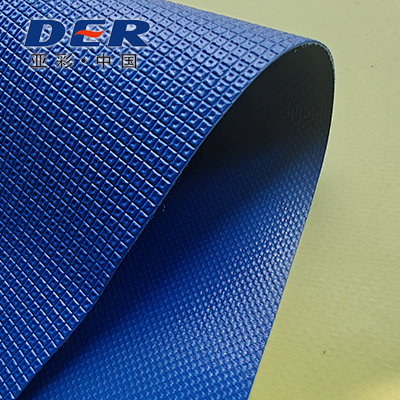
A railcar tarp is a removable or system-integrated textile cover used to shield specified freight or rail equipment from rain, grime, sunlight and other environmental exposure. Its suitability depends on the wagon or railcar type, the cargo, the support arrangement and approval of the complete installation.
In rail logistics, “rail car cover” can also mean a rigid fiberglass lid, a mechanical covering system, a storage wrap for idle rolling stock or a flexible sheet placed over cargo. These are different products with different lifting, fastening and protection requirements. DERFLEX's scope is coated-fabric materials, panels and fabricated flexible tarps; it does not imply manufacture of rigid composite railcar lids.
For an established flexible-tarp material program, see the existing DERFLEX railcar tarp manufacturing page. This page goes further into cover-system selection, retrofit compatibility and repeat procurement across rail fleets.
Specify the car, cargo, cover type, attachment system and route conditions before specifying GSM. A heavy fabric with an unapproved or poorly fitting fastening layout is not a usable rail cover.
For railcar cover sourcing, the product category matters as much as the fabric. Identify the intended covering system first to avoid requesting the wrong construction from a supplier.
Reusable waterproof-direction fabric cover made for a defined cargo envelope. Seams, drop, reinforced hems, wear patches and fastening details can be developed from the approved design.
A textile cover operating with third-party rails, bows, rollers, frames or tension systems. Motion, fold paths, pinch zones and attachment interfaces determine the fabric pattern.
Solid engineered covers commonly used with specialist lifting and clamping systems. Their structural, loading and maintenance criteria are fundamentally different from those of PVC tarp fabric.
Begin with the exposure and loading process, then choose a textile construction and identify the checks needed before commissioning a cover for use.
| Rail application | Fabric / cover direction | Priority design issue | Buyer must confirm |
|---|---|---|---|
| Selected open-top gondolas | Custom PVC coated polyester sheet or supported flexible cover. | Top-edge chafe, water runoff, tension paths and accessible removal. | Car profile, permitted attachments, cargo profile and line-clearance envelope. |
| Timber and fabricated cargo on suitable rail equipment | Reinforced waterproof-direction PVC panels with custom drops and protective pads. | Contact with sharp load edges, seam position and repeated loading cycles. | Independent cargo securement, approved cover envelope and handling plan. |
| Bulk mineral or dusty freight | Solid cover when water exclusion matters; mesh or other engineered solution when airflow is required. | Dust escape, abrasion, wind movement and compatibility with loading/unloading. | Dust-control objective, environmental rules, operator authorization and cover support. |
| Covered-system replacement fabric | Fabric and welded patterns matched to existing rails, bows or cover frames. | Fold fatigue, abrasion over supports and accurate interface dimensions. | OEM drawings, system model, movement path, hardware compatibility and warranty rules. |
| Stored / inactive rail equipment | Water-shedding protection or a purpose-made breathable system as appropriate. | Trapped condensation, corrosion, ventilation and access for inspection. | Storage duration, surface sensitivity, ventilation plan and removal before movement. |
Matrix provides sourcing questions, not engineering sign-off. Railcar classes and operators impose different constraints. Not every open-top railcar can safely or practically use a textile cover.
A high-tenacity polyester scrim helps carry tension while the PVC coating provides a weather barrier, cleanable surface and a fabrication route for wide welded panels.
For heavy rail applications, the existing DERFLEX railcar tarp product line gives approximately 650–900 gsm as a preliminary direction—not a universal specification. A lighter approved assembly may be easier to handle, while higher-wear conditions may justify heavier material or localized reinforcement.
Ask about the PVC tarpaulin material family and compare tensile and tear results in both fabric directions, coating adhesion, surface finish, cold flex and actual fabricated seam performance. Do not judge by GSM alone.
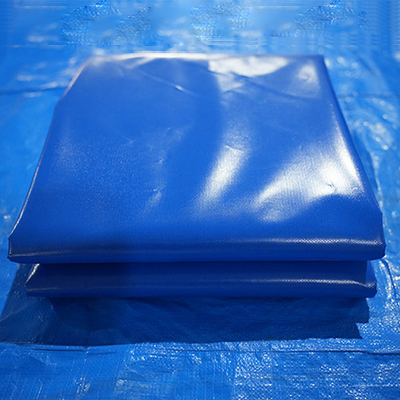
The railcar drawing, fastening method and clearance constraints determine whether a custom railcar cover is a feasible solution. The illustration below is a schematic for discussions with qualified rail equipment engineers, not an installation drawing.
Use the following fields to build a comparable quotation package. The values are published DERFLEX sourcing directions or made-to-order options, not an unqualified statement that every grade and configuration is stocked.
| Parameter | Project sourcing direction | Approval / purchasing check |
|---|---|---|
| Textile | PVC coated high-tenacity polyester fabric; optional custom construction. | Request the exact substrate, coating and material datasheet. |
| Material weight | Approximately 650–900 g/m² as the existing DERFLEX railcar tarp starting range. | Balance weight with cover area, lifting and handling, and required mechanical performance. |
| Scrim / weave | 1000D × 1000D / 18 × 18 appears in existing railcar product guidance; other constructions subject to review. | Confirm warp/weft tensile and tear values for the actual material grade. |
| Fabric width | Available according to grade and project production requirements. | Obtain usable width, seam allowance and a panel cutting layout. |
| Water protection | Water-barrier PVC construction; hot-air or RF/HF seam options when appropriate. | Agree fabric-water test, seam checks and finished-cover drainage. |
| Perimeter / contact | Webbing, rope-in-hem, double layers, sacrificial wear patches and reinforced corners as specified. | Provide detailed patch locations and attachment load paths on the drawing. |
| Fastening interfaces | Eyelets, D-rings, straps, buckles or approved system-specific interfaces. | Confirm material, centers, orientation and compatibility with operator-approved anchors. |
| Environment | UV, low-temperature flexibility, surface finish and optional functional treatment by project. | Name intended route climate, handling temperature, exposure and any required test standards. |
| Supply and marking | Rolls, cut panels, fabricated covers, custom color and OEM packing. | Confirm part codes, lot identification, fold/roll format, labeling and replacement version control. |
For general material-duty trade-offs beyond rail freight, DERFLEX also explains heavy-duty tarp construction and selection.
Review car-rail edges, dust objective, loading/unloading clearance and whether the proposed cover is compatible with the actual equipment. Solid PVC may serve water-exclusion goals; other structures may be appropriate for ventilation.
Protect moisture-sensitive loads from direct weather. Design corners, rub pads and side drops around the cargo geometry while keeping cargo restraint as a separate approved system.
Match the prior approved cover geometry, part number, attachment centers and expected duty cycle. A repeat-order specification reduces confusion across depots and distributors.
Need a broader description of railway cargo materials? Compare these use cases with DERFLEX's existing train tarpaulin cover range. This page concentrates on choosing and buying the appropriate cover configuration.
A one-off sample is only the starting point. Buyers should maintain controlled drawings and an agreed inspection plan so the next batch fits the same approved railcar group.
Receive railcar photographs, old-cover samples and an operator-reviewed fit and attachment drawing.
Select the material grade and establish mechanical, coating, cold-flex and joining checks appropriate to service.
Confirm the cut pattern, seam positions, local wear patches, hardware positions and finished tolerances.
Record approved reference sample, part/revision code, inspection points, packing, labeling and re-order details.
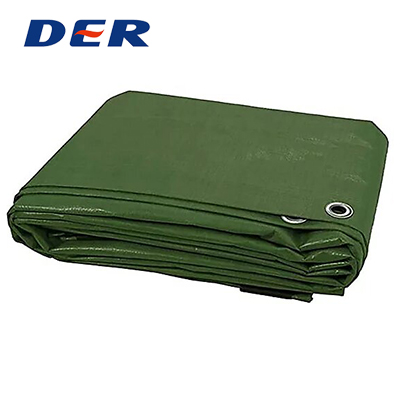
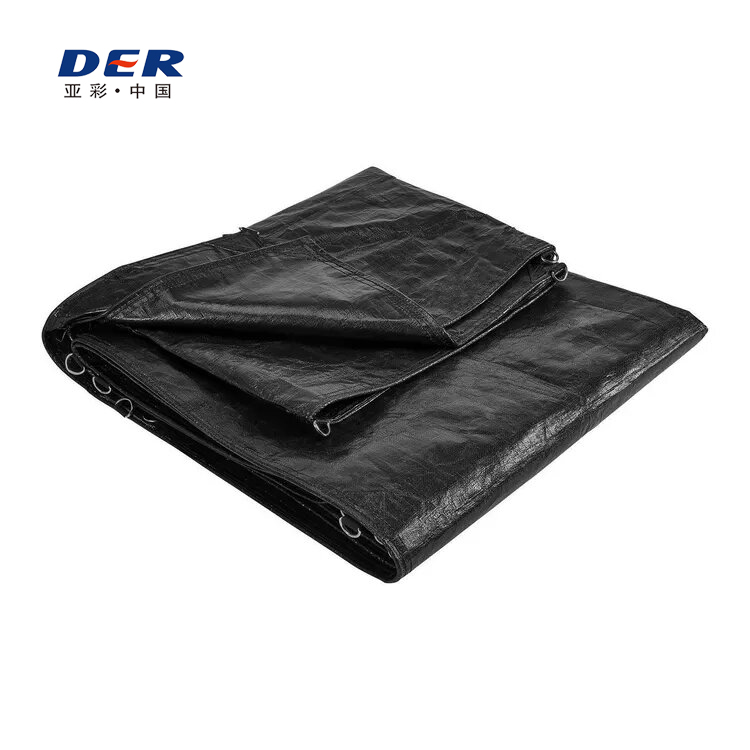
Your engineering team can work from these documented interfaces, while DERFLEX discusses coated textile conversion and joining options outlined in our custom tarpaulin fabrication guide.
The most costly problems often come from a mismatch between a good fabric and an incomplete railcar cover specification.
A clear RFQ enables material comparison, more accurate fabrication discussions and fewer sampling revisions.
If the project is a retrofit, include photographs of the existing cover fitted to the railcar, its part/revision number and the approved installation instructions if available.
Direct answers to the practical questions buyers ask before sourcing flexible railway cover materials or replacement tarps.
A railcar tarp is a flexible fabric cover made for specified rail freight or equipment protection applications. It may use coated textile panels, reinforced edges, sealed seams and attachments matched to the railcar, cargo and approved operating conditions.
No. Rail car covers may be flexible tarpaulins, engineered retractable systems or rigid composite lids. DERFLEX focuses on coated-fabric materials and custom flexible cover components, not rigid fiberglass railcar lids.
DERFLEX's existing railcar tarp range discusses approximately 650–900 gsm as a heavy-duty sourcing direction. The correct weight depends on finished cover area, handling, base-fabric strength, abrasion, seams and attachments; confirm the selected grade from a datasheet and sample.
PVC coated fabric can form the waterproof body of a cover, but complete weather protection depends on seams, drainage, overlap, openings, tension and how the installed cover fits around cargo and hardware.
DERFLEX can discuss drawings, existing samples and project-specific fabric, panel, reinforcement, fastening and packing requirements. An approved operator-specific design and sample should be confirmed before production.
Material supply does not by itself establish railroad approval. A railcar owner or operator must assess the complete installation, clearance envelope, fastening, cargo securement, loading process, route and applicable rules before use in service.
Share the railcar series or model, exact dimensions and drawing, cargo, permitted attachment locations, weather exposure, service frequency, target material and tests, quantity, sample requirements, packing and destination.
Submit the railcar and cargo requirements, cover dimensions, approved fastening method and quantities. DERFLEX can review a suitable PVC coated textile direction for your custom or replacement cover program.