


Glamping Tents for Luxury Resorts, Safari Camps, Eco Lodges, and Custom Hospitality Projects
DERFLEX supplies glamping tents for buyers who need more than a decorative outdoor shelter. We support resort developers, hospitality investors, safari camp operators, tourism planners, tent brands, and OEM procurement teams looking for a more reliable path to luxury glamping tents, safari glamping tents, and semi-permanent resort structures that combine guest comfort, architectural presence, weather protection, and commercially realistic delivery.
Whether the project involves a destination eco resort, a mountain-view luxury camp, a beachfront tented suite program, a forest retreat, or a private-label glamping tent manufacturer requirement, buyers usually care about the same fundamentals: durable material systems, custom development, stable lead time, long-term outdoor performance, aesthetic consistency, and a supplier that understands that glamping is not just camping upgraded with nicer furniture. It is a hospitality product that has to perform operationally, visually, and commercially.
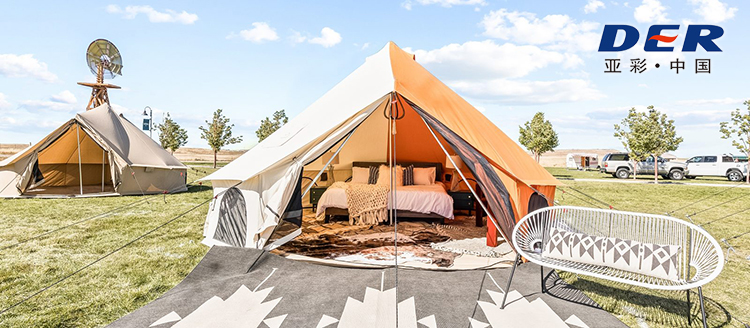
What Are Glamping Tents?
Glamping tents are hospitality-oriented tent structures designed to deliver a premium accommodation experience that combines the emotional appeal of outdoor living with the comfort expectations of modern resort guests.
At a basic level, glamping tents are accommodation structures that sit between traditional camping equipment and permanent buildings. In practical commercial use, however, they are much more than upgraded tents. They serve as revenue-generating hospitality units, visual brand assets, and guest-experience environments. A successful glamping tent supplier therefore does not think only about shelter. The supplier must think about how the tent performs as a room, how it photographs as a destination product, how it behaves through weather cycles, how it integrates with resort operations, and how it supports the financial model of the project over time.
This difference matters because the keyword glamping tents covers a wide range of products. Some buyers are looking for luxury safari tents for large resort suites. Others want eco resort tents for scenic mountain or forest sites. Some need custom glamping tents for a premium brand rollout. Others are exploring dome glamping tents, lodge-style canvas structures, or hybrid membrane units for semi-permanent tourism development. On the surface, these all sit inside the same category. In reality, they can differ significantly in structural logic, membrane direction, weather behavior, fire-related options, interior planning, transport requirements, and cost structure.
For serious commercial buyers, a glamping tent has to solve four problems at once. First, it has to create the right guest impression. That includes silhouette, transparency, finish quality, light balance, texture, and overall perceived value. Second, it has to work operationally. Resort teams need spaces that can be cleaned, maintained, ventilated, furnished, and serviced without constant material frustration. Third, it has to survive real outdoor conditions. UV, humidity, wind, rain, dust, salt air, seasonal temperature shifts, and daily use all affect long-term performance. Fourth, it has to fit the project’s financial logic. A tent that looks beautiful but fails too quickly, arrives inconsistently, or creates avoidable maintenance burden can weaken the business case even if it looks attractive in a brochure.
This is why many hospitality buyers prefer working with a glamping tent manufacturer or a tent-system supplier capable of specification-based development. The project may require waterproof membrane behavior, UV stability, cleanable surfaces, flame-retardant options, dimensional consistency, interior liner direction, removable wall logic, shading strategy, or connection details that a generic stock shelter is not built to solve. Buyers may also need control over size, color, accessories, door and window logic, packaging, or branding. In those situations, factory capability matters more than catalog variety.
Glamping demand is also strongly linked to location. A tent for a beachfront resort does not face the same exposure pattern as a safari camp, a snowy mountain retreat, a hot-desert lodge, or a rainy forest getaway. Climate, terrain, guest positioning, local regulations, maintenance expectations, and project duration all influence what counts as the “right” glamping tent. Some projects prioritize airy openness and dramatic views. Others need stronger weather sealing and thermal management. Some are highly architectural and image-driven. Others focus on durability, fast deployment, and scalable accommodation capacity. A good supplier helps the buyer interpret these priorities before production starts.
From DERFLEX’s perspective, a glamping tent is best understood as a structured outdoor hospitality solution. That means combining proven membrane and tent-material logic with project planning, OEM/custom support, quality alignment, and commercial realism. DERFLEX already positions itself as a tent manufacturer and PVC tent fabric supplier with more than 20 years of experience in tent material manufacturing for global markets, and the company’s broader portfolio also includes tent fabrics, fire-retardant tent textiles, architectural membrane materials, and related semi-permanent outdoor structure directions. That background is relevant because premium glamping projects often sit at the intersection of tents, membrane structures, and hospitality product design rather than inside one narrow product label.
When buyers search for terms such as glamping tents supplier, glamping tent manufacturer, luxury camping tents, safari lodge tents, custom glamping tent factory, or resort tent structures, they are typically trying to compare not just price but also project fit, long-term reliability, aesthetic value, material direction, and supply confidence. That is exactly why a higher-level page is useful. The best buying decision is rarely the cheapest shell. It is the tent solution that best matches the operator’s location, business model, guest standard, and delivery expectations.
Planning a glamping resort, safari camp, or eco lodge project?
Tell us the location, climate, target tent size, quantity, and guest positioning. DERFLEX can help narrow a more practical glamping tent direction for OEM development, resort rollout, or custom project supply.
Key Features Buyers Expect from a Competitive Glamping Tent Supplier
Premium outdoor accommodation depends on more than visual style. Strong glamping tents combine structural clarity, guest comfort, weather reliability, and commercially usable specification logic.
1. Premium Hospitality Appearance
In glamping, the structure itself is part of the product being sold to the guest. The tent must look refined enough to justify premium nightly rates, branded marketing, and destination appeal. Buyers therefore care about the visual line of the structure, membrane cleanliness, surface texture, transparency or translucency balance, roof proportion, entrance detailing, and how the tent sits within the landscape. A generic shelter may be weatherproof, but it may still fail to communicate the upscale positioning that a hospitality investor needs.
That is why many developers search for luxury glamping tents or safari glamping tents rather than ordinary camping structures. They want accommodation that feels intentional, curated, and commercially credible. Good design supports booking confidence, project photography, social-media visibility, and the broader sense that the resort experience has real value.
2. Waterproof and Weather-Resistant Performance
A tent that photographs beautifully but fails in rain, humidity, or repeated seasonal use becomes a liability. Professional glamping buyers therefore pay close attention to waterproof behavior, seam integrity, drainage logic, material stability, and protection against UV, mildew, and general weathering. The envelope does not only protect furniture. It protects guest satisfaction, operational continuity, and the project’s reputation.
DERFLEX’s current tent-material positioning emphasizes waterproof, UV-resistant, and flame-retardant OEM tent material directions, which are highly relevant for glamping use where exposure and service expectations are higher than standard temporary camping. A reliable glamping tents manufacturer should be able to discuss these factors clearly before the order is confirmed.
3. Comfort-Oriented Structural Logic
Guests do not evaluate a glamping tent as engineers. They evaluate it through comfort: headroom, airflow, light quality, temperature feel, acoustics, privacy, entry movement, and how the structure supports the interior layout. Yet all of these guest impressions are influenced by technical decisions. Roof shape changes heat behavior. Window placement affects ventilation and view quality. Membrane choice affects daylight diffusion. Structural rhythm affects usable furniture zones.
For this reason, buyers looking for resort glamping tents or glamping lodge tents should evaluate the tent as an accommodation system, not as a shell. The best supplier helps the buyer connect engineering logic to operational comfort and guest perception.
4. Custom Layout and OEM Flexibility
Very few commercial glamping projects fit a single stock size. Hospitality brands may want larger suite-style layouts, different façade expressions, integrated bathroom zones, custom doors and windows, or region-specific features. Distributors and tent brands may also want their own packaging logic, finishes, accessory mix, or private-label presentation. As a result, OEM and custom capability are central buying factors.
This is where a serious glamping tent supplier gains value. It should be able to discuss custom dimensions, layout logic, material direction, openings, accessories, lining strategy, color systems, and project-oriented development rather than simply offering a static model list.
5. Fire-Related Options and Compliance Discussion
Many commercial accommodation projects require a more careful approach to flame-retardant performance and documentation. DERFLEX’s existing fire-retardant event tent textile page already highlights B1, B2, M1, M2, NFPA 701, and EN 13501 performance pathways for tent fabrics, which shows that the company’s broader tent-material capability can support conversations around safety-critical outdoor structures as well. In glamping, this matters because hospitality projects often face stricter review than temporary private camping products.
A capable supplier should therefore be ready to discuss which performance options are available, what kind of project documentation may be needed, and how material direction aligns with local or project-specific standards.
6. Stable Quality for Repeat Projects
Glamping expansion often happens in phases. A developer may launch a first site and then add units later. A resort operator may open one camp and plan a second location. A distributor may build a glamping product line over multiple orders. In each case, stable repeat-order quality matters. Inconsistent color, finish, fit, or material feel can weaken the brand experience and make future planning harder.
Buyers should therefore look for a supplier that treats batch consistency, specification control, and order documentation as part of the product value, not as secondary concerns. The goal is not only to receive one acceptable tent. The goal is to build a repeatable accommodation system.
7. Lead-Time Planning for Commercial Rollout
Hospitality projects are schedule-sensitive. Launch dates, marketing campaigns, site preparation, furnishing programs, and seasonal opening windows all depend on predictable supply. A late glamping tent shipment can delay revenue and increase project friction. That is why lead time should be discussed early and realistically.
For OEM buyers, resort developers, and tourism contractors, the right glamping tent manufacturer is the one that can align production, quality review, and commercial communication with actual project sequencing instead of treating delivery as an afterthought.
8. Brand-Ready Presentation and Commercial Value
Many glamping projects do not sell “tents.” They sell exclusivity, nature, comfort, romance, wellness, or destination identity. The physical structure therefore needs to support a premium commercial story. Clean edges, refined material appearance, better detailing, and stronger category positioning can all help the operator market the final accommodation more effectively.
This is why a higher-value glamping tent can outperform a cheaper alternative over time. Better product alignment often reduces maintenance frustration, improves perceived room quality, strengthens brand presentation, and supports the operator’s pricing confidence.
Technical Specifications and Build Variables for Glamping Tent Projects
There is no single universal specification for every glamping tent. The right structure depends on location, wind and rain exposure, intended service level, architectural style, and the project’s operational goals.
| Item | Typical Direction / Option | Why It Matters |
|---|---|---|
| Outer Membrane | PVC coated polyester, engineered tent fabric, structural outdoor membrane | Controls waterproofing, UV resistance, cleanability, durability, and overall outdoor behavior. |
| Support System | Steel, aluminum, wood, or hybrid support structures | Affects span capability, visual language, installation logic, structural confidence, and transport planning. |
| Fire-Related Direction | B1, B2, M1, M2, NFPA 701, EN 13501 pathways depending on project need | Important for hospitality, commercial, and project-based use where safety requirements are part of procurement review. |
| Surface Finish | Standard coated surface, easy-clean options, project-specific finish routes | Influences maintenance, appearance, stain resistance, and long-term visual quality. |
| Color / Aesthetic Direction | Natural tones, branded color systems, custom exterior or interior harmony | Supports resort positioning, landscape fit, brand recognition, and photography value. |
| Openings | Windows, panoramic views, screened sections, doors, ventilation panels | Shapes guest comfort, natural light, airflow, privacy, and view quality. |
| Insulation / Interior Layer | Optional interior liners, insulation logic, multi-layer comfort direction | Helps optimize guest comfort and operational suitability under different climates. |
| Layout | Bedroom-only, suite-style, family tent, lounge module, bath-compatible arrangement | Determines revenue model, target guest type, furnishing plan, and space efficiency. |
| Customization | Size, façade style, branding, accessories, platform interface, packaging | Critical for OEM programs, private-label supply, and destination-specific development. |
| Project Support | Specification review, documentation discussion, batch consistency, lead-time planning | Helps buyers manage larger resort or distribution programs with less risk and clearer procurement control. |
How Buyers Should Read These Specifications
The most common buying mistake in glamping tents sourcing is to compare only shape and price. In luxury camping and resort development, the technical variables matter because they influence guest satisfaction, maintenance workload, brand value, and service life. A large tent with attractive renderings may still be commercially weak if the membrane is hard to maintain, the weather behavior is poorly matched to the site, or the layout does not support the operating model.
Material selection is particularly important. A buyer comparing waterproof glamping tents may assume that any outdoor membrane is sufficient. In practice, the choice must account for rain behavior, UV exposure, cleanability, fire-performance direction, aesthetic expectations, and local climate. Similarly, structural support should not be judged only by appearance. The support system influences installation rhythm, stability, transport practicality, and the overall character of the final guest unit.
Customization should also be discussed early. A project may require panoramic openings, front-deck integration, distinctive door geometry, upgraded façade styling, or a more premium resort-facing presentation. These are not minor cosmetic items. They shape the perceived value of the accommodation. For many hospitality buyers, the difference between a standard shelter and a premium glamping suite lies in exactly these details.
For DERFLEX, specification review is not a technical exercise separate from commercial outcome. It is a way to help buyers confirm a more workable tent route before material and production decisions lock in. That supports stronger quotations, clearer project planning, better lead-time discussion, and more reliable long-term results.
Custom Size
Tailored to site plan, suite positioning, and accommodation targets.
OEM Ready
Suitable for brand rollout, private-label projects, and distributor development.
Quality Focus
Specification-first control helps reduce mismatch and complaint risk.
Commercial Fit
Developed for resort operation, not only for visual presentation.
Need a specification-led glamping tent quotation?
Share your climate, site concept, preferred appearance, fire-performance direction, and target quantity. We can help compare a more suitable material and structure route for your project.
Applications: Where Glamping Tent Performance Really Matters
Glamping tents are used across multiple hospitality formats, but each application places different demands on materials, layout logic, aesthetics, and operational durability.
Luxury Eco Resorts
Luxury eco resorts often position the tent as a signature accommodation type rather than a budget alternative. The tent must feel premium, calm, and architecturally considered while still aligning with the environmental story of the resort. Buyers in this segment usually care about façade elegance, natural color harmony, view framing, privacy, and guest comfort as much as about technical weather performance.
For this reason, eco resort tents and resort glamping tents typically require stronger specification control than simpler tourism shelters. The tent needs to function beautifully in marketing and reliably in operation.
Safari Camps and Wildlife Lodges
Safari glamping tents and lodge-style accommodation often require a careful balance between ruggedness and hospitality refinement. The structure may face strong sun, dust, sudden rain, or remote-site operational constraints, while still being expected to deliver a premium guest impression. In these conditions, durability, ventilation, easy maintenance, and stable finishing details become especially important.
Buyers in safari-focused projects usually need a supplier that understands that the tent is part of the destination identity and part of the operator’s maintenance workflow at the same time.
Beachfront and Island Hospitality
Beach and island glamping projects place unique stress on structures. Salt air, UV intensity, wind exposure, sand, and hospitality-focused appearance requirements all affect the final specification. Here, the right glamping tent material is not just about basic waterproofing. It must also support surface stability, easier maintenance, cleaner presentation, and enough structural confidence to perform in an exposed setting.
Because the environment is highly visual, resort buyers also tend to care about how the tent photographs against water, sky, and landscape. Premium visual control is therefore a real commercial consideration.
Mountain and Forest Retreats
Mountain-view camps, wooded retreats, and seasonal landscape lodges often need tents that feel warm, atmospheric, and protected. These projects may face more dramatic temperature changes, moisture, and environmental variation than a simple brochure image suggests. Layout planning, lining options, ventilation, and structural detailing all influence whether the accommodation feels premium or merely temporary.
For operators in this segment, the best custom glamping tents are those that match not only the landscape but also the practical rhythm of cleaning, maintenance, and guest turnover.
Destination Wellness and Boutique Hospitality
Wellness-oriented glamping projects often position the tent as a sanctuary: quiet, private, light-filled, and intentionally minimal. These properties may use glamping structures for spa suites, meditation retreats, couple getaways, or curated wellness experiences. In such environments, material tactility, daylight softness, and the quality of enclosure matter as much as structural metrics.
Buyers here benefit from a supplier that can translate emotional design goals into more practical membrane and layout decisions without overcomplicating the production process.
OEM and Branded Camp Rollouts
Some buyers are not building one resort. They are building a glamping product line, a regional branded camp model, or a distributor offering. These cases require repeatability, batch control, documentation clarity, and often a higher level of OEM support. The tent has to be reproducible without losing quality or visual consistency.
For these customers, a reliable glamping tent factory is not simply a source of products. It is part of the brand system behind future growth.
Application Fit Matters More Than Category Labels
The words glamping tents, luxury camping tents, and safari lodge tents can sound clear, but they are still broad labels. The real questions are more practical: How exposed is the site? What comfort level is promised to guests? Is the project seasonal or longer term? Does the operator need faster cleaning? Is the tent central to the brand image? Will the order be repeated later? A supplier that can answer these questions with material and structure logic is more useful than one that offers only attractive model names.
Why Choose DERFLEX as Your Glamping Tents Supplier
For hospitality buyers, the best supplier is not always the one with the lowest opening quotation. It is the one that helps build a better project outcome, stronger guest product, and more stable long-term procurement relationship.
Tent and Membrane Manufacturing Background
DERFLEX already presents itself as a professional tent manufacturer and PVC tent fabric supplier with more than 20 years of experience in high-performance tent materials. That matters for glamping because many luxury camp projects depend on the right interaction between membrane logic, structure, finish, and commercial project support rather than on one generic shelter format.
Waterproof, UV-Resistant, and Flame-Retardant Direction
DERFLEX’s current tent-material positioning includes waterproof, UV-resistant, and flame-retardant pathways for tent projects. The company also publishes a dedicated fire-retardant event tent fabric page covering standards such as B1, B2, M1, M2, NFPA 701, and EN 13501, which supports more serious conversations about safety and compliance direction for hospitality structures.
OEM / Custom Capability
DERFLEX’s site repeatedly emphasizes custom OEM tent materials and project-specific development. For glamping buyers, that translates into more useful conversations around size, membrane route, façade style, openings, branding, packaging, and project customization instead of a purely stock-based approach.
Broader Project Context
The company’s live portfolio extends beyond basic tent fabric to tensile architecture materials, architectural membranes, retractable tent systems, and related outdoor structure directions. That wider background is useful when a glamping project needs a more architectural, semi-permanent, or premium outdoor accommodation solution.
Quality and Repeat-Order Focus
For resort developers and camp brands, repeatability is a real business need. DERFLEX’s material-driven approach helps support specification control, cleaner batch consistency, and a more stable basis for reorder and expansion programs.
Commercially Practical Communication
Luxury accommodation projects still need realistic manufacturing and delivery logic. DERFLEX’s current product pages consistently position the company around project-oriented support, lead-time planning, and factory-direct supply, which fits the way serious B2B glamping buyers usually purchase.
What This Means for Buyers
When professional buyers search for a glamping tent supplier or glamping tent manufacturer, they are often trying to reduce risk as much as they are trying to source product. They want to reduce the risk of aesthetic disappointment, weather mismatch, poor service life, inconsistent future batches, unclear fire-performance direction, and unreliable lead times. A supplier with the right tent and membrane background can help reduce those risks by asking better questions earlier and turning the answers into a more structured project proposal.
DERFLEX is especially relevant for buyers who care about OEM/custom development, broader membrane-material thinking, and a more premium commercial path rather than purely low-end shelter buying. That makes the company a practical fit for glamping brands, resort developers, safari operators, distributors, and destination hospitality projects that need a more serious structure and material conversation.
Need OEM or custom glamping tent development?
From luxury safari tents to resort suites and branded camp programs, DERFLEX can help compare a more practical specification route for your quantity, market positioning, and delivery schedule.
Comparison: Glamping Tents vs. Other Hospitality and Outdoor Structure Options
Buyers often compare glamping tents with other accommodation or shelter categories. The best answer depends on the target guest experience, site conditions, project budget, and operational model.
| Option | Main Strengths | Main Limits | Best Fit |
|---|---|---|---|
| Professional Glamping Tents | Strong experience value, faster deployment logic than many permanent buildings, premium outdoor identity, custom design flexibility, strong marketing appeal. | Requires smart material and structure matching to climate, operations, and guest expectations. | Luxury camps, eco resorts, safari lodges, destination stays, wellness retreats, phased hospitality expansion. |
| Traditional Small Camping Tents | Low cost, portable, simple recreational use. | Usually not suitable for premium hospitality standards, long-term use, or commercial accommodation expectations. | Private leisure camping rather than upscale resort or branded guest accommodation. |
| Canvas-Only Bell Tent Style | May involve more maintenance tradeoffs and can be less suited to some demanding commercial environments depending on specification. | Lifestyle-focused camps and boutique concepts where natural visual tone is the priority. | |
| Permanent Cabin or Small Building | Strong enclosure, conventional building feel, often familiar to guests and investors. | Higher construction complexity, less “immersive outdoor” appeal, slower rollout in many cases. | Projects prioritizing rigid structure over the distinctive experience value of luxury tent accommodation. |
| Generic Event Tent | Fast temporary coverage, familiar commercial shelter format. | Usually not refined enough in layout, comfort, or aesthetic language for high-end overnight hospitality use. | Events, short-term functions, or temporary coverage rather than premium resort accommodation. |
Why Many Hospitality Buyers Prefer Glamping Tents
The commercial strength of glamping tents lies in their ability to combine emotional appeal with operational practicality. They can create a distinctive destination story, support premium pricing, and offer faster visual impact than many conventional hospitality formats. For buyers, however, the category only works when the structure is developed with sufficient quality and project logic. That is why the role of a capable glamping tents supplier matters so much. The supplier helps turn a lifestyle concept into a durable accommodation product.
Material Comparison: PVC, Canvas, and Other Routes
Material comparison is especially relevant. DERFLEX already publishes content comparing canvas, vinyl, and PVC tarpaulin categories more broadly, and its tent portfolio strongly emphasizes PVC coated fabrics, waterproof performance, UV resistance, fire-retardant direction, and engineering practicality. For glamping, the “best” material is not universal. Buyers must compare appearance, weather performance, cleaning logic, fire-related needs, guest feel, and long-term operational behavior. In some projects, natural visual softness may matter most. In others, durability, cleanability, and repeatable commercial control may be the stronger priority.
Case Study: Building a More Premium and More Dependable Glamping Tent Program for a Scenic Resort Rollout
The following example reflects a common B2B glamping sourcing pattern and shows how better specification control can improve both project presentation and long-term commercial value.
A destination resort developer was planning a first-phase launch of premium glamping units in a scenic outdoor setting where photography value and guest experience were central to the business model. The initial concept was visually strong, but the sourcing process was fragmented. Different suppliers were being considered for structure, membrane, and finishing details, and there was concern that the final tents would look inconsistent, behave unpredictably in local weather, and create avoidable maintenance burden after opening.
The buyer’s first instinct was to compare only tent shape, unit cost, and headline material thickness. After a more structured review, the decision criteria changed. The real questions became more practical: Which material route would hold its appearance more cleanly? Which finish would better support maintenance? How should the openings be arranged to balance views, privacy, and weather protection? Which safety-related options should be reviewed early? Could the site eventually add more tents without obvious aesthetic variation between batches? And how could the supplier support lead-time planning so the launch would not slip into the wrong season?
A revised glamping tent direction focused on a more coherent envelope specification, clearer façade and opening logic, and better alignment between the tent’s visual promise and its operational use. Instead of buying a glamorous shell first and solving the rest later, the project team treated the accommodation unit as a complete product. Material appearance, weather resistance, customization, documentation needs, and future phase expansion were discussed together. This led to a stronger quotation basis and a better decision framework for the resort.
The biggest improvement was not only technical. It was commercial clarity. The operator could market the tents more confidently because the product felt more intentional and more premium. The maintenance team had a more realistic basis for planning operations. The investor had stronger confidence that future units could be added with less uncertainty. This is the kind of value a strong glamping tent manufacturer relationship can create. It reduces friction across development, delivery, operation, and expansion instead of simply supplying a one-time shell.
Want a glamping tent solution that supports bookings and operations?
DERFLEX can help you compare material direction, customization level, and project-fit structure for luxury camping, safari, resort, and hospitality tent programs.
Frequently Asked Questions About Glamping Tents
These are some of the most common questions buyers ask when evaluating glamping tent suppliers for resorts, camps, OEM projects, and destination hospitality development.
What are glamping tents usually made of?
Professional glamping tents are often built from engineered outdoor membrane systems such as PVC coated polyester, canvas-based structures, or other technical tent fabrics combined with steel, aluminum, wood, or hybrid support systems. The best route depends on climate, desired appearance, service-life expectations, fire-related requirements, maintenance preferences, and project budget.
Are glamping tents suitable for long-term outdoor hospitality use?
They can be, provided the material and structural direction are matched correctly to the environment. Long-term suitability depends on UV exposure, rain behavior, ventilation, maintenance plan, wind conditions, site drainage, and the quality of the selected membrane and frame system.
Can DERFLEX support custom glamping tent development?
Yes. DERFLEX can discuss custom dimensions, façade style, openings, material direction, fire-performance pathways, accessory needs, OEM branding, and project-specific development according to the hospitality concept and site conditions.
What information helps speed up quotation and recommendation?
The most useful details include project location, climate, target use case, expected size, quantity, preferred appearance, structural preference, timeline, and any specific needs related to safety standards, insulation, or private-label development.
How do buyers choose between canvas, PVC, and other glamping tent materials?
They should compare waterproofing, UV resistance, maintenance behavior, fire-related options, aesthetic feel, cleanability, and fabrication practicality. The right material depends on the commercial purpose of the tent and the environment in which it will operate, not on one label alone.
Are OEM and private-label glamping tent programs possible?
Yes. OEM projects can include custom sizes, layout logic, branding, accessory coordination, packaging strategy, and project-specific positioning for distributors, developers, resort brands, or hospitality procurement teams.
Why is lead-time planning important in glamping projects?
Because camp launches, resort marketing schedules, seasonal openings, site-preparation windows, and guest-booking targets all depend on predictable delivery. Strong lead-time planning helps reduce revenue delays and project friction.
What makes a glamping tent more commercially valuable than a cheaper alternative?
A better glamping tent can support stronger perceived room value, lower maintenance frustration, cleaner brand presentation, better guest comfort, and more confident future expansion. In hospitality, long-term commercial fit often matters more than the cheapest starting price.
Related DERFLEX Pages
The following internal links are closely related to glamping tents, tent materials, membrane structures, and project-oriented outdoor hospitality development.
Suggested URL
/glamping-tents.html
This page is built as a standalone HTML block with prefixed styles to reduce the chance of conflicting with existing site CSS when uploaded into the DERFLEX backend.
Ready to discuss your glamping tent project?
Whether you need luxury glamping tents, safari glamping tents, custom resort tent structures, or OEM/private-label support, DERFLEX is ready to review your requirement and quotation direction.