Roll Tarp Fabric
PVC coated polyester roll material for converters that fabricate grain cart covers locally. Confirm target weight, roll width, weldability, surface finish, color and required outdoor performance.



DERFLEX supplies grain cart tarp fabric and custom replacement roll covers for farm grain carts, grain wagons, agricultural equipment dealers and repeat OEM / aftermarket programs. Specify the finished dimensions, roll-tube and fixed-side pockets, bow locations, reinforcement zones, color, material direction and packaging around the actual tarp system instead of ordering from nominal cart size alone.
For waterproof grain protection, PVC coated polyester / vinyl tarp constructions can be developed for repeated side rolling, outdoor UV exposure, field dust, moisture and seasonal harvest use.
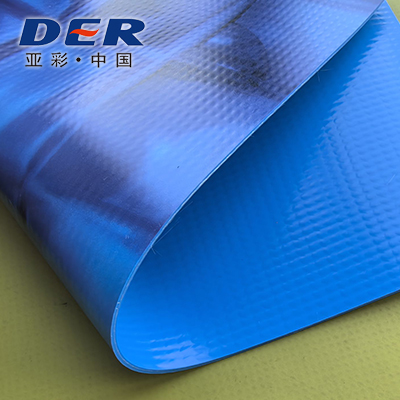
A grain cart tarp is a fitted flexible cover used over the open top of a farm grain cart or grain wagon. Most modern systems roll from one side to the other so the operator can open the cart for field loading and close it quickly to protect grain from rain, debris and outdoor exposure.
For a grain cart replacement tarp, the critical specification is not only length and width. The cover must also match the existing roll tube, stationary-side attachment, overlap, bow support layout, tension direction and manual or electric drive. That is why tape measurements, photos and system details are more reliable than ordering by cart model name alone.
Grain cart buyers do not all need the same supply mode. DERFLEX can discuss the coated fabric, conversion details and repeat specification needed for a particular purchasing model.
PVC coated polyester roll material for converters that fabricate grain cart covers locally. Confirm target weight, roll width, weldability, surface finish, color and required outdoor performance.
Custom grain cart replacement tarps can be specified by finished dimensions, tube pockets, edge construction, measured bow wear zones and the existing side-roll system.
Agricultural dealers and aftermarket suppliers can define repeatable patterns by cart family, finished size and roll-system detail, with labels, color coding and packaging for easier inventory control.
Ounce weight is useful, but it should be treated as one part of the system. Roll effort, bow abrasion, climate, reinforcement and frequency of opening matter as well.
| Decision Item | Approx. 18 oz Direction | Approx. 22 oz Direction | What the Buyer Should Check |
|---|---|---|---|
| Typical use direction | Standard seasonal replacement, easier manual handling and frequent opening. | Higher-wear or premium replacement direction where additional body weight is acceptable. | Cycle frequency, abrasion points, downtime cost and existing tarp-system capacity. |
| Approx. metric reference | About 610 gsm market direction. | About 750 gsm market direction. | Final DERFLEX base fabric and coating build must be confirmed for the project. |
| Manual rolling | Lower cover mass can reduce crank effort. | Heavier feel may require more operator effort. | Cart width, tarp span, tube size, tension and crank geometry. |
| Electric rolling | Can suit systems where controlled weight is important. | Possible where the drive is sized for the cover and geometry. | Motor / drive system specification and finished tarp dimensions. |
| Wear strategy | Use targeted bow-contact reinforcement rather than assuming heavier material alone solves abrasion. | Measure each bow center and identify actual rub zones. | |
| Water protection | Use a solid PVC coated / vinyl body and controlled welded construction where waterproofing is required. | Seams, pockets, overlap, edges and installation also affect the finished cover system. | |
These are purchasing directions, not universal grades. Ounce weight can describe different constructions from different suppliers. Compare base fabric, coating, finished thickness, weldability and reinforcement before approving a replacement program.
If a parameter is not already controlled by an approved sample or drawing, define it before bulk production.
| Specification Item | DERFLEX Supply Direction | Procurement Purpose |
|---|---|---|
| Material family | PVC coated polyester / vinyl tarp direction for waterproof agricultural roll covers. | Provides a reinforced textile core with a weather-resistant coated surface. |
| Weight / construction | Project-selected. Common replacement references around 18 oz and 22 oz can be discussed. | Balances handling, roll-system load, wear resistance and commercial target. |
| Finished tarp length | Custom to measured existing tarp, drawing or verified system dimension. | Prevents ordering errors caused by nominal cart length. |
| Finished tarp width | Custom width including required overlap and pocket construction. | Controls coverage, latch engagement and roll position. |
| Roll-tube pocket | Project-defined pocket size, attachment and straightness requirement. | Supports predictable rolling without excessive binding or slack. |
| Stationary-side detail | Pocket, hem, webbing or project-defined fixed-edge construction. | Transfers repeated tarp tension into the fixed side of the cart. |
| Bow reinforcement | Wear strips / patches placed from measured bow centers where required. | Targets repeated rubbing instead of adding unnecessary weight to the full cover. |
| Color / surface | Available according to project requirements and material program. | Supports dealer assortment, branding, heat management and market preference. |
| Branding / packing | Logo, labels, model identification and private packing can be discussed for OEM programs. | Improves repeat-order control for distributors and aftermarket lines. |
The right supply format depends on who controls fabrication, pattern accuracy and aftermarket inventory.
Accurate physical measurements are the best starting point for a grain cart replacement tarp. If the old tarp is damaged or stretched, check the cart opening and hardware geometry as well.
The body fabric is only one part of service life. Many replacement problems begin at repeat-contact, high-flex or load-transfer zones.
Repeated rolling can rub the same locations on every cycle. Map reinforcement to the actual bows instead of applying generic patches.
A pocket that varies in flat size or wanders along the edge can contribute to uneven rolling and cover tracking.
The fixed edge carries repeated tension when the tarp is closed. Reinforcement should follow the system attachment method.
Unsupported edge zones can move in wind. Hem design, end-cap fit and tension should be reviewed for the actual cart geometry.
Where possible, avoid concentrating panel seams at high-flex bow contact or pocket-transition locations.
A heavier tarp can increase roll effort. Upgrade wear zones and construction intelligently instead of selecting weight alone.
A dealer stock line, a seasonal farm replacement and a high-cycle electric tarp program do not need identical priorities.
| Application | Tarp Direction | Key Details | Why It Matters |
|---|---|---|---|
| Seasonal farm grain cart | Manageable waterproof roll tarp construction. | Accurate pockets, controlled overlap, bow wear strips where needed. | Keeps daily harvest operation practical without adding unnecessary cover mass. |
| High-cycle custom harvesting | Higher-wear construction with targeted reinforcement. | Bow map, pocket durability, front/rear edge control and repeatable pattern. | Frequent opening and closing can make localized wear more important than nominal ounce weight. |
| Electric side-roll system | Dimensionally controlled cover matched to drive system. | Finished width, tube pocket, cover weight and roll alignment. | System geometry affects tracking and motor load. |
| Manual crank system | Flexible cover with controlled weight. | Straight roll pocket, smooth rolling surface and suitable tension. | Operator effort matters every time the cart is opened or covered. |
| Dealer aftermarket program | Defined size series with repeatable patterns. | Model identification, color, labels and consistent packing. | Reduces fulfillment errors and simplifies seasonal inventory. |
| Fabricator roll-goods supply | PVC coated polyester roll tarp fabric. | Width, GSM/oz direction, weldability, color and batch consistency. | Allows local conversion into multiple cart and wagon patterns. |
For dealers, distributors and OEM buyers, the goal is not simply to make one tarp fit once. The goal is to store a controlled pattern that can be reordered accurately.
Cart / wagon type, system style, brand/model reference, use frequency and climate.
Finished length and width, tube details, overlap, bow centers and fixed-side geometry.
Choose the coated fabric construction, weight direction, color, finish and performance needs.
Review drawing, sample or first article, including reinforcement and pocket construction.
Store size/model identifiers, labels and packaging rules for dealer or seasonal replenishment.
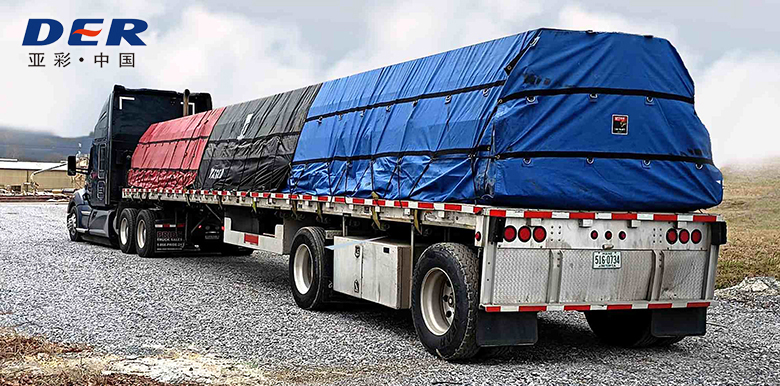
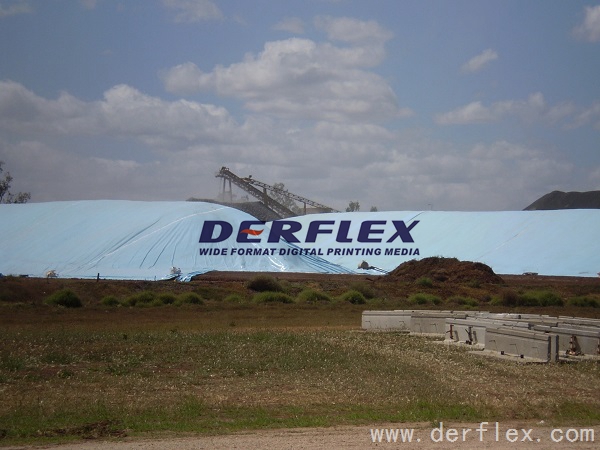
These are existing DERFLEX website assets. They show the coated material, transport-cover construction and agricultural waterproof-cover context relevant to a grain cart tarp program.
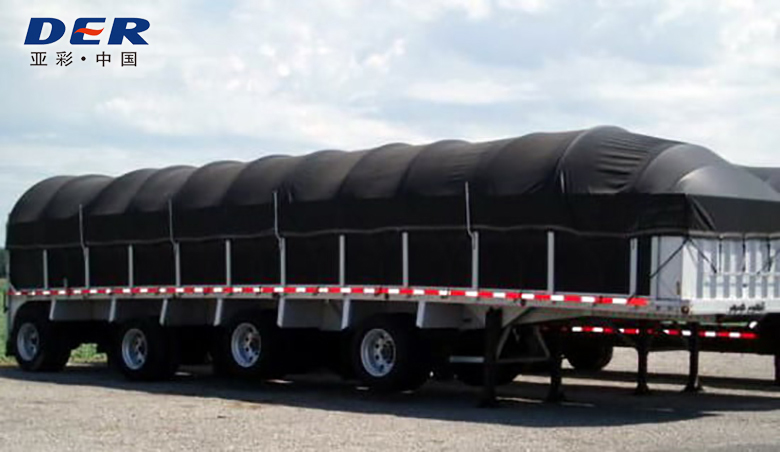
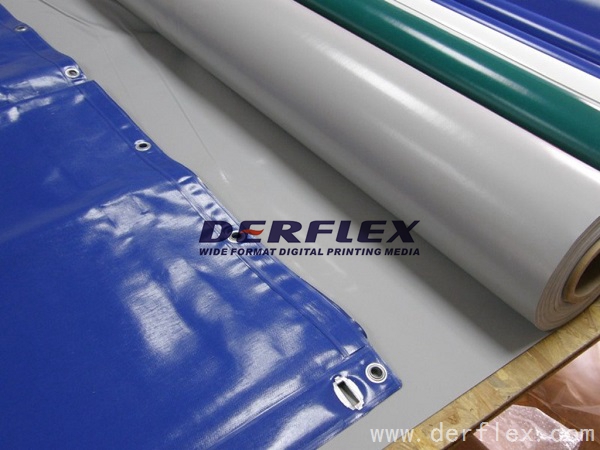
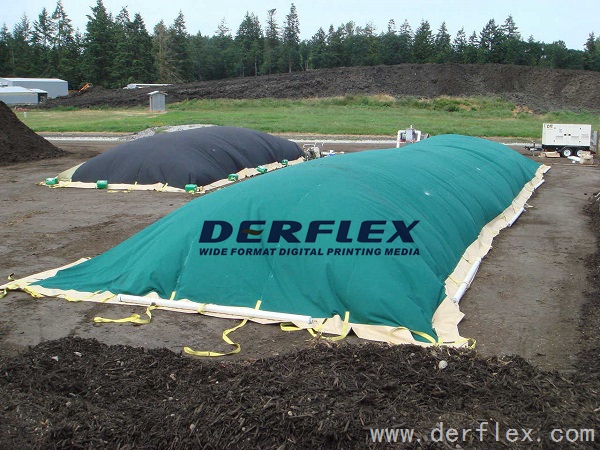
A complete inquiry helps the factory distinguish a roll-fabric program from a finished replacement cover and prevents avoidable sampling delays.
Most problems can be reduced by controlling dimensions and system interfaces before production.
These verified DERFLEX pages cover adjacent material and application questions without replacing the specific grain-cart replacement intent of this page.
Waterproof roll tarp covers for road-going grain and hopper trailers.
Material selection and replacement-cover guidance for manual, electric and side-roll systems.
Broader custom PVC trailer cover and transport tarpaulin specifications.
Coated polyester structure, welding and transport-cover material selection.
Core waterproof PVC coated fabric information for industrial and agricultural covers.
Waterproof tarp solutions for bulk grain protection outside the grain-cart transport application.
Direct answers to sizing, material, replacement and system-compatibility questions.
Waterproof grain cart roll tarps commonly use vinyl or PVC coated polyester because the coating resists rain while the woven polyester reinforcement supports tensile and tear strength. The final grade should also be selected for rolling flexibility, UV exposure, abrasion and the existing tarp system.
Measure the finished tarp length and width, roll-tube pocket, fixed-side detail, required overlap and every bow center from one consistent reference edge. If the old tarp is stretched or torn, also verify the cart opening and hardware geometry.
An 18 oz direction can be practical where lower cover mass and easier manual rolling matter. A 22 oz direction may suit higher-wear programs if the system can handle the extra weight. Reinforcement placement and fit often have as much influence on service life as body fabric weight.
Solid PVC coated polyester / vinyl tarp fabric can provide a waterproof body. The finished grain cart cover also depends on welded seams, pocket construction, overlap, front/rear edge fit, end-cap geometry and correct installation.
Often yes, if the existing bows, roll tube, fixed-side hardware, latch system and drive components remain usable. The replacement cover must be built to the actual hardware dimensions and attachment method.
A side-roll cover may be suitable for either type when the dimensions, roll pocket, attachment layout, cover weight and system geometry are compatible. Do not assume interchangeability without checking the hardware or drive specification.
The same locations repeatedly flex and rub against the support bows during opening, closing and field vibration. Reinforcement strips placed at measured bow centers can protect these high-contact zones more efficiently than increasing the weight of the entire tarp.
DERFLEX can discuss PVC coated tarp roll material as well as custom finished-cover programs. Distributors and fabricators can define material direction, size series, color, labels, reinforcement, pockets and packaging according to their project.
Provide the finished tarp length and width, cart / wagon reference, manual or electric roll system, tube and pocket dimensions, bow centers, preferred material direction, quantity, color and destination. Photos or an old tarp sample can help define the replacement pattern.