News
Industry News

Grain Fumigation Tarpaulins | Hermetic Storage Covers | DERFLEX

Update:2026/9/4 19:04:28 Views:
Stored Grain · Gas-Barrier Cover Program

Grain Fumigation Tarpaulins — Hermetic Storage Covers

Custom grain fumigation tarpaulins for bag stacks, bulk grain, warehouse stacks and sealed storage projects where the cover must be specified as part of a low-permeability enclosure—not as a general rain tarp.

DERFLEX can discuss coated-fabric structure, custom finished dimensions, welded panel construction, reinforced edges, identification and OEM packaging. The required gas-retention criterion, fumigant compatibility, sealing method and local regulatory requirements should be defined by the buyer and responsible fumigation professional before approval.

Gas-Barrier Specification Welded Seam Direction Custom Finished Size Reusable Cover Programs Grain-Specific Engineering
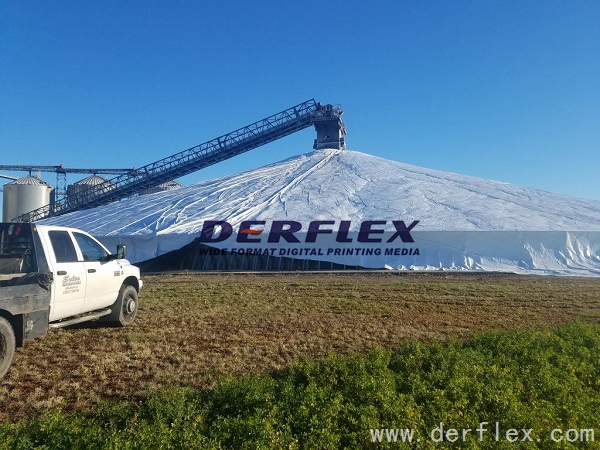
DERFLEX large grain cover application showing custom large-format tarpaulin over outdoor grain stockpile
Large-format grain-cover context. For fumigation or hermetic service, gas-barrier performance must be separately specified and verified; a weather cover should not automatically be treated as a gas-proof sheet.
Quick Answer

What is a grain fumigation tarpaulin?

A grain fumigation tarpaulin is a low-permeability flexible sheet used to create a sealed enclosure around bagged or bulk stored grain during professional fumigation. Unlike a normal waterproof grain tarp, it must be selected around gas retention, seam leakage, perimeter sealing, puncture resistance, handling and the acceptance criteria required for the specific treatment system.

Important: “Hermetic storage cover” and “fumigation tarp” overlap in their need for a well-sealed enclosure, but they are not automatically identical. A true hermetic storage system depends on the complete enclosure—including the floor/base, seams, edges, closures and interfaces—not the top sheet alone.
Use the Right Term

Weather Cover vs Fumigation Tarp vs Hermetic Storage Cover

The three products can look similar in photographs, but the procurement requirement is different. The most important distinction is whether the enclosure only keeps weather out or must also control gas exchange.

Grain Weather Cover

  • Primary purpose: rain, UV, dust and surface contamination protection.
  • Typical focus: waterproofing, wind restraint, drainage, tear resistance and outdoor durability.
  • May use reinforced PVC or other tarp structures.
  • Not automatically suitable for fumigation.

Grain Fumigation Tarp

  • Primary purpose: create a low-leakage enclosure for a defined professional fumigation process.
  • Gas permeability and seam leakage must be considered.
  • Welded seams and controlled perimeter sealing are typically more relevant than ordinary stitched construction.
  • Final suitability follows the treatment specification and local rules.

Hermetic Storage Cover

  • Primary purpose: maintain a highly sealed storage environment with restricted gas exchange.
  • Requires system-level sealing at the top, floor/base, perimeter and all access points.
  • Can be used with controlled-atmosphere or sealed-storage concepts depending on the project.
  • The word “hermetic” should not be claimed from fabric waterproofness alone.
Procurement Specification

Specify the Grain Fumigation Cover as a Containment System

A useful RFQ defines the barrier requirement and the field interfaces before choosing GSM. DERFLEX recommends confirming the points below with the responsible fumigation professional and project specification.

Specification ItemWhat the Buyer Should DefineWhy It Matters
ApplicationBagged grain stack, bulk grain, warehouse stack, bunker, temporary sealed storage or other grain-storage geometry.Different shapes change panel layout, handling, edge design and leakage risk.
Barrier RequirementTarget fumigant or sealed-storage method plus the required gas-permeability / retention criterion and test method where specified.Waterproof performance does not prove gas-tight performance.
Material StructurePVC-coated polyester, reinforced PE/laminate or another project-defined barrier construction.Structure affects permeability, strength, weldability, weight, cleanability and repair method.
Seam ConstructionCompatible heat-welded or HF/RF-welded panel seams where required by the selected structure.Needle holes from ordinary stitching can create leakage paths.
Perimeter InterfaceSkirt, edge width, floor-sheet interface or other sealing detail required by the professional treatment system.The perimeter is a common gas-loss path.
Finished GeometryActual length, width, height, side drop, overlap, floor reach, access points and panel drawing.A stack surface path can be substantially larger than the simple footprint.
ReinforcementCorners, lifting / pull zones, fold lines, abrasion zones and project-defined edge reinforcement.Repeated deployment can damage the barrier layer at stress points.
Outdoor ExposureIndoor / outdoor use, UV exposure, temperature range, wind exposure, storage conditions between uses and reuse expectation.Durability requirements change when the sheet is repeatedly used or stored outdoors.
IdentificationColor, size code, panel number, printed ID, private label and packaging instructions.Large cover fleets are easier to deploy and reorder when panels are clearly identified.
Testing & ApprovalRequired material, seam and gas-barrier tests plus any buyer / contractor acceptance procedure.Gas-barrier suitability should be verified rather than assumed from material name or weight.
DERFLEX page distinction: DERFLEX also publishes grain pile cover grades for outdoor weather protection. Those weight references should not be treated as fumigation-grade merely because they are used on grain; gas-barrier suitability must be separately confirmed for this application.
Selection Matrix

Which Grain Fumigation Tarpaulin Direction Fits the Storage Layout?

Start with the enclosure and handling conditions. A heavier sheet is not automatically more gas-tight, and a highly impermeable film is not automatically practical for repeated large-stack handling.

Storage SituationMain Procurement RiskMaterial DirectionFabrication Focus
Bagged grain stacks in warehouseGas loss at seams / floor edge, puncture from pallets or bags, repeated handling.Low-permeability reinforced sheet selected for the required treatment and manageable by the handling crew.Welded panel construction, protected corners, practical skirt / perimeter sealing concept.
Large bulk grain surfaceVery large area, uneven geometry, seam map, access and monitoring interfaces.Reinforced barrier structure with suitable tear resistance and defined gas-retention requirement.Large-panel layout, minimized high-risk intersections, access detail planning and deployment marks.
Temporary on-farm sealed grain storageOutdoor UV, wind, ground interface, variable site conditions.Weather-tolerant barrier construction where the complete sealed-storage design supports the intended method.Perimeter restraint, floor / base interface, localized wear protection and outdoor storage plan.
Reusable commercial fumigation programFolding fatigue, abrasion, inspection, repair and repeat-order consistency.More robust reinforced coated-fabric direction when compatible with the required gas criterion.Panel coding, repairable welded construction, reinforced pull zones and repeatable packing format.
Hermetic / controlled-atmosphere enclosureGas exchange through every interface, not just the sheet body.Project-defined low-permeability envelope material with verified closure and base system.System-level sealing, closures, access points, floor sheet and pressure / leakage acceptance criteria where applicable.
Material Direction

PVC-Coated Polyester, Reinforced PE or Barrier Film?

There is no universal best material. The right construction balances the required gas barrier with tear resistance, handling weight, seam method, repairability, reuse and climate.

Reusable Heavy-Duty Direction

PVC-Coated Polyester

A reinforced PVC-coated fabric can provide strong textile support, weldability, cleanability and robust finished-cover fabrication. It is a practical direction for reusable covers when the selected grade is separately validated for the project’s gas-permeability requirement.

Lower Handling Weight

Reinforced PE / PE Laminate

Reinforced polyethylene structures can reduce handling weight across large covers and may suit fumigation sheets when a suitable barrier grade and compatible seam method are available. Abrasion life, repair method and seam quality should be reviewed.

Barrier-Led Direction

Specialized Barrier Film / Composite

Projects prioritizing very low gas transmission may require a dedicated barrier film or composite. These structures can offer strong barrier performance but must still be evaluated for puncture resistance, field handling, closures, repair and the complete hermetic interface.

Engineering & Fabrication Notes

Six Details That Decide Whether a Grain Gas-Barrier Cover Works in the Field

Most failures happen at interfaces and damage points rather than in the middle of an intact sheet. These details should be defined before fabrication.

01

Seam Map Before Cutting

Plan panel direction, seam count and seam intersections around material width, stack geometry and stress zones. Fewer uncontrolled joints reduce potential leakage and simplify inspection.

02

Welded Seams, Not Assumed Stitching

For compatible thermoplastic structures, heat or HF/RF welding can create a more continuous seam than ordinary sewing. The process and seam construction still need project-specific validation.

03

Perimeter Is Part of the Barrier

A low-permeability sheet cannot compensate for a poorly sealed floor edge, skirt, wall interface or closure. Give DERFLEX the intended perimeter concept when requesting fabrication.

04

Protect Corners & Contact Points

Pallet edges, bag corners, rough floors and handling equipment can puncture large covers. Local wear pads or reinforcement may provide more value than simply increasing overall fabric weight.

05

Plan Access & Interfaces

If the professional system requires sampling, monitoring, ducting or other ports, define their locations and closure details before production. Unplanned field penetrations can defeat the barrier.

06

Design for Inspection & Reuse

Reusable fumigation sheets need a practical fold / roll pattern, panel ID, repair approach and pre-use inspection process so damage can be found before the next treatment cycle.

Real DERFLEX Image Pack

Grain Cover & Tarpaulin Visual Assets

These are existing DERFLEX website images suitable for explaining large-format grain-cover geometry and coated-tarp context. They should not be labeled “gas-tight” unless the specific photographed product has verified fumigation-barrier data.

DERFLEX silver large-format grain cover over conical outdoor grain pile
Large Grain Pile CoverShows surface path, large-area paneling and deployment scale relevant to custom grain-cover engineering.
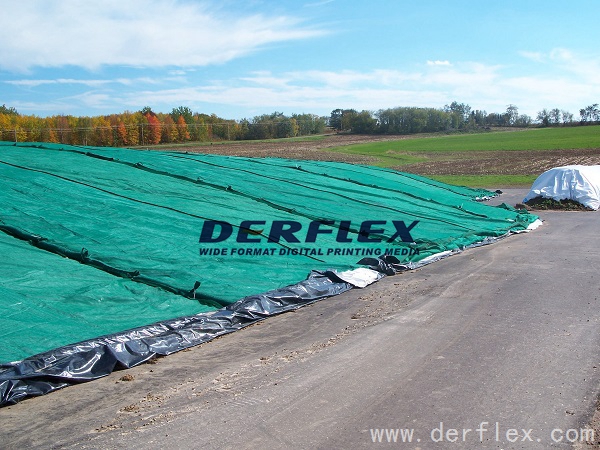
DERFLEX green grain bunker cover with restrained perimeter
Perimeter Restraint ContextUseful for discussing edge geometry, restraint and site interface around large stored-grain covers.
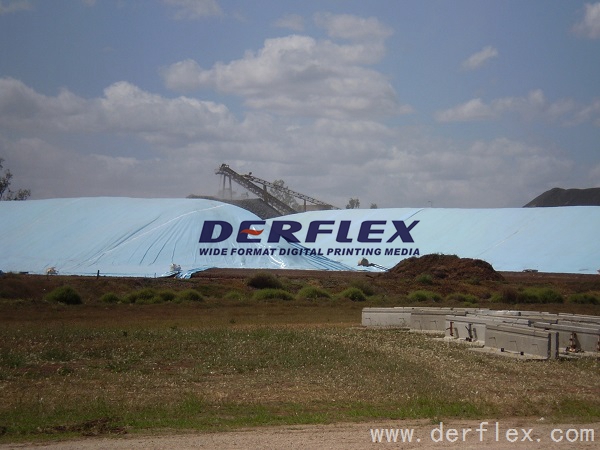
DERFLEX light-color grain storage tarp covering bulk outdoor stockpile
Bulk Grain Storage CoverShows large finished dimensions and the importance of planned seams, handling and drainage.
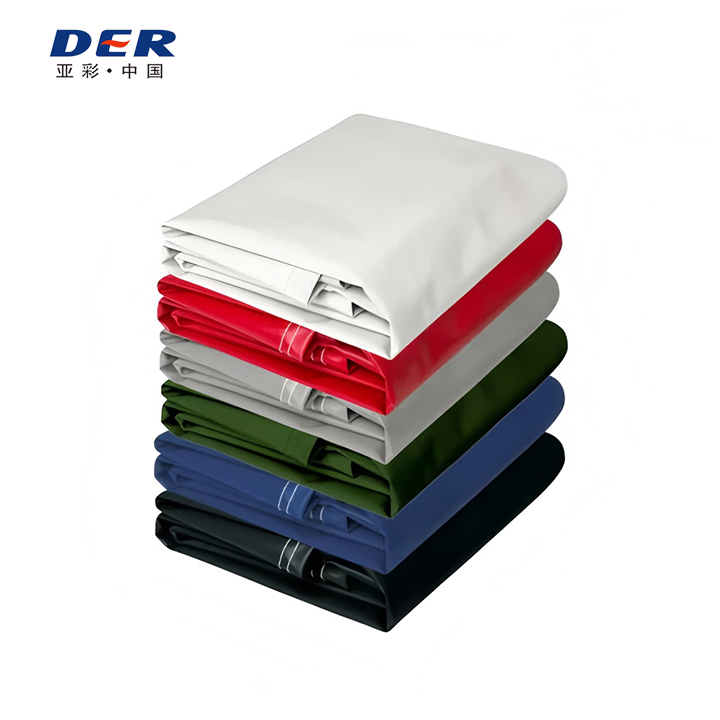
DERFLEX folded PVC coated tarpaulin materials in multiple colors
Coated Tarp Material ContextSuitable visual for custom color and coated-fabric program discussion; barrier grade must be confirmed separately.
B2B Buyer Checklist

What to Send DERFLEX for a Grain Fumigation Tarpaulin Quotation

A complete RFQ lets the material and fabrication teams separate a true gas-barrier project from an ordinary grain weather cover and reduces unnecessary sample iterations.

1. Grain & Storage Layout

Grain type, bagged or bulk storage, stack / bunker dimensions, surface geometry and indoor or outdoor location.

2. Treatment / Hermetic Requirement

Target professional treatment method or hermetic storage objective, plus required permeability / retention criterion and test method if specified.

3. Finished Size & Panel Drawing

Length, width, height, side drop, floor overlap, access points, panel map and any restricted seam zones.

4. Handling & Reuse

Expected deployment frequency, crew handling method, fold / roll format, abrasion risks and repair expectations.

5. Edge / Sealing Interface

Required skirt, hem, reinforced edge, closure or floor-sheet interface as defined by the fumigation contractor or storage design.

6. Outdoor Exposure

UV exposure, temperature range, wind, rain exposure and storage conditions between uses.

7. Identification & OEM Needs

Color, printed logo, size code, panel ID, private label, package marking and repeat-order numbering.

8. Commercial Information

Quantity, sample / first-article requirement, destination, packaging method and any documentation required by the buyer.

Common Procurement Mistakes

Six Errors to Catch Before Ordering a Grain Fumigation Cover

Calling Any Waterproof Tarp “Gas-Tight”

Water resistance and gas permeability are different properties. Require the barrier criterion relevant to the project.

Choosing Only by GSM

Weight does not define gas retention. Material layer structure, seams and closures can matter more.

Ignoring the Floor / Perimeter Seal

A high-barrier sheet can still leak badly if the enclosure interface is uncontrolled.

Measuring Only the Stack Footprint

The tarp must follow top surface, side drops, end faces and sealing reach; actual finished size can be much larger.

Adding Ports After Fabrication

Field-cut penetrations can become uncontrolled leakage points. Define required interfaces before production.

No Inspection / Repair Plan

Reusable covers should be checked for punctures, seam damage, abrasion and edge wear before the next professional use.

Why DERFLEX

Grain-Specific Cover Engineering Instead of a Generic Tarp Listing

This page is intentionally positioned between DERFLEX’s general fumigation-tarp capability and its outdoor grain-cover range: it focuses on the grain storage enclosure, gas-barrier specification and custom fabrication interfaces.

Material + Fabrication Discussion

DERFLEX can review coated-fabric direction together with finished dimensions, panel layout, welded seams, edge reinforcement, color, identification and B2B packaging requirements.

Project-Defined Gas Barrier

The page does not assume that a standard PVC grain tarp is automatically fumigation-ready. Buyers are asked to define the target gas-retention criterion and professional treatment specification before approval.

Large Grain-Cover Experience Context

DERFLEX already publishes large-format grain pile cover applications, giving a practical basis for discussing geometry, seams, perimeter reinforcement and deployment across large agricultural covers.

OEM / Repeat Program Direction

Custom color, panel identification, private labeling, folding / rolling format and shipment packaging can be discussed for distributors, grain-storage suppliers and repeat commercial cover programs.

People Also Ask

Related Questions About Grain Fumigation Tarpaulins

Direct answers to common procurement and storage-system questions.

What makes a grain fumigation tarp gas-tight?

Gas-tightness is a system property. The sheet material needs sufficiently low gas permeability for the target treatment, but seams, perimeter seals, floor / base interfaces, closures, ports and puncture damage can all create leakage. The required acceptance criterion should be defined and verified for the professional fumigation process.

Can a normal grain storage tarp be used for fumigation?

Not automatically. A weather cover may be waterproof and mechanically strong without meeting the gas-permeability or seam-leakage requirement of a fumigation enclosure. Use a standard grain tarp only when the material and complete enclosure have been reviewed and accepted for the specific fumigation method.

What is the difference between hermetic grain storage and fumigation under a tarp?

Fumigation uses a sealed enclosure to retain a treatment gas for a defined professional process. Hermetic storage is a broader sealed-storage concept that restricts gas exchange with the outside environment. Both require strong sealing discipline, but the operating objective, acceptance criteria and system design can differ.

Are welded seams better than sewn seams for fumigation covers?

For compatible thermoplastic sheet structures, welded seams can reduce leakage paths because ordinary stitching creates needle holes. The selected welding process, seam overlap and finished seam still need validation for the material and required barrier performance.

Which material is better for a reusable grain fumigation tarp?

The answer depends on the required gas barrier, sheet size, handling frequency, abrasion, seam method and storage environment. Reinforced PVC-coated fabric can be attractive for robust reusable programs, while reinforced PE or specialized barrier composites can reduce handling weight or improve barrier performance. The final grade should be selected against the project specification.

How should I calculate the size of a grain fumigation sheet?

Measure the full surface path over the stack or bulk grain plus side drops, end faces, perimeter sealing reach and any required overlap. For large or irregular stacks, provide DERFLEX with a dimensioned top and side drawing rather than only length × width of the floor footprint.

Can DERFLEX make custom-size grain fumigation tarpaulins?

DERFLEX can discuss custom finished dimensions, coated-fabric direction, welded panel layout, reinforcement, color, identification and OEM packaging. Send the grain-storage geometry and the professional gas-barrier / hermetic requirement so the material and fabrication direction can be reviewed.

What should I ask a grain fumigation tarp supplier to document?

Ask for the material structure, applicable gas-permeability or retention criterion, test method if specified, seam construction, finished dimensions, reinforcement zones, outdoor exposure requirements, inspection / repair approach, packing format and any documentation required by your fumigation contractor or destination market.

Technical reference note: FAO guidance on stored-grain fumigation emphasizes that successful sheet fumigation depends on a gas-tight enclosure, including sheet quality and sealing, while ACIAR publishes dedicated guidance for fumigation under gas-proof sheets. Always follow the current pesticide label, local regulations and the responsible licensed / trained fumigation professional. References: FAO post-harvest grain-loss manual · ACIAR Guide to Fumigation Under Gas-Proof Sheets.

Build the Cover Around the Grain Storage System

Send DERFLEX the grain type, stack / bunker drawing, finished dimensions, target gas-barrier or hermetic criterion, seam and perimeter concept, indoor / outdoor exposure, reuse requirement, quantity and destination. The team can review a practical material and fabrication direction for sampling or B2B production.

Consulting Services
+86-021-54361792 / 54361798
Email
sales@derflex.com