


Silage Cover Tarps — Heavy Duty Farm Silage Covers
DERFLEX supplies heavy duty silage cover tarps for bunker silos, drive-over piles, forage clamps and commercial farm feed storage where the outer cover must handle UV exposure, abrasion, wind, weighting and repeated seasonal use.
This page focuses on the protective tarp layer of a silage covering system. For high-value forage preservation, DERFLEX recommends selecting the tarp together with the required sealing film, oxygen-barrier layer, sidewall protection and ballast method rather than treating one heavy tarp as the entire fermentation system.
What is a heavy duty silage cover tarp?
A heavy duty silage cover tarp is the durable outer protection layer used over a bunker silo, clamp or drive-over silage pile. Its job is to protect the sealing system from sunlight, wind, puncture, abrasion, birds, equipment contact and repeated handling.
For reliable silage preservation, the tarp should not be confused with a thin underlay or dedicated oxygen-barrier film. A strong silage system normally combines close-contact sealing material with an outer protective cover and a secure weighting method so the surface stays sealed and protected.
What buyers usually need to define
- Bunker, clamp, trench or drive-over pile geometry
- Outer protective tarp vs oxygen-barrier film function
- Expected number of seasons or reuse cycles
- Wind exposure, UV intensity and climate
- Weighting method: gravel bags, tire sidewalls or other ballast
- Required finished dimensions and overlap allowance
- Reinforced edges, lifting points or custom fabrication
- Bulk distributor, farm group or OEM packaging requirements
The Best Silage Cover Is Usually a System, Not One Sheet
The technical distinction between the sealing layer and the protective tarp is important for both feed quality and purchasing accuracy.
Close-Contact Underlay
A flexible underlay can conform to the forage surface and reduce air pockets between the stored silage and the upper covering layers.
Barrier / Sealing Film
The dedicated film provides the primary air-exclusion function. Structure and oxygen-barrier requirements should be specified separately from the tarp.
Heavy Duty Protective Tarp
This is the focus of this page: a reusable farm cover that shields the sealing layers from UV, puncture, wind, animals and repeated handling.
Ballast & Edge Sealing
Uniform weighting and secure perimeter control help keep the system in contact with the silage and reduce movement in wind.
Silage Tarp vs Silage Film vs Underlay Film
These materials are often called “silage covers” in search results, but their engineering role is not the same.
Heavy Duty Silage Cover Tarp
Main role: mechanical and weather protection.
- High tear and abrasion resistance
- UV and weather exposure protection
- Reusable seasonal cover direction
- Protects thinner sealing layers underneath
- Custom finished size and reinforcement possible
Oxygen-Barrier / Sealing Film
Main role: air exclusion and fermentation protection.
- Selected by barrier performance and film structure
- Must be installed with good surface contact
- Usually lighter and less abrasion-tolerant than a reusable tarp
- May be black/white, green/gray or other film constructions
- Should be protected against puncture where conditions require
Underlay / Cling Layer
Main role: conform closely to the silage surface.
- Helps reduce surface voids and trapped air
- Very flexible and lightweight
- Not designed to take farm-yard abrasion by itself
- Works as part of a layered system
- Requires an upper protective layer in demanding conditions
How to Specify a Heavy Duty Farm Silage Cover
Use the table below to turn a general “heavy duty tarp” request into a procurement-ready specification.
| Storage / Use Condition | Protection Priority | Suggested Tarp Direction | Key Details to Confirm |
|---|---|---|---|
| Large bunker silo | UV, puncture, wind movement, repeated installation | Reusable reinforced outer cover sized to bunker geometry | Finished width/length, overlap, weighting plan, handling method, edge reinforcement |
| Drive-over silage pile | Irregular surface, high wind exposure, large-area handling | Flexible heavy-duty protective tarp with practical modular panel planning | Pile slope, panel weight, crew size, lifting/dragging method, ballast spacing |
| High-UV farm region | Sun aging and surface temperature | UV-stabilized outdoor tarp, light/reflective color direction where appropriate | Exposure period, color, UV package, storage between seasons |
| Windy open farm | Flapping, edge loading, puncture and tearing | Higher-duty cover with reinforced perimeter and controlled ballast layout | Wind exposure, edge construction, ballast method, repair kit, overlap strategy |
| Distributor / farm supply brand | Repeat consistency and market-ready packaging | Standardized OEM cover program with defined size families | Size chart, material grade, color, labeling, carton/pallet format, annual volume |
| Complete silage cover system | Air exclusion plus mechanical protection | Barrier film / underlay plus heavy-duty protective top cover | Film role, tarp role, sidewall protection, overlap, seam/repair method, ballast |
DERFLEX Heavy Duty Silage Cover Tarp Specification Direction
Final specification depends on whether the cover is a reusable outer tarp, a sealing film or part of a combined system. Values below reflect DERFLEX agricultural tarp and silage-cover product ranges already published on the site.
| Parameter | DERFLEX Supply Direction | Buyer Note |
|---|---|---|
| Protective tarp material | PVC coated polyester fabric / reinforced agricultural tarp structure according to project requirements | Best for reusable outer protection where tear, abrasion and weather resistance matter. |
| Agricultural PVC tarp weight | Typical DERFLEX agricultural range: 350–1100 gsm; heavier-duty programs can be discussed | Do not select by GSM alone; handling method, reinforcement and wind exposure also matter. |
| Sealing / silage film | LDPE / LLDPE film options are available on related DERFLEX silage-cover programs | Film should be selected by barrier role and installation requirements, separately from the reusable tarp. |
| Film thickness | Related DERFLEX silage-cover sheet range: 30–250 microns | Relevant to film products, not to the heavy-duty PVC protective tarp. |
| Color | Green, black, white and custom directions depending on material and program | Color can influence solar reflection, appearance and regional market preference. |
| Finished size | Custom according to bunker, clamp, pile or OEM size plan | Provide the actual finished coverage area, not only nominal bunker dimensions. |
| Fabrication | Cut panels, welded tarps, reinforced hems, edge reinforcement and custom fixing details | Exact finishing should be confirmed against the ballast and installation method. |
| Outdoor performance | UV-resistant, waterproof, tear-resistant and weather-resistant options | Specify climate and expected service period so the formulation can be matched correctly. |
| Supply format | Roll goods, cut sheets, finished covers and OEM / private-label programs | Useful for distributors, farm groups, fabricators and agricultural supply brands. |
Important: oxygen permeability, exact tensile/tear values, UV warranty, service life, MOQ and lead time should be confirmed against the final material grade and order program. They are not assumed here without a verified product specification.
Where Heavy Duty Silage Cover Tarps Add the Most Value
The outer tarp earns its keep where thin film needs protection from real farm-yard exposure.
Bunker Silo Covers
Reusable protective tarps can shield sealing films across concrete bunkers where wind, birds, tools, gravel bags and repeated seasonal handling create puncture and abrasion risks.
Drive-Over Pile Covers
Large irregular piles need flexible area coverage and a practical panel plan so crews can install, secure, inspect and remove the protective layer without unnecessary damage.
Clamp & Trench Silage
Heavy outer covers help stabilize and protect the top layer while sidewall films and sealing layers handle the air-control function around edges and wall interfaces.
Dairy & Beef Operations
Commercial farms often value reusable cover systems because silage is a high-volume feed asset and surface protection must survive daily traffic, weather and seasonal reuse.
Biogas Feedstock Storage
Forage and biomass piles used as digester feedstock can also require durable outdoor top protection. Final cover chemistry should be matched to the stored material and system design.
Farm Supply & OEM Programs
Distributors can build standard size families, private labels and repeat procurement specifications around local bunker dimensions, climate and farmer handling practices.
Details That Matter Before Cutting a Large Silage Tarp
Large agricultural covers fail more often from poor system planning than from one isolated material property.
1. Plan the finished coverage, not just bunker width
Include the pile crown, slopes, wall interface, end coverage, perimeter allowance and required overlap. A cover that matches the concrete footprint may be too small after the forage is packed above wall height.
2. Match panel size to crew handling
A single extremely large heavy tarp may reduce seams but become difficult to deploy. For many farms, modular panels can improve installation control, repairability and off-season storage.
3. Protect high-stress edges
Perimeter zones see more pulling, ballast contact and wind movement. Reinforced hems, corner patches or tailored edge construction can be more valuable than simply increasing overall tarp weight.
4. Separate “airtight” from “heavy duty”
A mechanically strong PVC tarp can protect the system, but the fermentation seal depends on the dedicated barrier film, surface contact and perimeter sealing. Do not substitute one performance claim for the other.
5. Design for inspection and repair
Specify a cover system that farm crews can inspect after storms or animal activity. Small punctures in the sealing layer should be repaired quickly before they become a larger spoilage path.
6. Plan off-season cleaning and storage
Reusable tarps last longer when they are cleaned, dried, folded or rolled without sharp creases, and stored away from rodents, chemicals, heat and mechanical damage between seasons.
Common Silage Cover Buying Mistakes
A quotation is more accurate when the buyer defines the cover function and farm conditions first.
Avoid These Mistakes
- Buying only by thickness or GSM. Strength, flexibility, reinforcement, handling and UV exposure also affect performance.
- Calling every layer a “silage tarp.” Underlay, oxygen-barrier film and protective tarp have different jobs.
- Ignoring the perimeter. Edge sealing and ballast layout are often the most vulnerable parts of the system.
- Using nominal bunker dimensions. The actual packed forage profile needs extra coverage.
- Choosing an oversized one-piece tarp without crew planning. Handling weight and wind can make installation difficult.
- Assuming reusable means maintenance-free. Cleaning, inspection, repair and correct storage are essential.
Send This Information for Quotation
- Storage type: bunker, clamp, trench or drive-over pile
- Finished coverage dimensions and pile profile
- Required function: sealing film, outer tarp or complete system
- Climate: UV level, wind, rain, temperature and exposure period
- Expected reuse cycles or seasonal service requirement
- Preferred material direction, weight or existing benchmark sample
- Ballast / fixing method and edge requirements
- Color, logo, labeling, packing and OEM requirements
- Order quantity, destination and required delivery window
Who This Page Is Built For
DERFLEX heavy duty silage cover programs are suited to B2B buyers who need repeatable specifications, custom dimensions and manufacturing support rather than a one-off retail sheet.
Silage Cover Tarp Application Images
Real DERFLEX-hosted images are used below with descriptive alt text for product understanding and image search visibility.

Reusable Protective Silage Cover
Large-area green farm cover with ballast bags protecting a forage pile under outdoor exposure.

Bunker Silo Protection
Reinforced protective tarp direction for bunker silos where handling and tear resistance matter.

Weighted Silage Cover System
Example of a silage pile secured with a top sheet and distributed weighting around the covered surface.
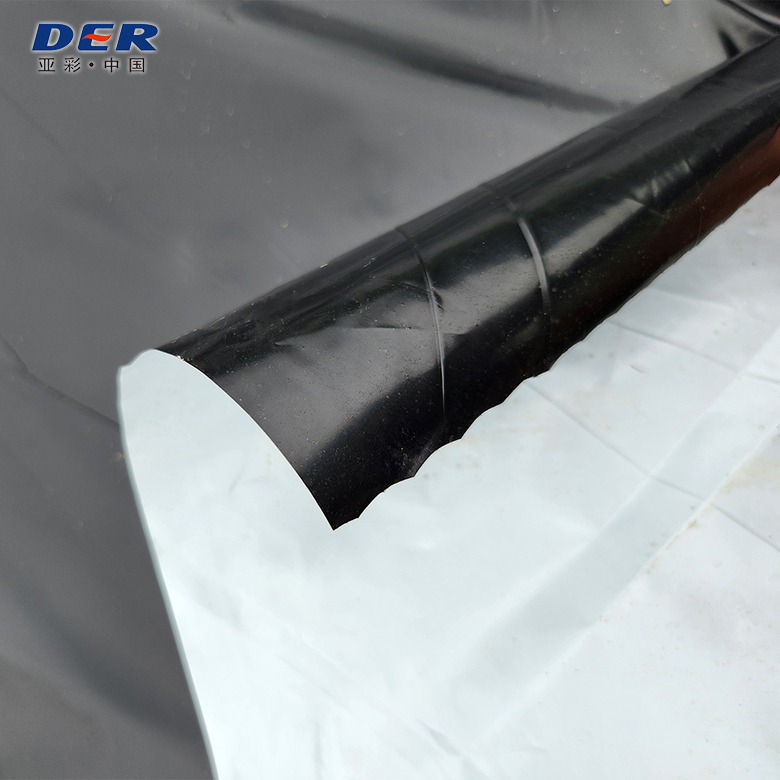
Black / White Cover Material
Close material view useful for buyers comparing film construction, color direction and handling.
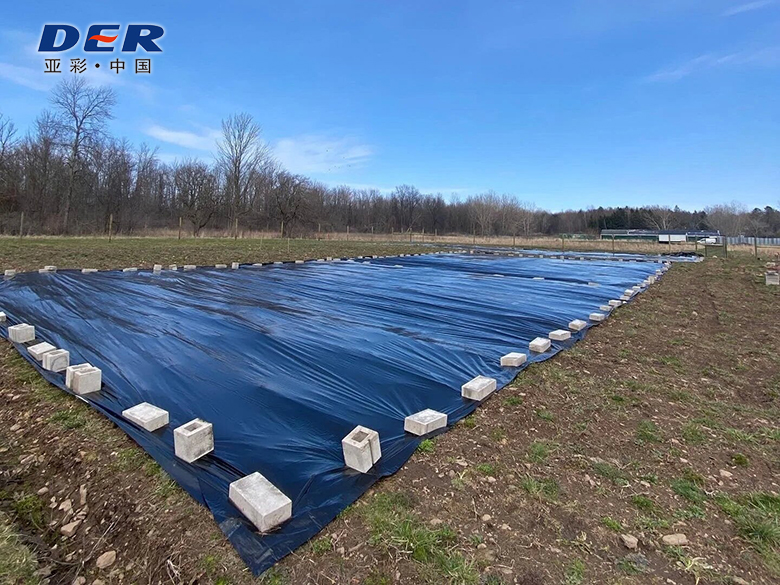
Perimeter Weighting
Farm cover installation where perimeter ballast helps keep the sheet secured against wind and movement.
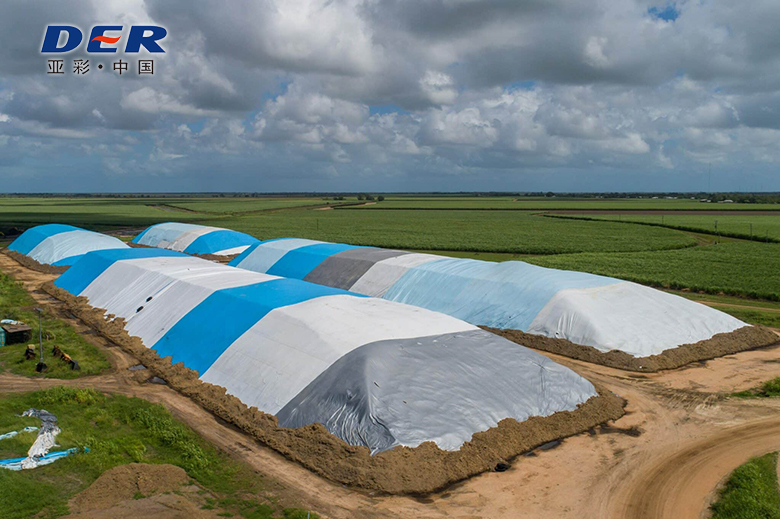
Large Farm Storage Program
Multiple covered piles illustrate how commercial operations may standardize sizes and color programs.
Manufacturer-Level Support for Agricultural Cover Programs
DERFLEX combines coated-fabric manufacturing, agricultural tarp experience and custom fabrication support for buyers who need repeatable B2B supply.
Material Choice by System Role
DERFLEX can help separate the requirements for a sealing film, oxygen-barrier layer and heavy-duty protective tarp so buyers do not over-specify the wrong property.
Custom Finished Covers
Large panels, welded construction, reinforced hems, edge details and custom dimensions can be planned around the bunker profile and handling method.
OEM & Repeat Supply
For distributors and agricultural brands, DERFLEX can support product family planning, color direction, labeling, packaging and repeat-order specification control.
Silage Cover Tarp FAQ
Direct answers to common questions from farms, distributors and agricultural procurement teams.
What is the best tarp for covering silage?
The best choice depends on the layer you are buying. For the outer protective layer, a heavy duty UV-resistant and tear-resistant reusable tarp is appropriate. For the fermentation seal, use a dedicated silage sealing or oxygen-barrier film. In demanding bunker systems, the strongest approach is usually a combination rather than one material doing both jobs.
Can a heavy duty PVC tarp replace oxygen-barrier silage film?
It should not automatically be treated as a substitute. PVC-coated tarps are excellent for mechanical protection, weather resistance and reuse, but oxygen-barrier performance depends on the material structure and sealing design. If oxygen exclusion is a critical requirement, specify a dedicated barrier film and use the tarp as the protective layer.
Are silage cover tarps reusable?
Heavy duty protective tarps can be designed for reuse when they are handled, cleaned, repaired and stored correctly. The actual number of seasons depends on material grade, UV exposure, abrasion, wind movement, folding practice and damage during installation or removal.
How do I measure a bunker for a custom silage cover tarp?
Measure the real packed silage profile rather than only the concrete bunker footprint. Include top crown, both slopes, wall interface, end coverage, perimeter allowance and overlap. If possible, provide a simple cross-section drawing or photos with dimensions so the finished size can be reviewed before cutting.
What color is best for a silage cover?
Color depends on the layer and climate. White or light outer surfaces can help reflect solar energy, while black layers are commonly used for opacity. Green protective covers are also common in agriculture. DERFLEX can discuss color direction together with material role, UV exposure and local market preference.
How should a silage tarp be secured in high winds?
Use continuous or closely spaced ballast across the surface and perimeter, minimize loose areas that can flap, protect vulnerable edges and maintain sufficient overlap between sections. The exact method should match the farm’s wind exposure and safety practices. Inspect the cover after storms and repair damage quickly.
Can DERFLEX make custom bunker silo cover sizes?
Yes. DERFLEX supports custom finished tarp sizes and agricultural cover programs. For quotation, provide storage type, finished coverage dimensions, material role, climate, expected reuse, reinforcement details, quantity and destination.
What information should a distributor send for an OEM silage cover program?
Send the target market, standard size range, annual volume, preferred material structure, duty level, color, private-label requirements, packaging format, pallet requirements and any existing benchmark product. DERFLEX can then review a repeatable specification rather than quote a generic tarp.
Build the Silage Cover Around Your Bunker, Climate and Crew
Send DERFLEX your finished coverage dimensions, storage type, outer-tarp or sealing-film requirement, expected reuse, UV/wind conditions, ballast method, quantity and destination. We can help separate the sealing and protection functions and recommend a practical B2B specification.