What actually makes a heavy duty tarp puncture resistant?
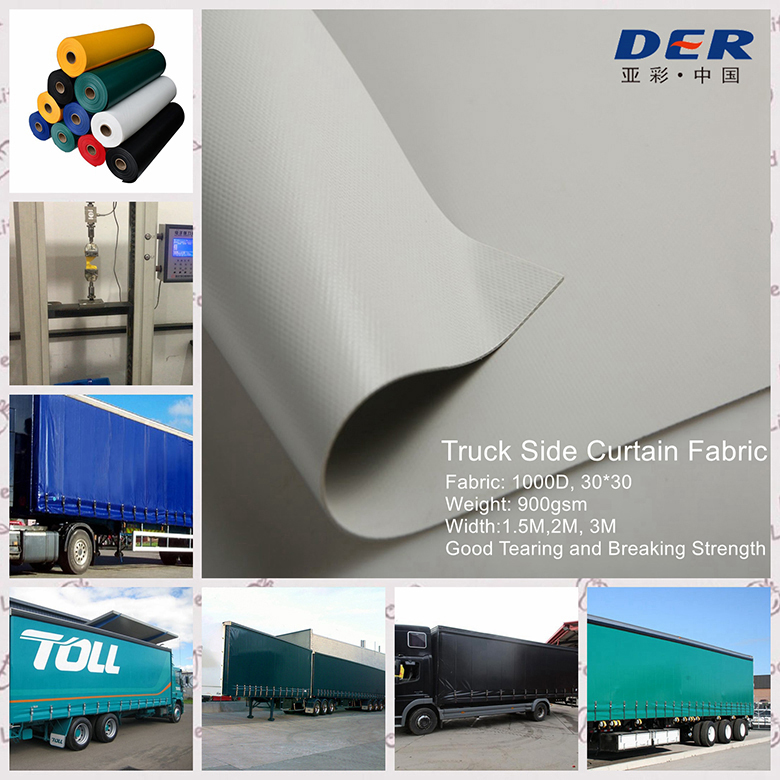
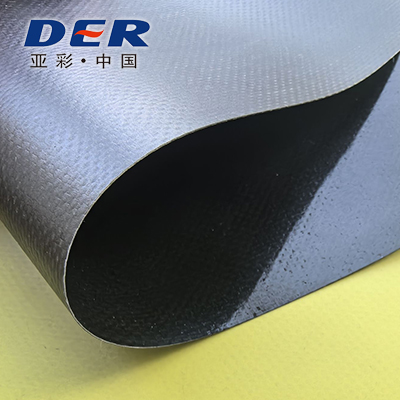
A puncture-resistant tarp must resist penetration at a concentrated point and then limit the damage after yarns are cut or displaced. Thickness and GSM can contribute useful material mass, but neither tells you how the polyester scrim is built, how the PVC coating supports the yarns, how the material behaves at low temperature, or whether a sharp corner is protected by a local reinforcement zone.
For coated industrial tarps, a stronger specification normally considers the base-fabric yarn and weave, coating build and adhesion, point geometry, tension state, repeated movement, local patches, abrasion exposure and the test method used to define acceptance. This is why two tarps with similar thickness can perform differently when pulled over steel, lumber, machinery projections or irregular cargo.
If your current cover already has punctures, send DERFLEX photos of the hole, the object underneath it, the direction of the resulting tear and the installation tension. That failure evidence is often more useful than simply asking for a higher GSM.