


Heavy Duty Tarps with Pole Pockets and Sleeves:When Should You Use Them?
Use a pole pocket when a heavy duty tarp needs to receive a roll bar, a supported frame member or a removable bottom weight. The pocket becomes an interface between fabric and hardware, so its fit matters as much as the tarp material.
For trailer replacements, roll-up curtains and industrial covers, DERFLEX can review custom PVC tarp materials, pocket layouts and reinforcement. Send the finished cover size, actual pole dimensions and a drawing to start a specification-based quotation.
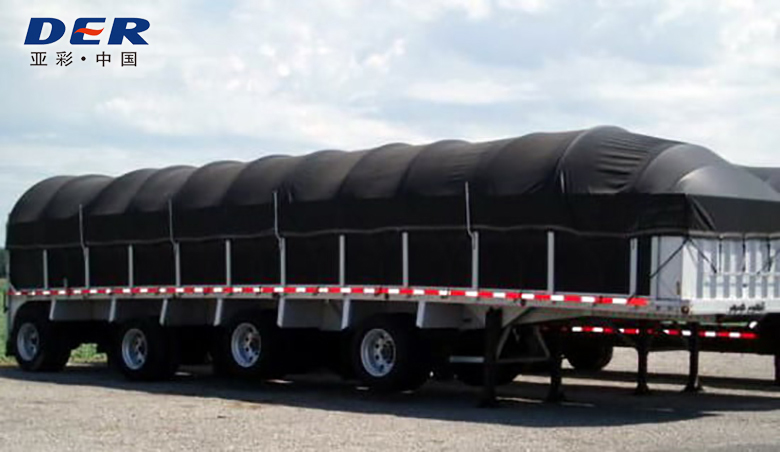
A pole pocket is useful when a rod must remain inside the tarp edge to help it roll, hang straight or connect to a supporting frame. Choose grommets, D-rings or straps when the job mainly requires separate tie points and rapid removal. A pocket and independent tie-downs can also be used together.
A fabric channel with a specific mechanical job
A tarp pole pocket is a channel formed by folding the fabric edge or attaching a separate strip. It receives a tube, bar, dowel or other specified insert. Buyers also use the terms rod pocket, pipe pocket, pole sleeve and roller sleeve.
“Pocket” and “sleeve” are often used interchangeably. The name alone does not tell a manufacturer whether both ends are open, whether a pole rotates, or whether the channel runs continuously along an edge. Put those details on the drawing.
For the wider material and finishing options, see DERFLEX’s made-to-order heavy duty tarp range.
Three functions to keep separate
- Rolling: transfer motion between the cover and the system’s roll tube or pull bar.
- Weighting: hold a removable bottom bar that helps a hanging panel stay straight.
- Supporting: locate fabric around a frame member using the approved cover design.
Each function needs its own fit, reinforcement and retention detail.
Use sleeves where the system needs a bar
Start with the operating method. A truck roll-tarp sleeve, a curtain bottom pocket and a stationary canopy sleeve are different connections, even when made from the same PVC coated polyester fabric.
| Application | Why a pocket helps | What must be confirmed | When another attachment fits better |
|---|---|---|---|
| Truck or trailer roll tarp | Receives the roll tube or pull bar required by the existing system. | Tube outside diameter, front/rear geometry, clamps, insertion access, pocket position and reinforcement. | The mechanism specifies a bolted edge, spline, clips or another proprietary connection. |
| Roll-up industrial curtain | A bottom bar can keep the edge straight and provide a rolling or handling interface. | Bar weight, lift method, side guides, end retention and storage straps. | The curtain must slide along a track or detach frequently at individual points. |
| Hanging divider with a weighted hem | Holds an insert that adds weight along the bottom edge. | How the insert is retained, removed and supported during handling. | Loose ballast or an inaccessible bar would make maintenance impractical. |
| Frame-mounted cover or side panel | Locates the fabric around a compatible frame member. | Assembly sequence, joint clearance, tension direction, drainage and frame design. | The frame cannot be dismantled to insert a pole; a split closure or strap arrangement may be needed. |
| Equipment or temporary storage cover | A designed bar pocket can control a particular hanging edge. | Cover shape, abrasion zones, removal frequency and separate anchoring requirements. | The cover must drape over changing shapes or be pulled off quickly without removing poles. |
Replacing a vehicle cover? Compare the complete connection layout with DERFLEX’s custom truck tarp specifications, including drops, flaps and fixing points.
A weighted hem is not a wind rating. Added weight may help control an edge, but it does not establish resistance to wind uplift or replace a designed anchoring system. Pockets also do not make a transport tarp a cargo-restraint device.
Pole diameter is not pocket lay-flat width
State the actual outside diameter of the round tube. A nominal pipe size may differ from its outside diameter. Include any end cap, coupling, weld bead or fitting that must pass through the sleeve.
Then define how pocket width is measured. A fabricator may quote folded width, seam-to-fold width or usable internal width. These are not automatically the same. Ask for a dimensioned section and agree on the measurement datum.
D = pole outside diameter; L = ideal internal lay-flat width, before clearance and fabrication effects. A 40 mm pole corresponds to about 62.8 mm by this geometry alone. This is not an approved pocket size.
Allow for insertion clearance, fabric thickness and stiffness, the seam construction and how the tarp operates. The manufacturer must translate the desired internal fit into a cut pattern. Confirm the finished fit on the actual pole instead of relying on the formula alone.
Length and end openings
Give the usable sleeve length, which ends are open and any stop detail. A capped pole may need a larger opening or a different assembly sequence.
Finished size definition
Specify whether the overall tarp width includes both pockets. Show the usable field between the pocket seams separately when that dimension controls coverage.
Square or rectangular bars
Record the complete section, corner radius and largest passing fitting. Do not apply the round-pole formula to a rectangular insert; approve its fit by section drawing and trial.
Design the seam around the way the bar moves
Welded PVC pocket
Compatible PVC coated fabric can be formed into a welded channel. Seam overlap, reinforcement and welding conditions need to suit the selected fabric. A welded pocket does not by itself make every opening or connection watertight.
Sewn or combined pocket
Stitching can be appropriate for particular materials or reinforcement details. Where rain exclusion matters, review the stitch path and sealing method. Specify the required seam performance rather than assuming every sewn sleeve leaks or every weld is sufficient.
Reinforced pocket ends
Insertion points, bar ends and attachment cut-outs deserve separate wear review. Specify local patches or lining where needed, while checking that added layers do not obstruct insertion or cause an uneven roll.
Choose the base PVC tarpaulin construction before approving the pocket. GSM, thickness, flexibility and substrate strength must suit both the cover duty and the sleeve’s repeated movement.
For roller systems, the sleeve is only one interface
A tube inside a pocket does not automatically transmit rotation. The system may require clamps, screws, a fixed edge, an end connection or another specified detail. Follow the mechanism drawing and check clearances around moving arms and fittings.
For side-to-side applications, DERFLEX’s grain trailer roll-tarp guide provides the surrounding cover-selection context.
For weighting, retain the insert deliberately
State how the bottom bar is inserted, retained and removed. Round and protect sharp ends. Check that the panel can be lifted or serviced without the bar sliding out, and that the chosen weight does not overload the fabric connection or supporting hardware.
For high-use edges, review reinforced hems and local stress-point details alongside the pocket design.
Do not trap water unintentionally. Show pocket orientation and any drainage provision on the drawing. Review openings against the cover’s weather-protection duty before cutting holes or adding slots.
What to put on the purchasing drawing
DERFLEX supplies PVC coated fabric and custom tarp finishing options. The specification below is a quotation framework for heavy duty tarps with pole pockets and sleeves, not a list of fixed stock dimensions.
| Specification | Define in the enquiry | Confirm before production |
|---|---|---|
| Supply format | Finished covers, fabricated panels or fabric rolls for local conversion. | Who fabricates and inspects the final pockets. |
| Fabric | PVC coated polyester; state required GSM, thickness, color and operating environment. | Selected grade, relevant data and approved material sample. |
| Pocket position | Top, bottom, front, rear, side or internal support line; continuous or interrupted. | Orientation, datum and any permitted seam crossings. |
| Internal fit | Actual insert section, largest passing fitting and agreed usable lay-flat width. | Finished tolerance, measurement conditions and fit on actual hardware. |
| Seam & reinforcement | Welded, sewn or combined construction; end patches, lining and wear zones. | Seam layout and project-specific acceptance checks. |
| Attachment details | Opening direction, stops, clamps, retention and adjacent grommets or D-rings. | Compatible geometry and unobstructed installation. |
| Environmental requirements | Outdoor exposure, temperature range, rain protection and any fire-performance requirement. | Evidence applicable to the supplied grade; finished-assembly evidence if required. |
| Commercial requirements | Quantity, destination, packaging, logo, private label and required delivery date. | MOQ, sample availability, price and lead time against the final approved specification. |
Pocket widths, tolerances, seam strengths and pole sizes are project-specific. Confirm them with DERFLEX. For a complete replacement order, use the wider trailer cover and attachment options to check the rest of the assembly.
Inspect the fabric, edge and cover duty together
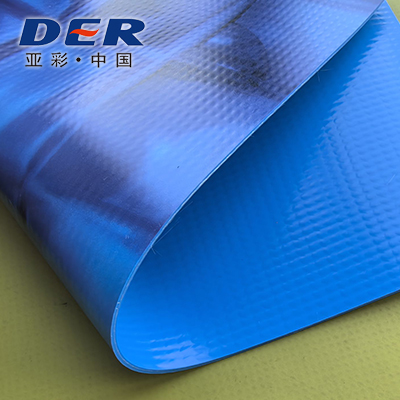
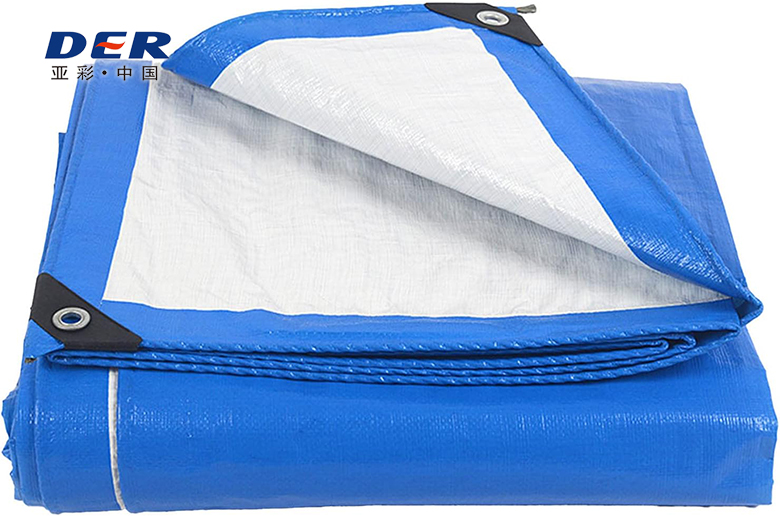
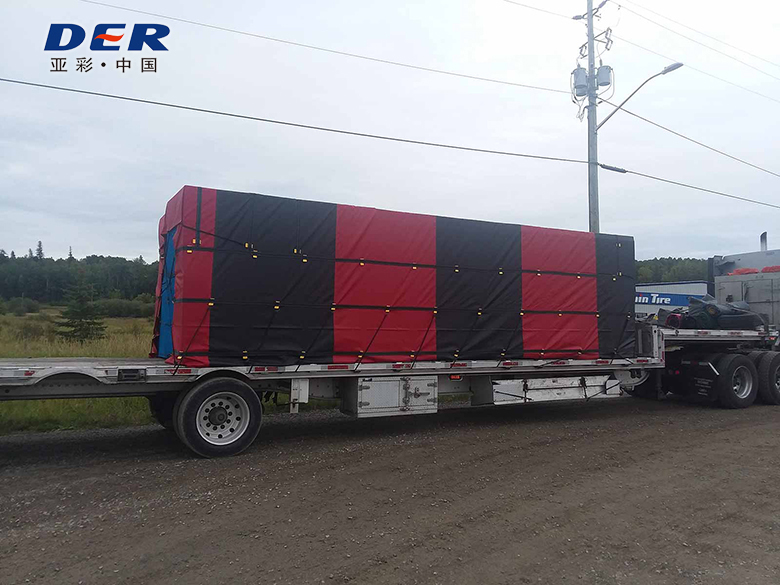
Check fit before repeating the order
A material swatch shows the fabric. A representative pocket sample checks the connection. For long roller sleeves, a short sample cannot reveal every issue: review the full-length installation and rolling behavior when those govern performance.
- Check the insert pathPass the actual pole and any required fitting through the intended opening without forcing it.
- Check finished geometryMeasure the agreed pocket width, length, position and cover datums; record the measurement conditions.
- Check operating movementInstall the approved attachments and cycle the cover through its intended travel, watching for snags, twisting and uneven winding.
- Check wear and retentionReview pole-end contact, reinforcement transitions, seam condition and insert retention after the agreed trial.
Agree on the sample scope and acceptance criteria before ordering; these checks are not a published load rating or durability guarantee.
Four details that commonly get missed
Ordering by pole diameter alone
Provide the actual section and usable channel dimension, then validate fit.
Copying a worn sleeve exactly
An old tarp can be stretched, abraded or distorted. Record the equipment geometry and intended original fit as well as the old cover.
Putting hardware through the channel
Show every cut-out, clamp and grommet location. Check that nothing catches the insert or removes a critical reinforcement area.
Increasing GSM without checking the roller
Heavier fabric and thicker reinforcement alter handling and roll build-up. Review the assembly with the selected mechanism before changing material.
Get a quotation built around the pocket detail
DERFLEX’s custom tarp program covers material selection, size, finishing and OEM packaging. For distributors, fabricators and fleet suppliers sourcing tarps with pole sleeves, connect the fabric specification to a controlled drawing so repeat orders use the same pocket layout.
Quotation price depends on fabric grade, finished area, pocket length and complexity, reinforcement, quantity and packing. Ask DERFLEX to confirm MOQ, sample arrangements and production lead time for the proposed construction.
Attach these references
- A dimensioned cover drawing with each edge labelled.
- Close photographs of the pole ends, fittings and existing connection.
- The tarp-system model or assembly drawing, where available.
- Known wear locations and the required operating environment.
A brief you can copy into your enquiry
Pole pocket and sleeve FAQ
What is the difference between a tarp pole pocket and a sleeve?
The terms often describe the same fabric channel. Confirm the channel’s purpose, location, internal fit, opening direction and end retention on a drawing. The name alone does not establish whether it is a roller connection, a weighted hem or a frame-support detail.
When should I choose pole pockets instead of grommets?
Choose a pocket when a bar must stay inside the tarp edge for rolling, weighting or frame location. Choose grommets or D-rings when you need separate tie points and easy removal. A design may combine a sleeve with independent tie-downs.
How wide should a tarp pole pocket be?
Measure the actual pole section and the largest fitting that must pass through. For a round pole, the ideal internal lay-flat width is approximately half its circumference, before clearance and fabrication effects. Agree on the usable internal width, tolerance and seam construction with the fabricator, then approve fit on the actual hardware.
Can a pole pocket stop a tarp from blowing away?
A pocket containing a weight may help control an edge, but it does not establish wind resistance. Wind exposure, cover area, anchoring, frame strength and the complete assembly must be assessed together. A weighted hem does not replace designed tie-downs.
Are welded PVC pole pockets waterproof?
A compatible welded construction can avoid needle holes along the welded seam. Water exclusion still depends on weld quality, pocket openings, other attachments and drainage. Specify the required performance of the finished cover instead of assuming every pocket connection is watertight.
Can DERFLEX supply custom tarps with sleeves for OEM orders?
DERFLEX can review PVC tarp material, custom size, pocket layout, reinforcement and OEM packing requirements. Send the cover drawing, actual pole dimensions, equipment details, quantity and destination. Final construction, MOQ, sample availability and lead time must be confirmed with the quotation.
Send the pole detail with your tarp enquiry
A photo of the sleeve, the actual insert dimensions and a labelled cover drawing give the quotation team a useful starting point. Include quantity, destination and the operating conditions.