


Industrial Membrane Material Supplier
DERFLEX supplies industrial membrane materials for buyers who need more than a generic coated sheet. We support
membrane fabricators, EPC contractors, warehouse structure builders, roofing and waterproofing teams, biogas system suppliers,
distributors, converters, and OEM brands that need a dependable membrane manufacturer with practical technical matching,
stable quality, and export-ready delivery.
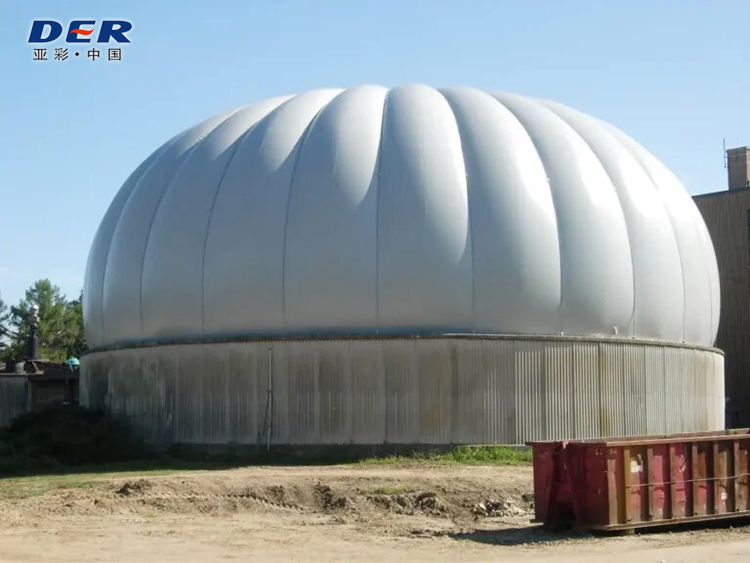
Whether the requirement is a reinforced PVC membrane for roofing, a flexible industrial membrane material for protection and enclosure, a gas-tight membrane for renewable energy systems, or a custom membrane roll for conversion and resale, the sourcing question is usually the same: which membrane structure best fits the real application, expected service life, fabrication method, compliance pathway, and commercial target?
- OEM / Custom Development
- PVC / PVDF / PTFE / ETFE Directions
- Lead Time & Export Support
- Quality-Controlled Production
- Project-Based Specification Matching
What Industrial Buyers Usually Need
- High-strength membrane base with consistent coating quality
- Correct balance of tensile strength, flexibility, weldability, and weather resistance
- Project-specific options for width, weight, color, finish, and surface treatment
- Clear support for fire, weather, durability, and documentation expectations
- Reliable lead time for quotation, sampling, pilot order, and repeat purchase stages
Material Directions We Commonly Support
PVC coated membrane materials for cost-effective industrial protection, roofing, warehouse structures, and waterproofing.
PVDF-oriented surface systems for improved surface cleanliness and long-term outdoor performance.
PTFE and ETFE directions for projects requiring higher-end fire, translucency, or permanent-structure logic.
Gas-tight technical membranes for biogas, gas holder, digester, and specialized containment systems.
What Is Industrial Membrane Material?
Industrial membrane material is an engineered flexible composite designed to provide enclosure, protection, spanning capability, waterproofing, containment, or controlled separation in industrial and infrastructure applications. In practical buying terms, it is selected when rigid materials create too much weight, too much installation complexity, or too little design flexibility.
How the Structure Usually Works
Most industrial membrane materials start with a reinforced technical fabric, commonly a high-tenacity polyester base, then add one or more coating or lamination layers to deliver waterproofness, dimensional stability, tensile strength, tear resistance, weldability, UV durability, chemical resistance, and surface performance. Depending on the project, the final structure may also include topcoat logic for self-cleaning, anti-fungal behavior, anti-aging performance, or lower dirt pickup.
The key sourcing point is that industrial membrane material is not one single product. It is a material family. A roof membrane, a fabric warehouse membrane, a gas holder membrane, and a general industrial protection membrane may all look similar at first glance, yet the correct specification logic is very different.
Why the Supplier Matters
Buyers searching for an industrial membrane material supplier are usually already solving a real technical or commercial problem. They need a supplier that can help translate application goals into a workable membrane structure rather than simply offering a generic catalog.
- Which base fabric is strong enough for the load case?
- Which coating system suits the weather, chemical, or gas-contact condition?
- Which width, weight, and finish make fabrication easier and more repeatable?
- Which fire or project documentation pathway should be considered before ordering?
- Which balance of cost, lifespan, and performance best fits the project model?
Need help choosing the right membrane instead of comparing generic samples?
Send your application, width, target weight, expected service life, fabrication method, and certification requirement. DERFLEX can recommend a more practical industrial membrane material direction for your project or OEM program.
Key Features Buyers Expect from a Strong Industrial Membrane Material Supplier
Industrial membrane procurement is usually judged by real-world usability: whether the material can be fabricated reliably, perform predictably, ship consistently, and support repeat orders without specification drift.
1. Reinforced Strength with Low Weight
A well-designed industrial membrane should deliver strong tensile and tear performance without the transport weight and installation burden of rigid systems. This is one reason reinforced membrane materials are widely used in roofing, warehouse structures, and industrial enclosures.
2. Weldability and Fabrication Compatibility
Material quality on paper is not enough. The membrane must also behave well during hot-air, wedge, or high-frequency welding, panel joining, edge reinforcement, and fabrication. Stable seam strength is a major purchasing concern for serious buyers.
3. Weather, UV, and Aging Resistance
For outdoor use, membrane performance depends heavily on coating quality, topcoat direction, and environmental fit. Buyers usually want confidence that the membrane can hold its surface and structural performance over time rather than only at delivery.
4. Application-Fit Material Logic
The right industrial membrane manufacturer should not push one structure into every project. PVC, PVDF-oriented, PTFE, ETFE, or gas-tight composite systems each suit different commercial and technical priorities.
5. OEM / Custom Flexibility
Custom membrane supply often includes width, weight, color, finish, embossing, printability, coating logic, packaging, and private-label requirements. Commercial buyers value a supplier that can align these variables without creating lead-time confusion.
6. Quality, Documentation, and Delivery Control
A membrane supplier is often evaluated by more than product itself. Sampling speed, production consistency, technical data support, inspection discipline, and export communication all directly affect project confidence and reorder potential.
Typical Technical Specification Direction
The exact membrane structure should be customized according to application, fabrication method, and service-life target. The values below are a practical specification framework for industrial membrane material discussions.
| Product Direction | Industrial membrane material / reinforced flexible membrane / PVC membrane / custom technical membrane |
|---|---|
| Base Reinforcement | High-tenacity polyester fabric or project-oriented equivalent reinforcement |
| Coating / Surface System | PVC, PVC with PVDF or acrylic-oriented topcoat, or project-specific PTFE / ETFE / gas-tight membrane direction |
| Typical Weight Range | 650–1500 g/m² depending on roofing, warehousing, waterproofing, enclosure, or gas-storage duty |
| Tensile Strength Range | Approx. 3000–9000 N / 5cm depending on construction and specification grade |
| Tear Resistance | Approx. 400–1200 N or project-based equivalent |
| Fire Pathway Options | B1, M2, NFPA 701, DIN 4102, EN13501 or project-required equivalent |
| Operating Temperature | Approx. -30°C to +70°C for common industrial PVC membrane directions |
| Surface Options | Matte, semi-gloss, gloss, low-dirt, anti-fungal, anti-aging, self-cleaning-oriented, project color matching |
| Customization | Width, weight, color, roll length, finish, topcoat logic, packaging, private label, and OEM conversion support |
Specification values should be confirmed against the final application, welding method, project exposure, and regulatory requirement before order confirmation.
Where Industrial Membrane Materials Are Commonly Used
Industrial membrane material is a broad supply category because the same membrane technology base can be tuned for very different job sites and procurement models.
Architecture, Roofing, and Canopies
Reinforced membrane materials are widely used in tensile roofing, walkway covers, façades, shade systems, exhibition halls, transport hubs, and other large-span structures that benefit from low weight and design flexibility.
Industrial Warehouse Structures
Fabric buildings and warehouse membranes use coated industrial textiles to create fast-install, clear-span, weather-resistant enclosures for logistics centers, manufacturing expansion, bulk storage, and temporary industrial space.
Biogas and Gas Storage Systems
Gas-tight membrane materials support anaerobic digesters, double membrane gas holders, dome roofs, and renewable energy facilities where airtightness, weldability, chemical resistance, and long-term pressure-cycle performance matter.
Waterproofing and Environmental Protection
Industrial membrane supplier inquiries often include waterproof coverings, containment systems, wastewater-related protection, pond and tank applications, and broader environmental engineering projects that require reliable barrier performance.
Industrial Protection and Soft Enclosures
Flexible membrane materials can be specified for equipment shielding, machine covers, curtains, partitions, temporary shelters, inflatable systems, and custom industrial protection programs where handling ease and durability both matter.
OEM Conversion and Resale Programs
Many buyers do not purchase only for direct installation. They buy roll goods for fabrication, resale, local conversion, or private-label membrane lines. In these cases, repeat-order consistency and packaging discipline become especially important.
OEM and project-based membrane supply need different handling than commodity material.
DERFLEX supports custom widths, weights, colors, finishes, packaging, and documentation paths so buyers can move from sample approval to repeatable production with fewer surprises in fabrication and delivery.
Why Buyers Choose DERFLEX as an Industrial Membrane Material Manufacturer
Choosing an industrial membrane material supplier is rarely just a price decision. It is a risk-management decision involving material fit, fabrication success, lead time, service life, and the supplier’s ability to support the project after the quotation stage.
Manufacturing Perspective Rather Than Sample-Card Selling
DERFLEX approaches membrane supply from the structure level. Instead of treating industrial membrane materials as interchangeable rolls, we help align reinforcement, coating logic, finish, and application need so buyers are less likely to overbuy, underbuy, or choose a membrane that performs poorly in fabrication.
Our broader business already covers industrial fabrics and custom solutions, including the ability to combine different fibers and formulate specific polymer chemistry for customized products when project efficiency and performance require a better fit.
Commercial Reliability That Matters to Procurement Teams
- Clear support for OEM, custom, and project-order workflows
- Attention to quality control, repeat-order stability, and inspection consistency
- Practical guidance on fire-performance pathways and specification alignment
- Export-ready communication for samples, quotations, production, and shipment
- Balanced thinking around cost, performance, and long-term usability
- Support for industrial, architectural, waterproofing, and renewable-energy membrane directions
Quality Focus
Strong membrane supply depends on stable base fabric, consistent coating behavior, reliable seam performance, and disciplined batch control. Buyers care because one weak variable can undermine an entire project.
Lead-Time Awareness
Industrial buyers often work against installation or delivery windows. A supplier should understand sample timing, production planning, and repeat-order predictability rather than treating every job as a one-off transaction.
Certification-Oriented Support
Many membrane projects need documentation around fire performance, test pathways, and project-specific standards. DERFLEX structures discussions around realistic compliance expectations before production, not after shipment.
Industrial Membrane Material vs. Other Material Choices
Buyers often compare industrial membrane materials against ordinary tarpaulin, rigid building panels, or non-reinforced sheets. The right choice depends on the job, but the comparison below shows why membrane-specific supply matters.
| Comparison Point | Industrial Membrane Material | General Cover Material | Rigid Panels / Heavy Systems |
|---|---|---|---|
| Structural Efficiency | High strength-to-weight ratio for spanning, enclosure, and large roll-format use | Often adequate for basic covering but not engineered for more demanding projects | High strength but higher transport, framing, and installation burden |
| Fabrication Flexibility | Can be welded, patterned, reinforced, folded, converted, and custom packed | May work for simple cut-and-cover use only | Limited flexibility once panel system is fixed |
| Project Customization | Supports width, weight, finish, coating, fire pathway, and OEM branding options | Customization usually limited | Customization may be possible but often slower and costlier |
| Installation Speed | Usually faster and easier to transport and handle than rigid alternatives | Fast for basic applications but may lack long-term performance | Often slower due to heavier structure and more complex installation |
| Application Range | Architecture, warehousing, biogas, waterproofing, industrial protection, OEM conversion | Basic covers and temporary protection | Best where rigid building logic is required |
| Commercial Value | Good balance of performance, flexibility, and cost for many industrial use cases | Lower entry cost but greater risk of mismatch | Higher initial cost and heavier project coordination |
Representative Supply Scenario for an Industrial Membrane Project
Not every OEM or engineering supply program can be published in full detail, so the example below shows the kind of project workflow buyers commonly bring to DERFLEX.
Project Example: Multi-Use Membrane Procurement for Industrial Expansion
A buyer needed membrane material support for two linked uses: a fabric warehouse expansion and a separate protective membrane system for equipment and covered work areas. The project required consistent roll width, practical weldability, outdoor weather resistance, and documentation suitable for quotation and internal technical review.
Instead of recommending a one-size-fits-all material, the discussion was separated by function. The warehouse envelope required a reinforced membrane direction optimized for structural enclosure, while the protective membrane requirement prioritized handling ease, conversion efficiency, and cost control. This avoided an over-specified purchase in one area and an underperforming purchase in another.
Result Direction
- Specification logic matched to actual installation and service conditions
- Cleaner communication between technical and procurement teams
- Improved confidence in weldability, delivery, and repeat-order planning
- Better control of total material cost by separating performance needs correctly
How DERFLEX Typically Supports Similar Projects
- Review application, climate exposure, handling conditions, and life-expectation target
- Recommend suitable membrane direction: PVC, PVDF-oriented, PTFE / ETFE, or gas-tight composite
- Confirm width, weight, color, finish, welding pathway, and packaging details
- Align documentation and testing expectation before order confirmation
- Support sample, production planning, shipment coordination, and repeat-order continuity
Explore Related DERFLEX Membrane Pages
These internal links are closely related to industrial membrane material procurement and can support deeper product or application review.
From inquiry to workable specification, the right membrane decision should be practical.
Share your project type, operating environment, target weight, fire requirement, fabrication method, and order quantity. DERFLEX will help narrow the membrane structure to something commercially realistic and technically more reliable.
Frequently Asked Questions About Industrial Membrane Materials
These are common buyer questions when evaluating an industrial membrane material manufacturer or supplier.
What is industrial membrane material used for?
What is the difference between industrial membrane material and ordinary tarpaulin?
Can DERFLEX customize industrial membrane materials?
Which membrane material is best for my project: PVC, PVDF, PTFE, or ETFE?
Can industrial membrane materials support fire-performance requirements?
How do I choose the right industrial membrane material supplier?
Looking for a dependable industrial membrane material supplier?
DERFLEX supports custom membrane development for architecture, warehousing, biogas, waterproofing, industrial protection, and OEM conversion. Send your specification target or application scenario and our team can recommend a more suitable membrane material path.